
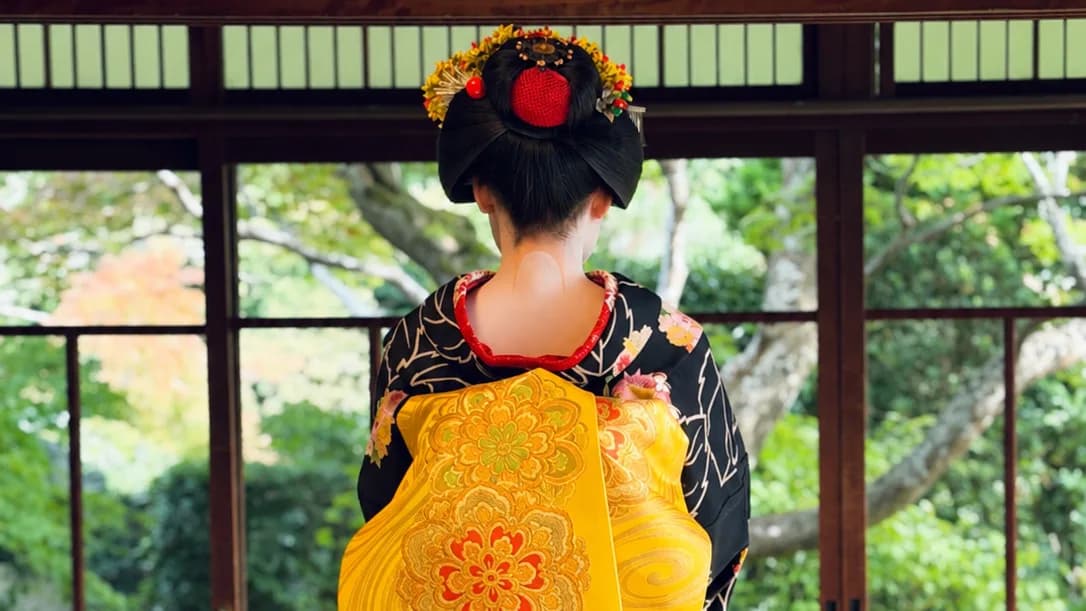
Behind the Wooden Gates of Koun-ji: An Intimate Experience with A Maiko
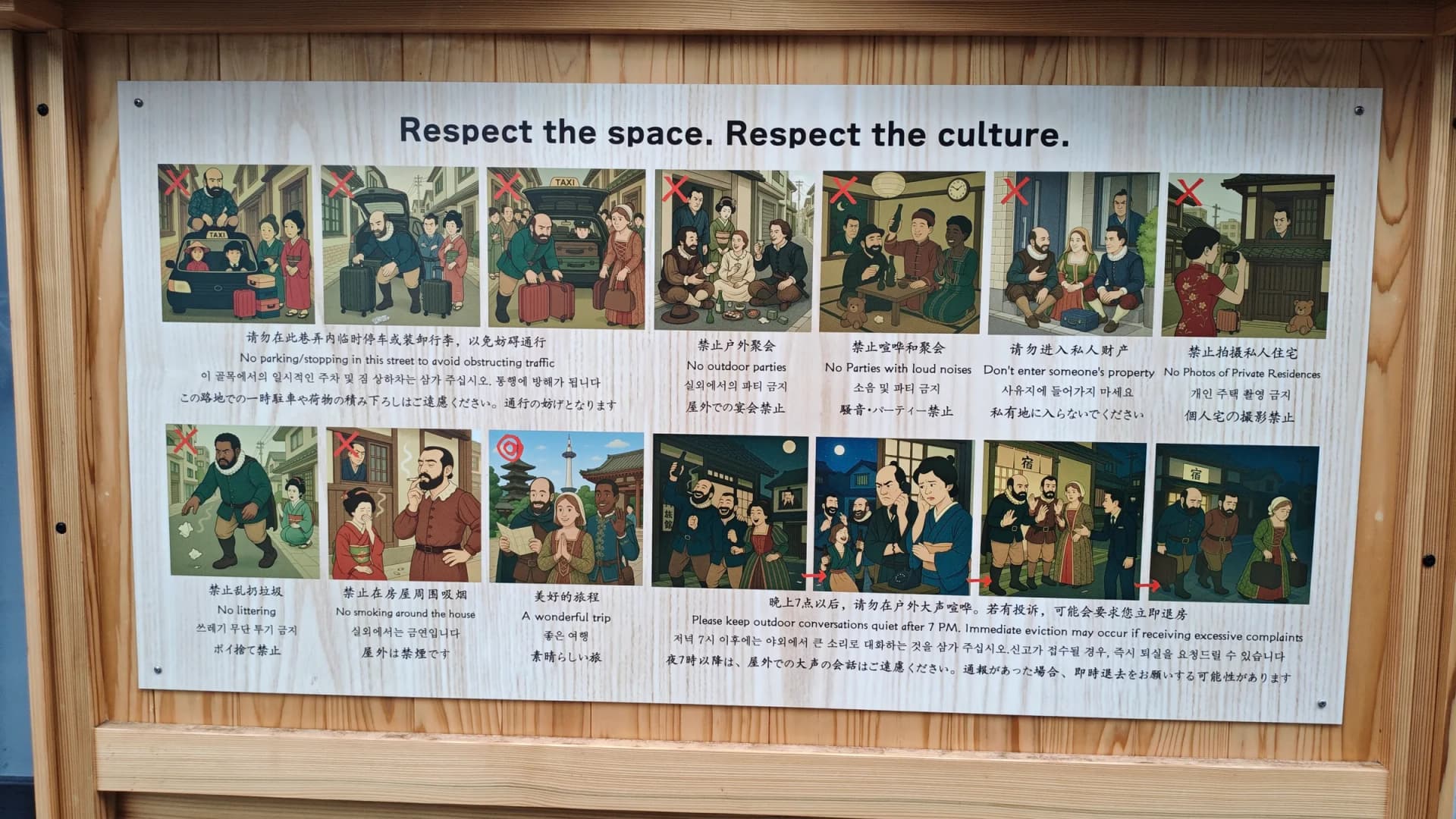
Finding a quiet, genuine connection to Kyoto’s traditional arts has gotten tricky lately. With Gion enforcing photography bans and closing off private lanes to deal with overcrowding, the best cultural encounters are moving behind closed doors into private, respectful settings.
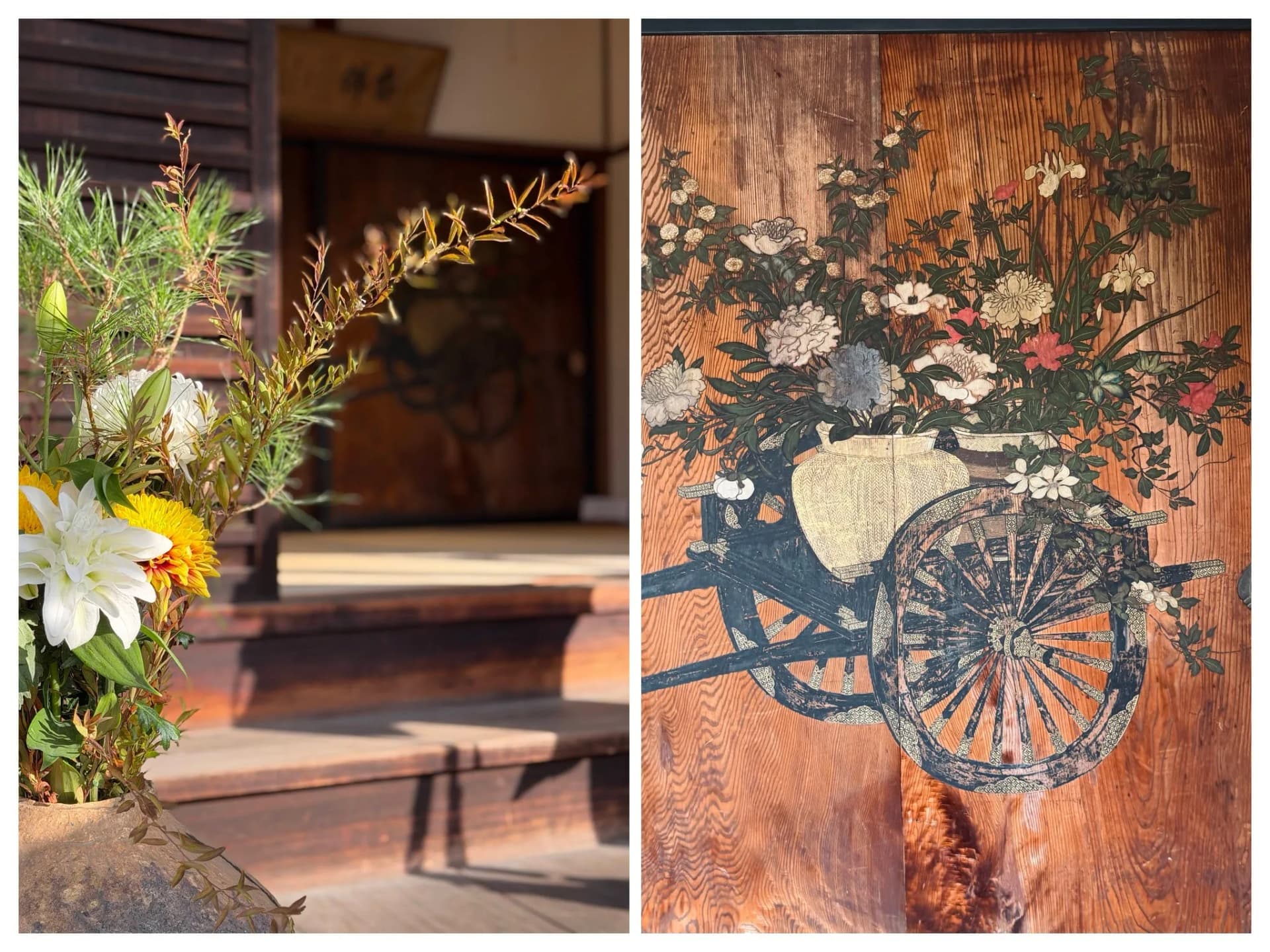
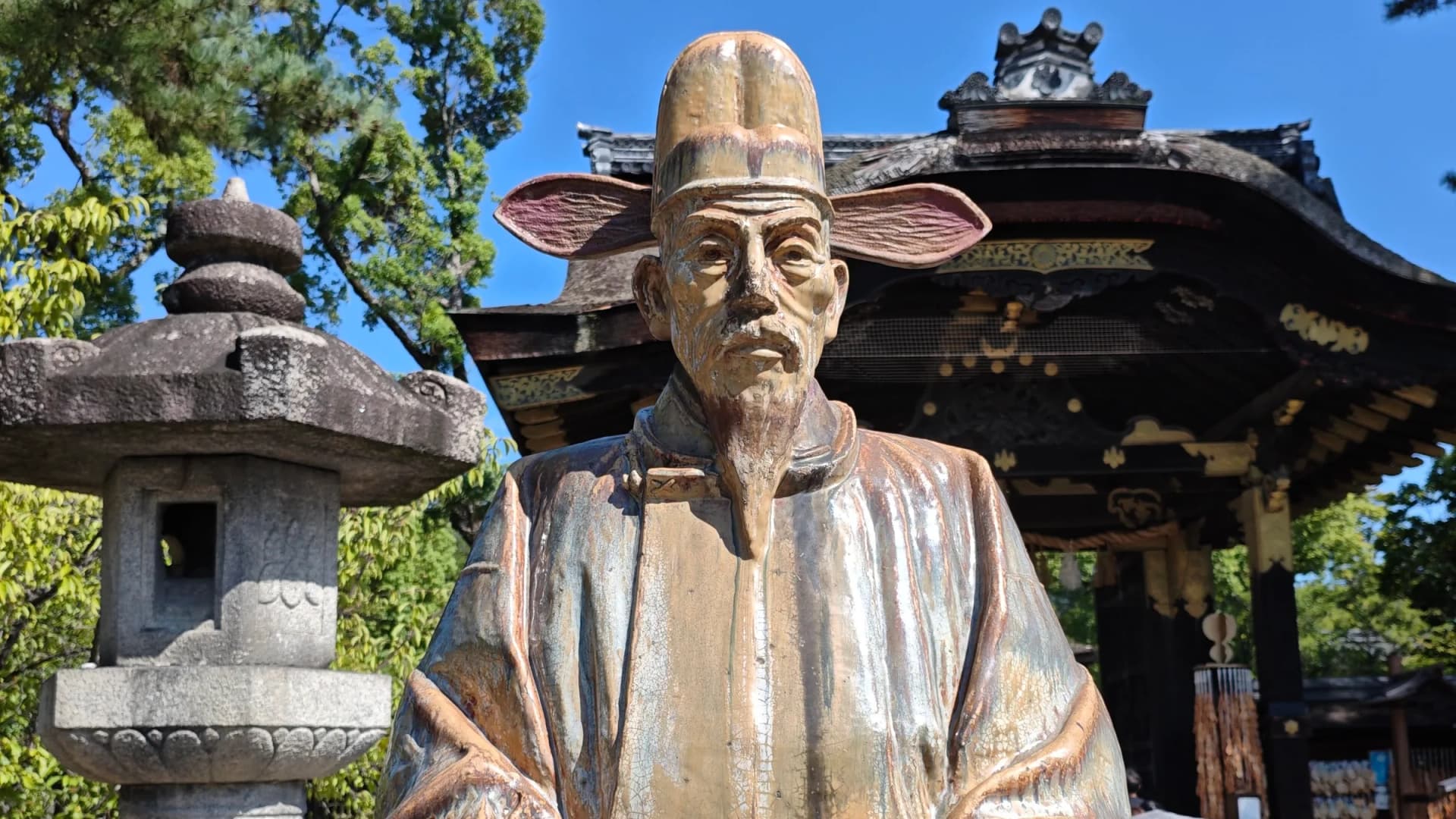
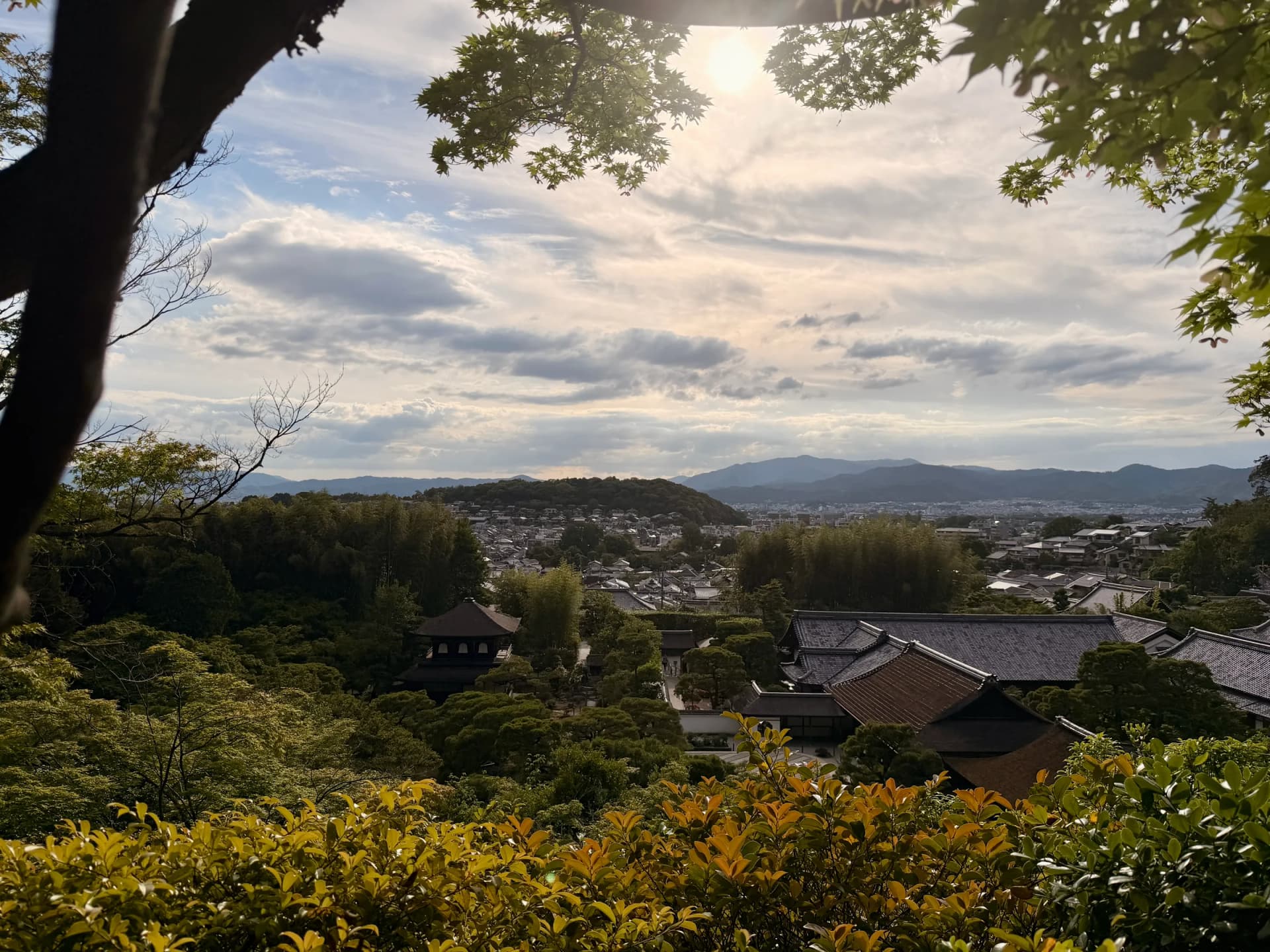
Tucked away in Sakyo-ku near the base of the Higashiyama hills—about a 15-minute walk from Nanzen-ji’s Sanmon gate—lies Koun-ji Temple. Originally rebuilt in the 17th century by Tokugawa Masako (granddaughter of Tokugawa Ieyasu and empress consort to Emperor Go-Mizunoo), this sub-temple is normally closed to general foot traffic. Adding to the site's rich imperial ties, the mausoleum associated with Emperor Go-Mizunoo lies just a short distance away.
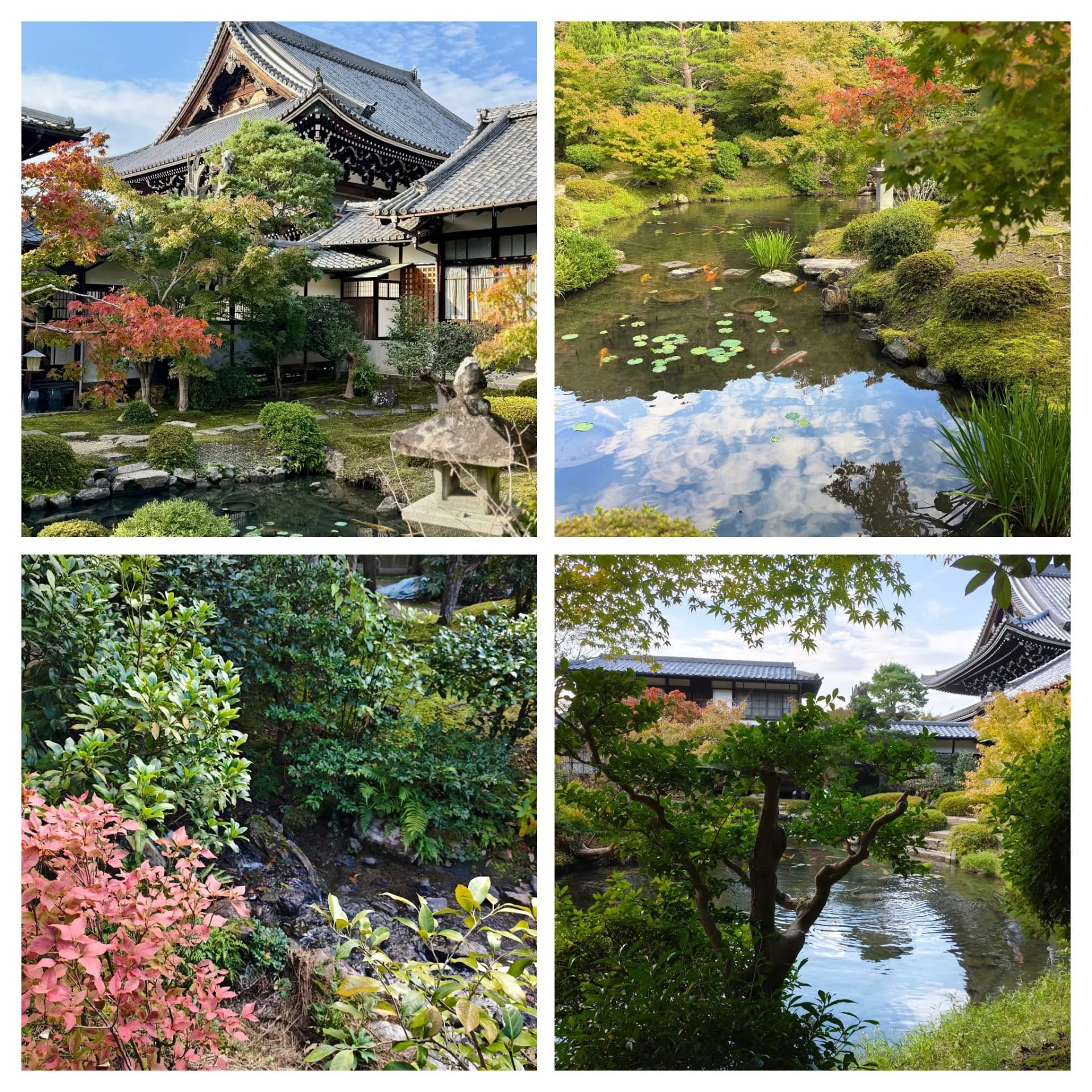
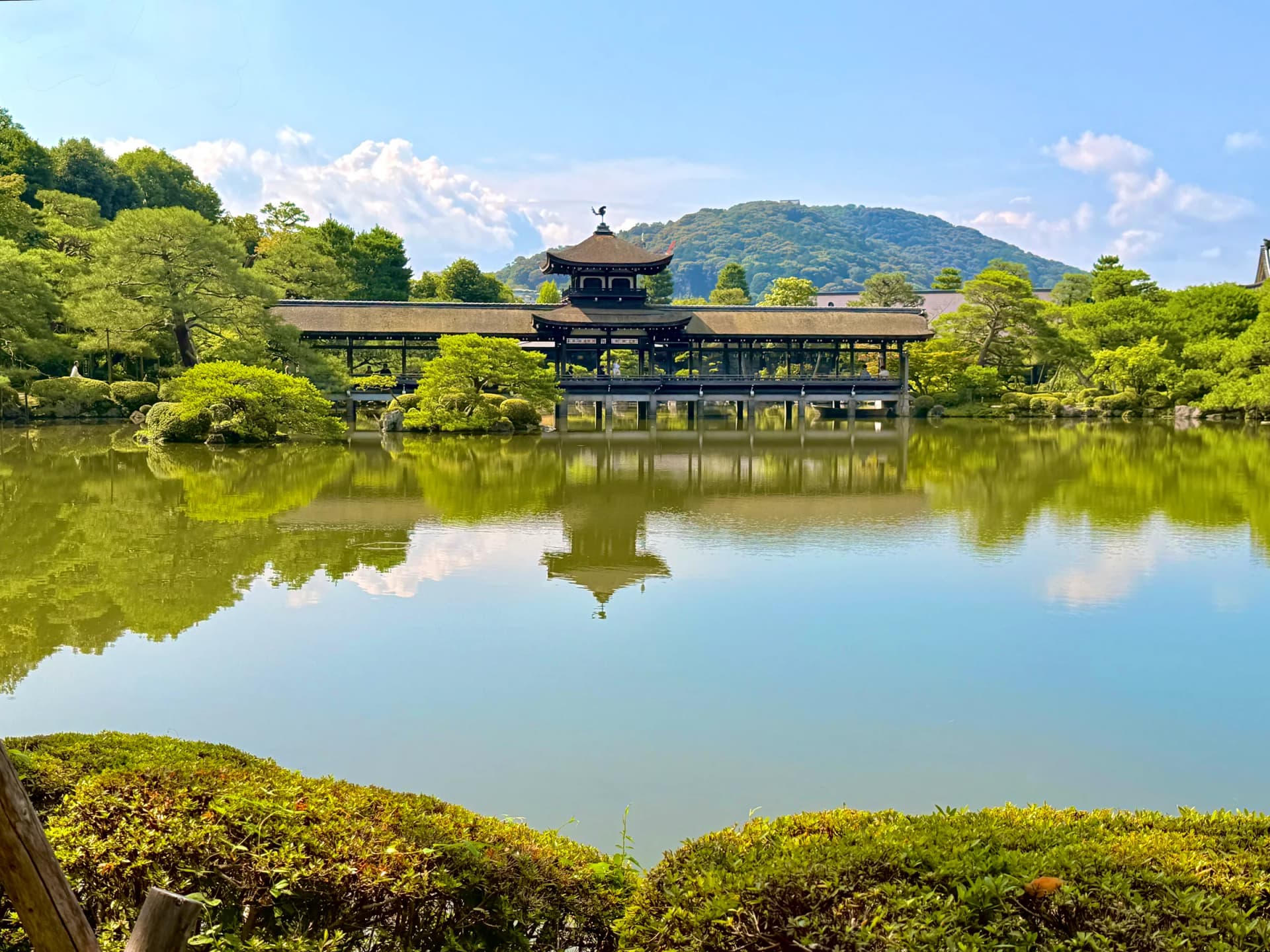
Beyond its deep historical roots, Koun-ji features a stunning landscape garden designed by the renowned Meiji-era master Ogawa Jihei VII (affectionately known as Ueji)—the same visionary landscape architect who designed the famous gardens of Heian Jingu. His signature style brilliantly incorporates natural running water and flowing sightlines, creating a serene green backdrop that complements the temple's ancient cedar floorboards.
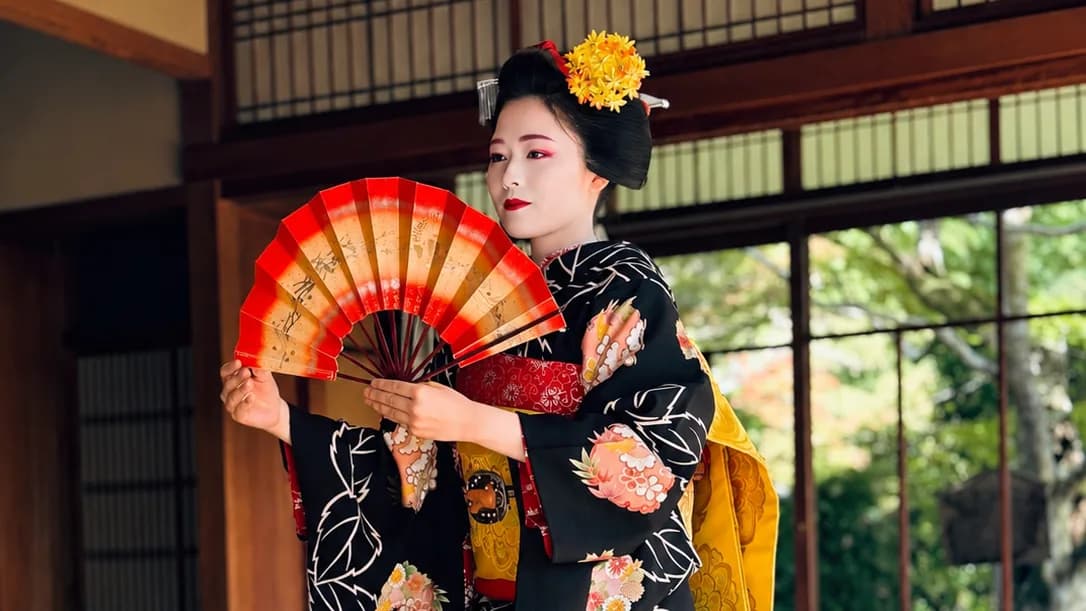
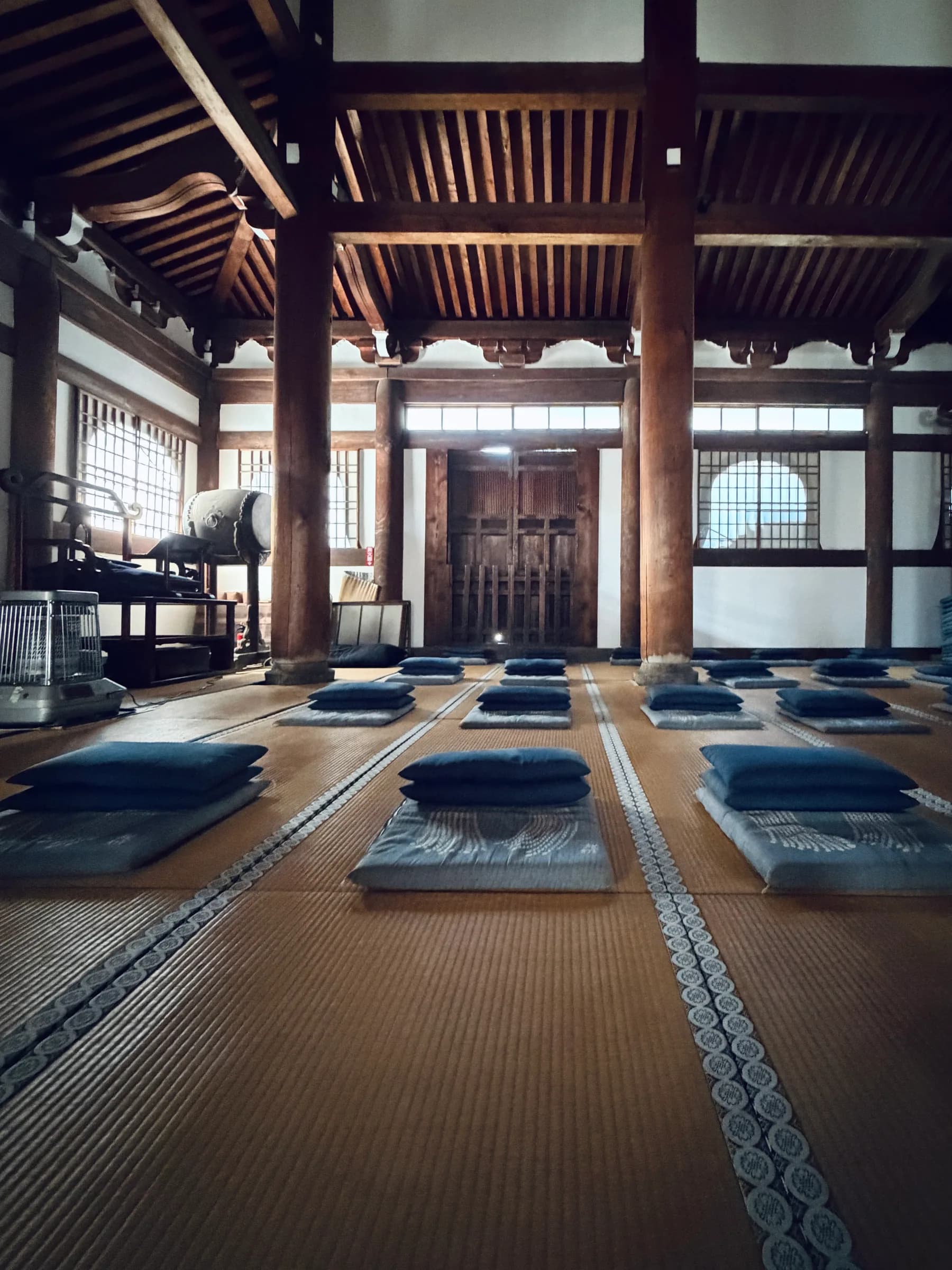
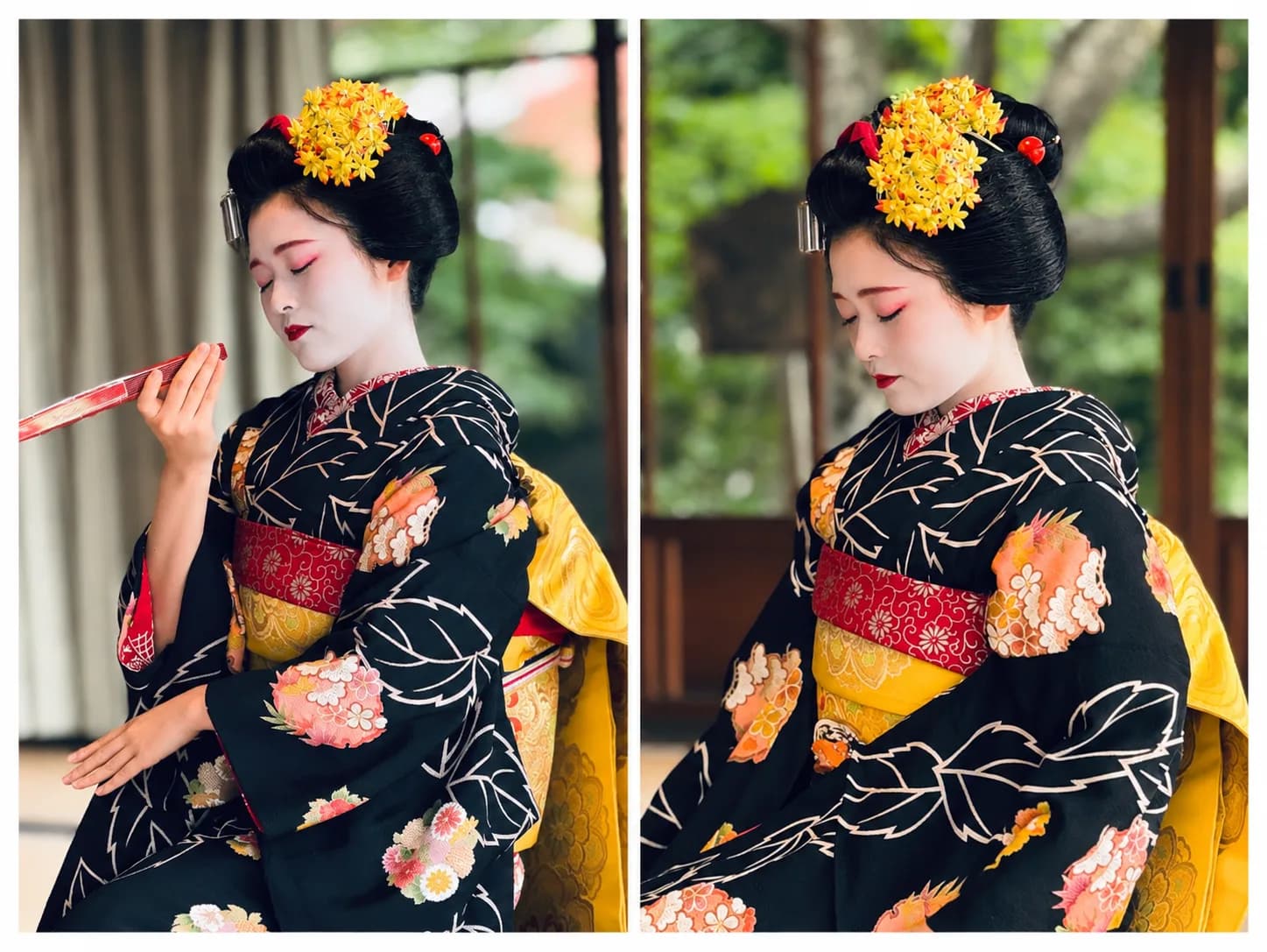
Recently, we had the rare privilege of sitting in Koun-ji’s peaceful tatami room for an intimate evening with Maiko Hanayuki from the prestigious Miyagawa-cho district. Free from microphones, physical barriers, or public crowds, the room’s ancient cedar floorboards provided natural acoustic clarity for an unforgettable cultural journey.
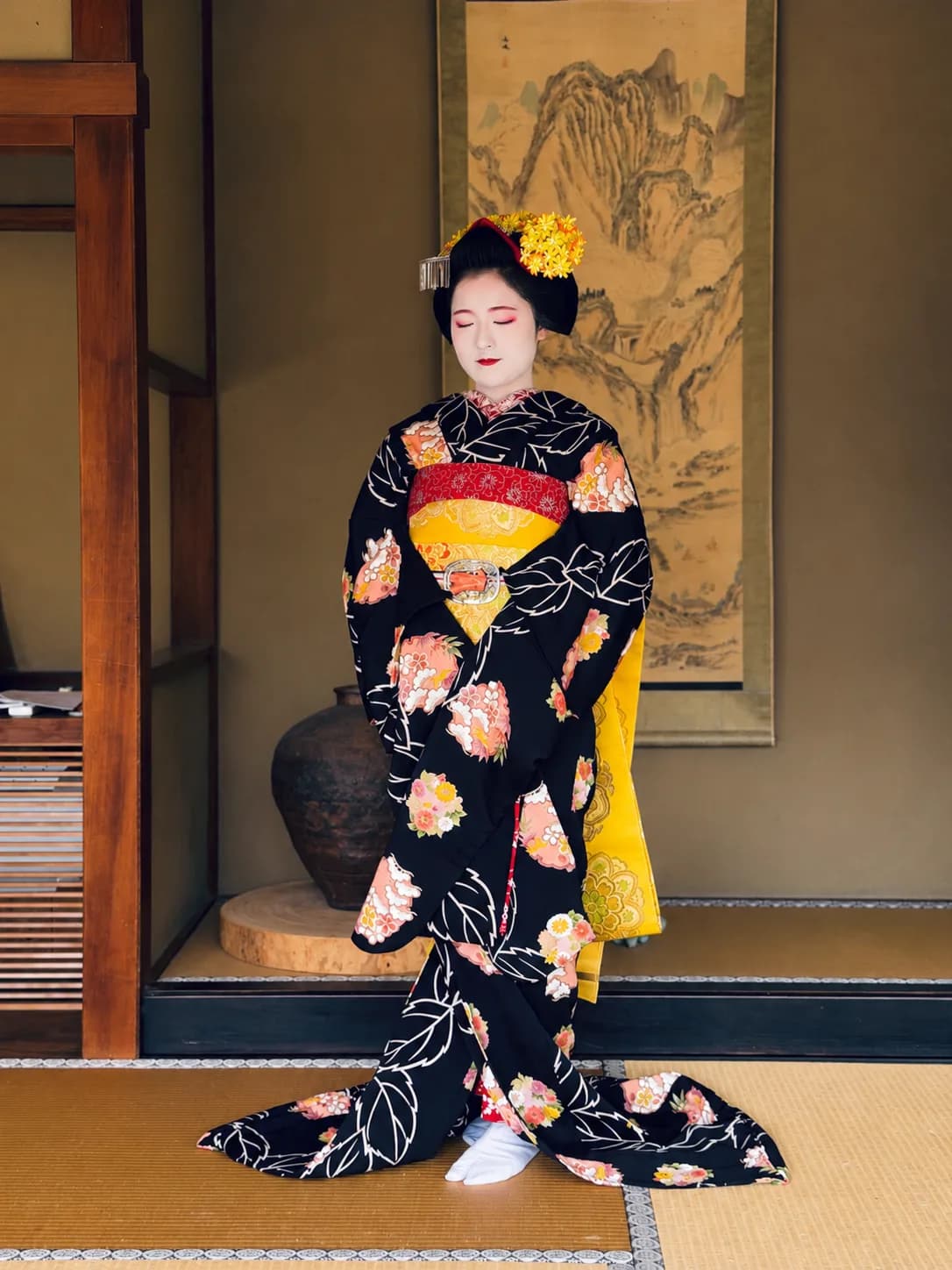
The Artistry & Evolving Seasons of the Maiko
Every element of a Maiko's attire acts as a living seasonal calendar:
Monthly Repertoire: The dances and accompanying Ha-Uta—short Edo-period songs originally written for merchants and townspeople rather than aristocrats—change every single month.
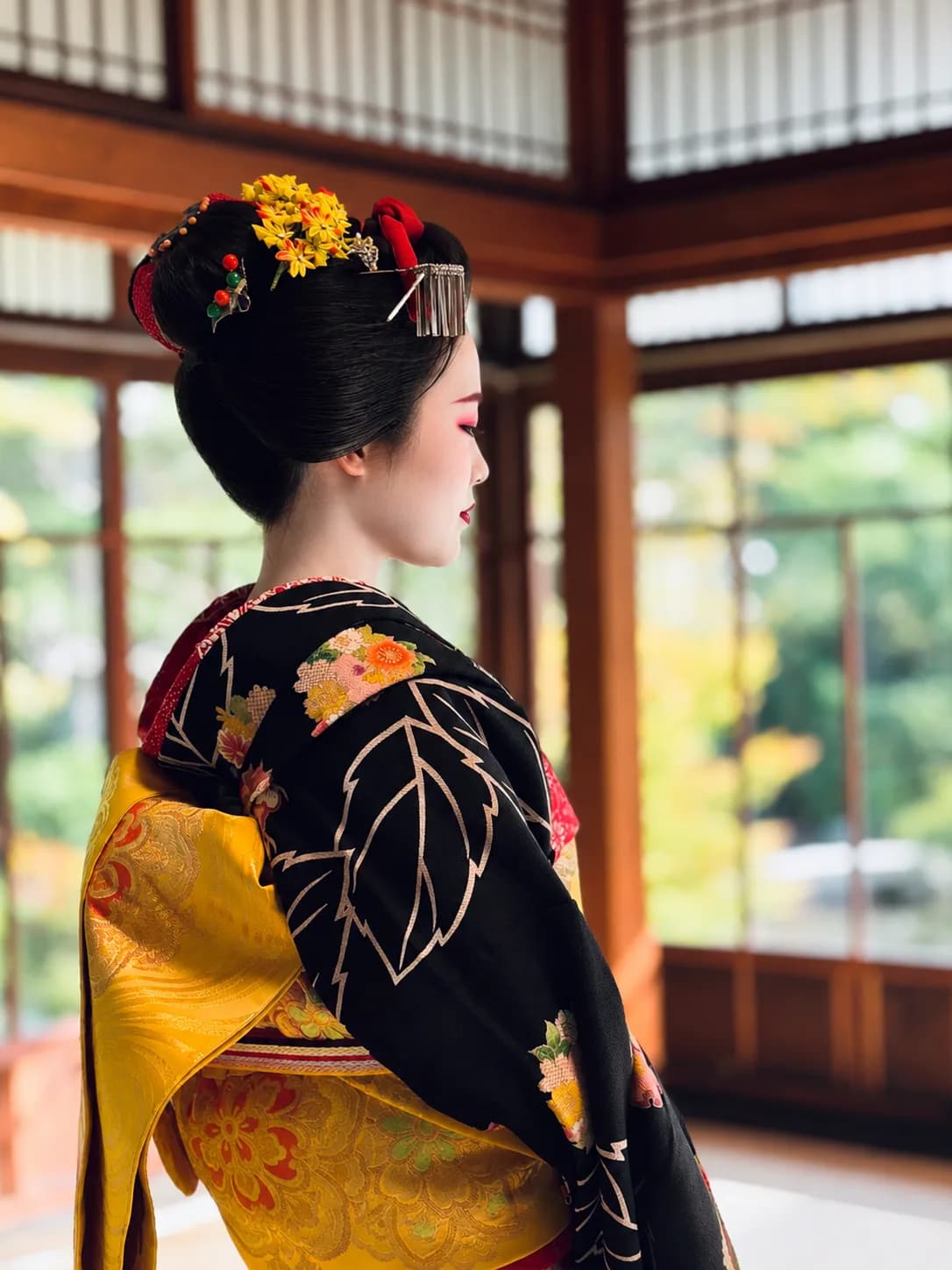
Hair Pins (Hana-Kanzashi): A Maiko swaps her dangling silk hair ornaments monthly to match the seasonal flowers and local calendar holidays.
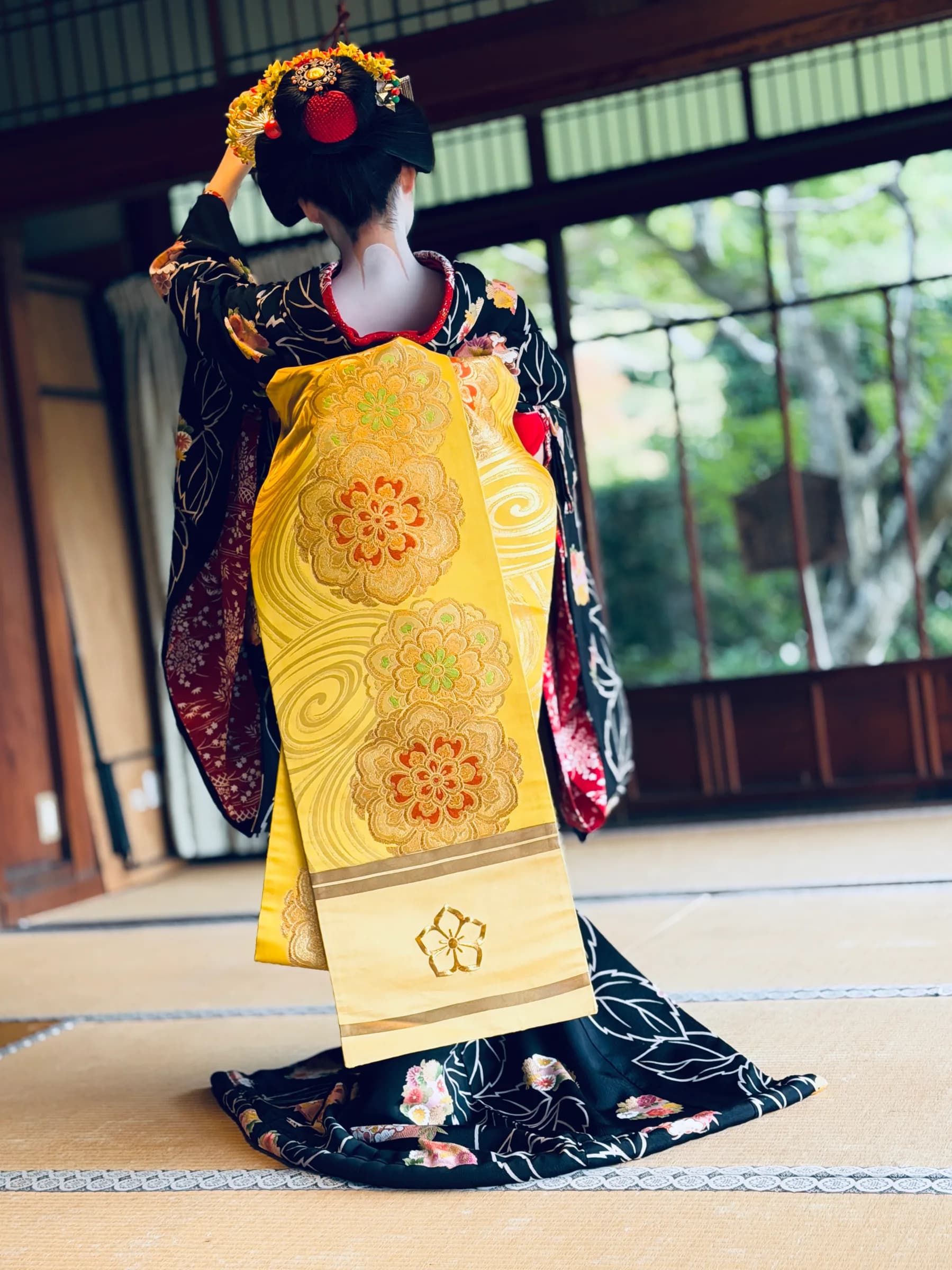
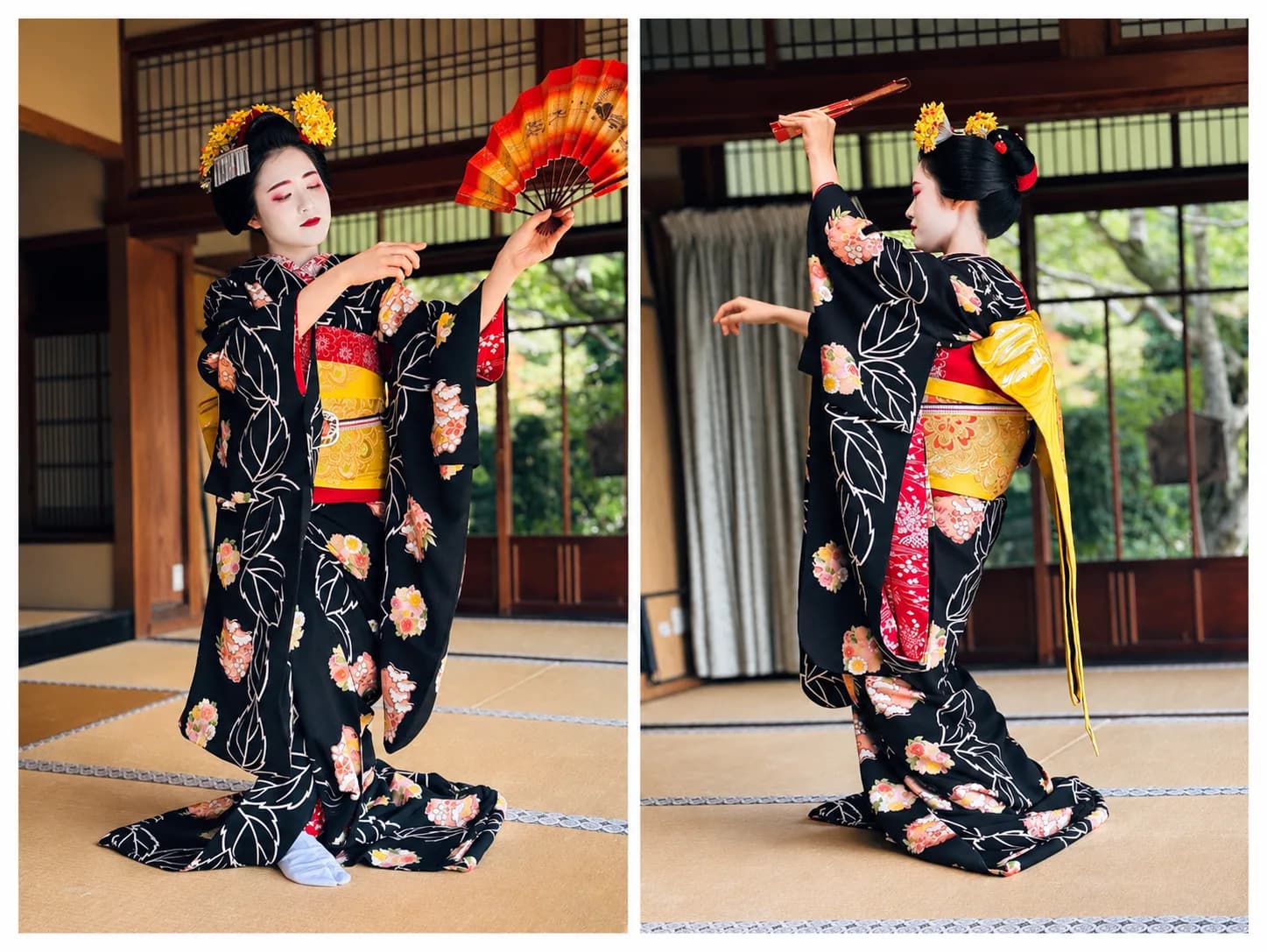
Outfit Weight & Male Dressers (Otokoshi): Between the long kimono and the heavy darari no obi sash—which spans between 5 to 6 meters in length—trailing behind her, a Maiko's ensemble can weigh over 10 kg. Due to the weight and the physical strength needed to bind the layers tightly, dressing is traditionally handled by a professional male dresser called an otokoshi—one of the few men permitted inside the okiya.
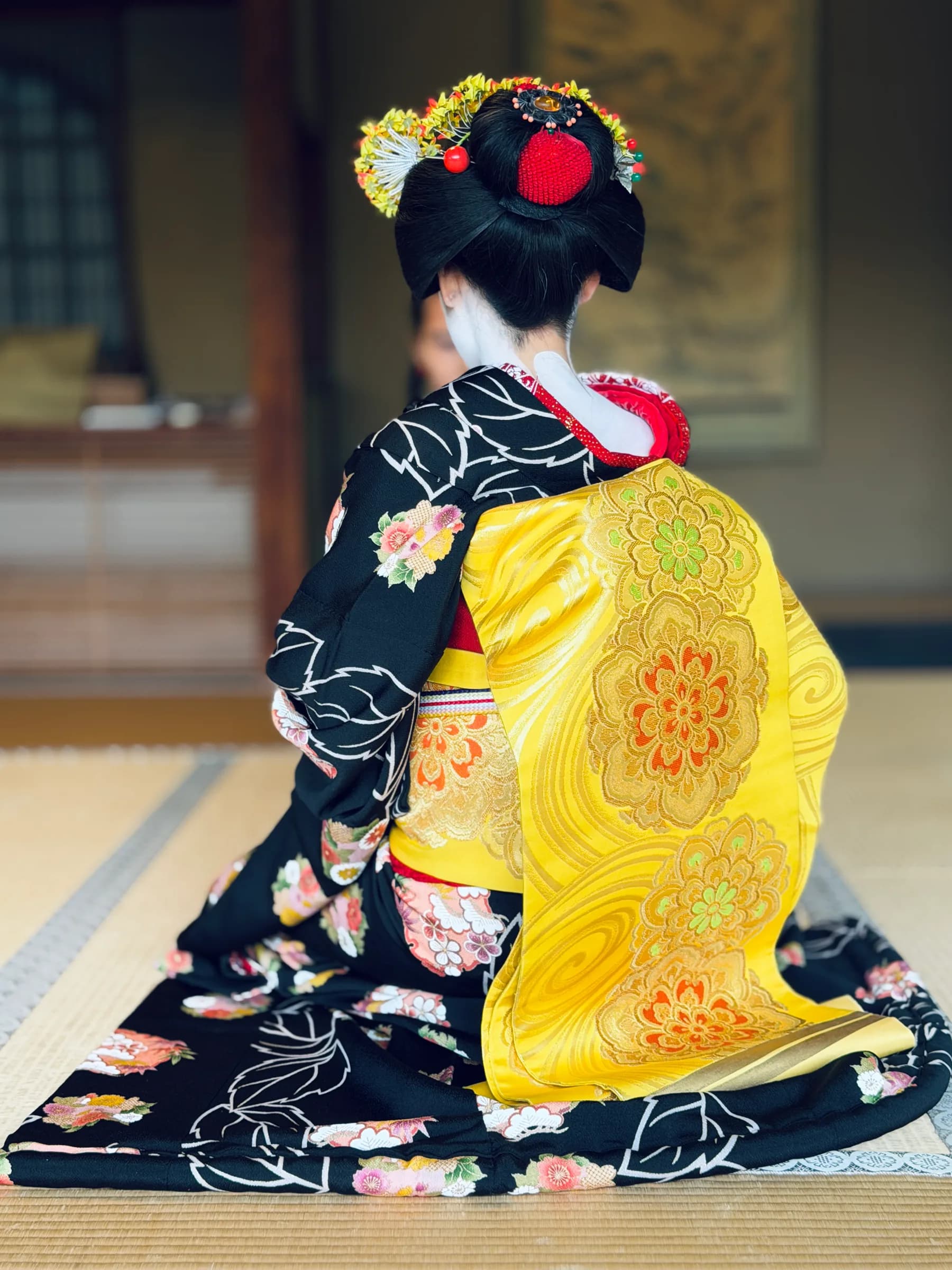
Telling a Maiko from a Geiko:
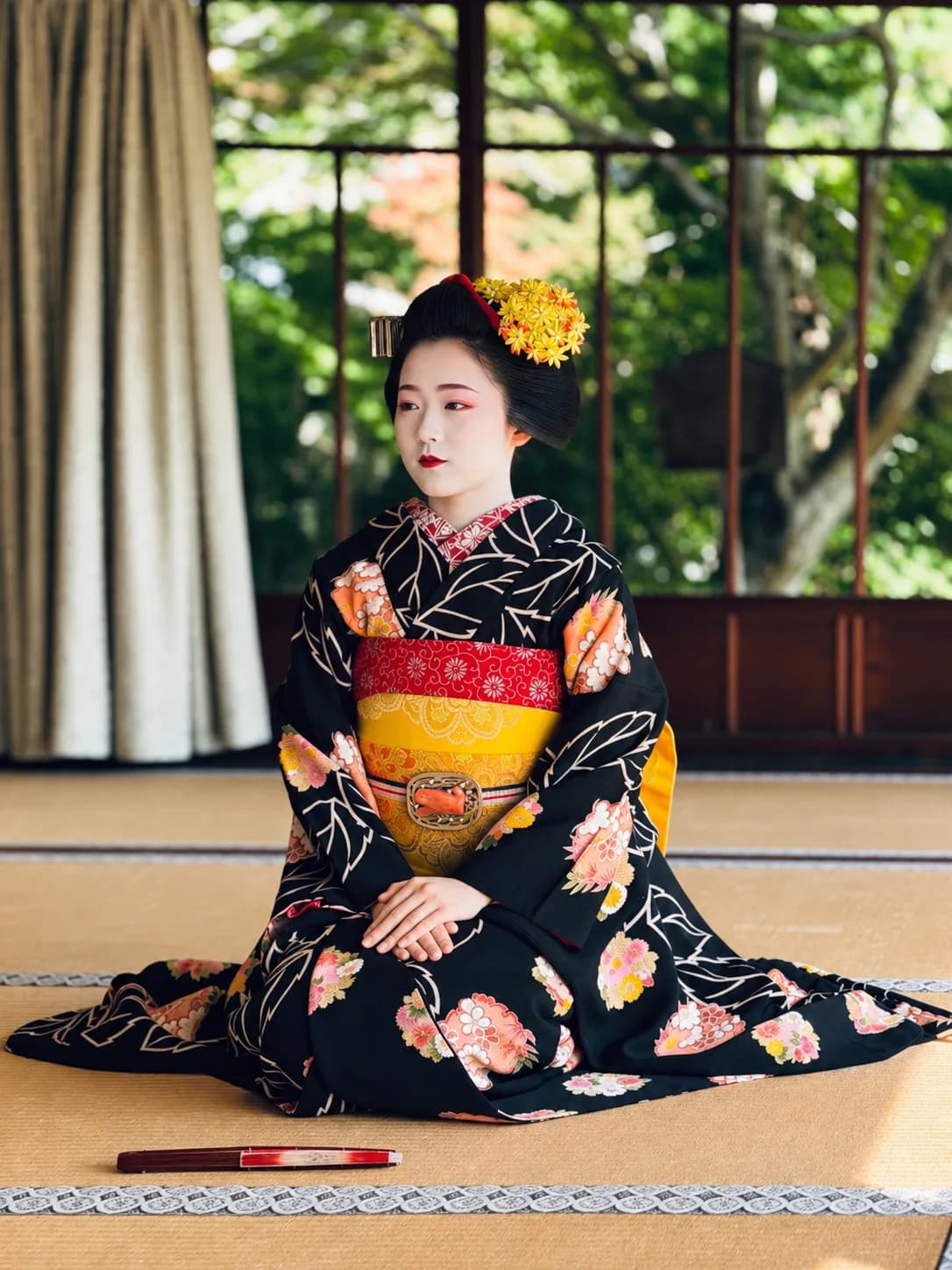
The Collar: Maiko wear bright red collars heavily embroidered with silk thread. When they turn 20 and graduate to become full Geiko, they undergo erikae ("turning of the collar") and switch to a solid white collar.
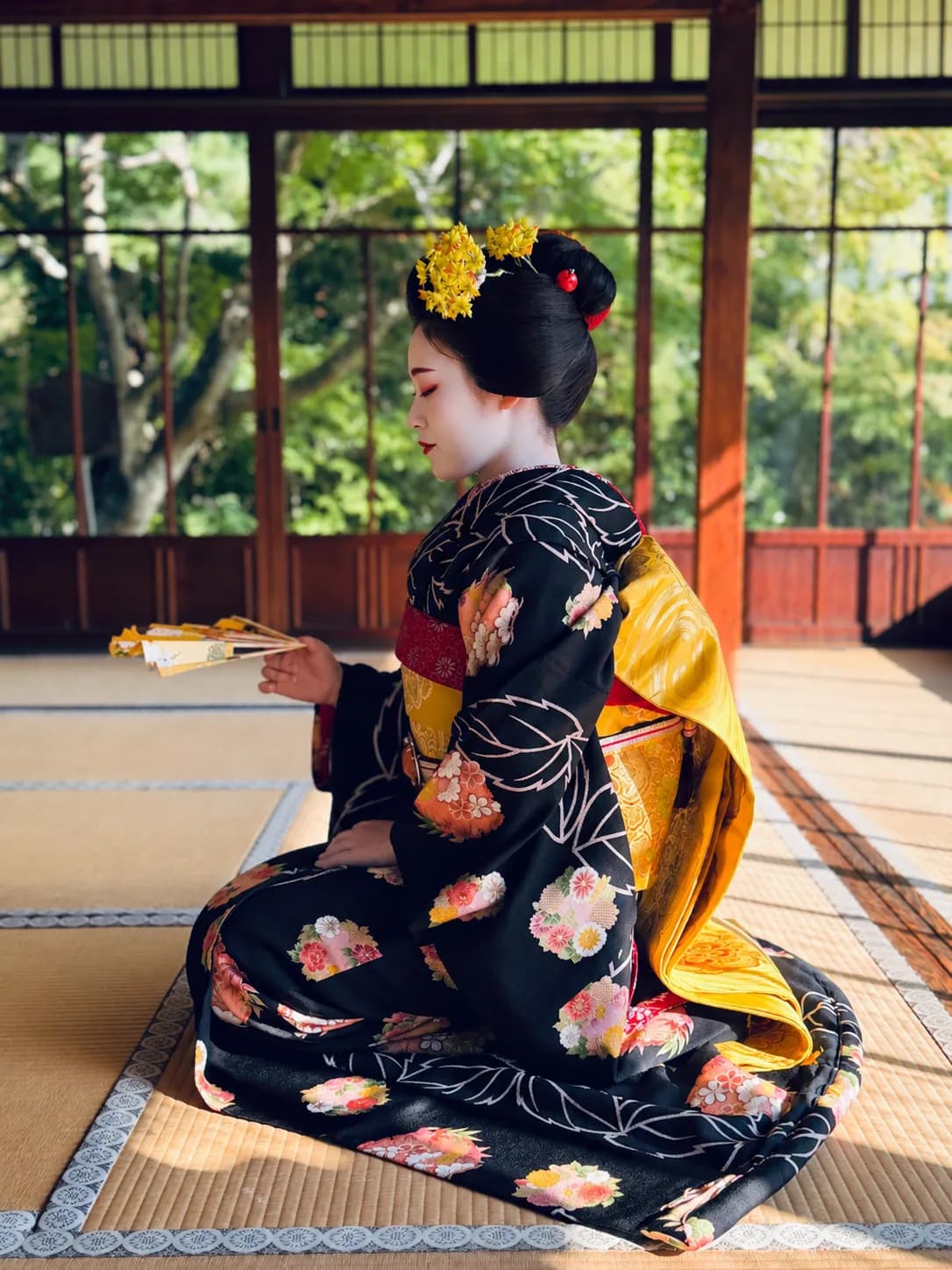
Makeup Adjustments (Shiro-nuri & Beni): Junior Maiko paint only their bottom lip red, moving to both lips as they mature, accompanied by distinct red and pink accents around their eyes and brows. Geiko paint both lips fully and adopt a subtle, classic makeup style with minimal red accents—and unlike Maiko, Geiko wear standard natural makeup for casual events rather than full white foundation.
Hair & Dress: Maiko wear long, trailing Hikizuri kimono with wide sleeves and style their natural hair. Geiko wear simpler kimono and stylized full wigs.
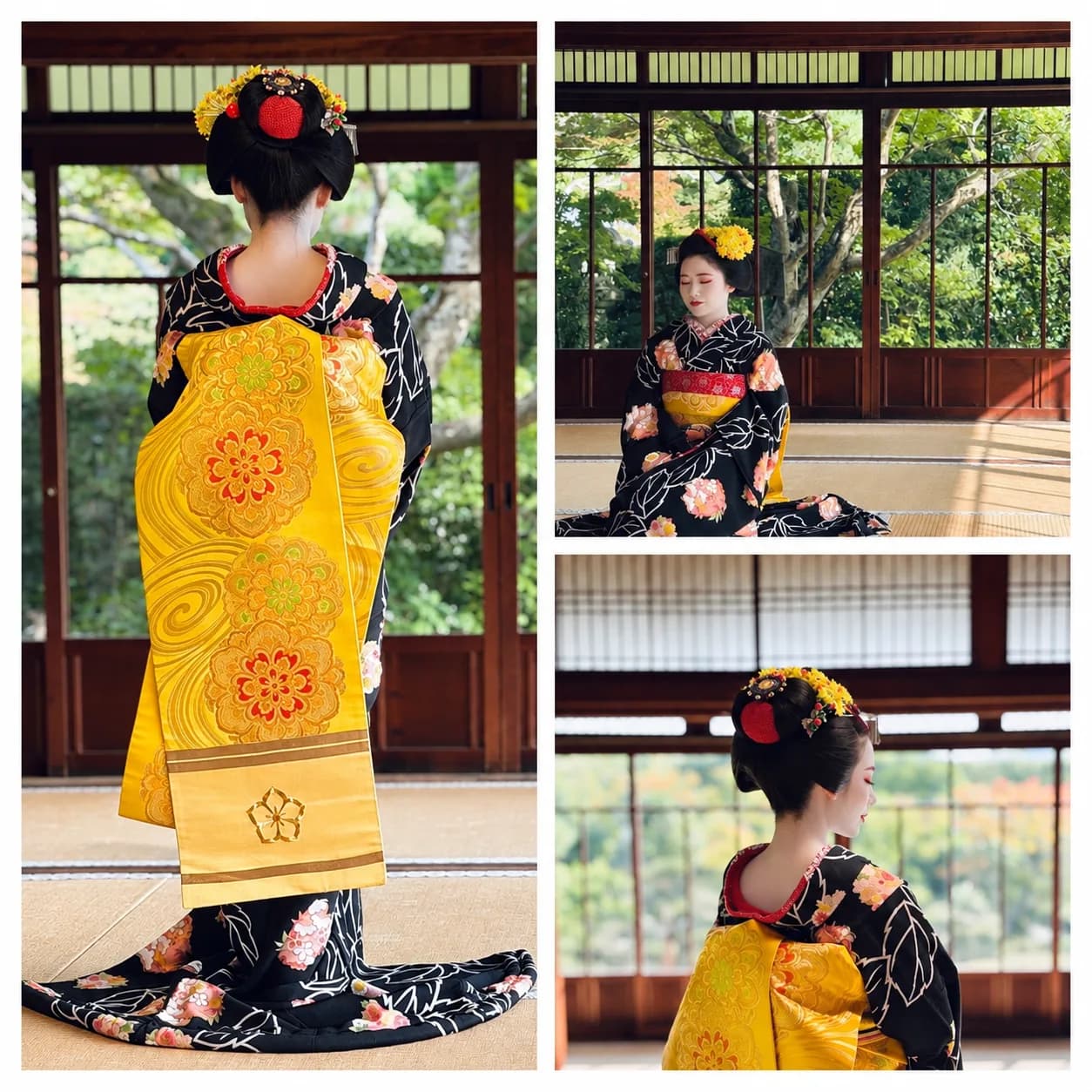
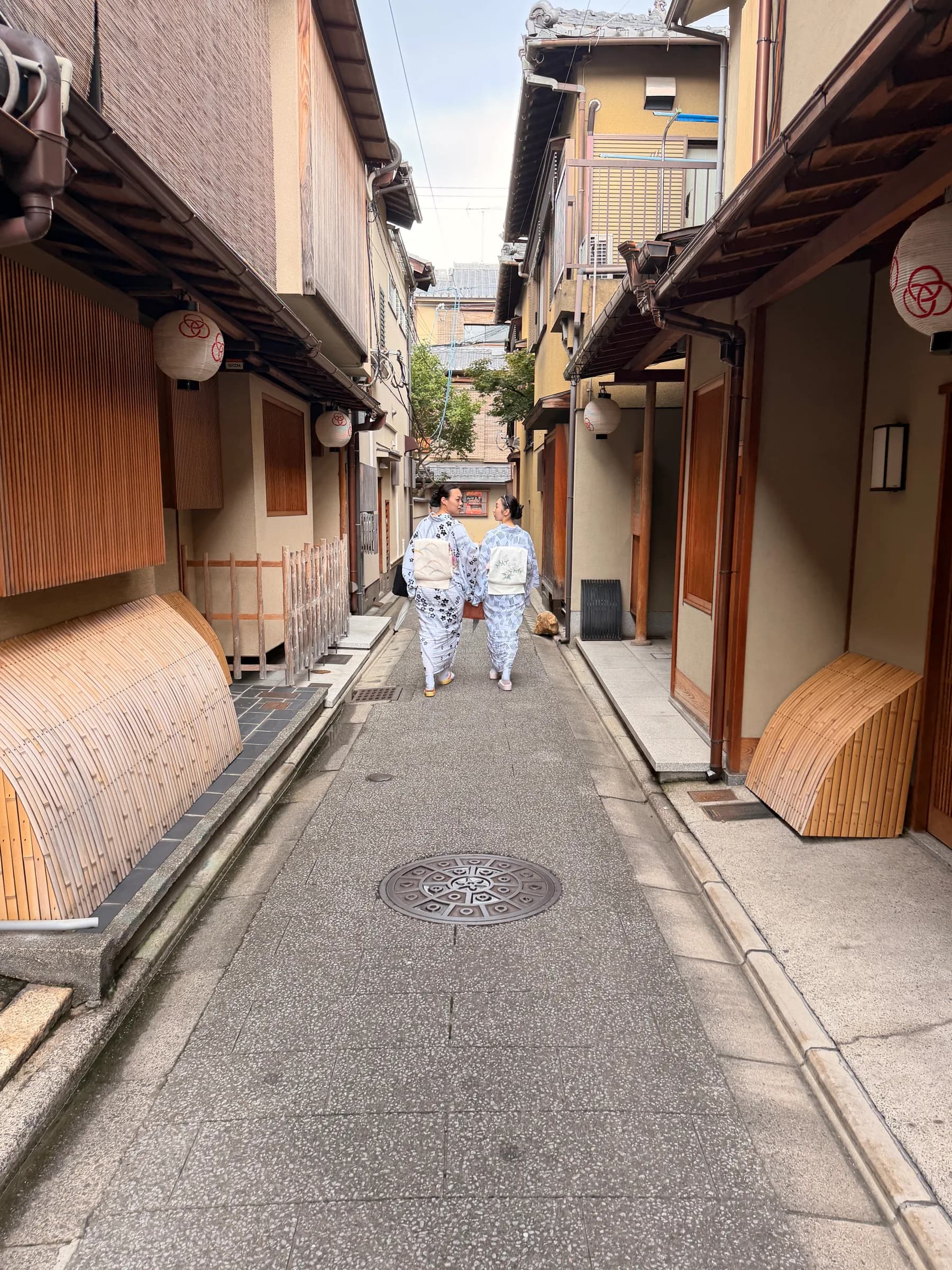
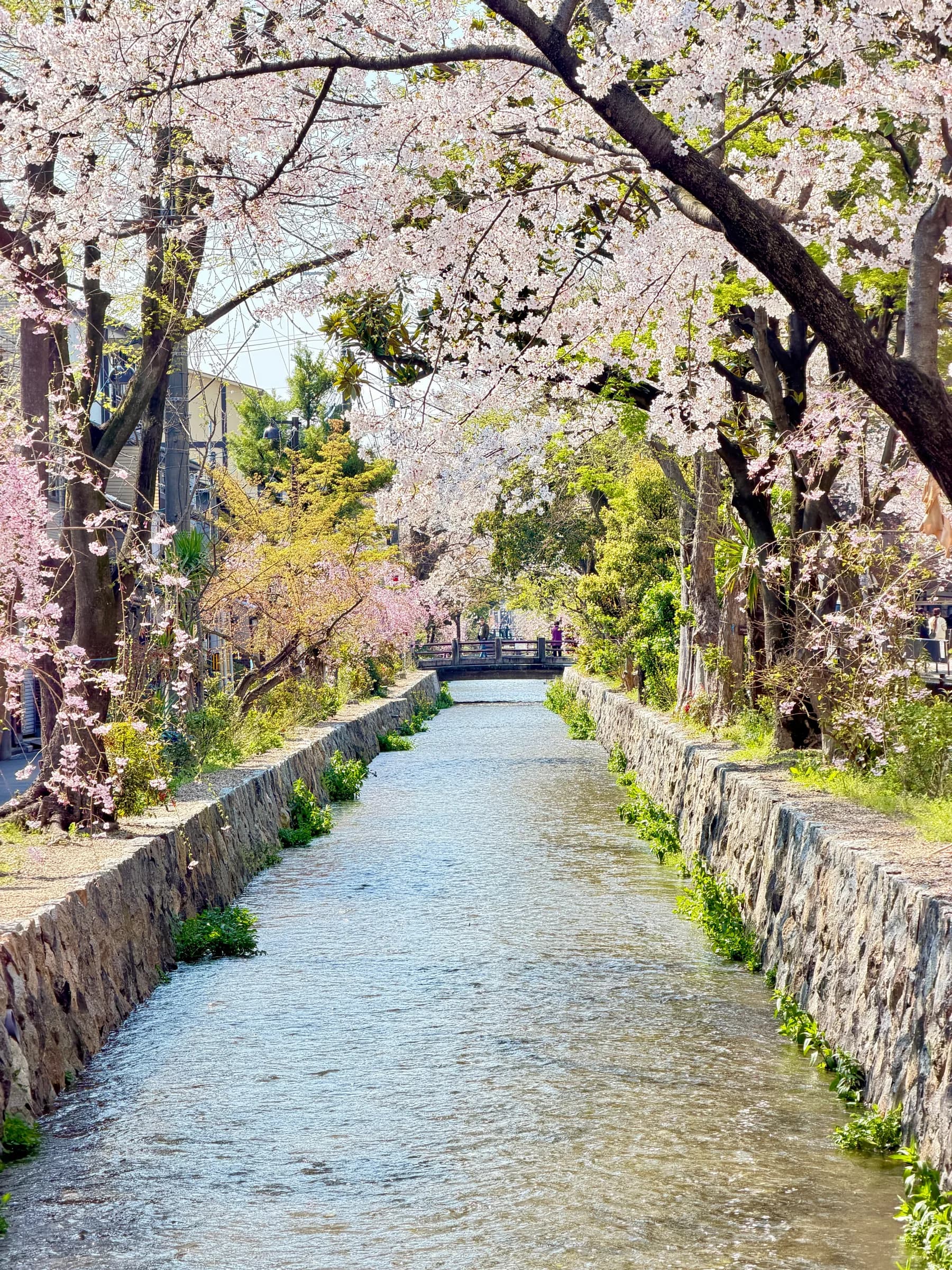
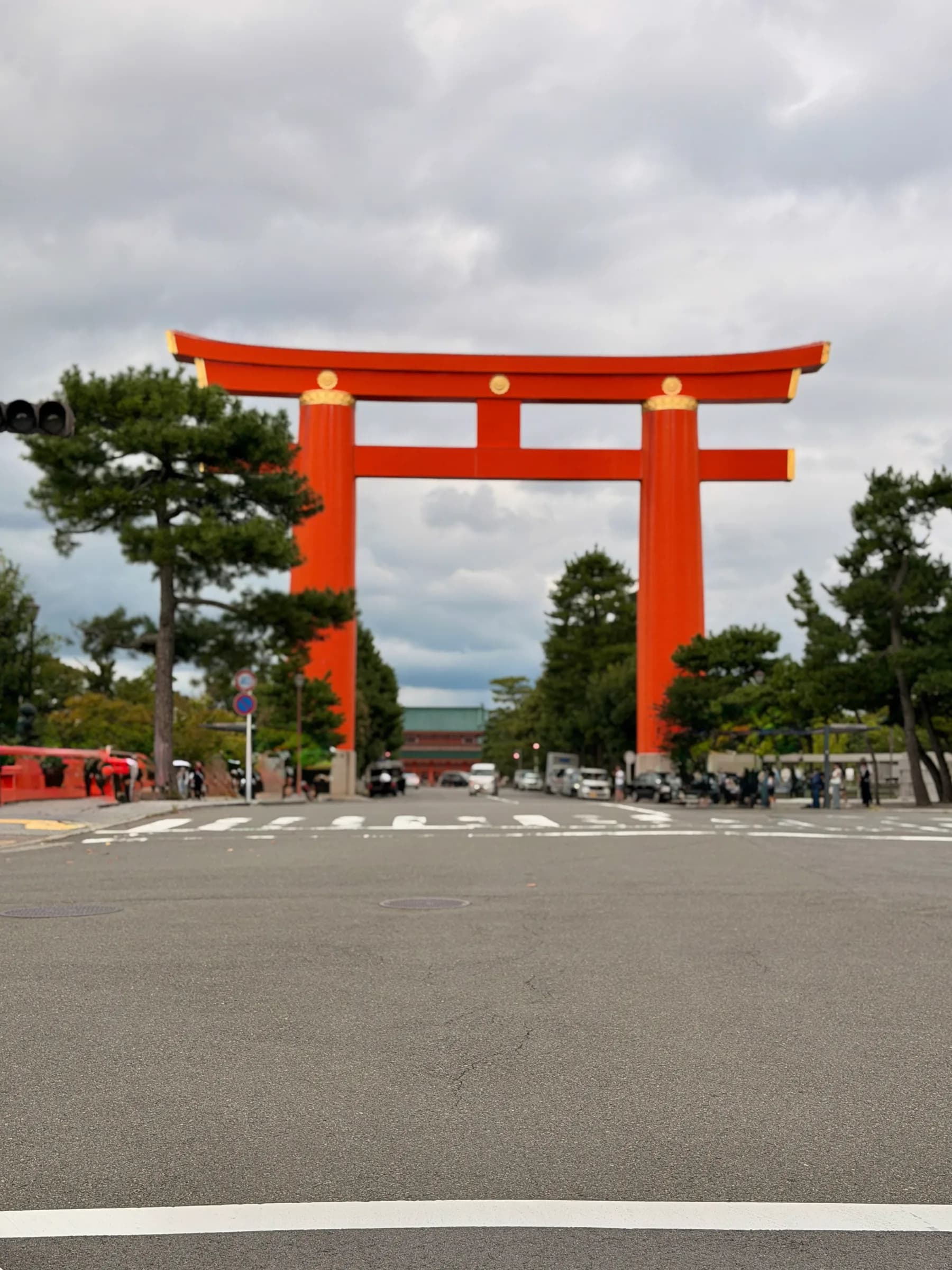
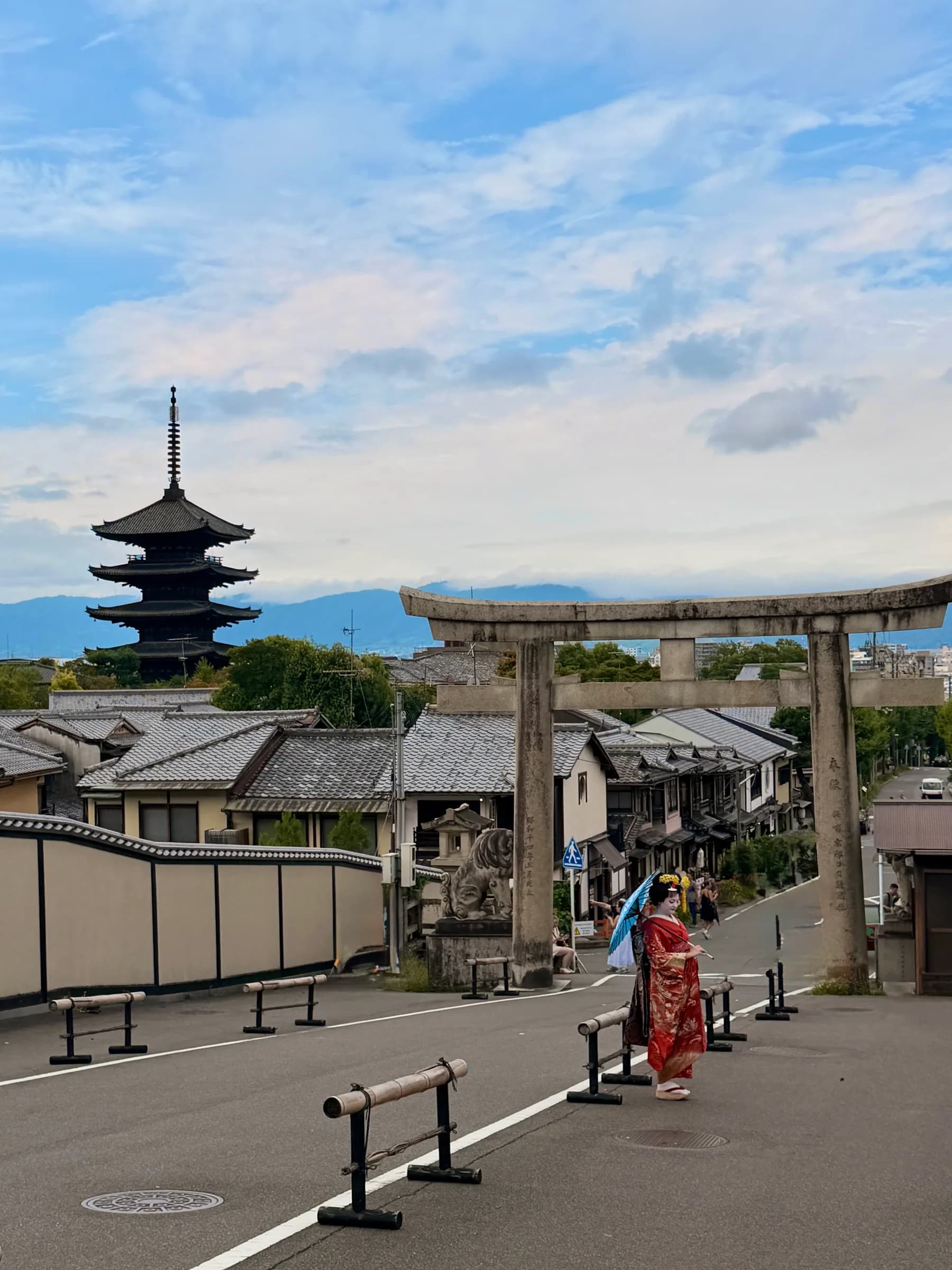

Shiro-Nuri: Face Paint Born from Candlelight
Have you ever wondered why Geiko and Maiko wear striking white face paint (shiro-nuri)?
The iconic white foundation (shiro-nuri) dates back to the Edo period, long before gas or electric light existed inside houses. Performers painted their faces bright white so that flickering candlelight and moonlight would reflect off their skin, making their expressions visible to guests across a dark tatami room.
Sleeping on a Takamakura: A Week of Dedication
Listening to Hanayuki talk about her weekly routine put the sheer physical discipline of her work into perspective:
An Hour in the Chair Every Week: A specialized hairdresser spends about an hour once a week building her hairstyle using traditional plant waxes and oils.
The Wooden Block (Takamakura): To keep the shape intact for seven full days, she rests her neck on a takamakura—a small, raised wooden stand padded at the top.
Sleeping Position: She has to sleep strictly on her side or back without tossing and turning, keeping her head elevated off the futon so the back of her hair doesn't get crushed.
From Nagasaki to the Flower Districts
Hanayuki is originally from Nagasaki. As a young girl, she saw a TV documentary about Kyoto's Geiko, thought it looked incredible, and decided to move to Kyoto at age 15.
Moving into an okiya (lodging house) meant dropping her regional Kyushu accent. She had to learn the traditional Kyoto dialect (Kyō-ben), while also adopting the distinct kagai phrasing marked by the formal ending -dosu.
Life, Training, and Age Limits
Daily Schedule: Her mornings and early afternoons are spent studying under veteran master teachers called O-shisho-san across several disciplines: tea ceremony (Omotesenke style), Koto, Shamisen, traditional dance (Mai), bowed lutherie (Kokyu), transverse flute (Fue), and small hand drums (Kotsuzumi).
The Transition: Apprentices start at 15. At 20, a Maiko decides whether to take her vows as a Geiko or transition back to private life.
No Age Limit: Geiko have no retirement cap. There are active performers dancing in their 80s, and Kyoto’s oldest working Geiko is currently 94 years old.
The Performances: From Rural Folk Tales to 1960s Classics
The musical heart of the early afternoon unfolded across two distinct dance performances:
First Performance — "Washi ga Zaisho": The gathering opened to the rustic, lively tune of Washi ga Zaisho. The choreography features expressive, narrative gestures—mimicking rural daily life, harvesting motions, and the local pride of one's hometown, all while handling the folding fan with sharp, precise snaps.
Second Performance — "Gion Kouta": The second piece shifted to the iconic Gion Kouta, written by poet Soen Nakajima in 1930. Though composed earlier, the song became a nationwide sensation during the 1960s amid Japan's mid-century tourism boom. Its flowing, lyrical tempo matched Hanayuki's graceful, sweeping fan movements and fluid footwork across the tatami.
Ozashiki Asobi: Fan-Throwing & Parlor Games
No gathering is complete without ozashiki asobi (traditional parlor games), which rely on rhythm and quick reflexes rather than fluent Japanese.
Konpira Fune Fune: A hand-speed game played across a wooden coaster to the beat of a shamisen. Players take turns touching the coaster with an open palm or pulling it away. If your opponent snatches the coaster, you have to instantly drop a closed fist onto the table instead of an open hand as the song speeds up.
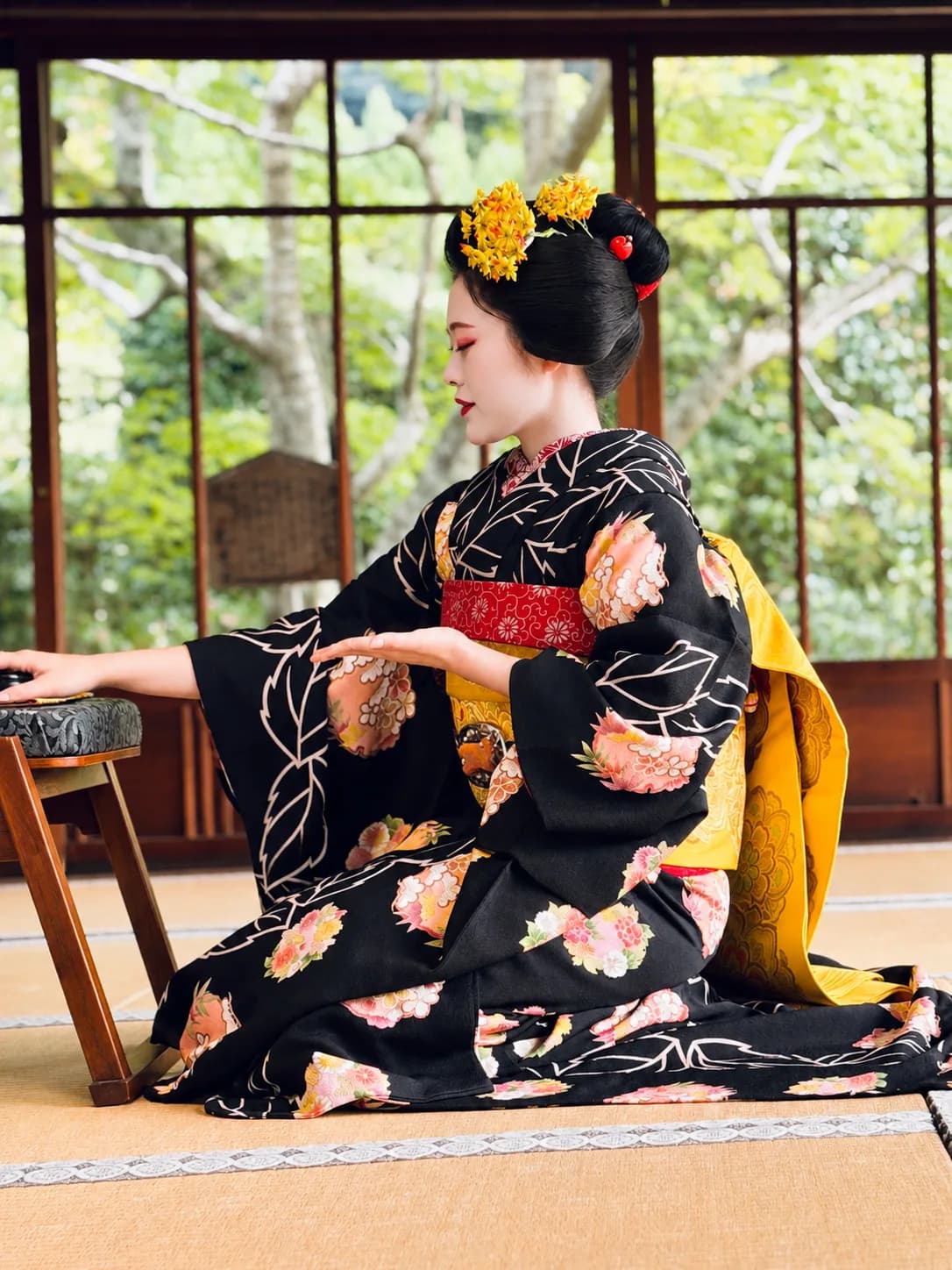
Tosenkyo: Players kneel and toss an open folding fan at a small paper target balanced on a wooden box. Points are scored based on how the fan and target land together, with each position named after one of the 54 chapters in The Tale of Genji. The game got so competitive and popular in the late 1700s that the Tokugawa Shogunate actually banned it for a period.
Experiencing apprentice arts with local context
Finding a meaningful connection with Kyoto arts requires avoiding the common mistake of chasing performers through the narrow lanes of Gion. That behavior led residents and businesses to enforce strict photography bans and private street closures throughout the historic quarters. Private bookings at halls like Koun-ji provide fair pay directly to the apprentice houses while giving travelers space to ask real questions through an interpreter.
Practical Notes for Visiting Sakyo-ku
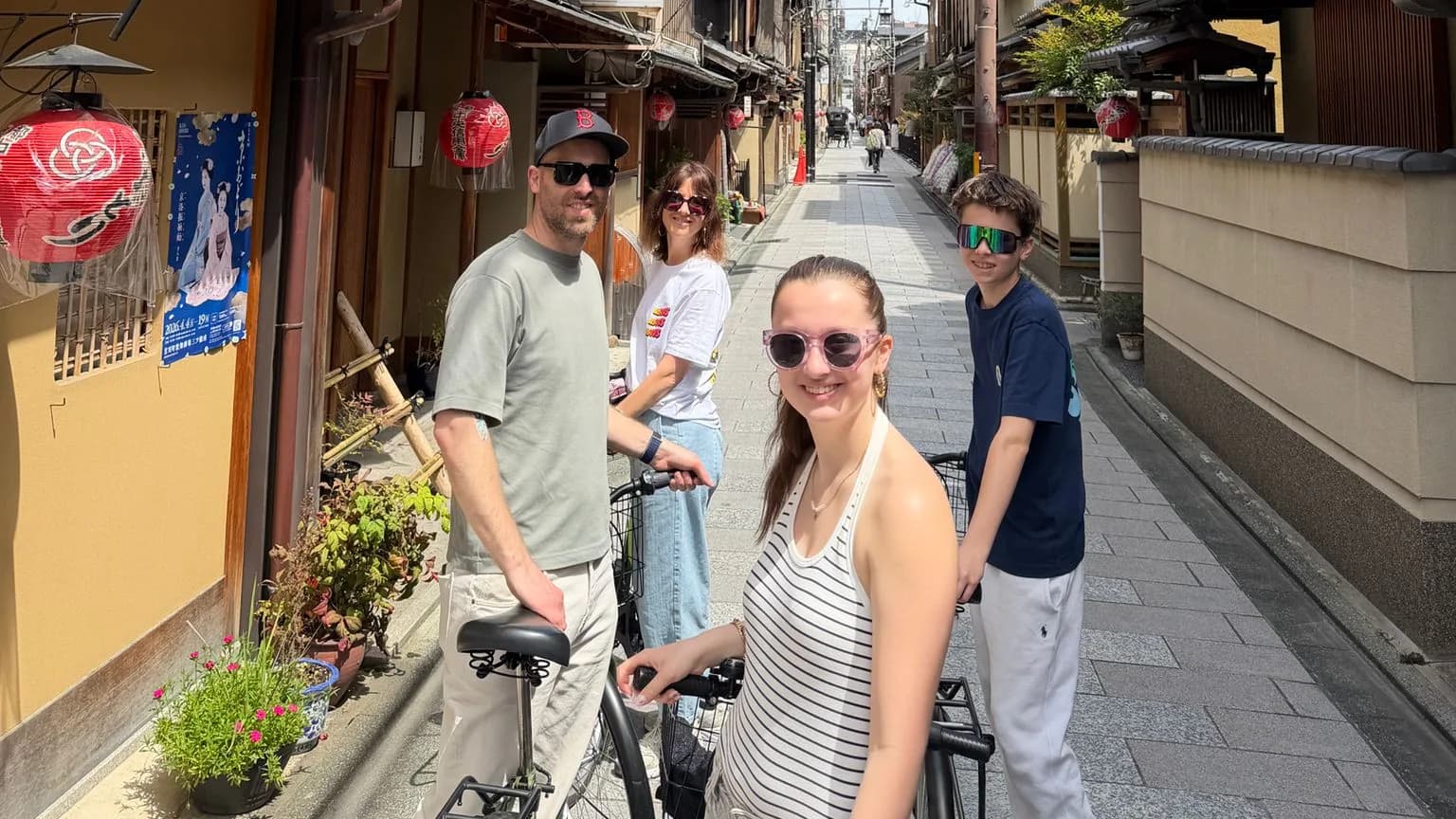
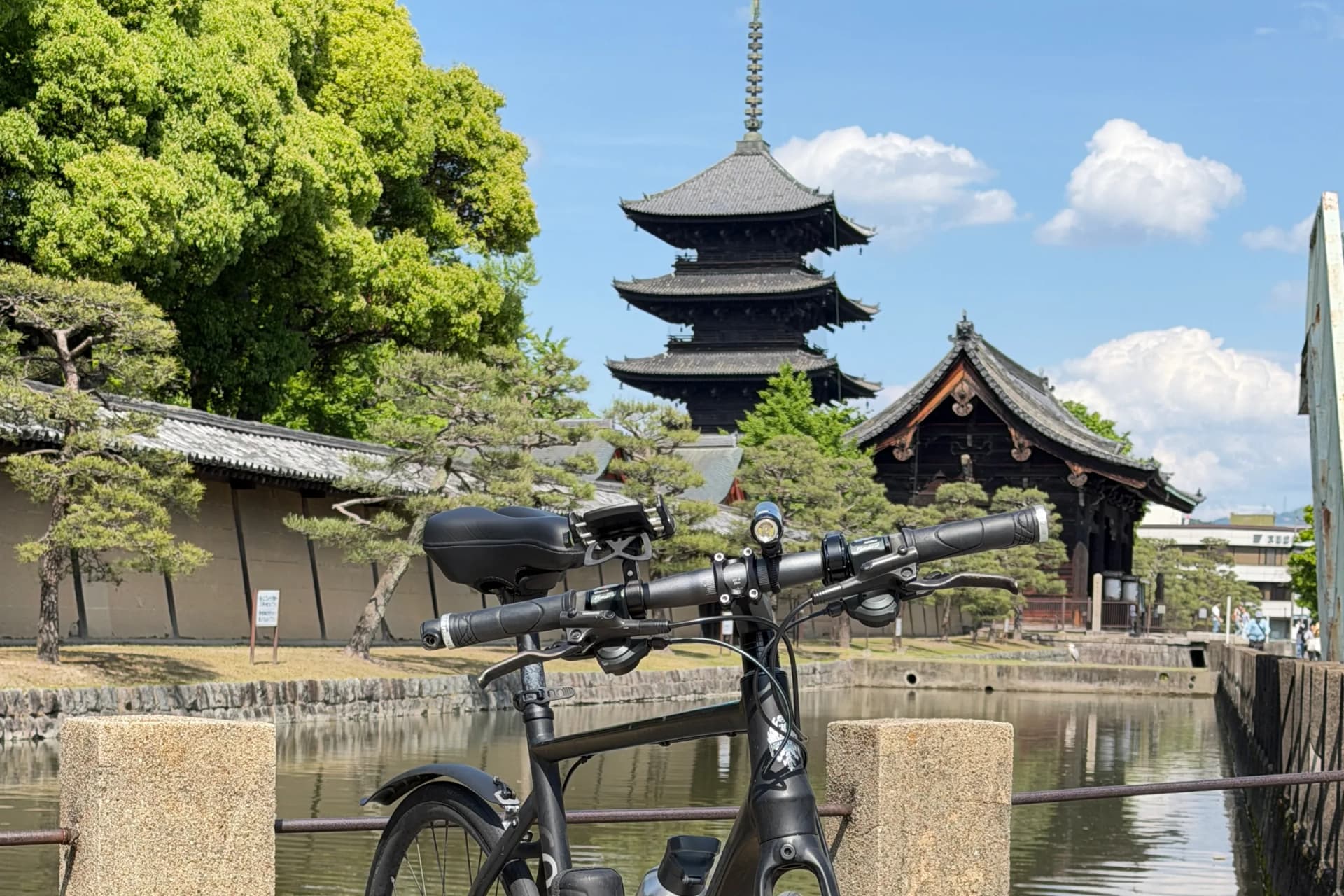
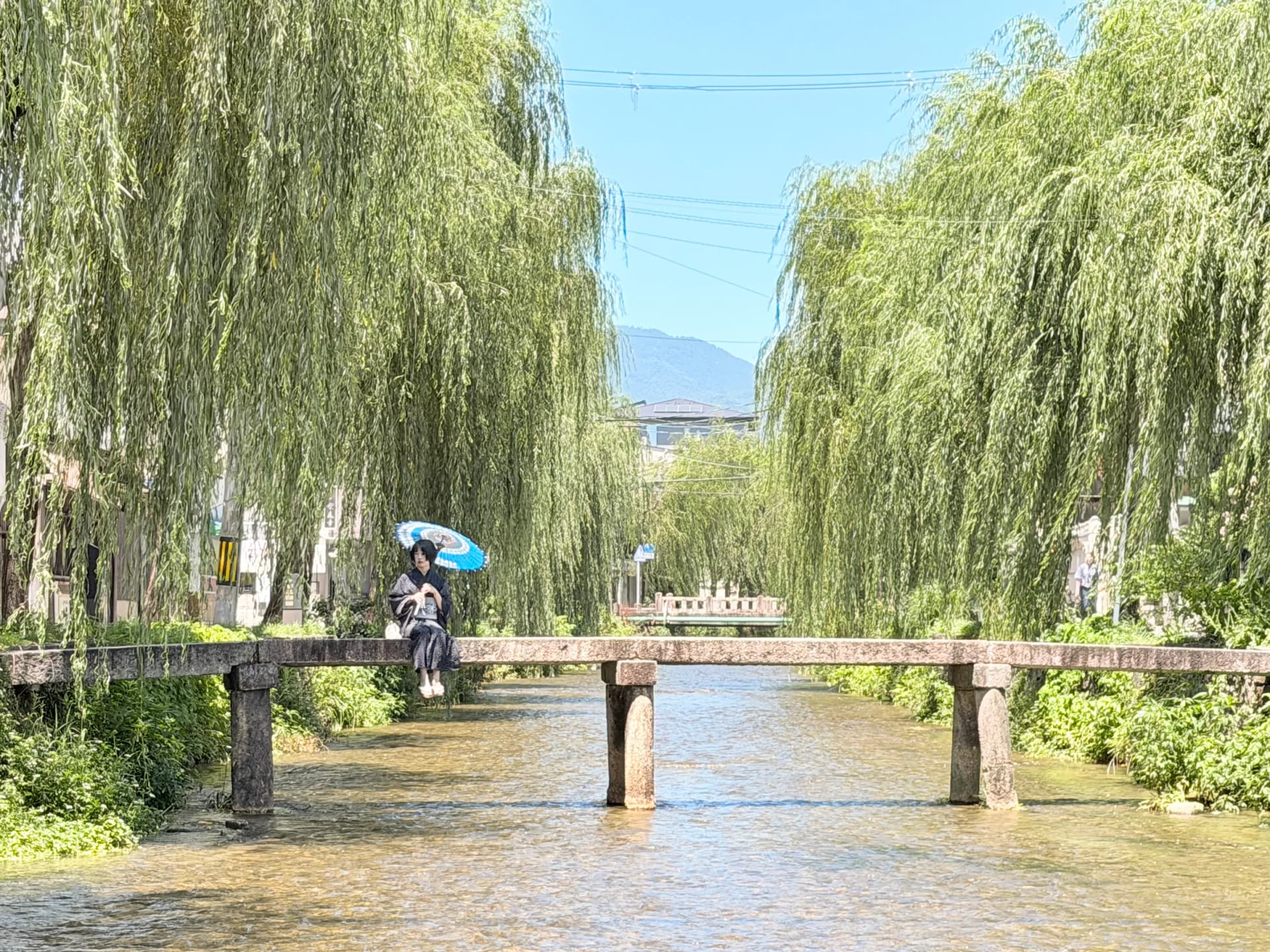
Skip the 206 Bus: Renting a bicycle or walking along the residential canals is much easier than fighting the crowds on main city bus routes.
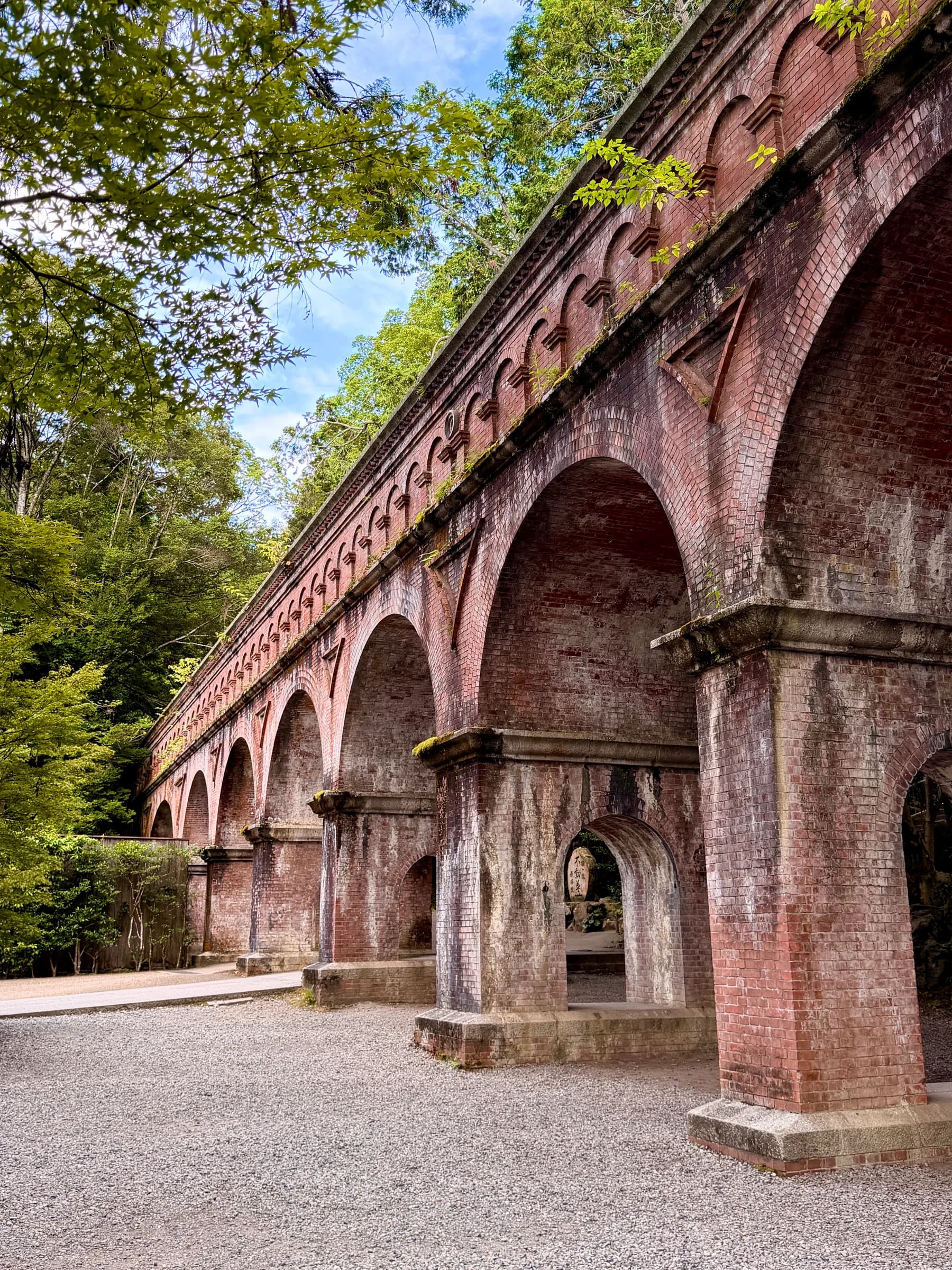
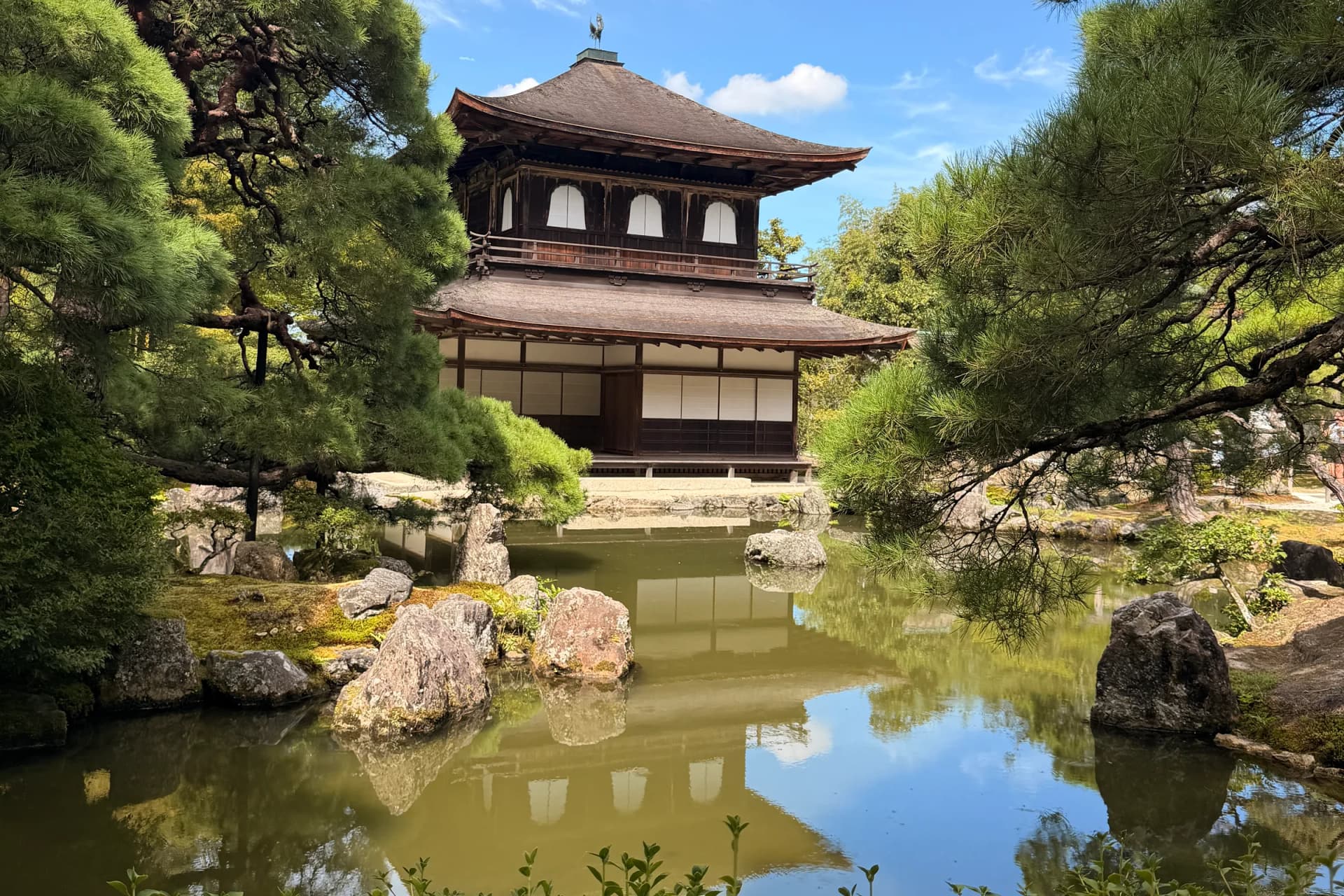
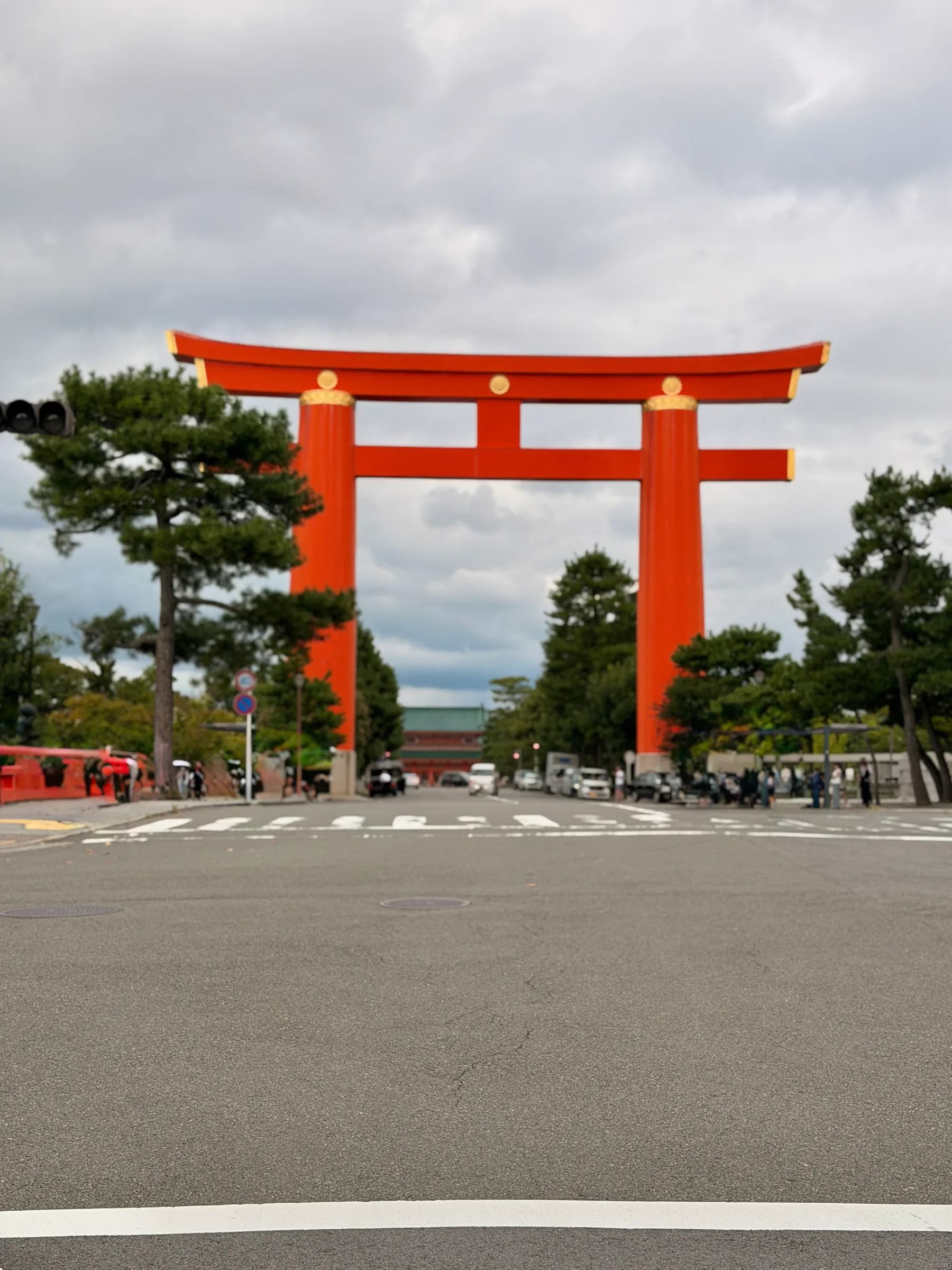
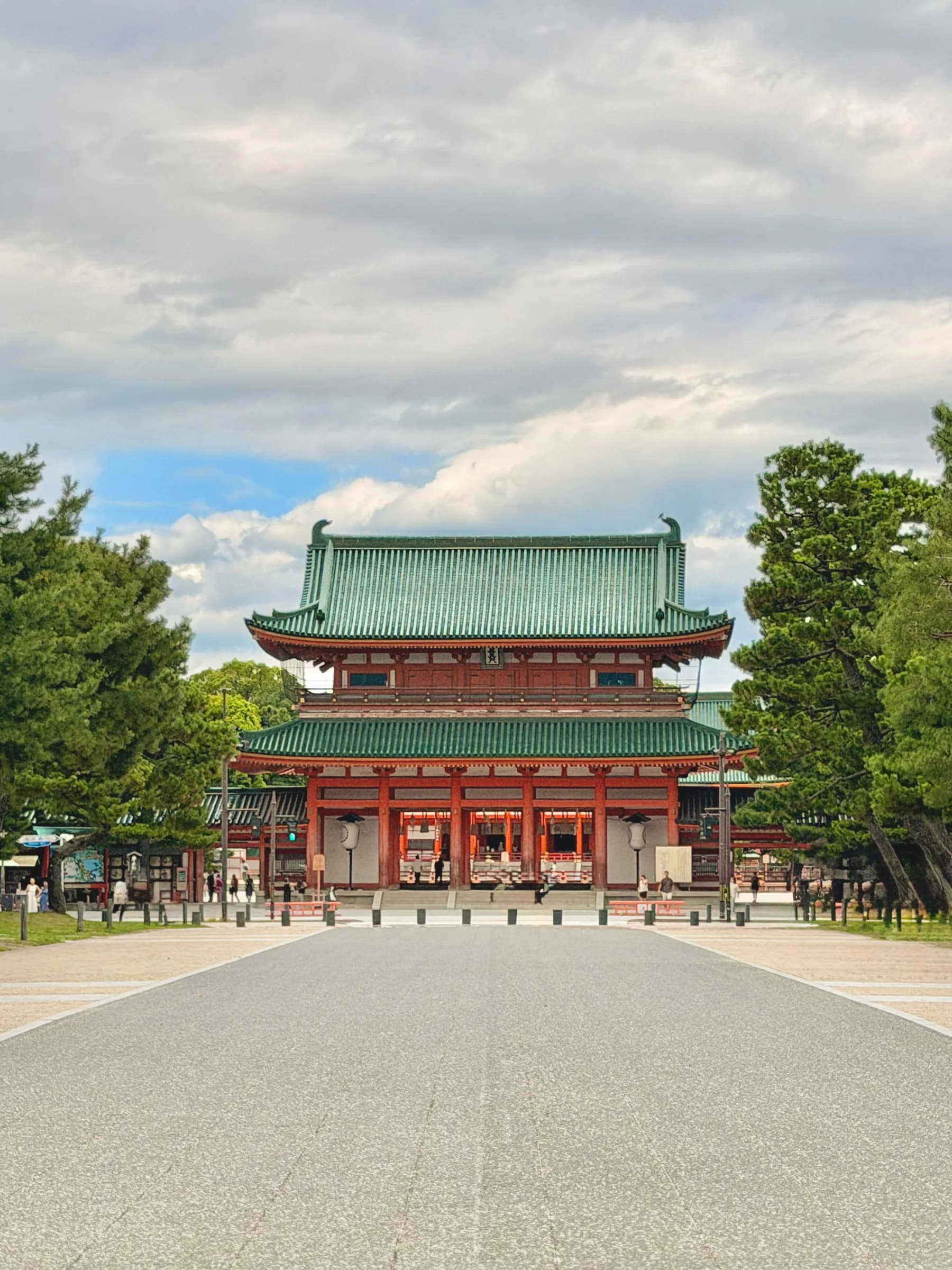
Combine Your Itinerary: Since Koun-ji sits right near the Higashiyama foothills, it’s easy to pair a private performance with a stroll through Nanzen-ji, a visit to Heian Jingu, or a broader exploration of the cultural Okazaki area.
Explore More Kyoto Culture: If you're exploring the Okazaki area, you can also check out the Lake Biwa Canal Museum nearby—and for a fun deep-dive into local history models, check out this blog post on where to see large-scale dioramas in Kyoto.
Support the Houses Directly: Private bookings at temples like Koun-ji give guests room to ask questions through an interpreter while making sure booking fees go straight to the apprentice houses.
To protect the privacy and identity of the maiko featured in this article, her name and facial features have been altered in the accompanying photographs.