The three unifiers of Japan and the men who crossed their paths
In the late 16th century, three successive military commanders pulled the country out of a century of civil war: Oda Nobunaga, Toyotomi Hideyoshi, and Tokugawa Ieyasu. Nobunaga broke rival armies by force, Hideyoshi took over to reorganize the land, and Ieyasu secured the ultimate prize by founding a shogunate that lasted until 1868. Two notable figures among many in their orbit were Akechi Mitsuhide, the general who betrayed Nobunaga, and Sanada Yukimura, who fought Ieyasu to the end before the walls of Osaka.
The cuckoo proverb and historical reality
A famous senryu poem neatly captures the distinct temperaments of the three warlords through their reaction to a hototogisu (Japanese cuckoo) that refuses to sing:
Nobunaga: "If the cuckoo doesn't sing, I kill it."
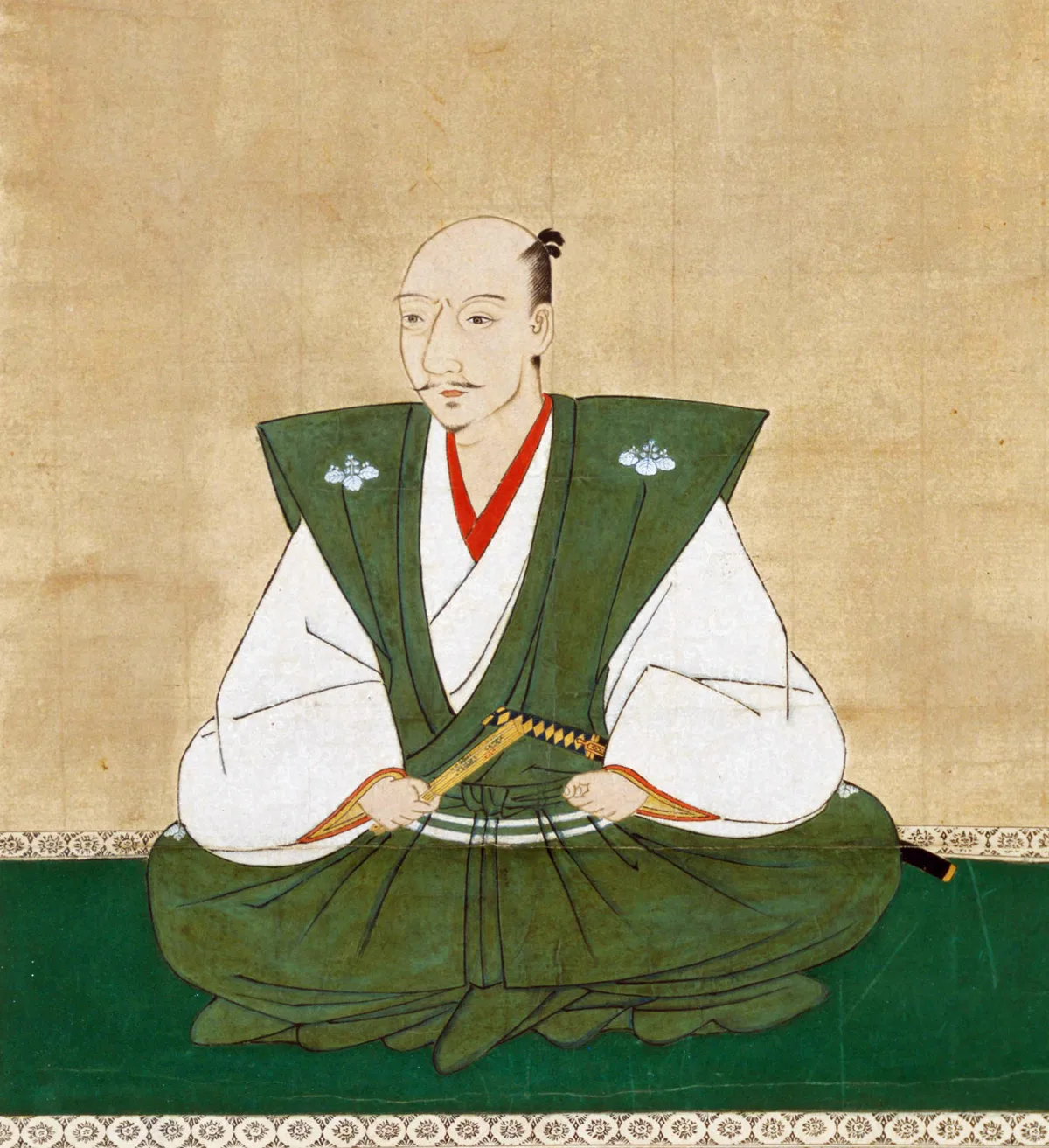
Hideyoshi: "If the cuckoo doesn't sing, I force it to sing."
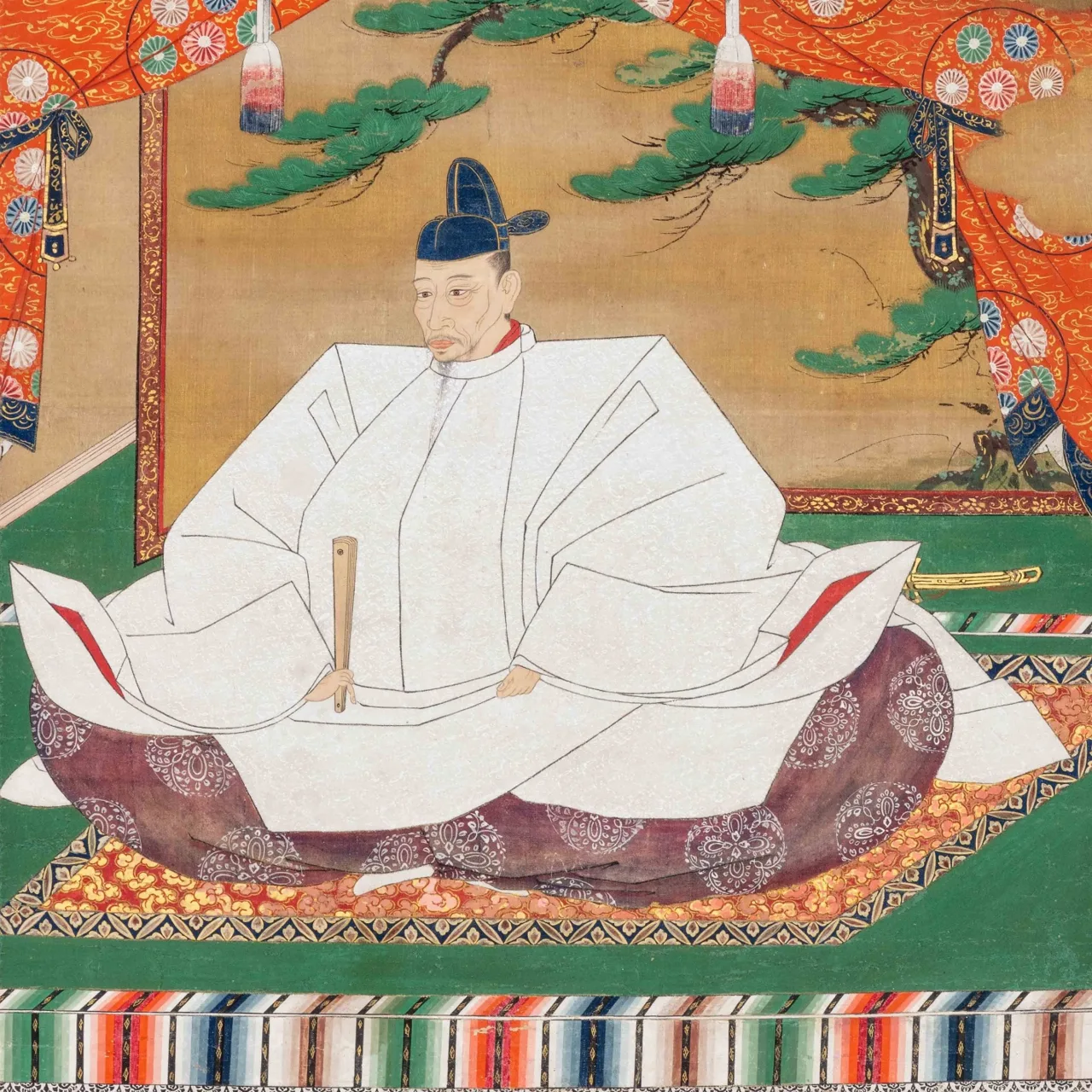
Ieyasu: "If the cuckoo doesn't sing, I wait until it sings."
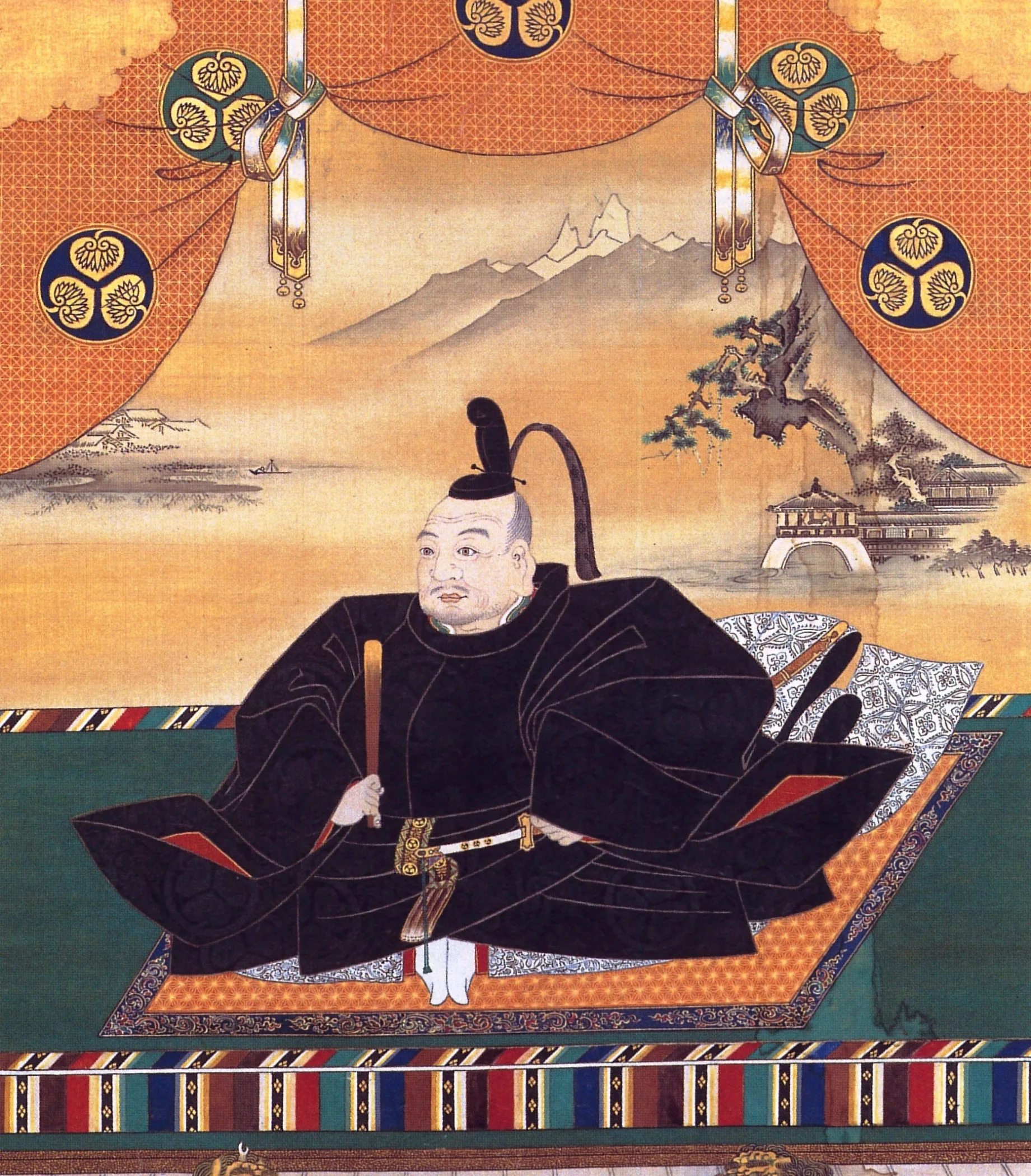
While this popular verse offers a vivid shortcut to their personalities, the physical landscape of Kyoto reveals a more nuanced story. Here on the ground, we see less of rigid tropes and more of ruthless pragmatists—tacticians who constantly reshaped their alliances, castles, and city plans to meet the urgent military demands of their time.
Tracking Oda Nobunaga from the original Honno-ji to Mount Funaoka
Nobunaga died in the flames of Honno-ji in June 1582, and his body was never recovered. Three very different spots across the city hold his memory today: a stone marker on a neighborhood curb, a cenotaph near a covered shopping arcade, and an official tomb inside a major Zen temple.
Where the Honno-ji incident actually happened
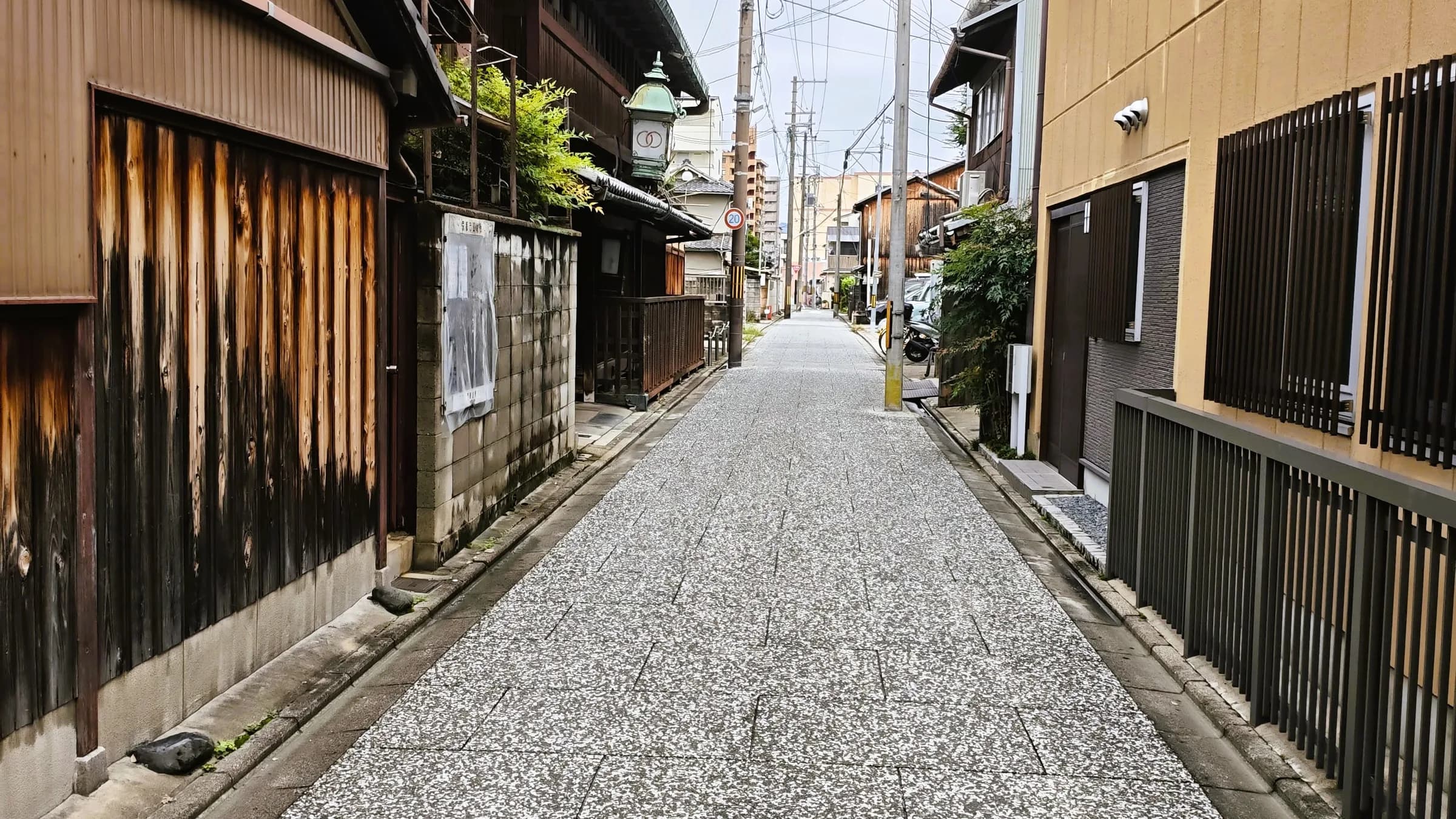
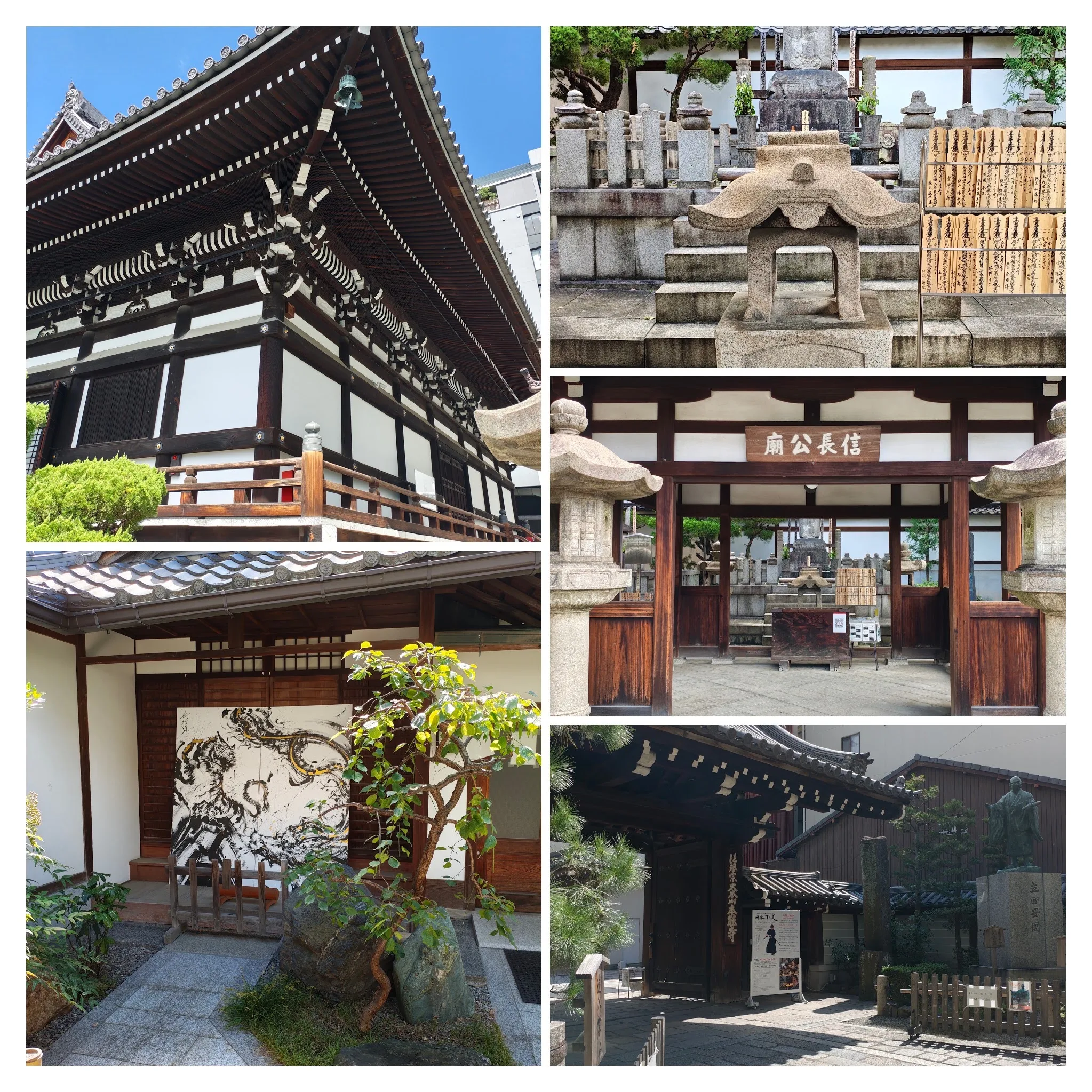
The Honno-ji temple you visit along the Teramachi shopping arcade has no connection to the 1582 attack. Hideyoshi moved the precinct ten years later to redraw the city streets. The original location is two kilometers west, in a quiet quarter of Nakagyo Ward at the corner of Tako-yakushi and Aburano-koji streets, five minutes by bicycle east of Nijo Castle.
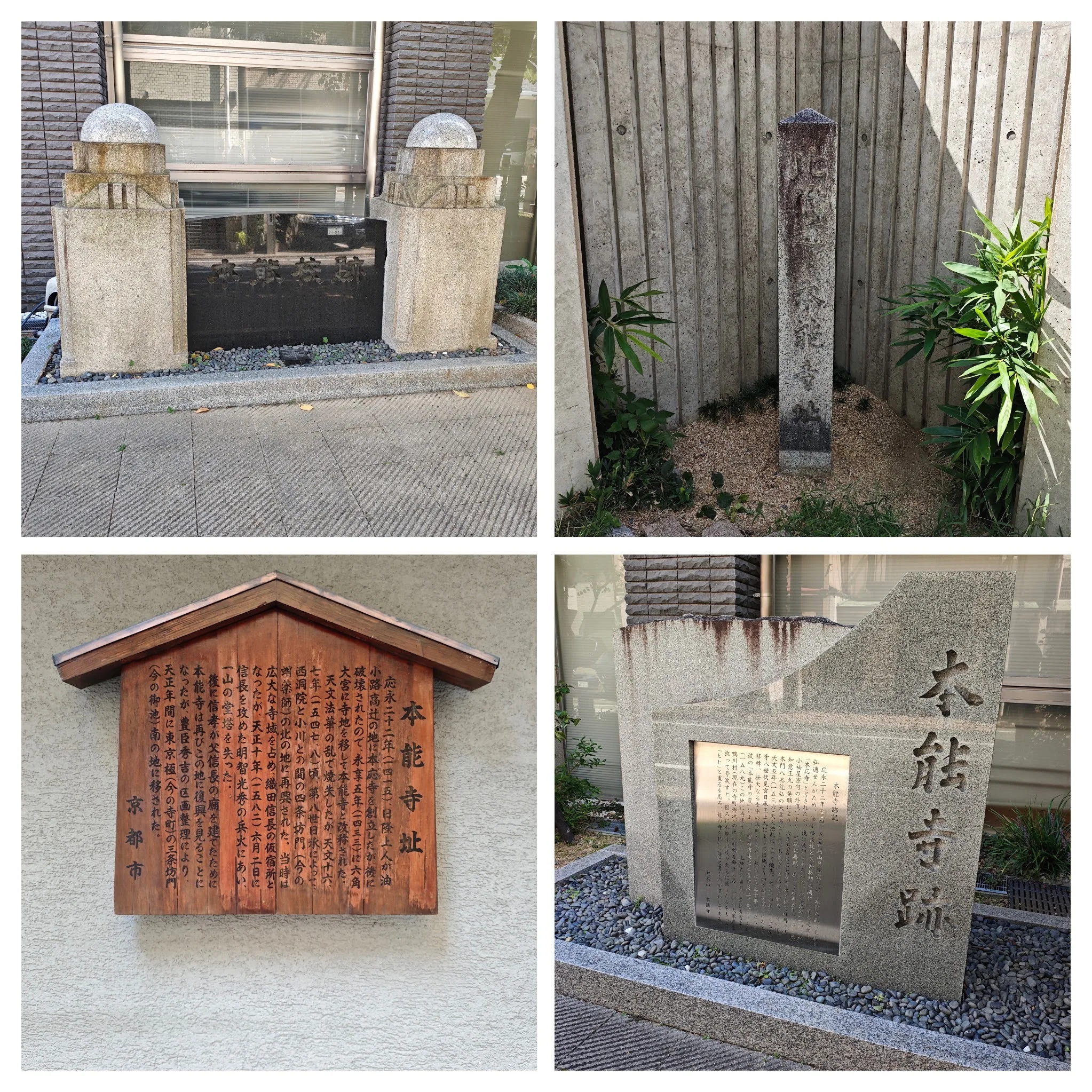
On site today, you'll find only a modest stone marker standing outside a neighborhood care facility. To see the official cenotaph and pay your respects with incense, head instead to the modern-day Honno-ji on Teramachi Street. Its quiet rear courtyard is free to visit and open daily from 6:00 AM to 5:00 PM.
Daitoku-ji and the shrine on Mount Funaoka
Nobunaga’s official cenotaph rests at Soken-in, a sub-temple within the vast Daitoku-ji complex in northern Kyoto. The main hall houses a wooden statue of the warlord, carved shortly after his death. Plan ahead, as Sōken-in opens its doors to the public for only a few weeks each year during special spring and autumn viewings.
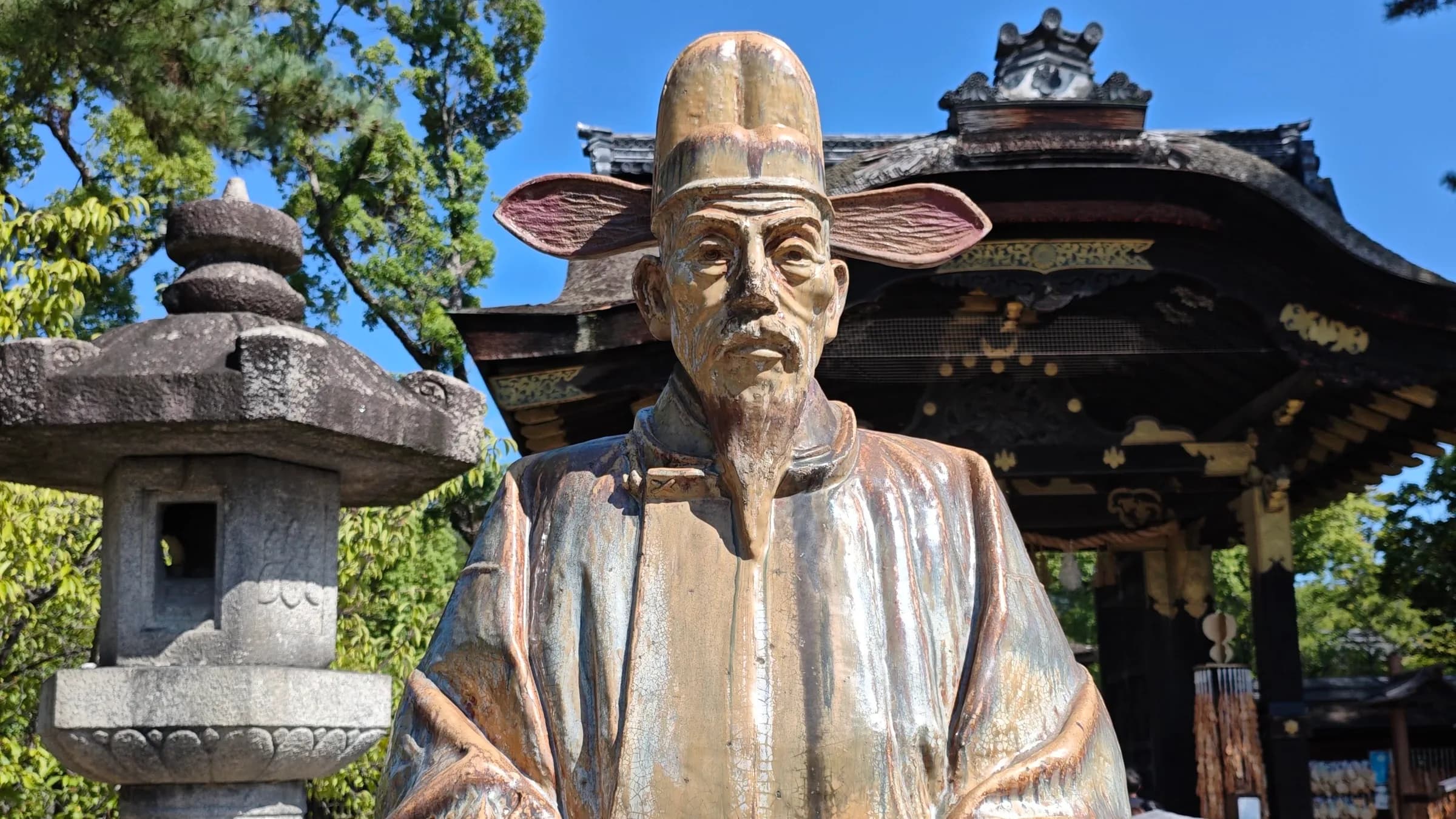
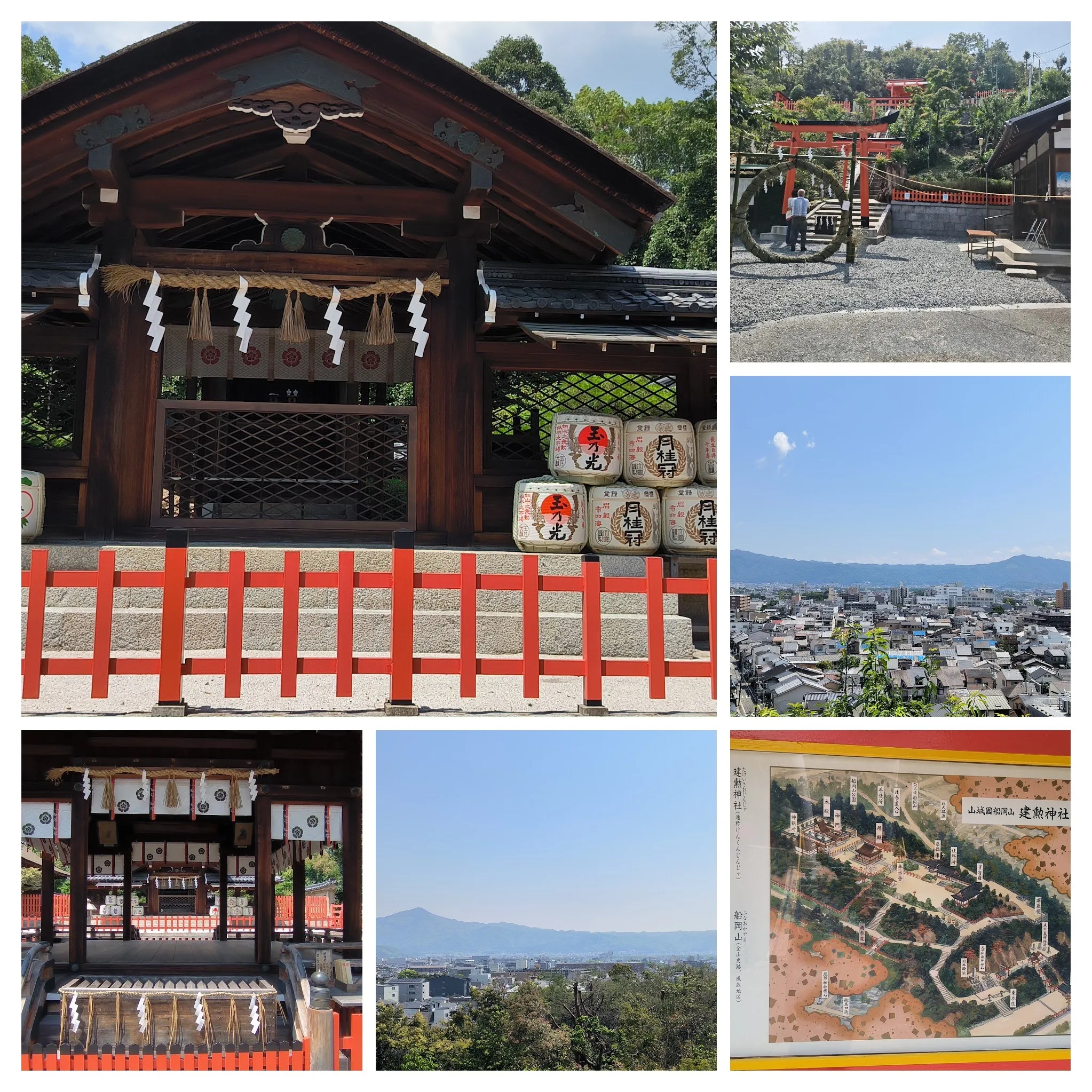
A ten-minute walk west leads to Kenkun-jinja, perched atop Mount Funaoka. Emperor Meiji had Nobunaga enshrined here as a kami (divinity) in the late 19th century. The climb up the stone steps is steep, but you are rewarded with sweeping views of northern Kyoto.

Akechi Mitsuhide and his quiet grave in Higashiyama
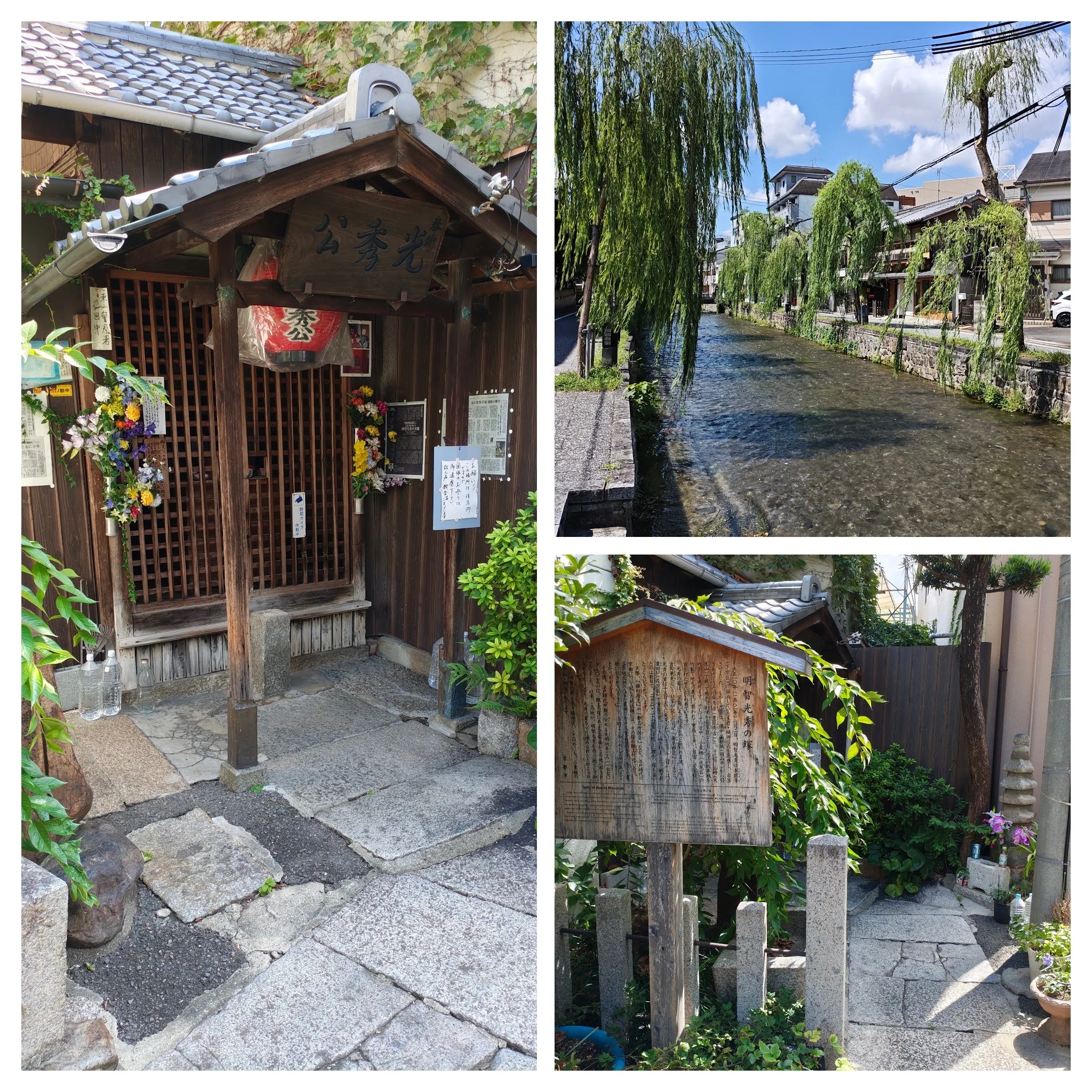
The burial mound for Akechi Mitsuhide, known as Akechi-zuka, sits in a narrow residential alley three minutes on foot from Higashiyama subway station. Following his rapid defeat by Hideyoshi, his retainers carried his severed head here to bury it away from public view. The stone marker sits fifty meters off Sanjo Street and the Shirakawa canal.
Neighbors and the sweet shop next door keep this small courtyard swept and supplied with fresh flowers. The shop sells red bean pastries stamped with the Mitsuhide family crest. Access to the monument is open at all hours of the day.
If you want to see where his thirteen days in power came to an end, take a train south to Fushimi. Another stone marker sits in the bamboo groves of Ogurusu, where local farmers fatally ambushed him with sharpened bamboo spears during his retreat.
Toyotomi Hideyoshi, clan rivalries, and the steps of Amidagamine
Hideyoshi left a deep imprint on Kyoto through massive construction projects and bitter rivalries. His official shrine is Toyokuni-jinja, right next to the Kyoto National Museum, but his true resting place is up in the woods. The details of these sites point to the mutual suspicion that divided his clan and Tokugawa Ieyasu.
The disputed inscription at Hoko-ji temple
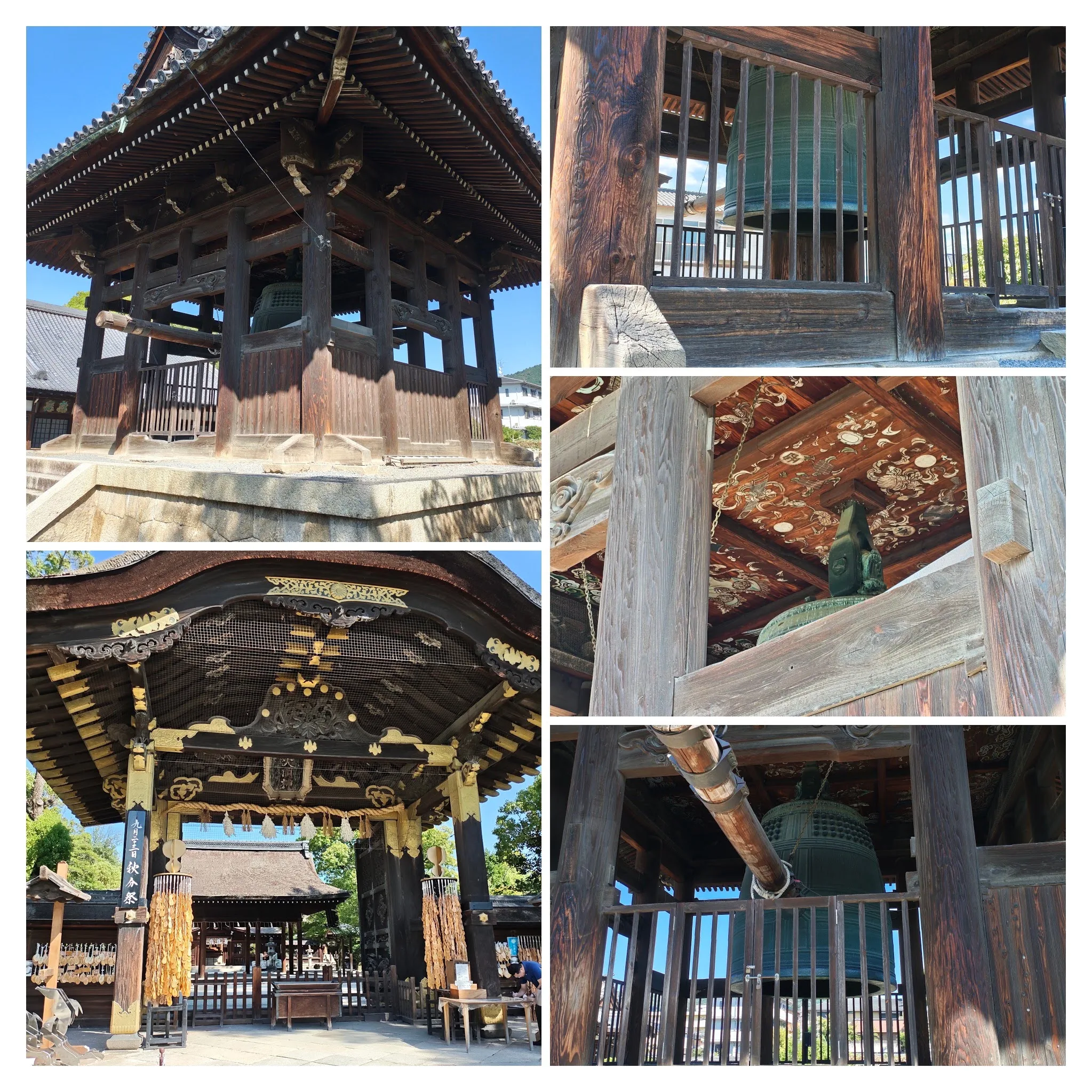
Right beside Toyokuni-jinja, Hoko-ji Temple houses a massive bronze bell cast in 1614 that triggered the downfall of the Toyotomi clan. Inscribed on its surface was the phrase Kokka Anko ("May the State Be Peaceful and Prosperous"), which split the two characters of Ieyasu’s name (Ie 家 and Yasu 康) with another character.
Tokugawa Ieyasu seized on this as a deliberate attempt to curse him and sever his line. Using the inscription as a casus belli, he launched the bloody Siege of Osaka Castle to eliminate Hideyoshi’s young heir and secure absolute rule over Japan.
The solitary climb to Hogon-byo mausoleum
Reaching Toyotomi Hideyoshi’s actual mausoleum requires a serene climb up 489 stone steps winding through the forested slopes of Mount Amidagamine, just behind Kyoto Women's University. At the summit, framed by towering cedars, a massive ten-meter granite stupa marks his final resting place. Be sure to drop two 100-yen coins into the wooden collection box at the foot of the staircase to help support the upkeep of the mountain trail.
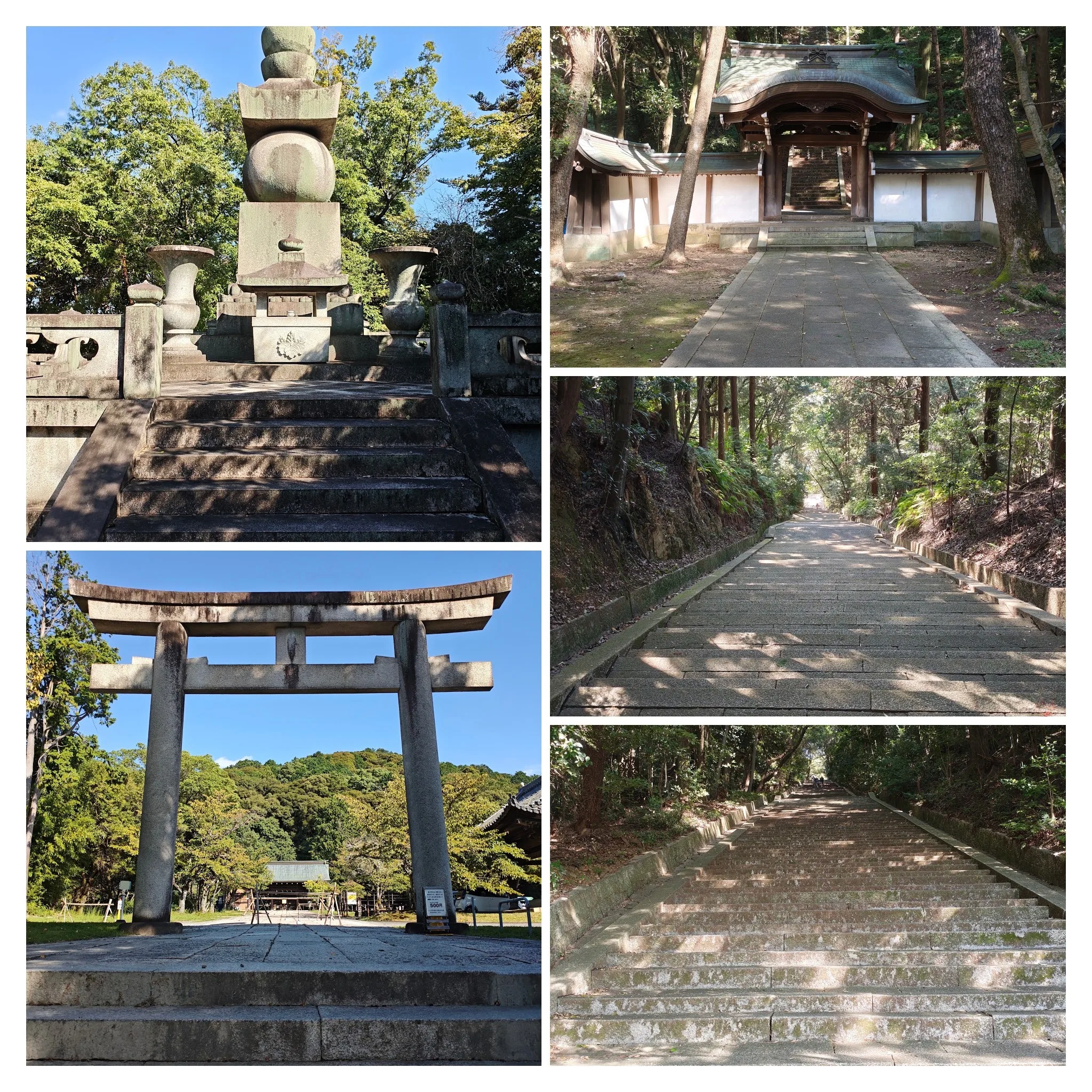
Further north in Higashiyama, Kodai-ji and Entoku-in preserve the memory of his wife Nene, who became a Buddhist nun after his death. Both temples hold period gold lacquerware and dry landscape gardens designed by Kobori Enshu.
Tokugawa Ieyasu, iron rule at Nijo Castle and Chion-in
Tokugawa Ieyasu established his presence in Kyoto with the calculated eye of a military commander. He raised massive stone walls and restructured key monasteries to keep a watchful eye on the imperial court. Both Nijo Castle and Chion-in were engineered as fortified bases, ready to crush any urban revolt at a moment's notice.
Nijo Castle (Nijo-jo): Commissioned in 1601, this stronghold houses Ninomaru Palace, where provincial lords once knelt in submission to the shogun. Its famous "nightingale floors" squeak underfoot thanks to specialized metal brackets beneath the wooden planks—an ingenious security system designed to betray night intruders. Admission to the palace and gardens is 1,300 yen.
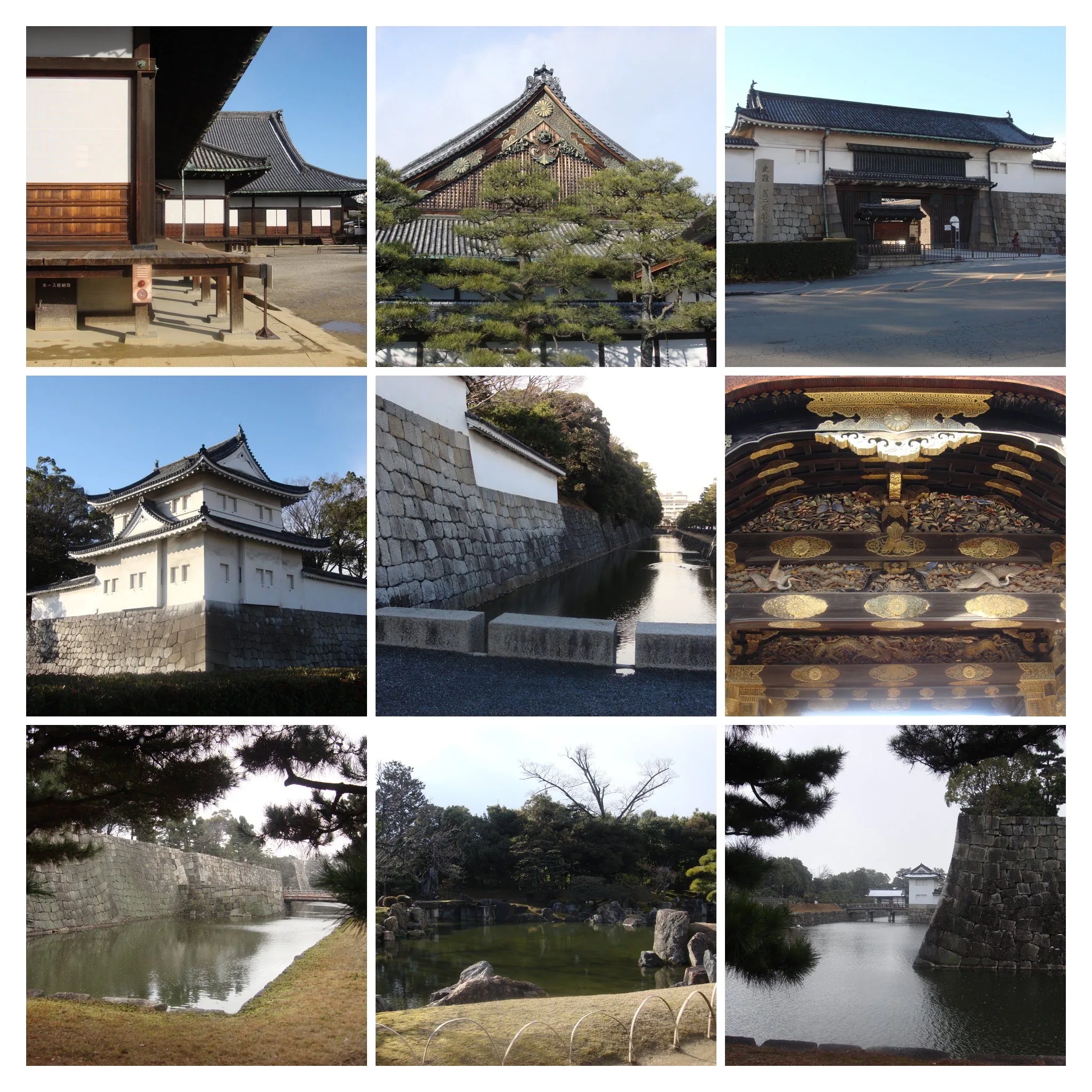
Chion-in Monastery: Set along the eastern foothills, this grand temple features massive stone terraces and perimeter walls thick enough to quarter an entire military garrison.
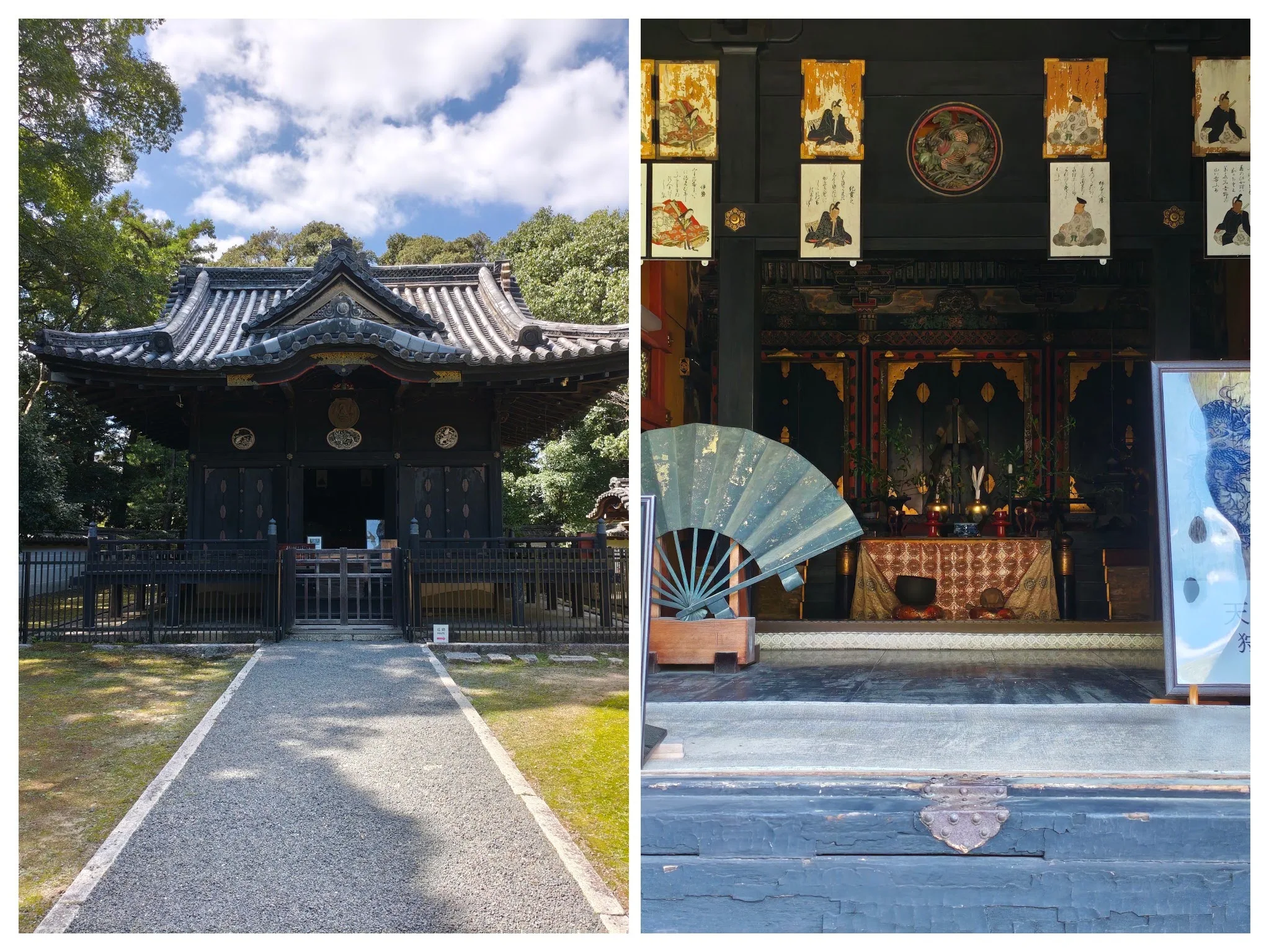
Kyoto Tosho-gu (Konchi-in): A short walk south inside Nanzen-ji's Konchi-in sub-temple lies Kyoto Tosho-gu, a shrine dedicated to the deified memory of Ieyasu, featuring a magnificent ceiling painted by Kanō Tan'yū.
Sanada Yukimura and his last stand outside Osaka
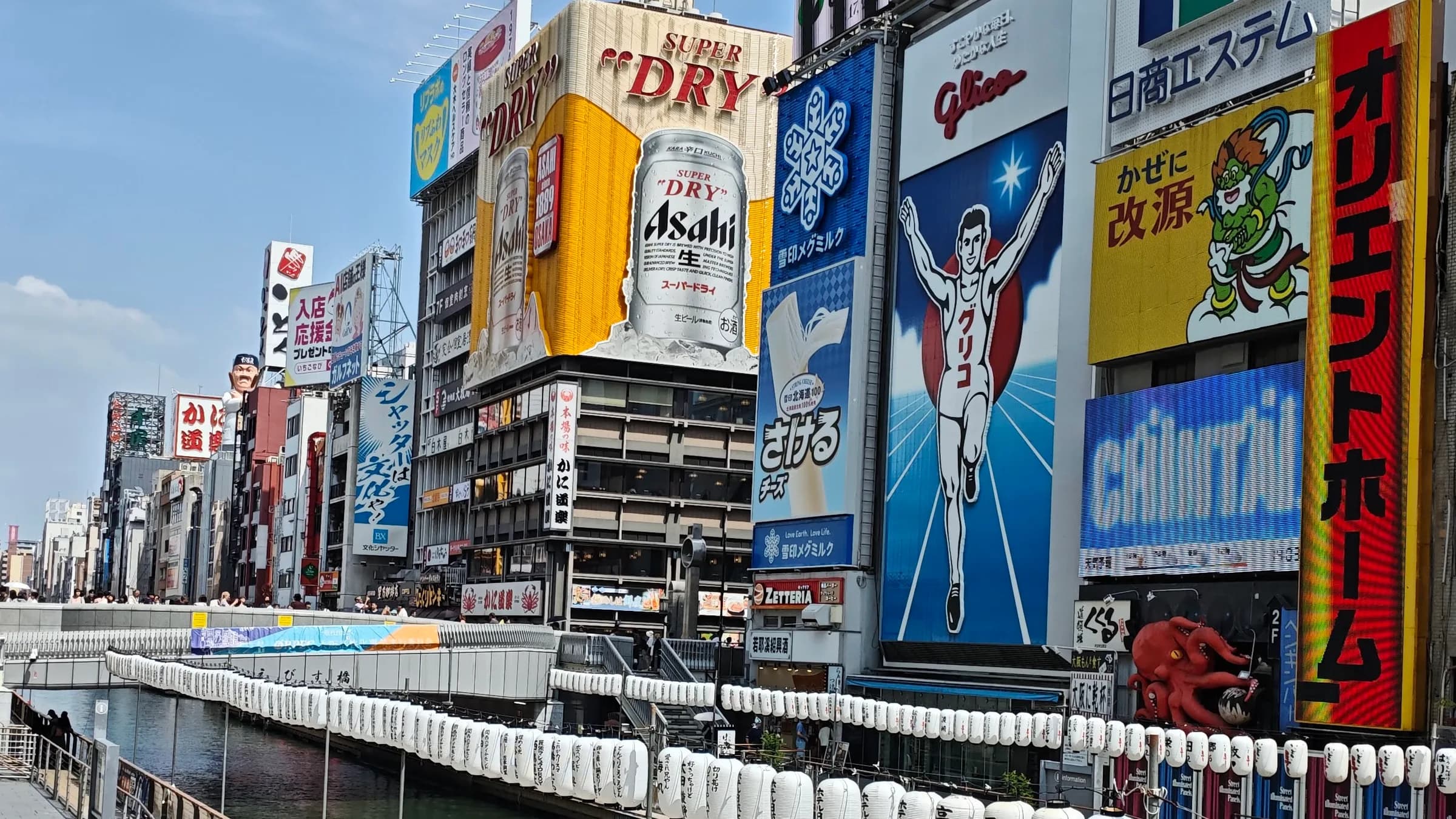
Sanada Yukimura: The Final Stand at Osaka Sanada Yukimura cemented his status as a military legend defending the Toyotomi clan during the Sieges of Osaka (1614–1615). Recalled from exile on Mount Kōya, he constructed the Sanada-maru, a formidable defensive barbican. Today, you can trace his final battles at two Osaka shrines, both an easy train ride from Kyoto.
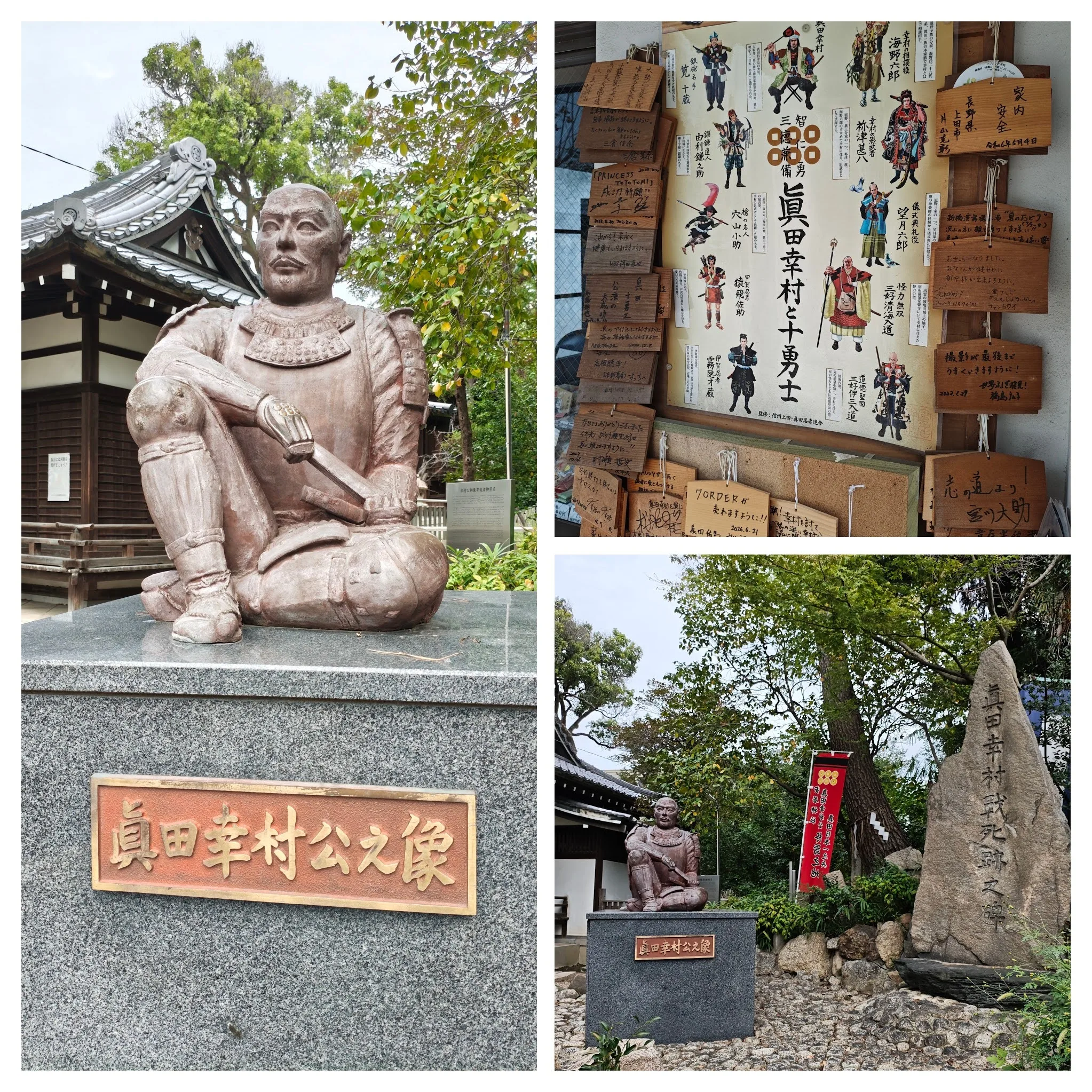
Sankō Shrine (Tamatsukuri): Built directly on the site of the Sanada-maru, this shrine features an armored statue of Yukimura and the arched entrance to a secret tunnel his troops used to launch surprise attacks. It is just a five-minute walk from JR Tamatsukuri Station.
Yasui Shrine (Tennoji): Located two train stops further south, this tranquil shrine marks where Yukimura died on June 4, 1615. Exhausted after a furious frontal charge that nearly cost Ieyasu his life, Yukimura rested beneath a pine tree before being overwhelmed by enemy forces. A stone memorial and a young pine tree commemorate his last stand in the courtyard.
Practical tips for exploring these sites on foot or by bike
To avoid wasting time in traffic, split your exploration into two distinct geographic zones. Kyoto's municipal buses often stall at major intersections and cannot navigate the narrow residential alleys where many of these memorial stones are hidden.
The Northern Loop (By Bicycle — Morning): Set out around 8:30 AM to beat the crowds. Ride north up Aburano-koji Street to see the original Honno-ji site, follow the moats of Nijo Castle, and pedal along the Horikawa River path toward Mount Funaoka and Daitoku-ji. The entire loop covers roughly eight kilometers of flat, easy riding, aside from the brief incline up Funaoka Park.
The Eastern Slope (On Foot — Afternoon): Leave the bike behind and explore Higashiyama on foot after lunch. Take the subway to Higashiyama Station to visit Akechi Mitsuhide’s grave, then walk south through Maruyama Park, Kodai-ji, and down to Toyokuni-jinja. Aim to start the 489-step climb up Mount Amidagamine around 4:00 PM, just as the late afternoon light filters through the cedar trees.