Why scale models help you understand Kyoto's layout
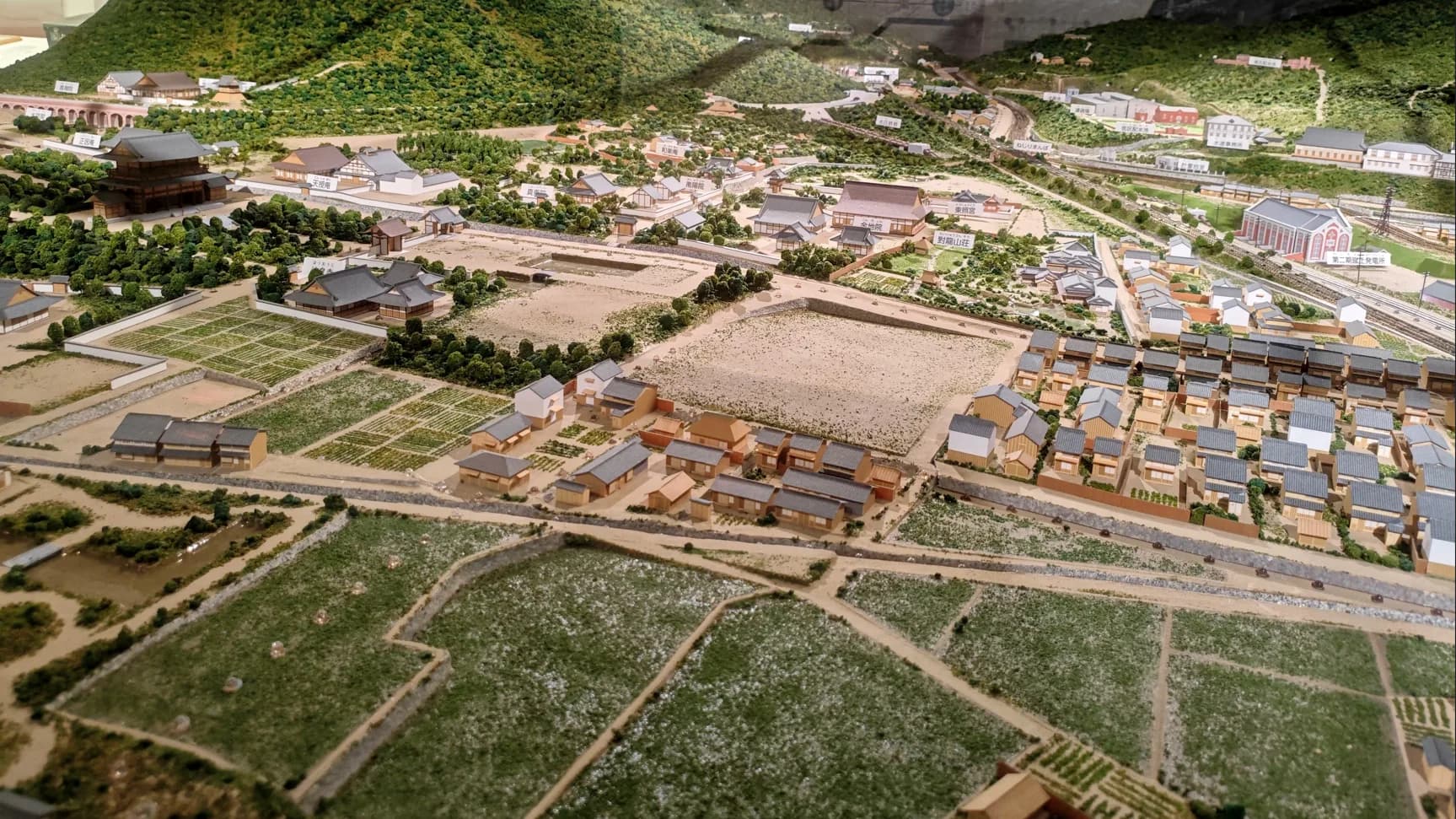
When you walk around Kyoto, the layout can feel confusing until you realize it was built as a giant grid. Emperor Kanmu laid out the capital, then called Heian-kyo, in 794 AD using the Chinese capital of Chang'an as his blueprint. Looking at a scale model lets you see the whole grid at once, making it much easier to connect today's streets with the original 8th century plan.
These exhibits also double as great escape spots when summer hits 35°C or a rainstorm rolls over the mountains. I often tell guests to check out a physical model early in their trip. Once you have that 3D map in your head, reading local street signs and finding canal paths becomes second nature.
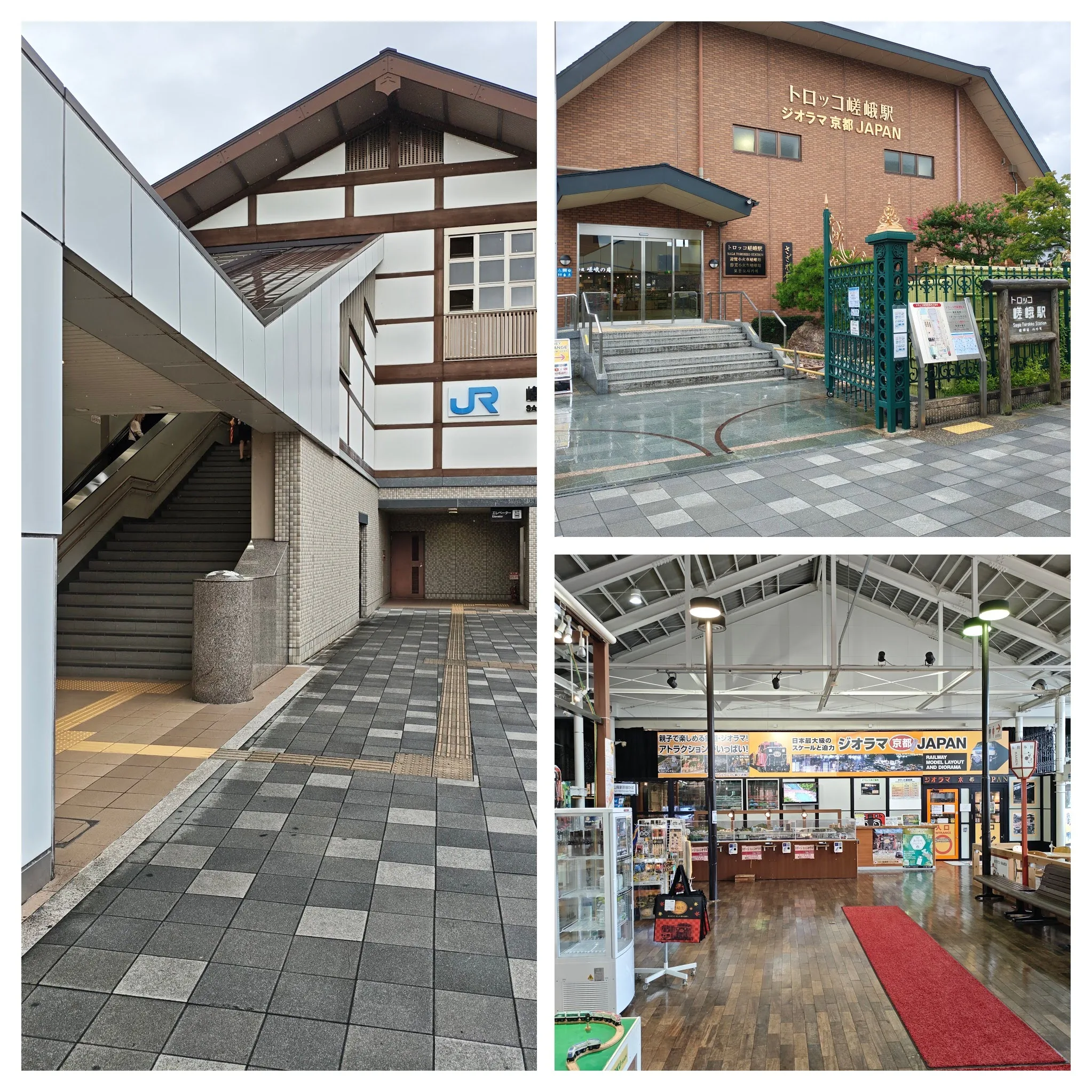
Diorama Kyoto JAPAN at Saga-Torokko Station
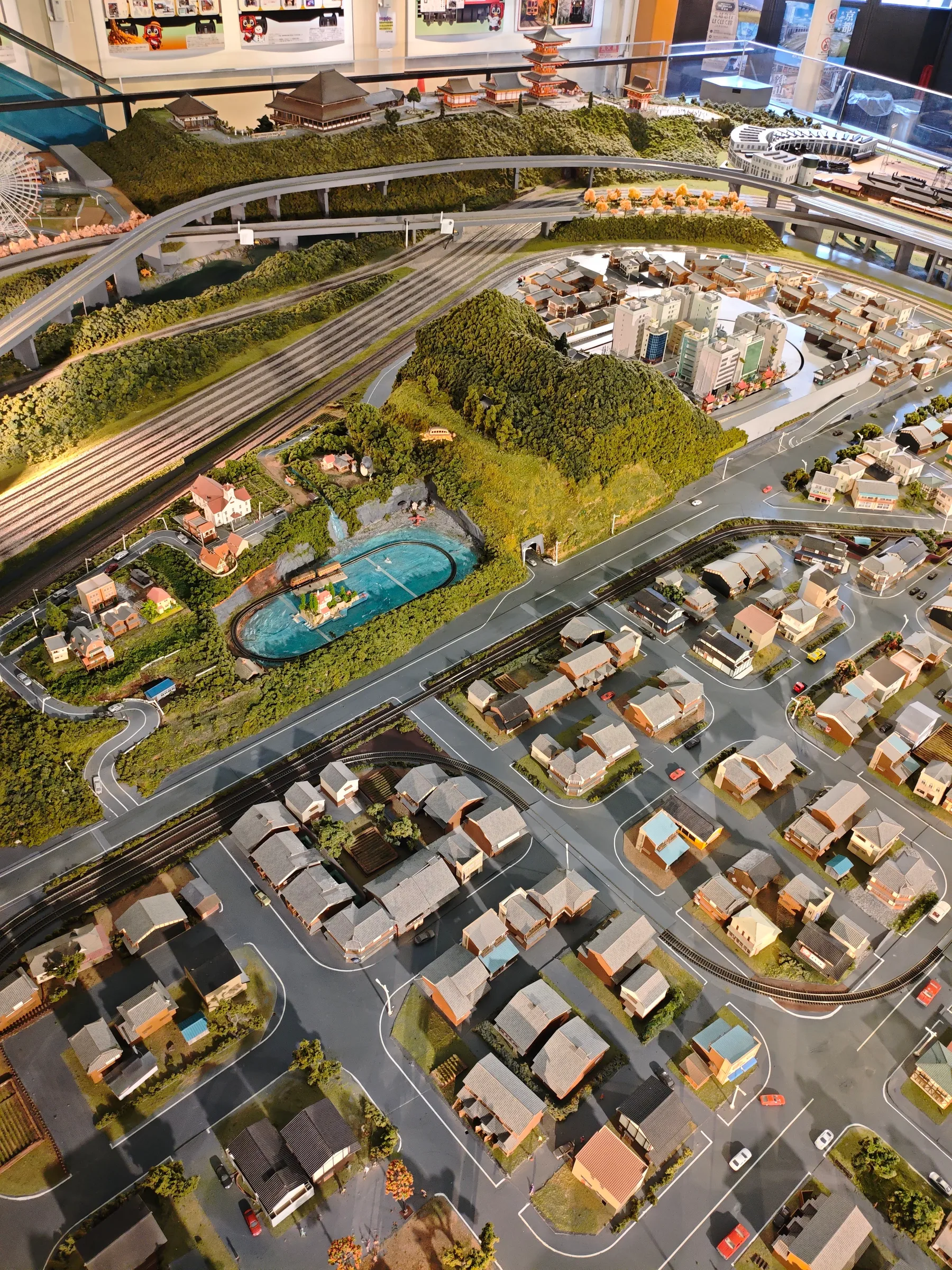
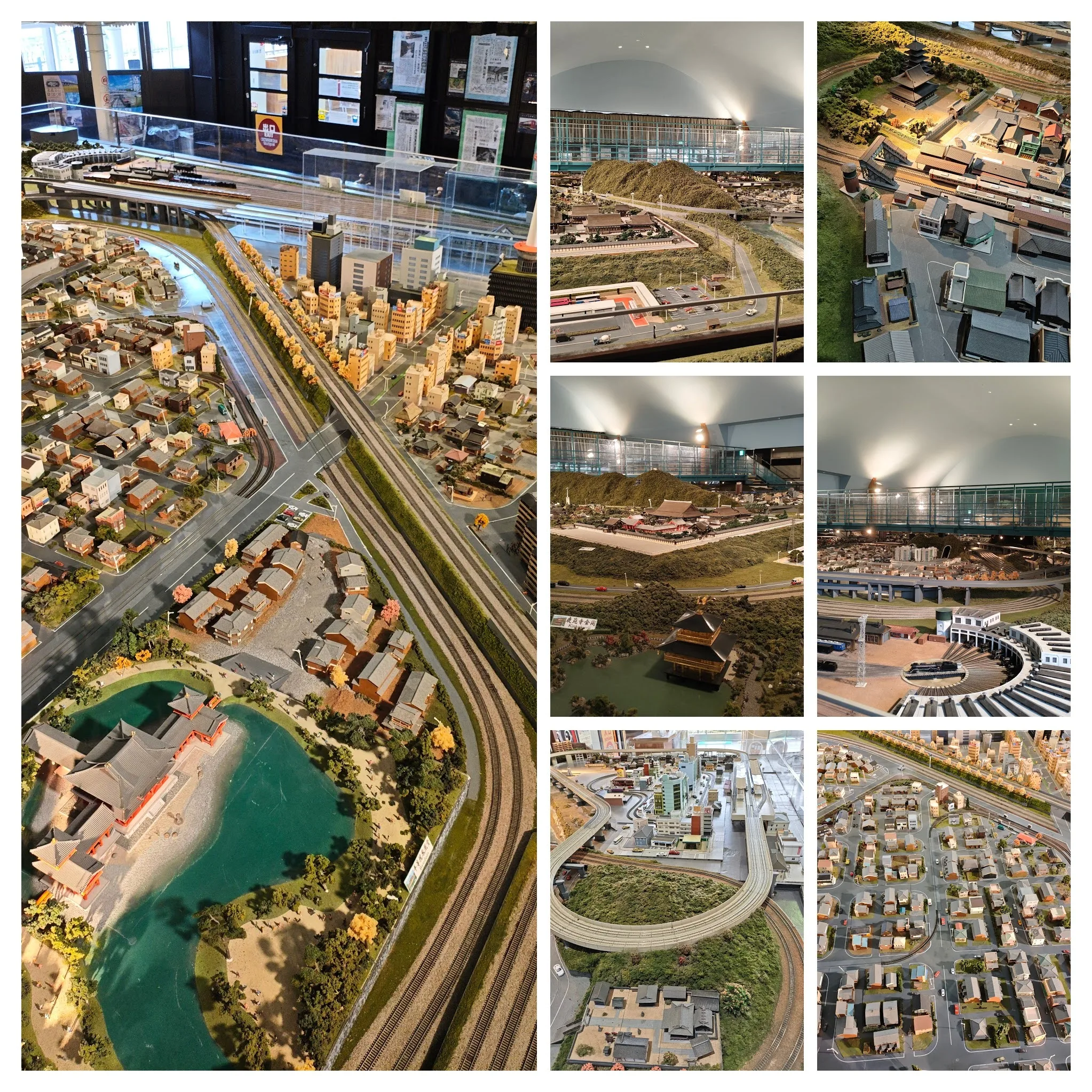
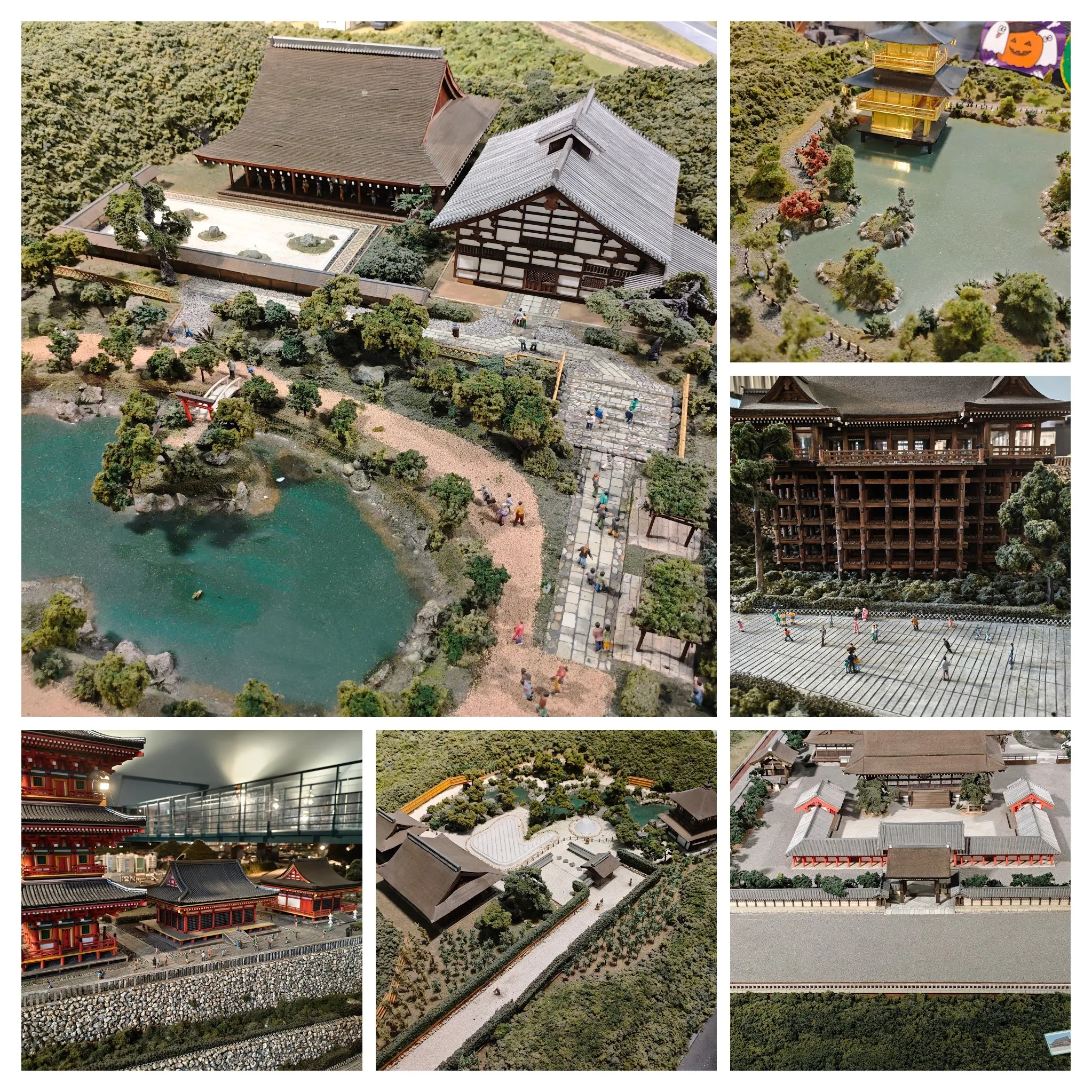
The largest train diorama in Kyoto sits right inside Torokko Saga Station out in Arashiyama. It covers 285 square meters, with HO-scale* model trains running past detailed replicas of local temples. My only wish is that they had poured some love into Kyoto Station -it's an architectural marvel in real life, but here it's rendered as a simple transparent rectangular box designed to show off the trains inside, along with Kyoto Tower and its surrounding buildings right behind it.
*HO scale (1:87) is the world's most popular model train size, where everything is scaled down to 1/87th of its real-world dimensions—meaning a 6-foot person (1.83 metres) is about three-quarters of an inch tall (1.9 centimetres).
To get there, take the JR Sagano Line from Kyoto Station to Saga-Arashiyama Station, it takes about 17 minutes. Adult admission is 530 yen, but if you hold a ticket for the Sagano Scenic Railway, the price drops to 430 yen.
Interactive train driving controls
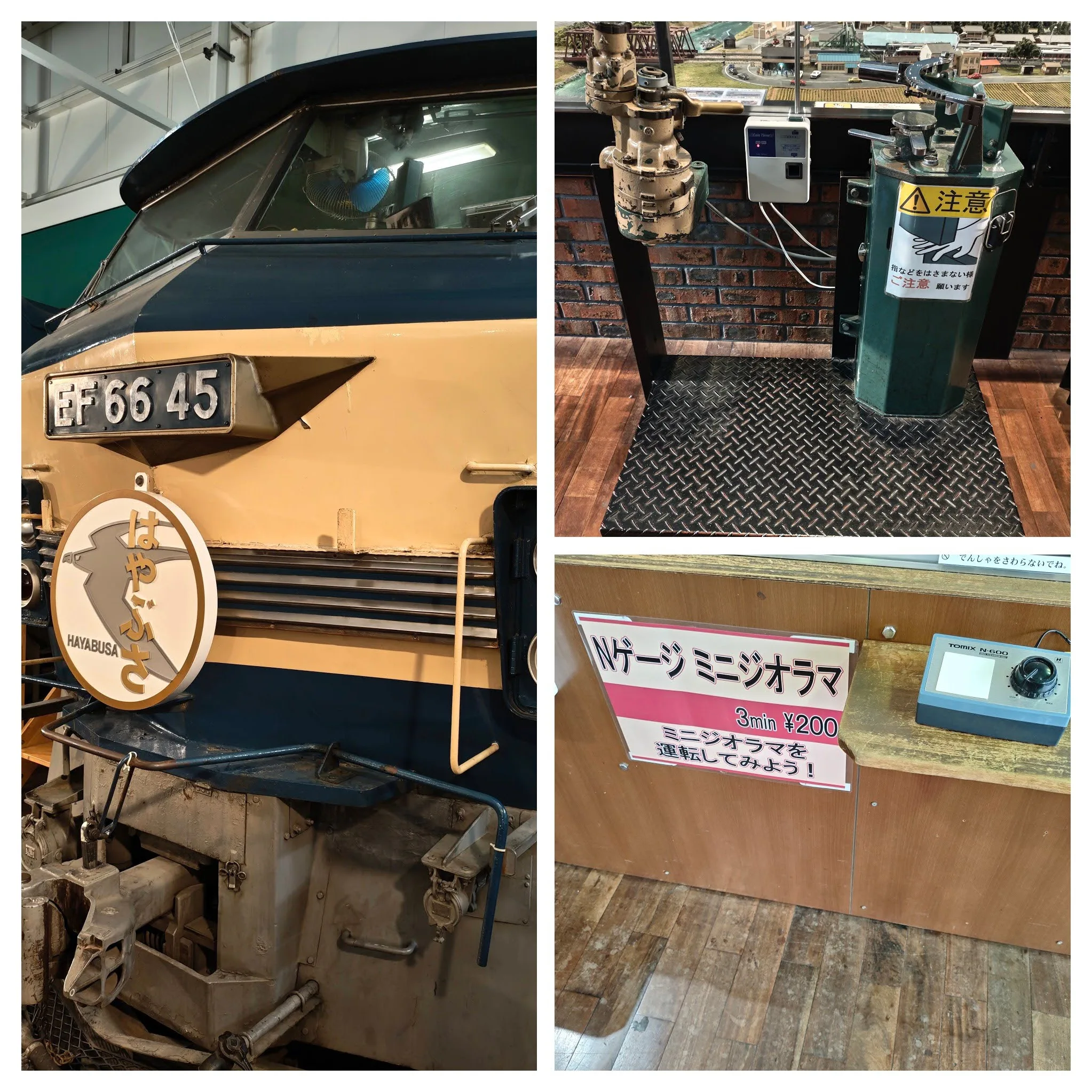
In my eyes, this is the kid-friendliest diorama of the bunch. Your little ones can amuse themselves spotting famous landmarks across Kyoto Prefecture, including impressive renditions of the Imperial Palace and Byodo-in Temple. For an additional fee, you can even drive the model trains yourself using controls set inside real locomotive cabs built around the edges of the room. Tiny cameras on the front of the trains feed live video to screens in the cab, letting you see exactly what a driver sees as you pass mini versions of Kinkaku-ji and Kiyomizu-dera.
Planetarium lighting and opening hours
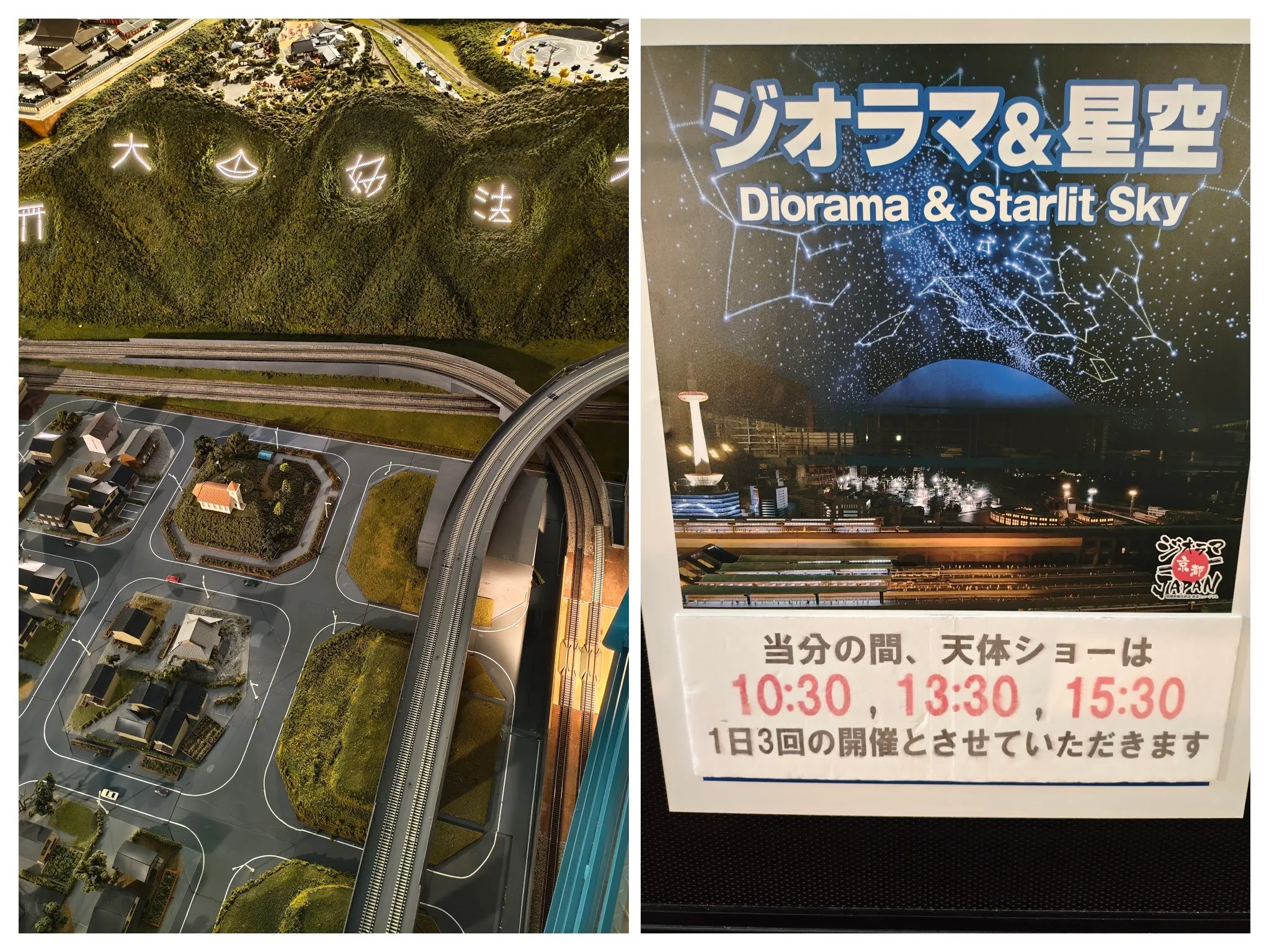
At the time of writing, there are three timed shows during the day (10:30 AM, 1:30 PM, and 3:30 PM) where the lights in the hall dim to reveal a starry night sky, illuminating the scale models from within.
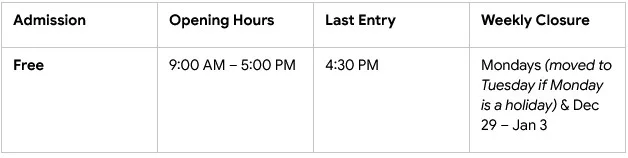
A personal highlight is the reproduction of Gozan no Okuribi: the diorama mirrors the famous ritual bonfires in the shape of kanji and symbols that blaze across the city's mountains to mark the end of the O-Bon season. They are open from 9:00 AM to 5:00 PM, which fits easily into a morning or afternoon wandering around Arashiyama.
More info at the Sagano Scenic Railway website: https://www.sagano-kanko.co.jp/en/spot/29/

The railway layout at Kyoto Railway Museum
While the Arashiyama diorama focuses on local Kyoto landmarks, the layout at the Kyoto Railway Museum showcases Japan's national network on a grander scale. Spanning 30 meters wide inside Umekoji Park, the museum is just a two-minute walk from JR Umekoji-Kyotonishi Station.
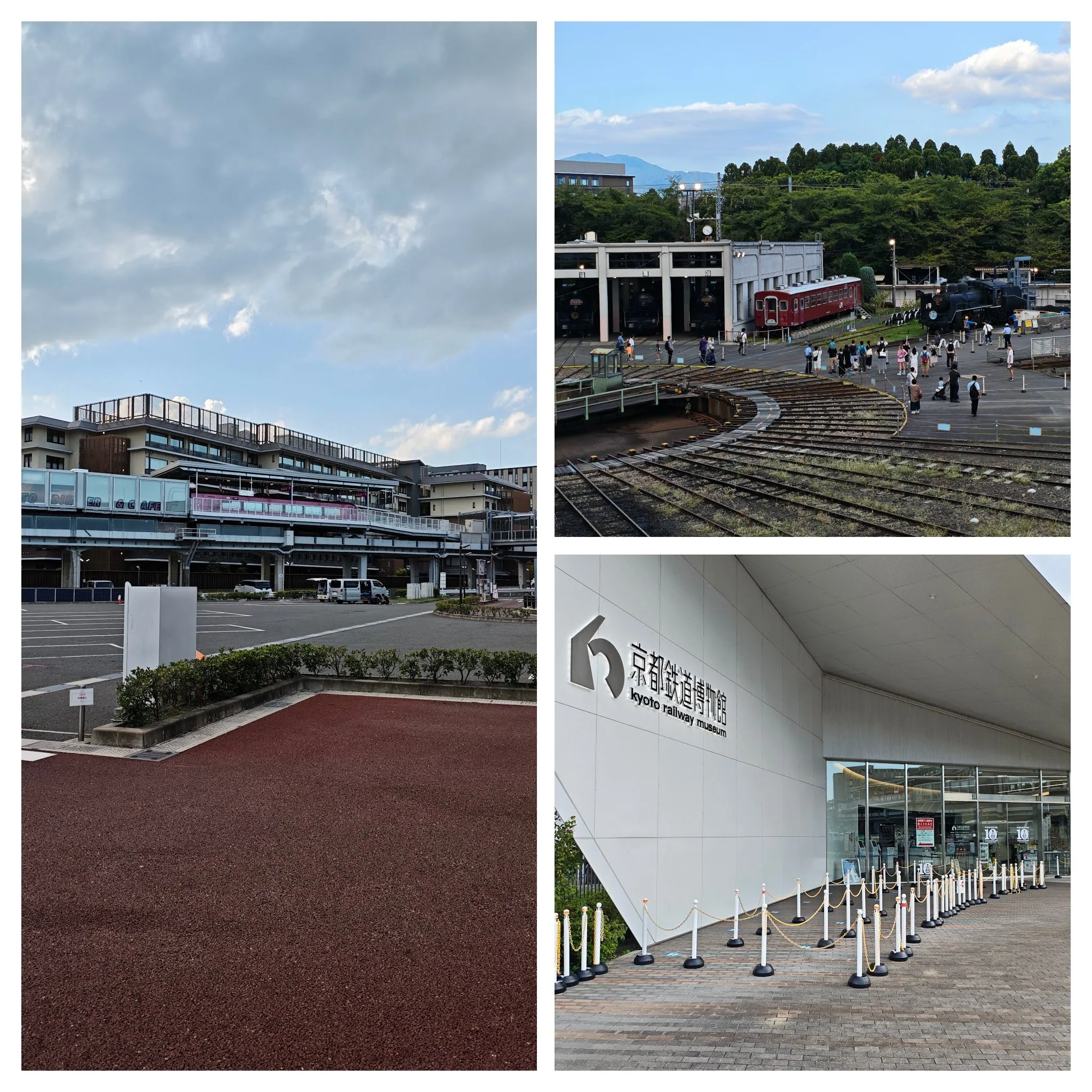
Throughout the day, staff run 15-minute scheduled demonstrations operating freight trains, local lines, and bullet trains across a massive 1/80 scale model. Kids will definitely appreciate the show with its dynamic lighting effects and non-stop movement. Speaking of which, if you're a train enthusiast, here's your chance to spot the legendary Doctor Yellow: the famous diagnostic train that is being fully phased out by January 2027!
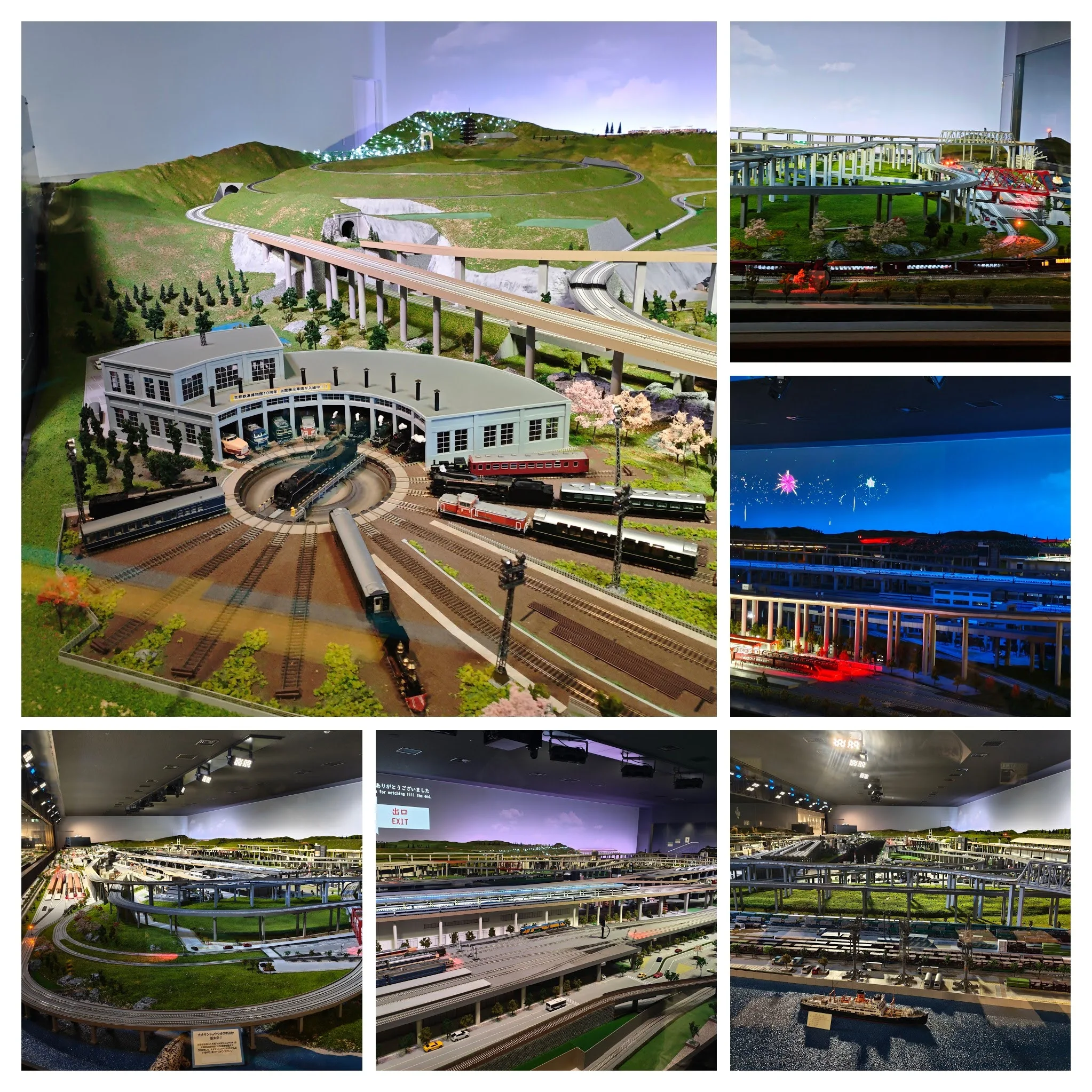
Adult tickets cost 1,500 yen. That gives you access to the full museum, including 53 real train cars and an original 1914 wooden roundhouse with a working turntable.
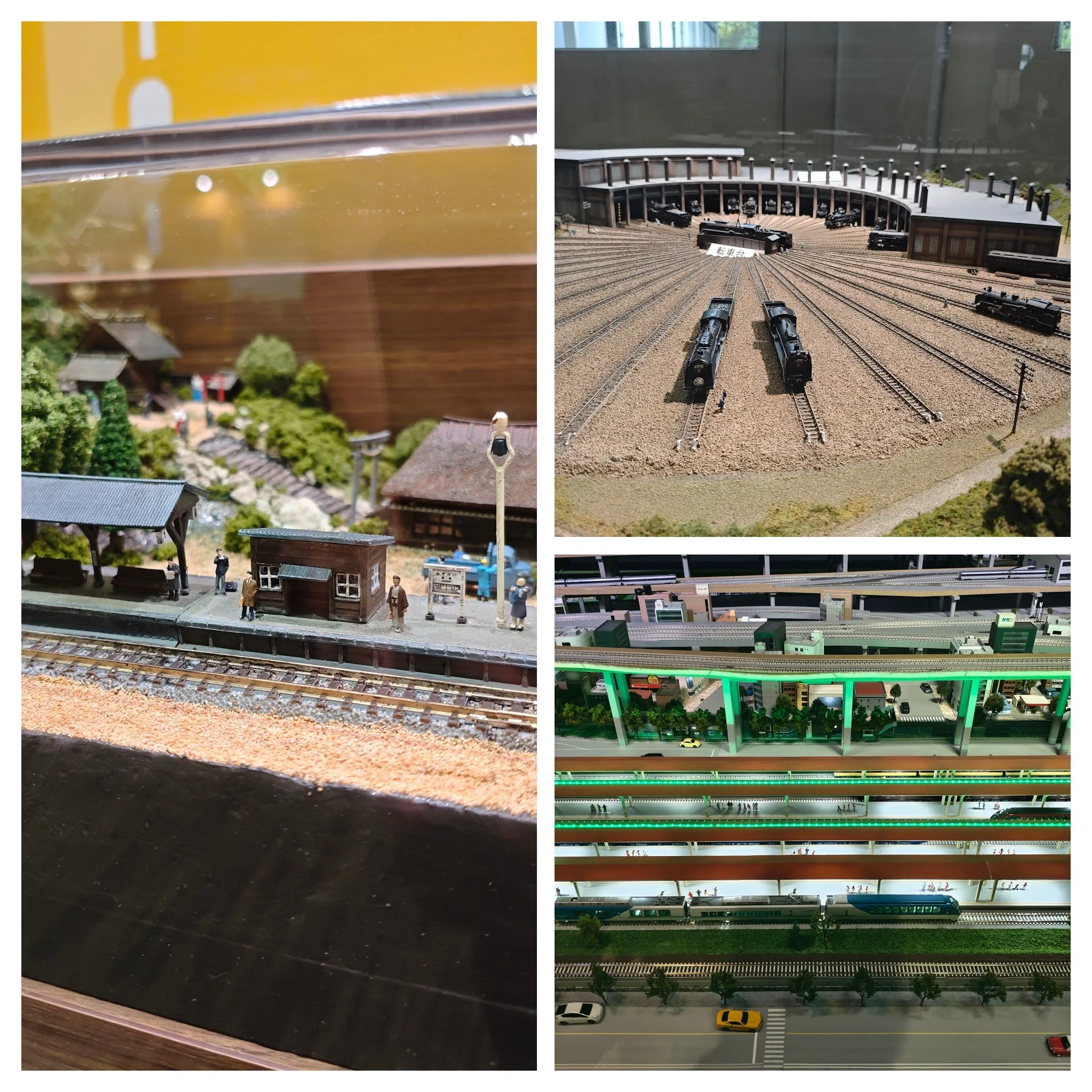
While I focused on the diorama, the Kyoto Railway Museum is packed with incredible exhibits, from historic steam locomotives you can board to hands-on train driving simulators. I highly encourage taking the time to explore every corner of the museum as there is so much more in store beyond the scale models.
More details at the official website: https://www.kyotorailwaymuseum.jp/en/
Heian-kyo Soseikan Museum
Entry to the Heian-kyo Soseikan Museum is completely free. Located on the first floor of the Kyoto ASNY building, right next to the Kyoto City Central Library. Its centerpiece is a detailed 1/1000 scale model of ancient 8th-century Kyoto. You can reach the museum easily via city bus 93 or 202, or by taking a 15-minute walk from JR Nijo Station.
Beyond the diorama, the museum offers rich historical exhibits on the city's Heian period, alongside a popular hands-on section where visitors can try on traditional period costumes.
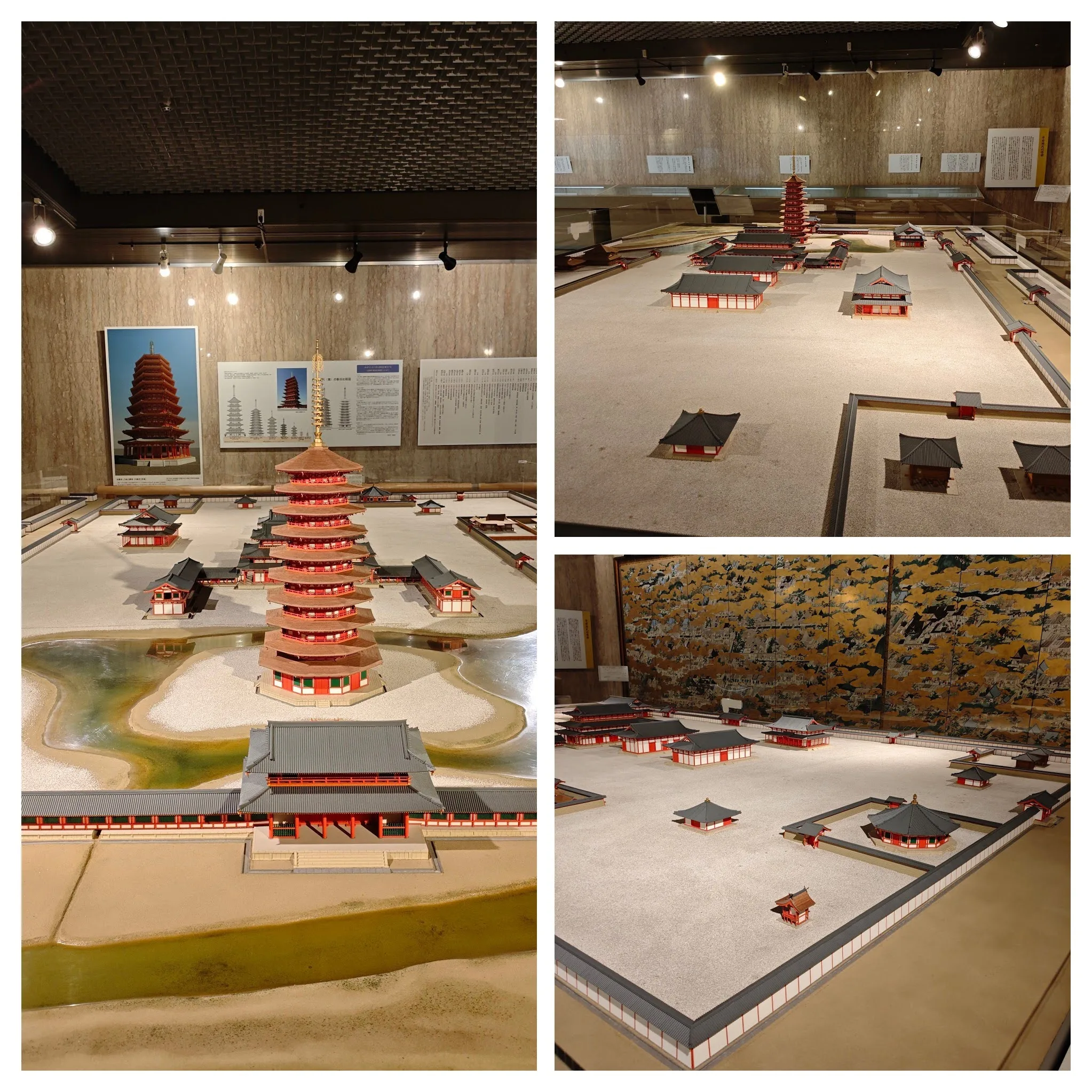
This impressive scale model of the ancient capital spans 11 meters by 10. What struck me most when looking at it was how clearly it reveals the grand scale of Suzaku Avenue sweeping directly toward the Imperial Palace—a truly breathtaking sight that puts the sheer size of the original grid plan into perspective. Be sure to use the free Uni-Voice app to access English audio commentary during your visit.
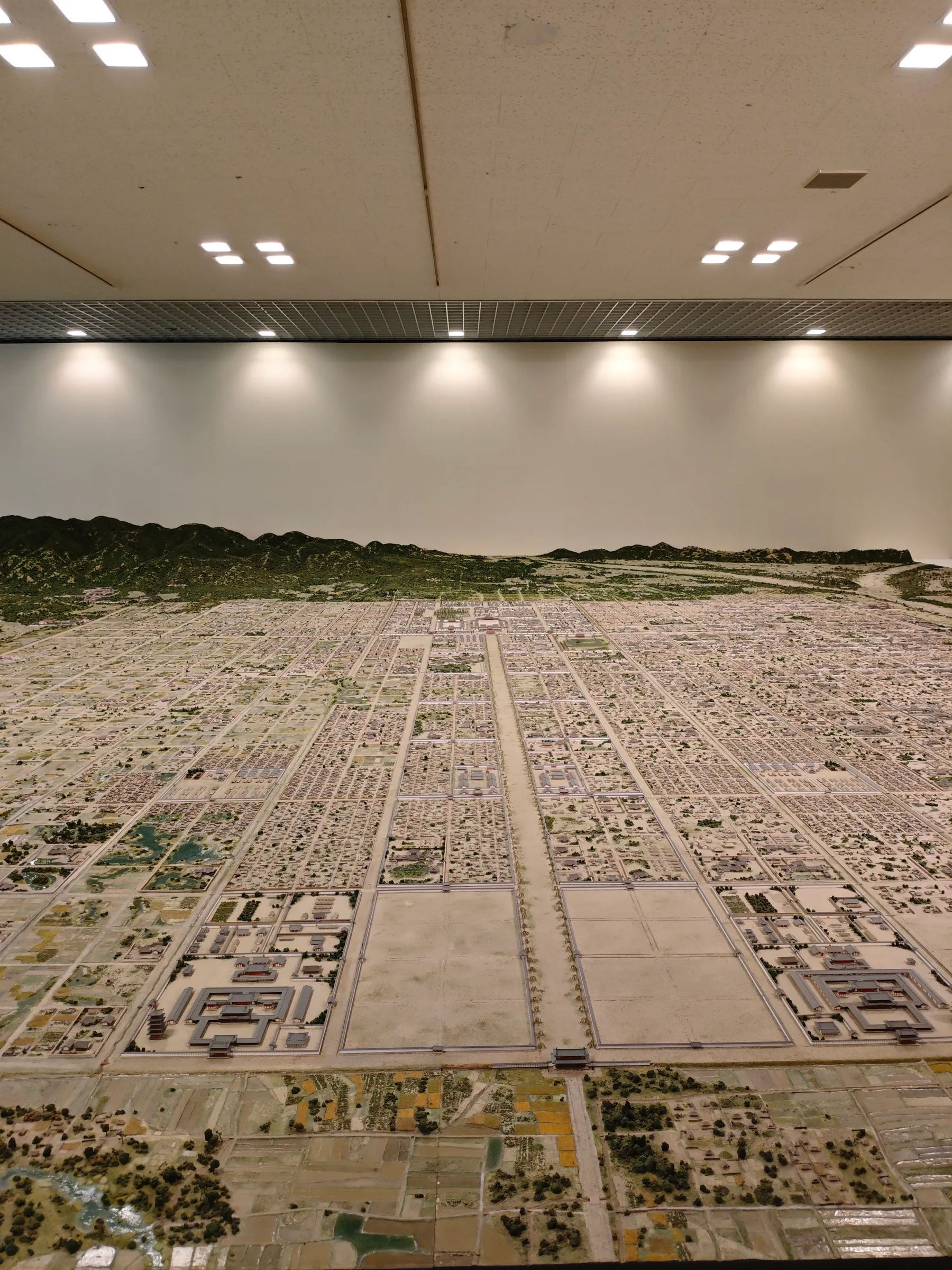
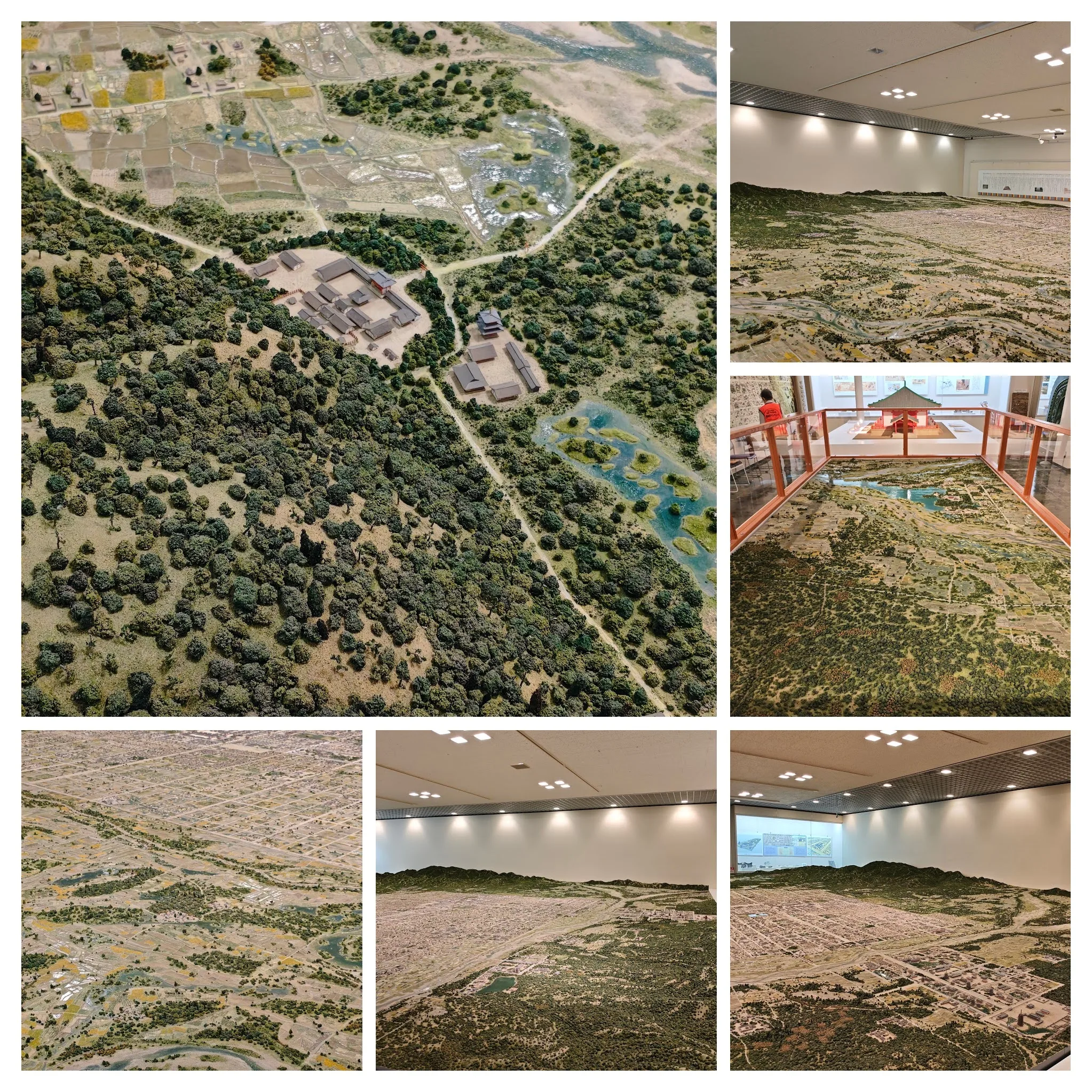
Standing over this map explains why riding a bicycle through Nakagyo Ward feels so straightforward today. You are moving along the same street alignments imperial surveyors laid out over 1,200 years ago.
The museum's official website is fully in Japanese language so I'll link these two resources.
General Pamplet: https://heiankyosouseikan.asny.ne.jp/pdf/english.pdf
Kids Guide: https://heiankyosouseikan.asny.ne.jp/pdf/kids__English.pdf

Bonus stop: The working incline model at Lake Biwa Canal Museum
This free municipal museum traces the monumental Meiji-era project that brought water from Lake Biwa to Kyoto. It is a fascinating stop to understand how the city successfully reinvented itself after the Emperor's departure and the relocation of the capital to Tokyo. Much of this transformation was driven by Kyoto’s third governor, Kitagaki Kunimichi. Realizing that the city risked decline after losing its imperial status, Kitagaki championed the canal project not just as a water source, but as a bold industrial strategy. Under his vision, the canal powered Japan's very first commercial hydroelectric plant, fueling new factories, streetcars, and modern infrastructure that brought Kyoto firmly into the modern era.
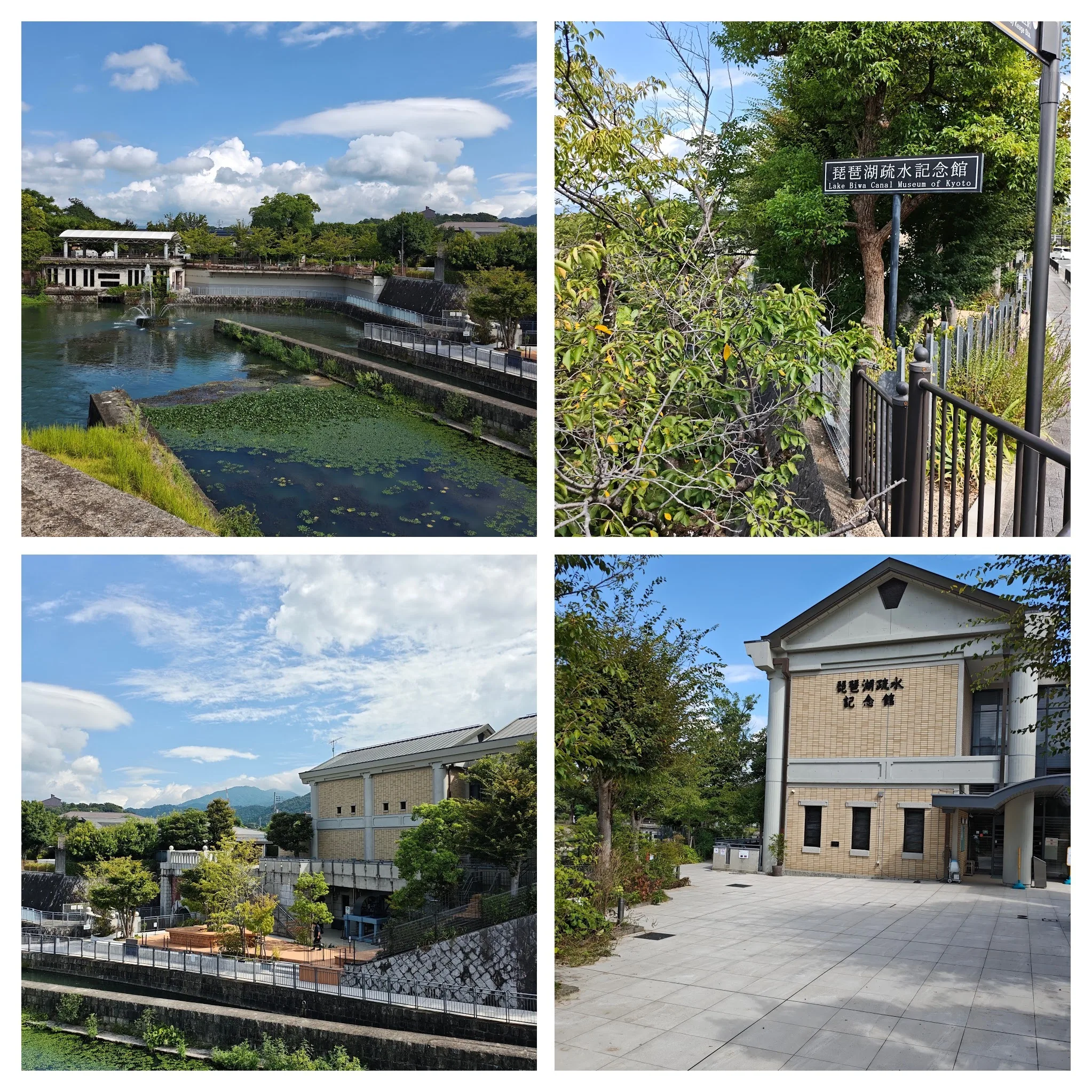
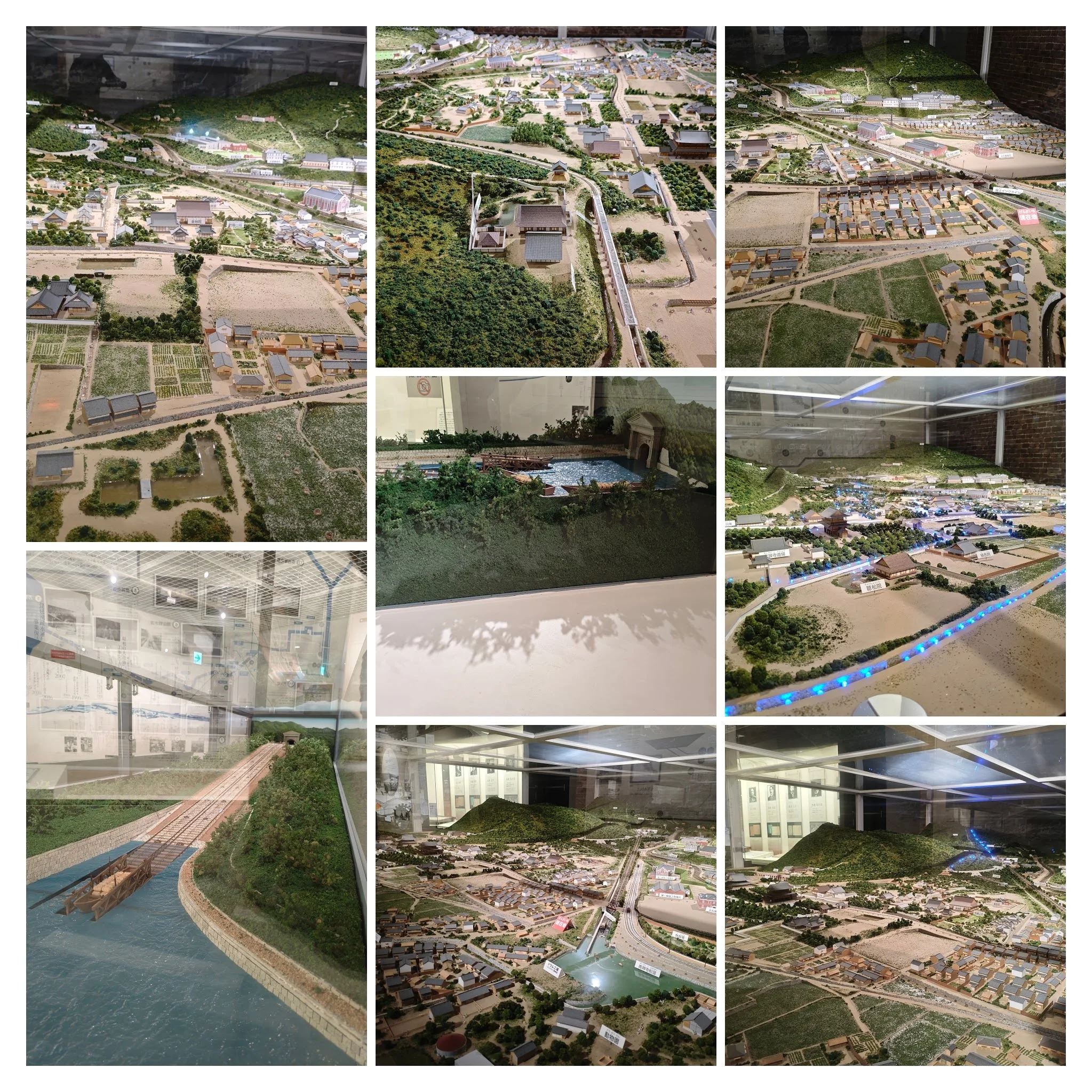
Inside, two scale models are well worth a look: the first, a mechanical one, demonstrates how boats tackled the slope on cradles powered by hydroelectricity; the second, a larger layout, details the entire waterway and the key points of interest along the canal.
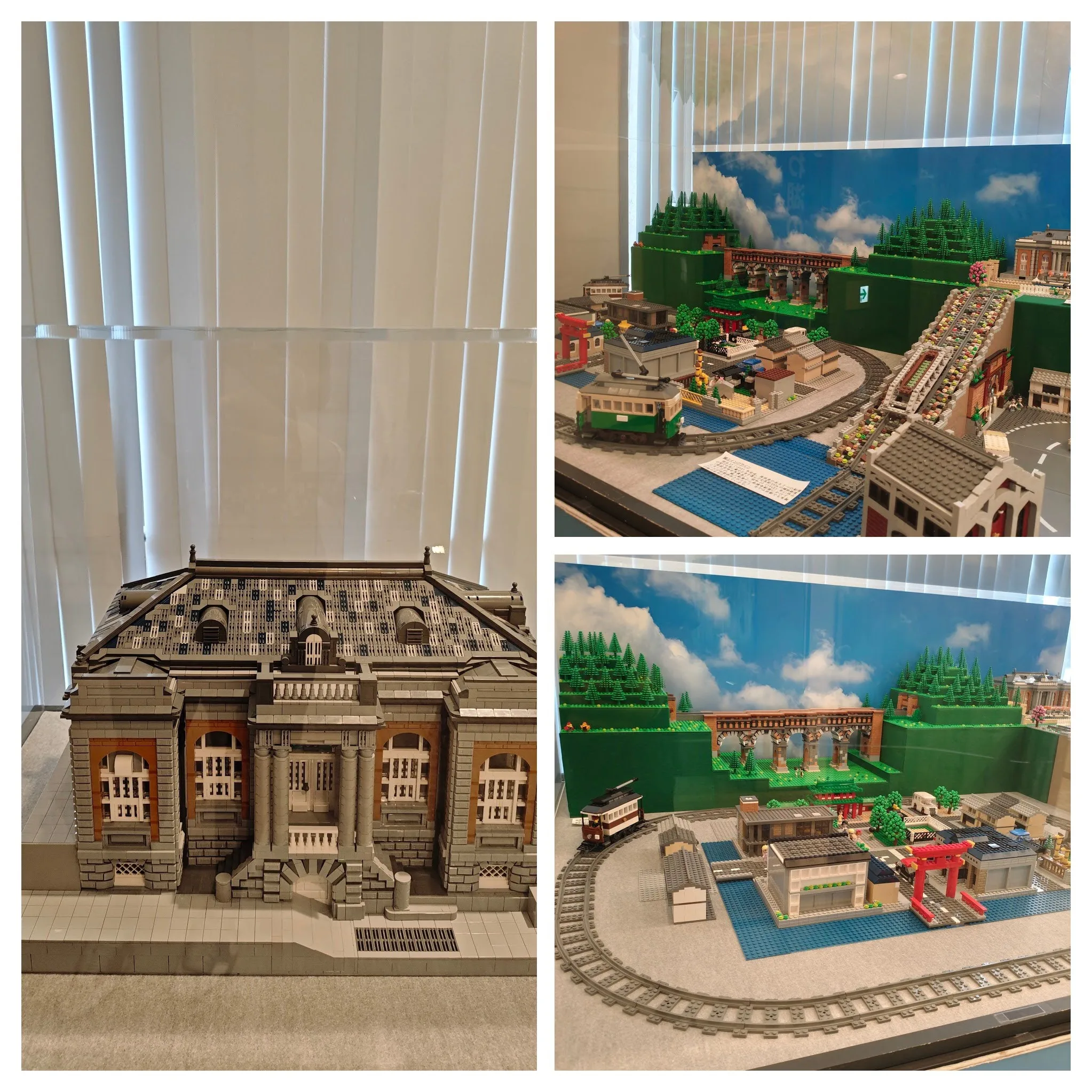
Another fun surprise during my visit was a Lego model of the Former Keage Pump House, alongside other iconic landmarks from the Okazaki district.
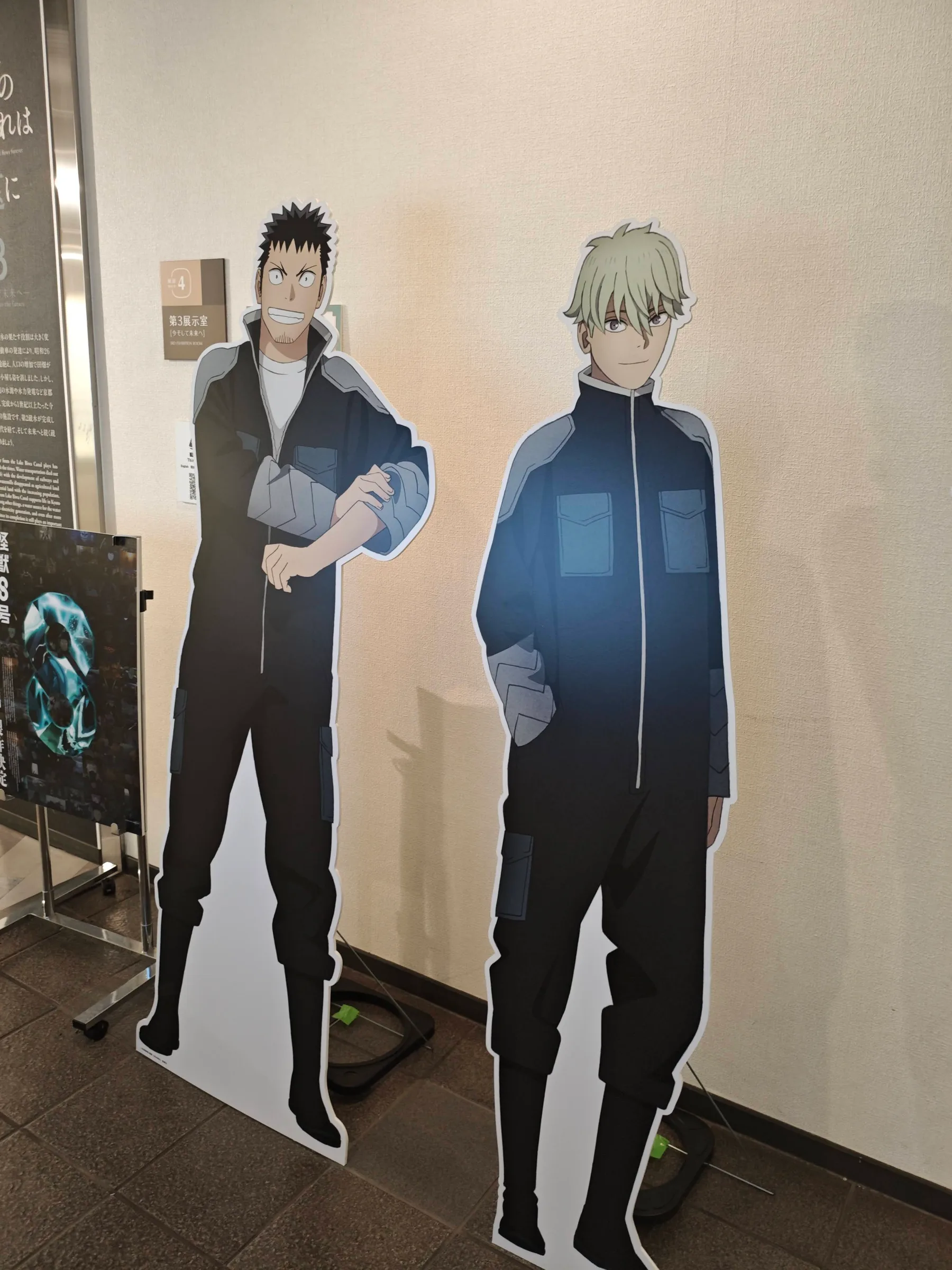
There were also remnants of the collab between the museum and popular manga/anime Kaiju No.8
Local tip: check out the working model first, then walk outside to see the actual Keage Incline slope and the red-brick Nanzen-ji Aqueduct nearby. Seeing the mechanics makes the real brick aqueduct and slope make instant sense.
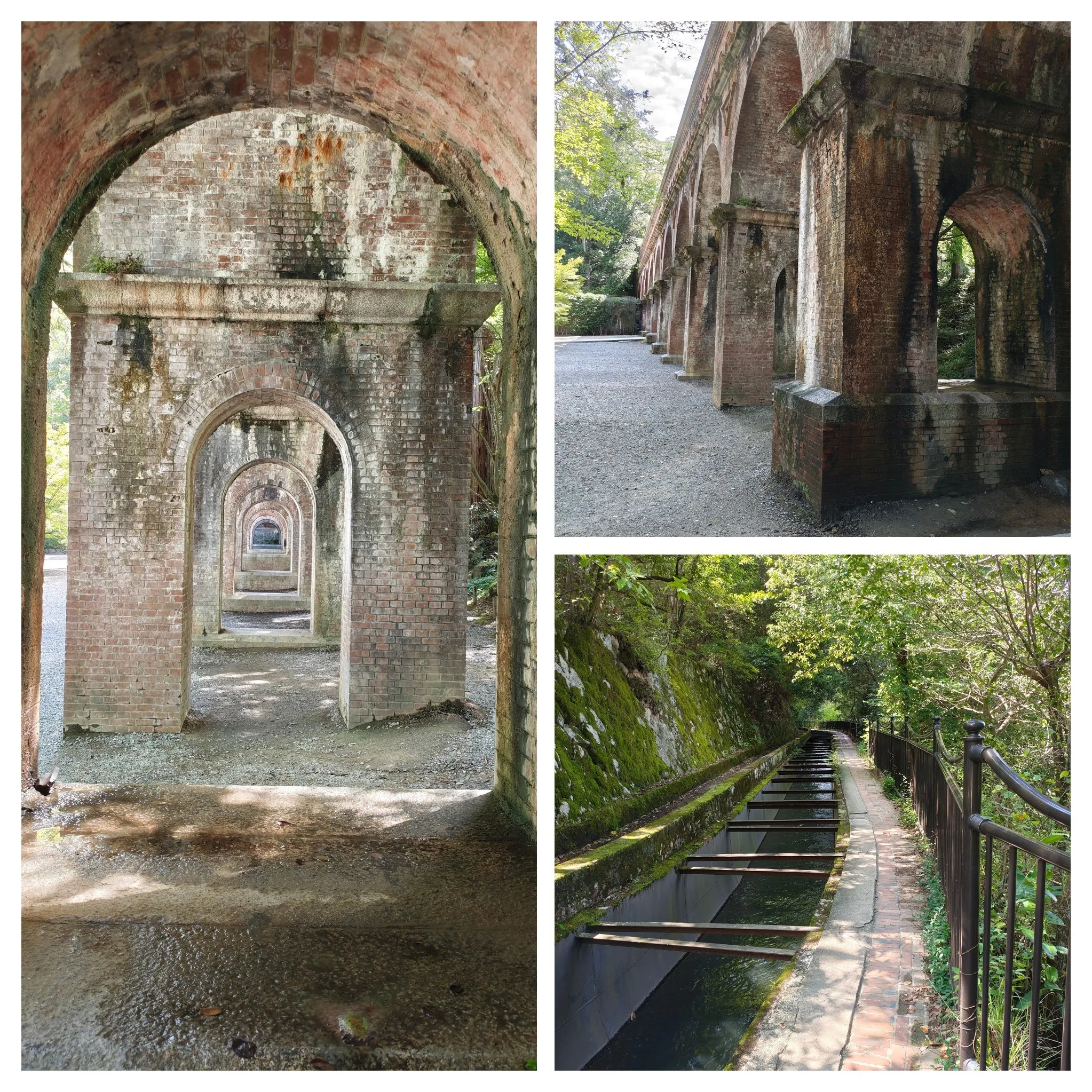
For more info about Biwako sosui (Lake Biwa's Canal), check the official website: https://biwakososui-museum.city.kyoto.lg.jp/en/
Comparing Kyoto's diorama spots
Here is a quick breakdown of the four spots depending on what you want to see:
Diorama Kyoto JAPAN: Focuses on miniature Kyoto temples and drivable trains in Arashiyama.
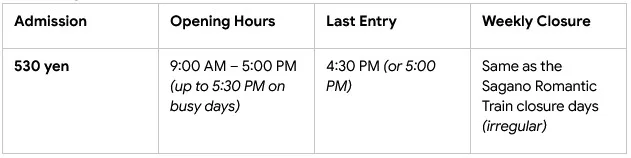
Kyoto Railway Museum diorama: Focuses on nationwide rail operations in Umekoji Park.
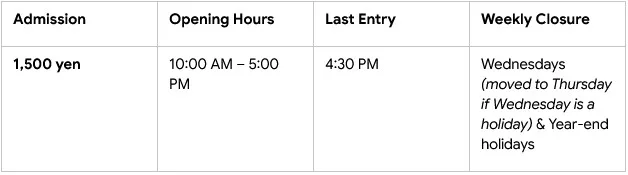
Heian-kyo Soseikan: Focuses on the original 8th century city grid in Nakagyo Ward.
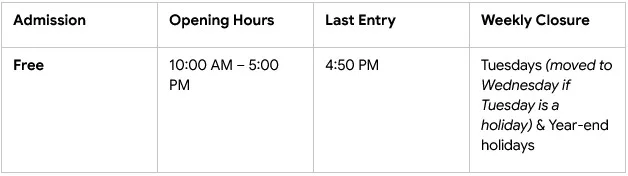
Lake Biwa Canal Museum: Focuses on 19th century canal engineering near Nanzen-ji.