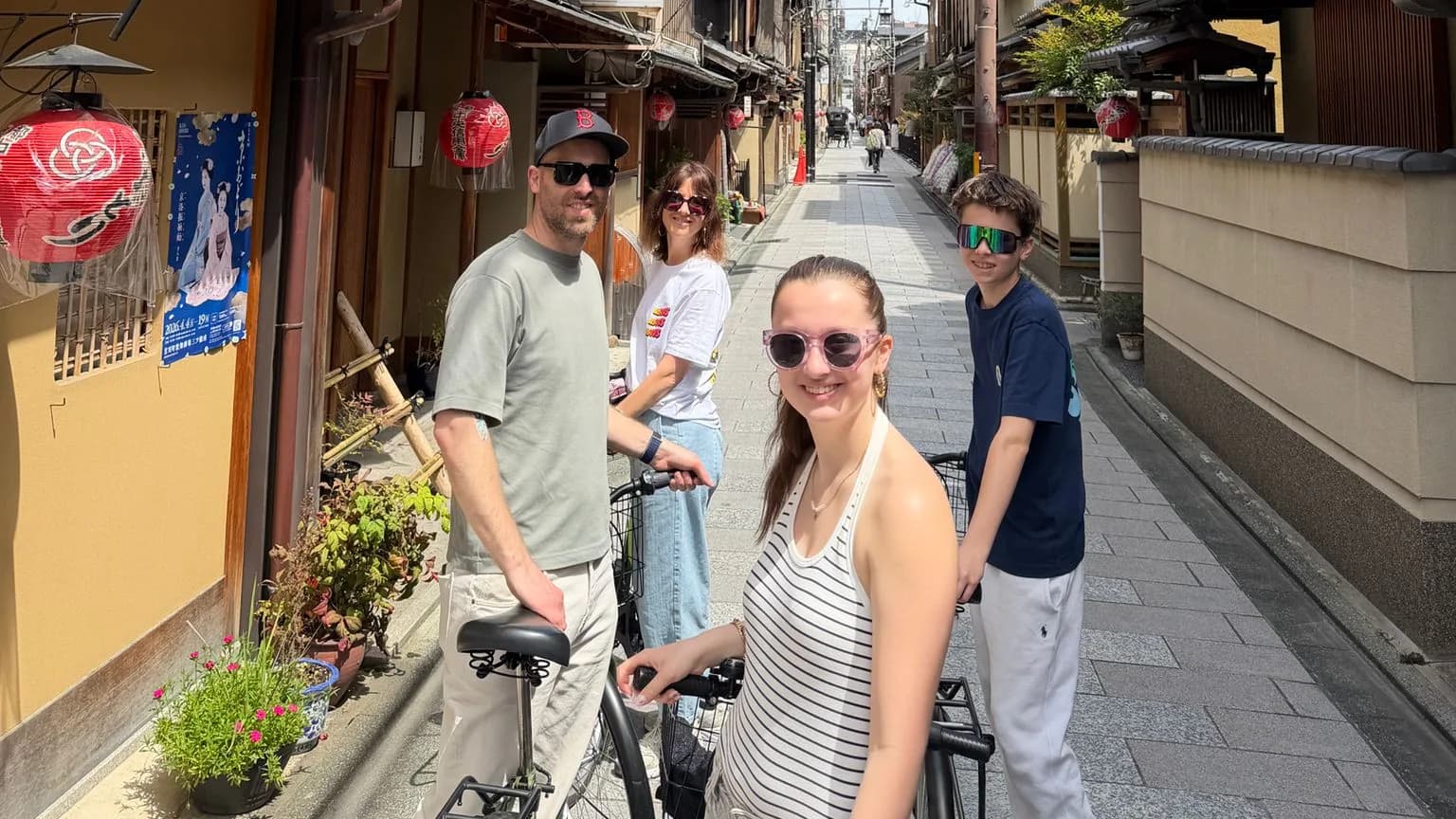
Is Kyoto fun for kids? A local perspective
Kyoto is genuinely fun for children when you balance quiet historic sites with active play areas and keep travel between neighborhoods short. The main pitfall is trying to see four or five major temples in one day, which guarantees tired legs and boredom. A realistic ratio is one cultural stop in the morning paired with one interactive, kid-friendly destination in the afternoon.
Guidebooks often recommend sweeping routes crossing the city from east to west. In reality, dragging tired children across town on packed city buses drains everyone's energy. Kyoto works best for families when organized into distinct geographical clusters, such as Okazaki or the area around Umekoji Park—similar to how we structure our neighborhood-focused walking circuits on our West Shimogyo & Mibu self-guided walk.
On a walking circuit with your little ones, try to follow a simple rule of thumb: pair a classic cultural site like Nanzen-ji or To-ji with an open lawn, a playground, or an arcade nearby. Choosing train lines like the JR San-in Line over city buses keeps transit stress low for parents pushing strollers or carrying bags.
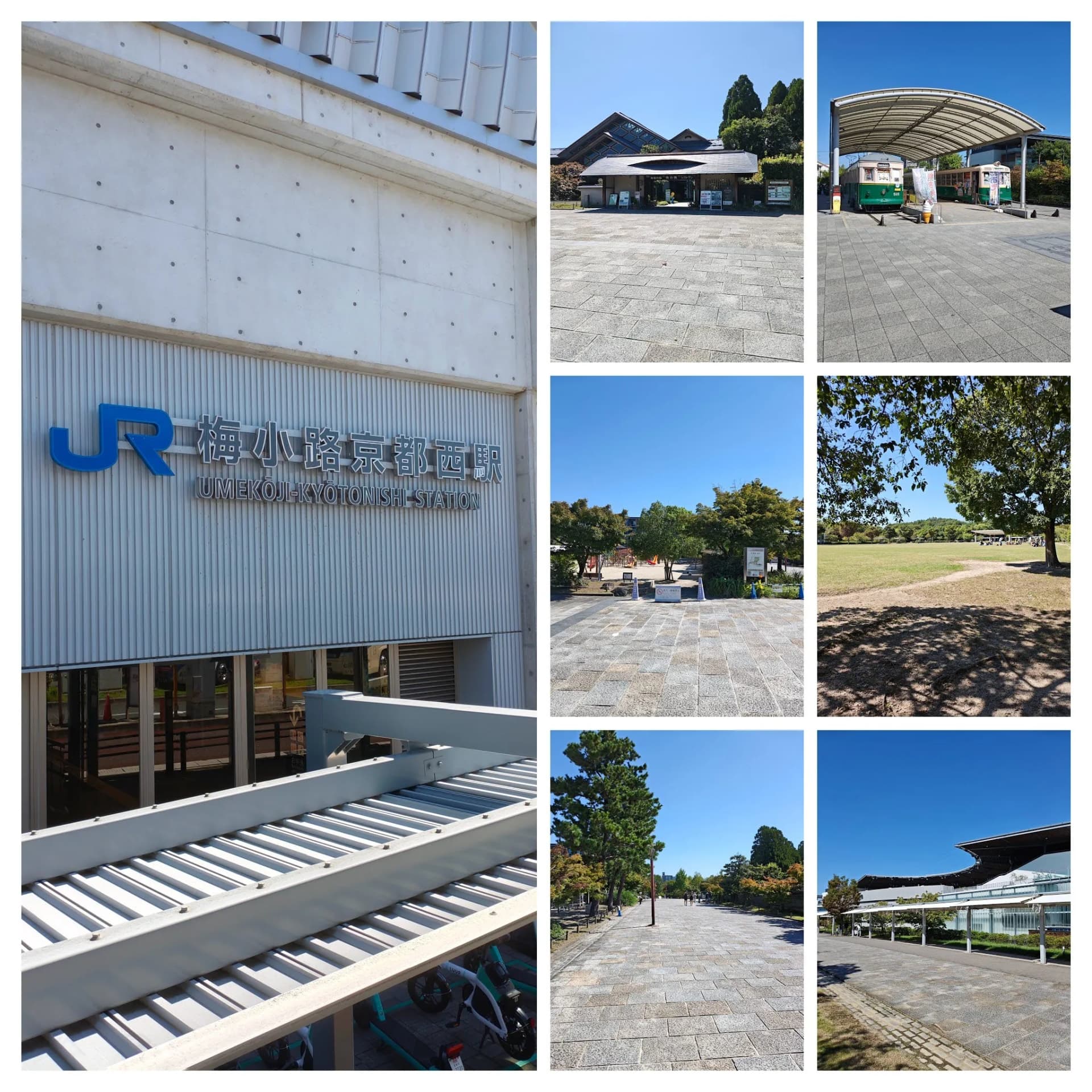
Umekoji Park: A family playground west of Kyoto Station
Umekoji Park is the most practical central play area in Kyoto for families with young children. Located one train stop west of Kyoto Station on the JR Sagano Line, the park brings together open lawns, a world-class railway museum, a modern public aquarium, and unique train car dining in one walkable site.
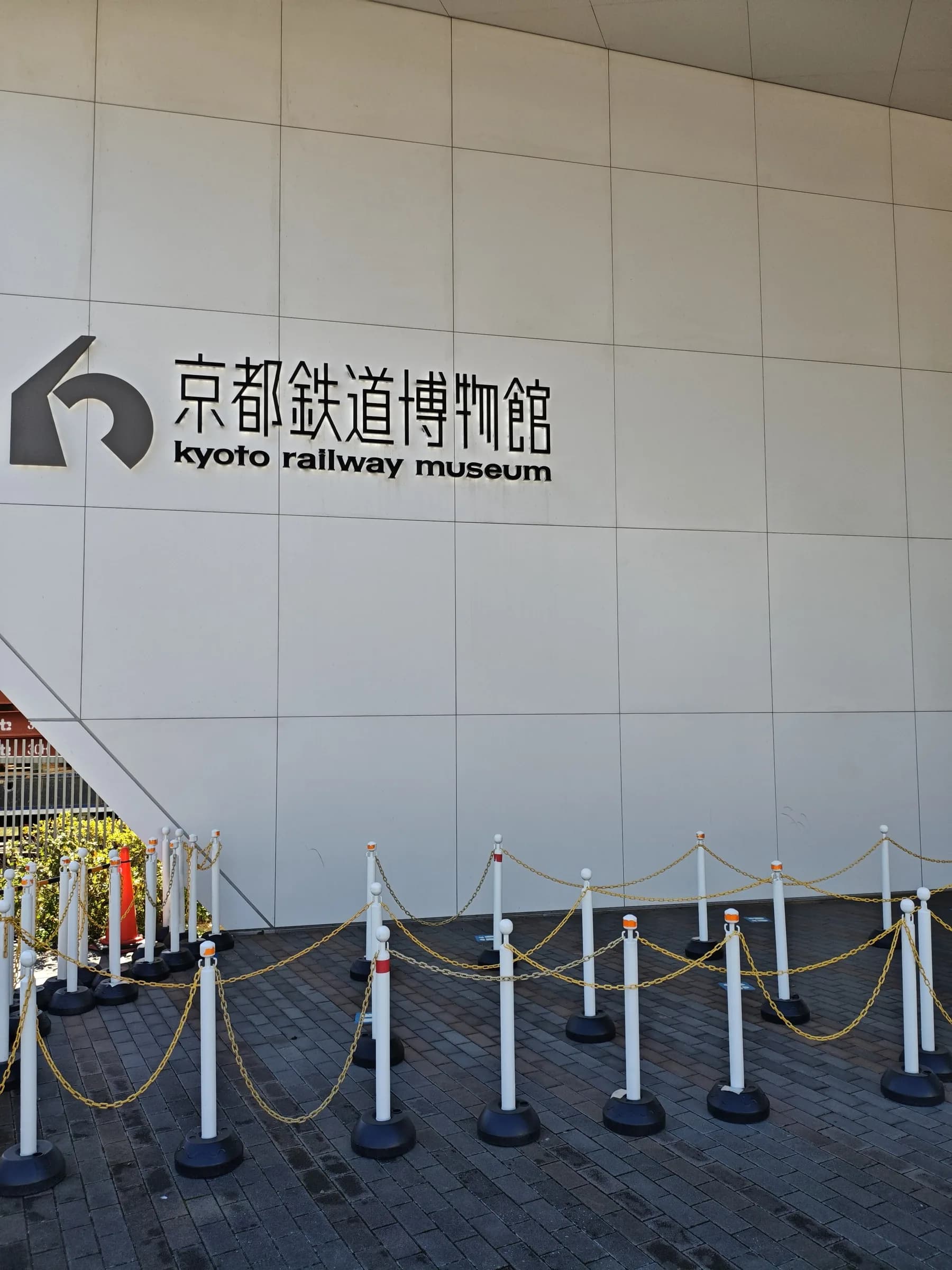
Kyoto Railway Museum
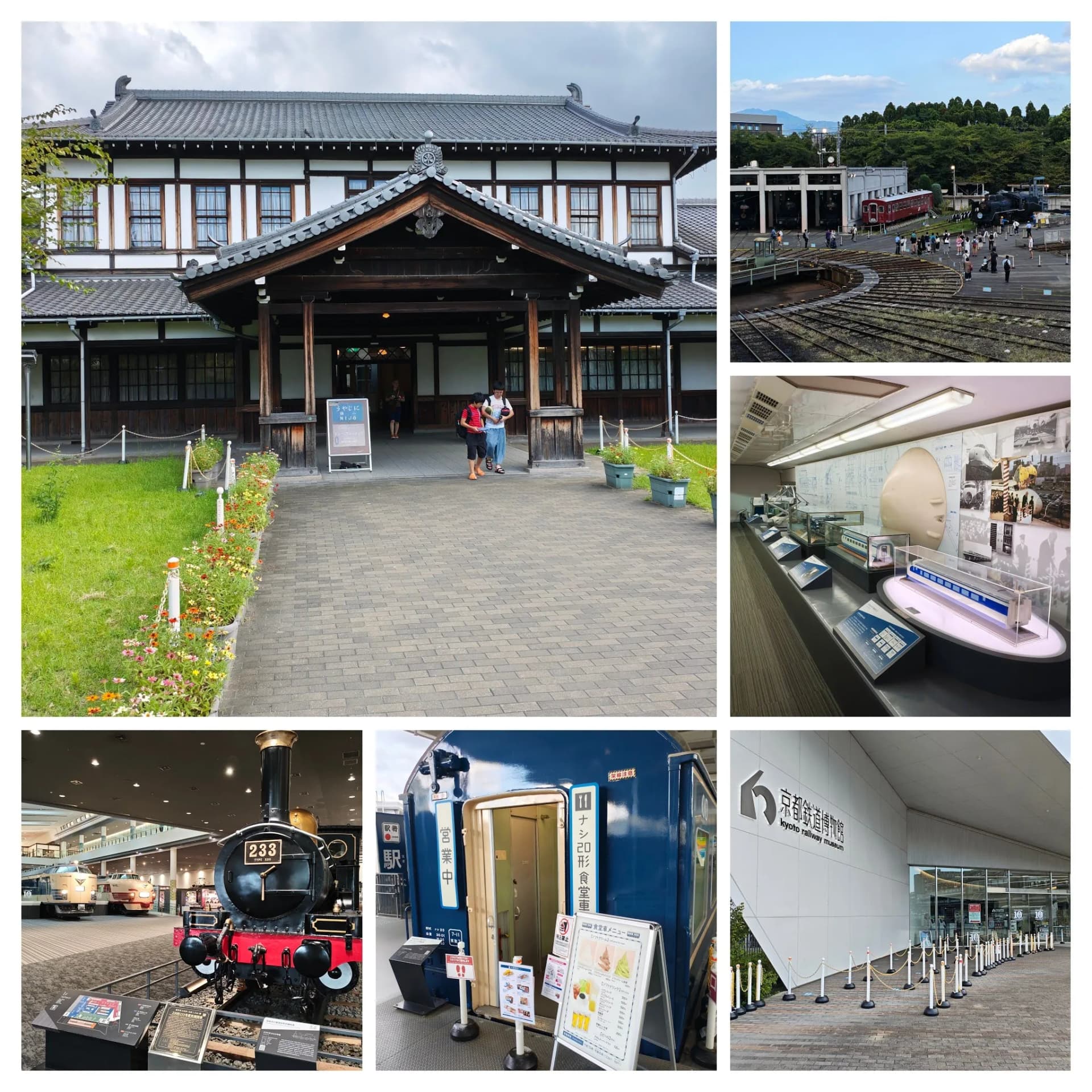
Spanning three floors, the Kyoto Railway Museum exhibits 54 real train cars, ranging from the 1903 Class 230 steam engine to early 0-Series and 500-Series Shinkansen bullet trains. At its core sits a 1914 wooden-and-concrete roundhouse engine shed with an operational turntable, housing 20 vintage steam locomotives. Plan for 2.5 to 4 hours to cover the indoor halls and outdoor tracks.
Inside, families can explore one of Japan's largest HO-scale train layouts—for a deeper look into the city's miniature displays, see our guide to model trains and giant dioramas in Kyoto. Kids can board retired train carriages, pull signal levers in interactive signal boxes, and watch mechanics service working steam engines in the active maintenance bay. Outside on the roundhouse platform, families can ride the SL Steam-go, a real passenger train pulled by a working steam locomotive along a 1-kilometer track (¥300 per passenger). Indoors, kids can try driving simulators modeled on real train crew training setups—though simulator tickets cost ¥100 and must be reserved online via Asoview the evening prior due to high demand.
On the third floor, the open-air Sky Terrace looks out directly over the active JR Sagano Line, JR Kyoto Line, and Tokaido Shinkansen tracks. Young transit fans can watch modern high-speed bullet trains slice through the city every few minutes against the backdrop of To-ji Temple's five-story pagoda.
Kyoto Aquarium
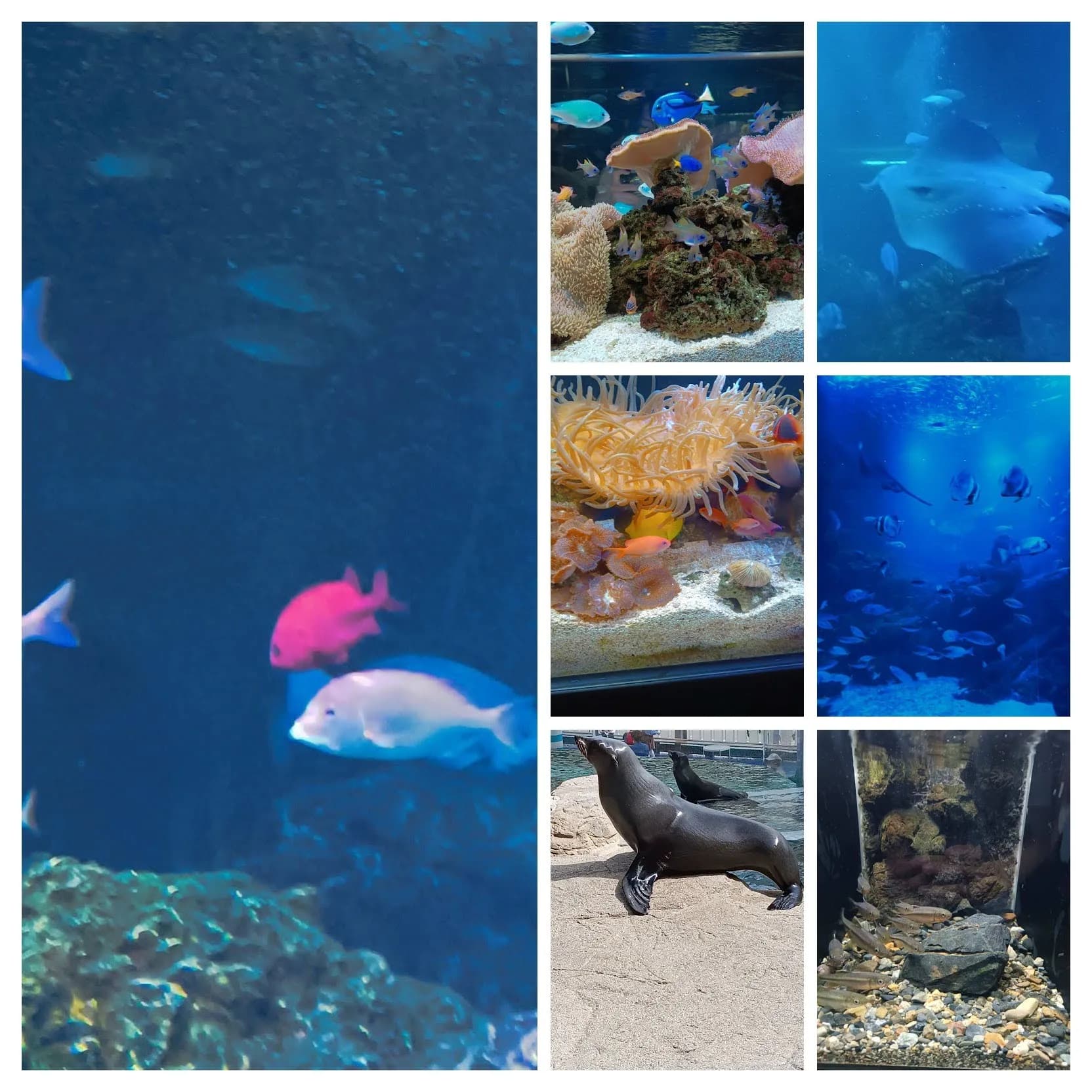
Kyoto Aquarium sits a three-minute walk across the grass from the railway museum. The facility features endemic Japanese giant salamanders from local Kyoto rivers, penguins, fur seals, and an outdoor dolphin stadium overlooking the park greenery.
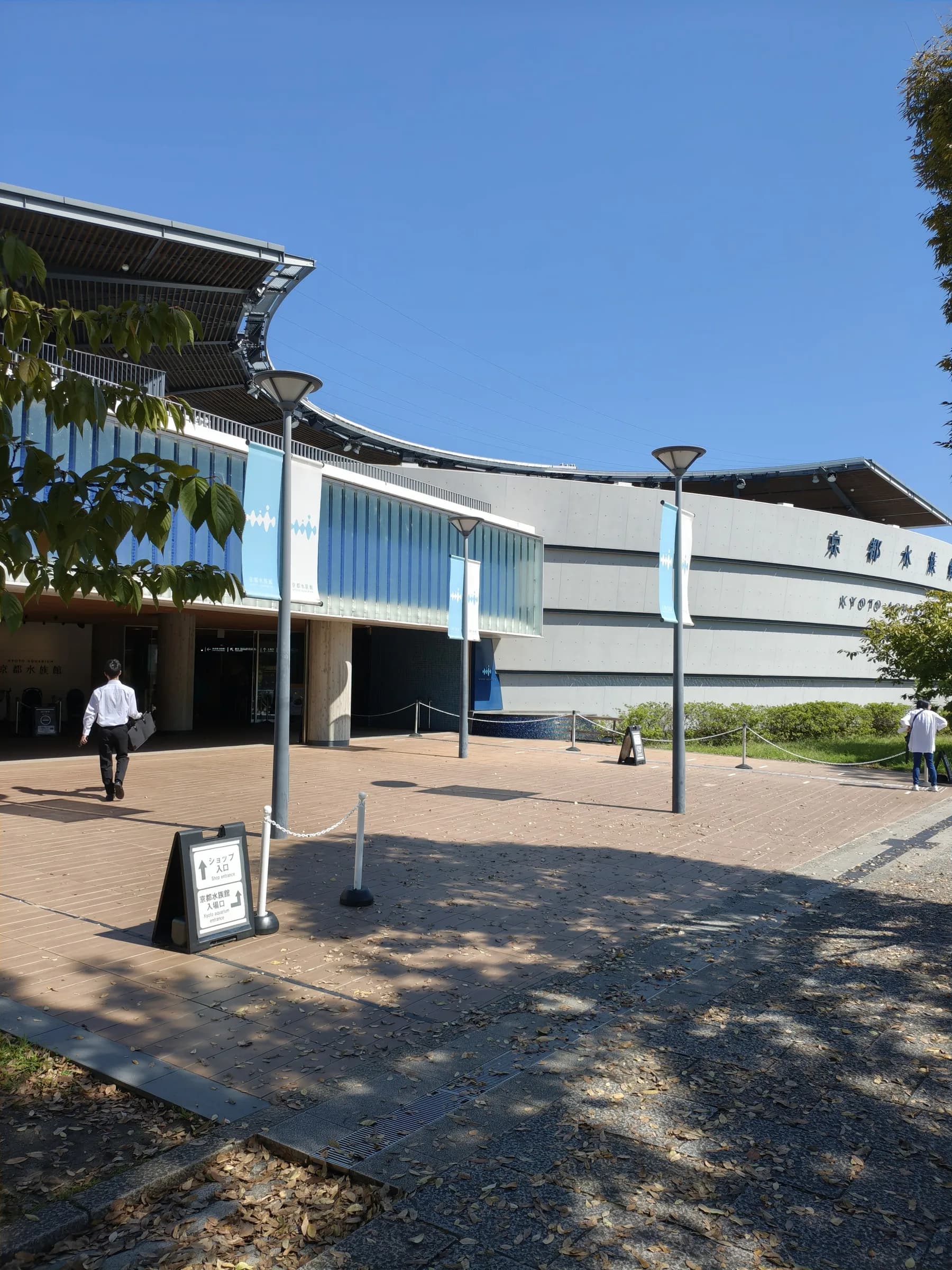
The entrance gallery highlights the local ecosystem of the Kamo and Takase rivers, letting toddlers get close to ancient river creatures without crowds. The paths inside are wide and fully accessible with strollers.
Future Train Diner
Future Train Kyoto Diner and Cafe lets families eat meals inside retired Thunderbird express cars parked on the elevated Umekoji High Line. While kids love the novelty of sitting inside a real passenger train carriage, the experience is designed to be just as enjoyable for adults. The menu balances kid-friendly favorites like curry, burgers, fries, and parfaits directly at carriage booth seats with Wagyu burgers and refined tea sets.
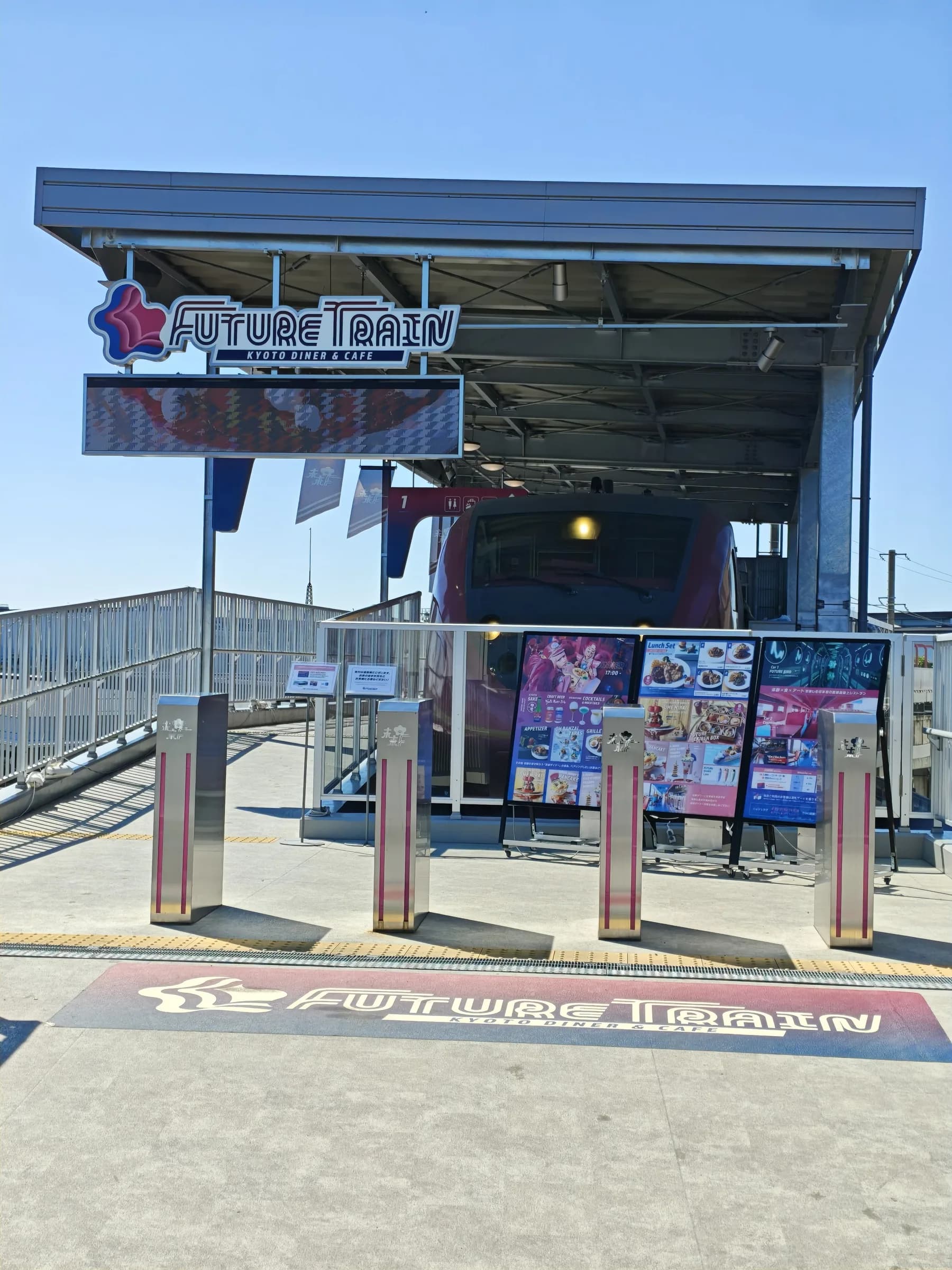
For parents looking to unwind, Future Train partners directly with local brewery Kyoto Beer Lab, serving a selection of unique, locally crafted beers right at your table. This setup eliminates the stress of quiet dining with fidgety kids, allowing parents to relax with a fresh local brew while children stay entertained in their carriage booth.

Eating at Kyoto Station: The Practical Sky Garden and Isetan Option
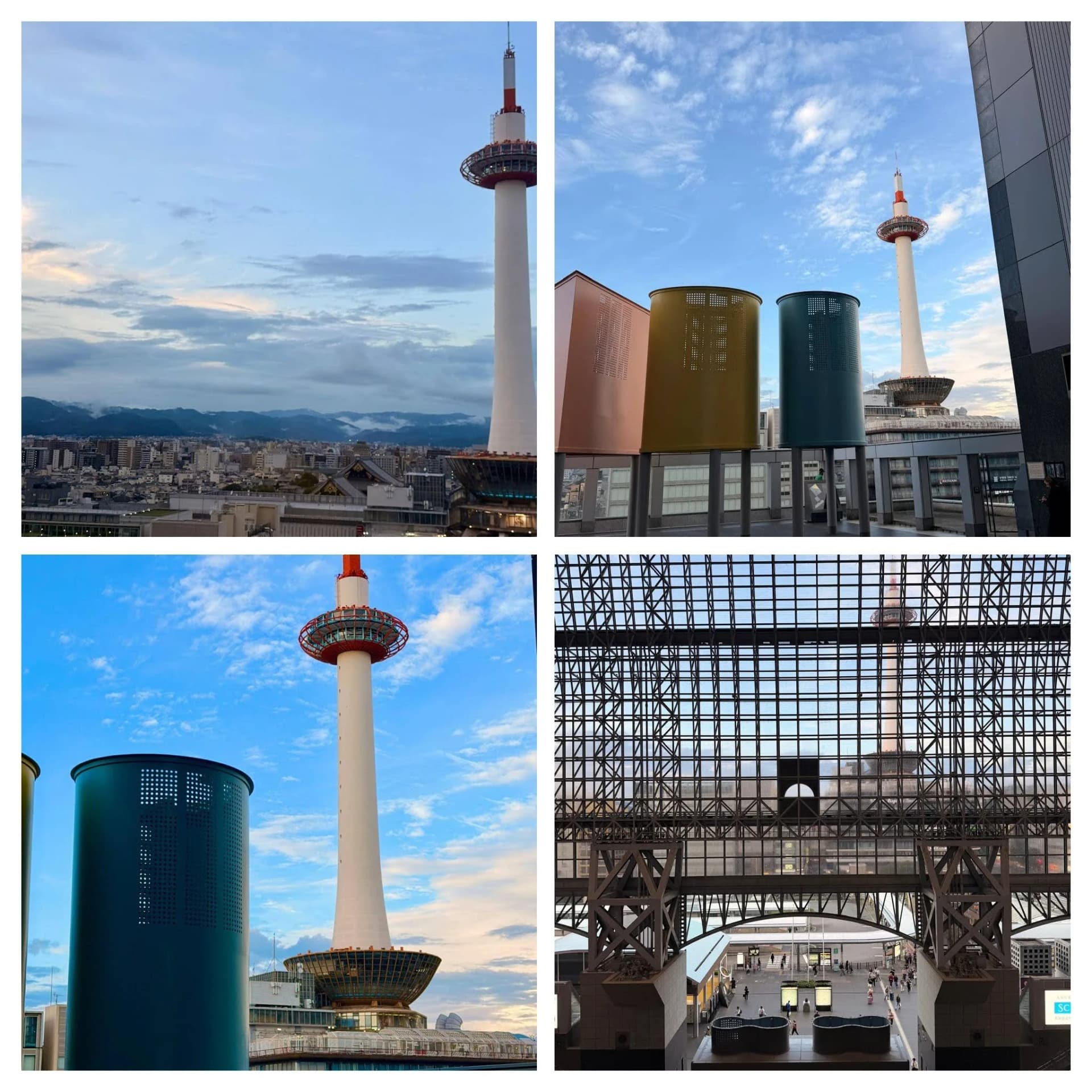
If you wrap up your time in Umekoji or are catching a train from Kyoto Station, the basement food hall and upper floors of the JR Kyoto Isetan department store offer unmatched logistics for a family meal or snack. Down in the basement (depachika), you can quickly assemble a takeaway feast—bento boxes, tempura, sushi, or tonkatsu—before heading up the long series of escalators to the Sky Garden (the open-air rooftop terrace on the 15th floor). This outdoor space features benches, a relaxed atmosphere, and sweeping panoramic views over the city and Kyoto Tower—an ideal spot for an impromptu picnic where kids can move around freely without troubling surrounding diners. For a sit-down meal, the 10th floor of Isetan houses the famous "Ramen Street" (Kyoto Ramen Koji), while the 11th and 12th floors feature spacious family restaurants equipped with high chairs and kids' menus.
Shijo and Kawaramachi: where to find Nintendo, Pokemon, and arcades
The main pop culture destinations in Kyoto are clustered along Shijo Street in the central commercial district. The official Nintendo KYOTO store and the Pokémon Center KYOTO are located in separate commercial buildings ten minutes apart on foot.
Nintendo KYOTO rooftop at Takashimaya
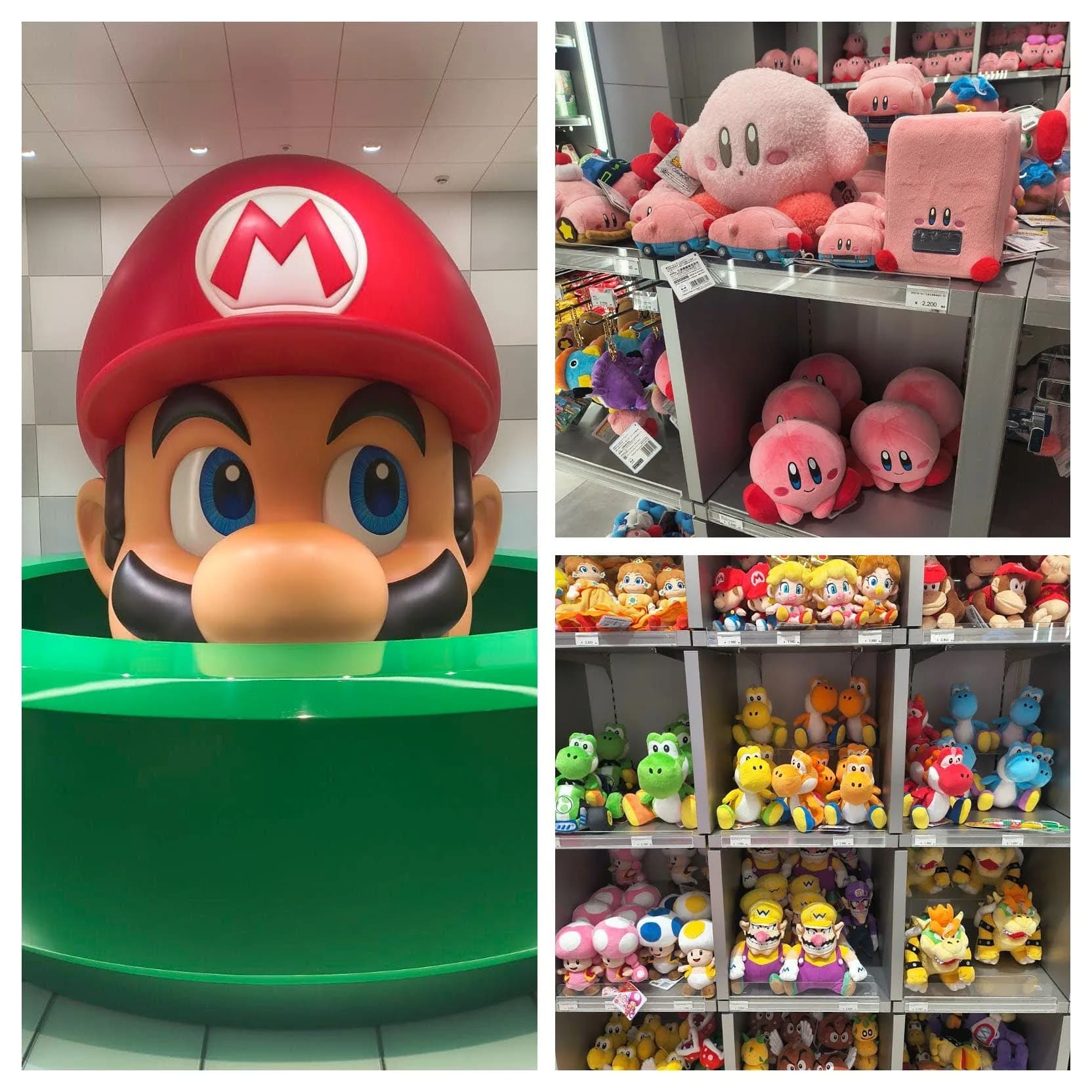
Nintendo KYOTO is on the 7th floor of the Takashimaya S.C. T8 building at the corner of Shijo and Kawaramachi streets. Visitors take an elevator to the rooftop for an open photo area with Mario emerging from a giant green pipe.
The shop sells exclusive Kyoto-themed character goods, game accessories, and apparel. Timed entry bracelets are occasionally required on busy weekends, so arriving close to opening time at 10:00 AM saves time.
Finding Pokemon Center at SUINA Muromachi
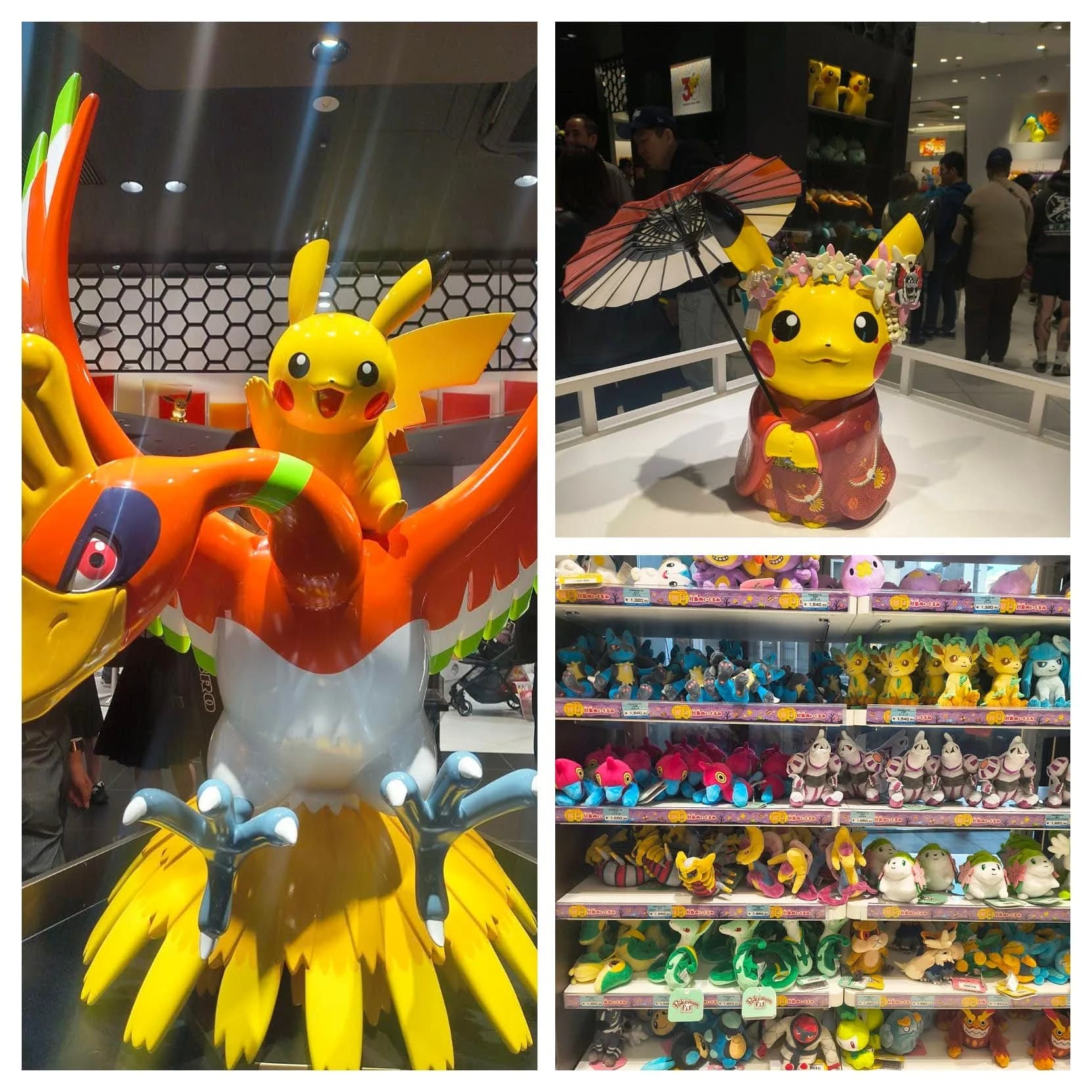
Pokemon Center KYOTO is located on the second floor of SUINA Muromachi near Karasuma Station, not inside Takashimaya. It takes about ten minutes to walk west along Shijo Street between the two shops.
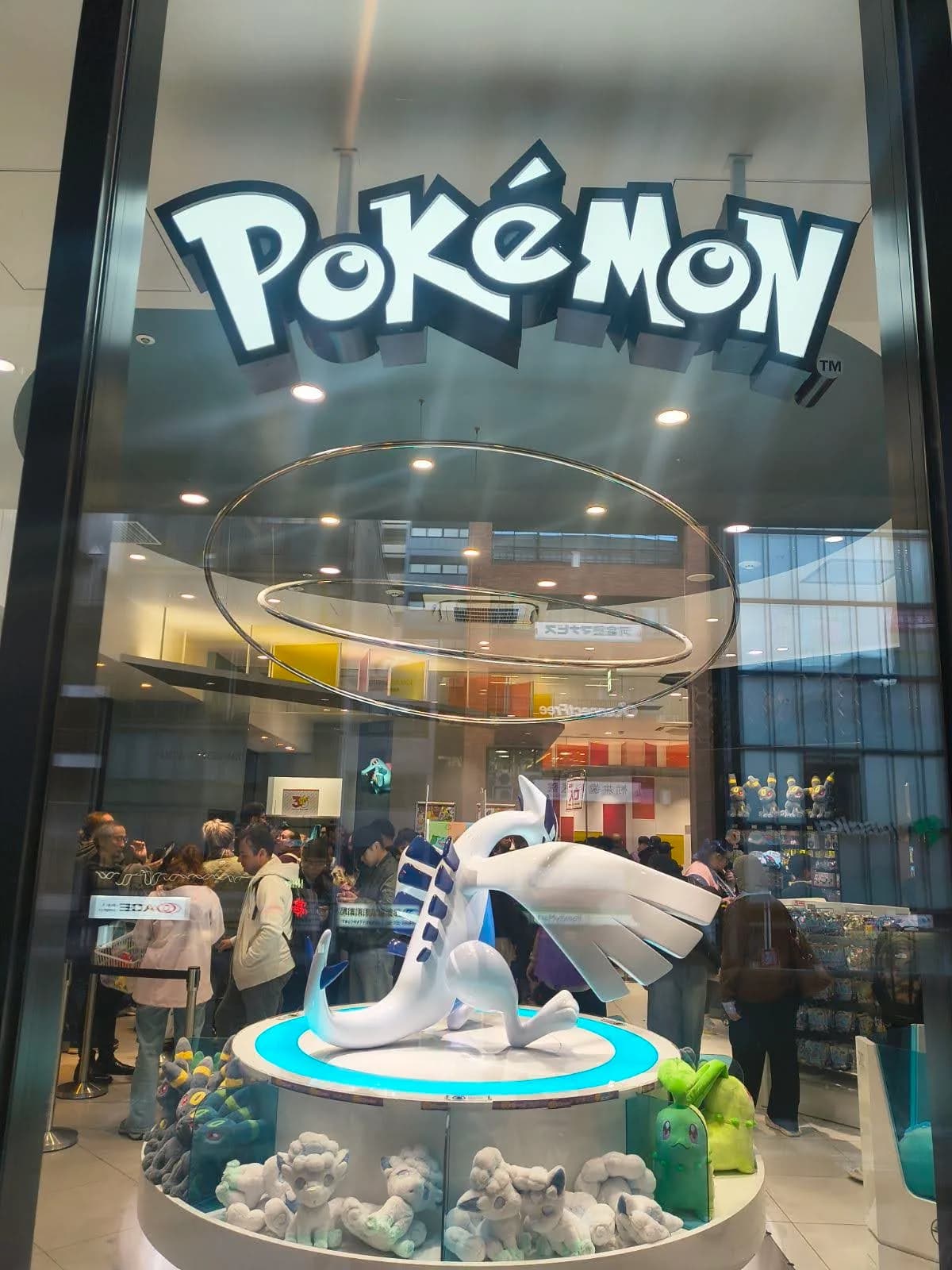
The center features life-sized Pokemon statues, Kyoto-themed Pikachu plush toys, and game battle stations. The ground floor of SUINA Muromachi has a bookstore and casual cafes for parents needing a rest while kids browse cards.
Round One Kawaramachi arcade games
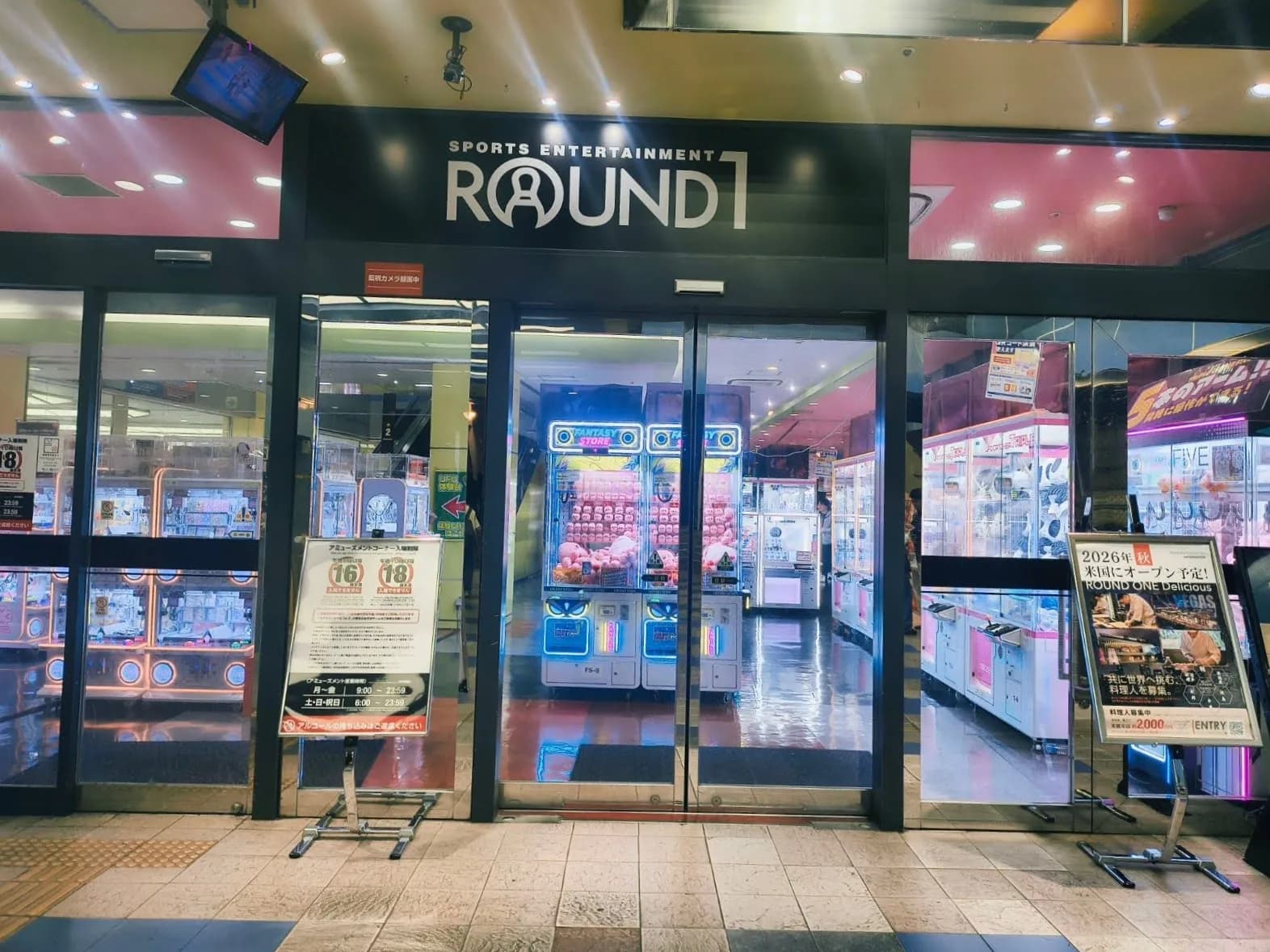
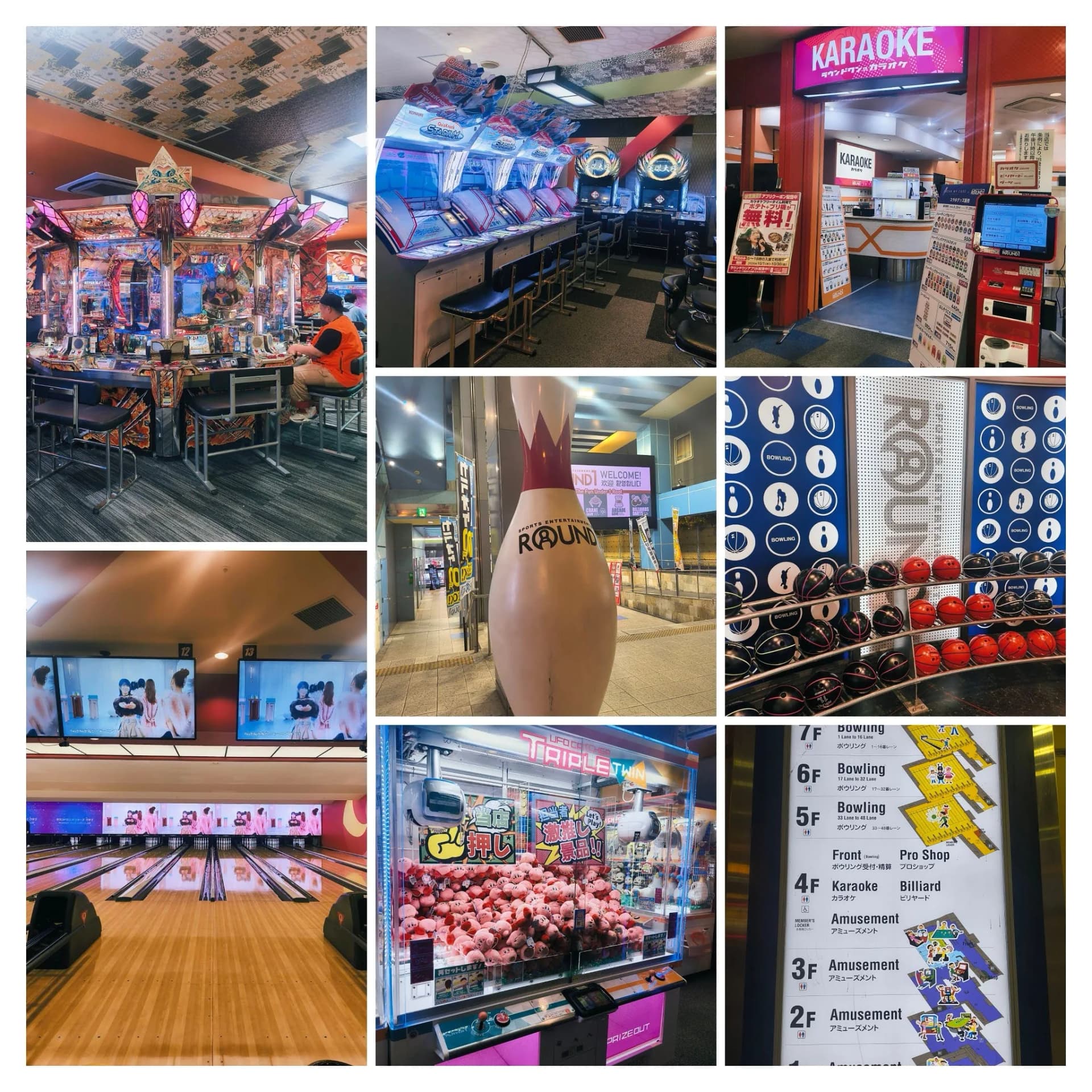
Round One Kawaramachi is a multi-story indoor entertainment center on Kawaramachi Street offering crane games, rhythm drumming machines, karaoke, and bowling lanes. It provides a cool refuge during hot summer afternoons or rainy days.
When hunger strikes downtown, head down to the basement food halls under the Daimaru or Takashimaya department stores. These depachika counters sell portable bento boxes, fresh fruit cups, and warm rice balls that work well for picnics by the Kamo River.

Kyoto City Zoo in Okazaki: compact animal visits paired with historic sites
Kyoto City Zoo in the eastern Okazaki district covers four compact hectares, making it easy to see all animals in about 90 minutes. Admission is free for children junior high school age and younger, and adult tickets cost 750 yen.
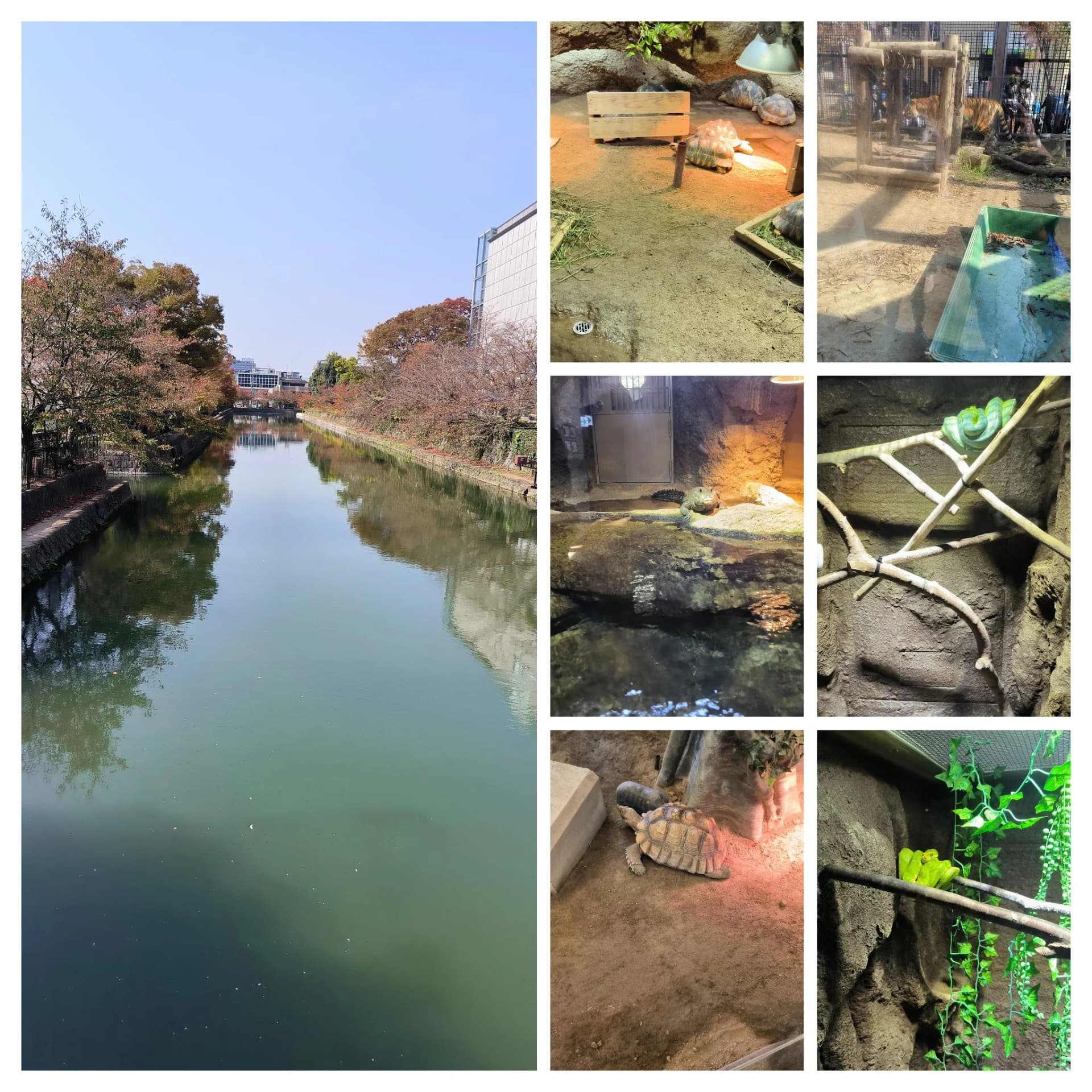
Elevated wooden walkways bring children eye-to-eye with giraffes, elephants, and gorillas in updated habitats. The grounds are manageable for toddlers learning to walk, with shaded benches, ice cream stands, and a mini Ferris wheel.
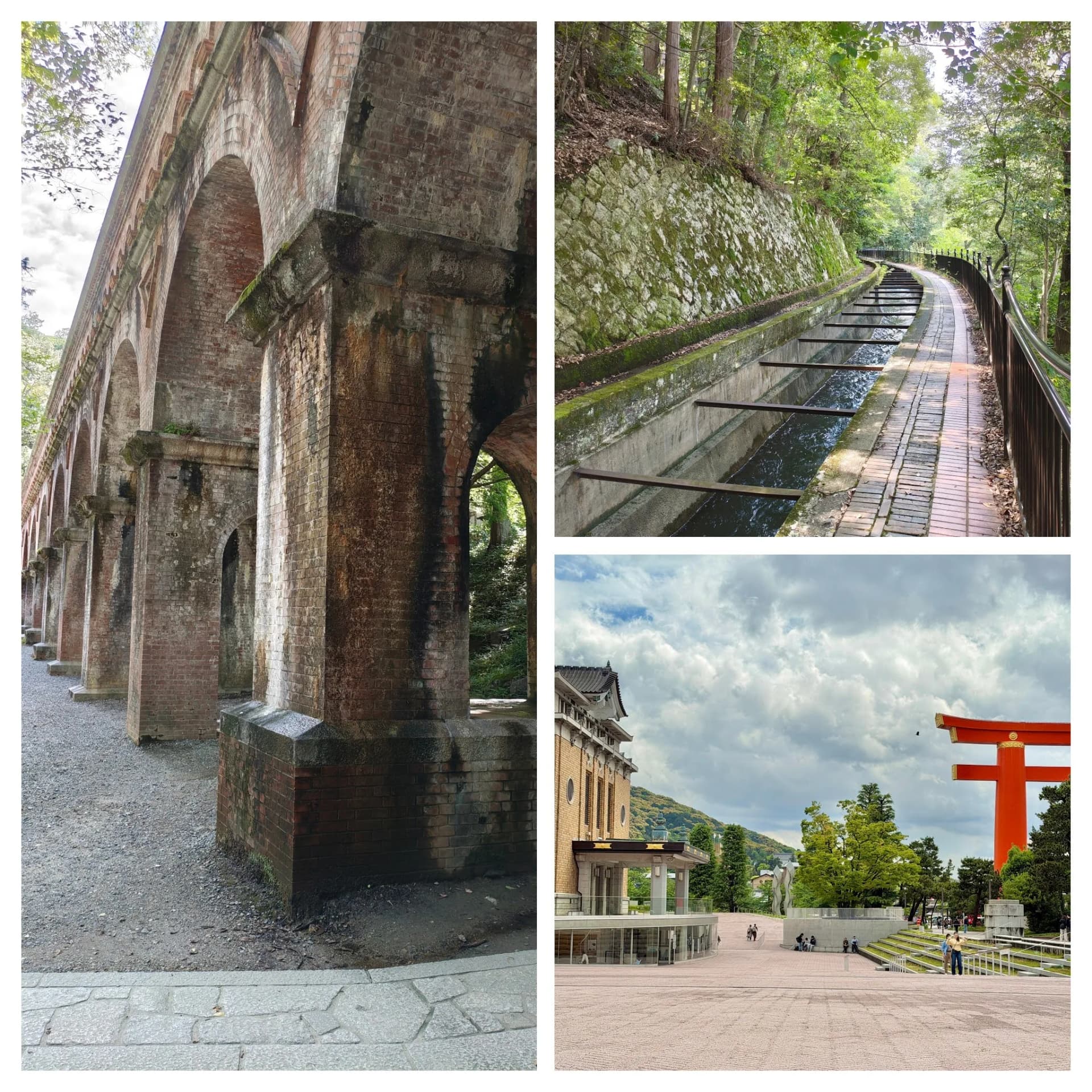
The zoo sits immediately adjacent to the red-brick Roman-style aqueduct of Nanzen-ji Temple and the giant torii gate of Heian Jingu Shrine. This location allows parents to explore classic historic architecture in the morning while giving children an animal visit right next door before lunch. If you are exploring this side of the city on two wheels, you can easily tie it into a broader ride along the riverbanks—similar to the routes we cover in our Northern Kyoto Cycling Guide.
What to do in Kyoto on a rainy day with kids
On rainy days in Kyoto, head to the covered Umekoji Park facilities or the long roofed shopping arcades running through the city center. The Kyoto Railway Museum and Kyoto Aquarium provide hours of indoor entertainment within a short walk of each other.
Another solid bad-weather option is the covered arcade network of Teramachi and Shinkyogoku. These parallel pedestrian streets run north to south for multiple kilometers, filled with toy shops, souvenir stalls, bakeries, and casual noodle spots sheltered from the rain.
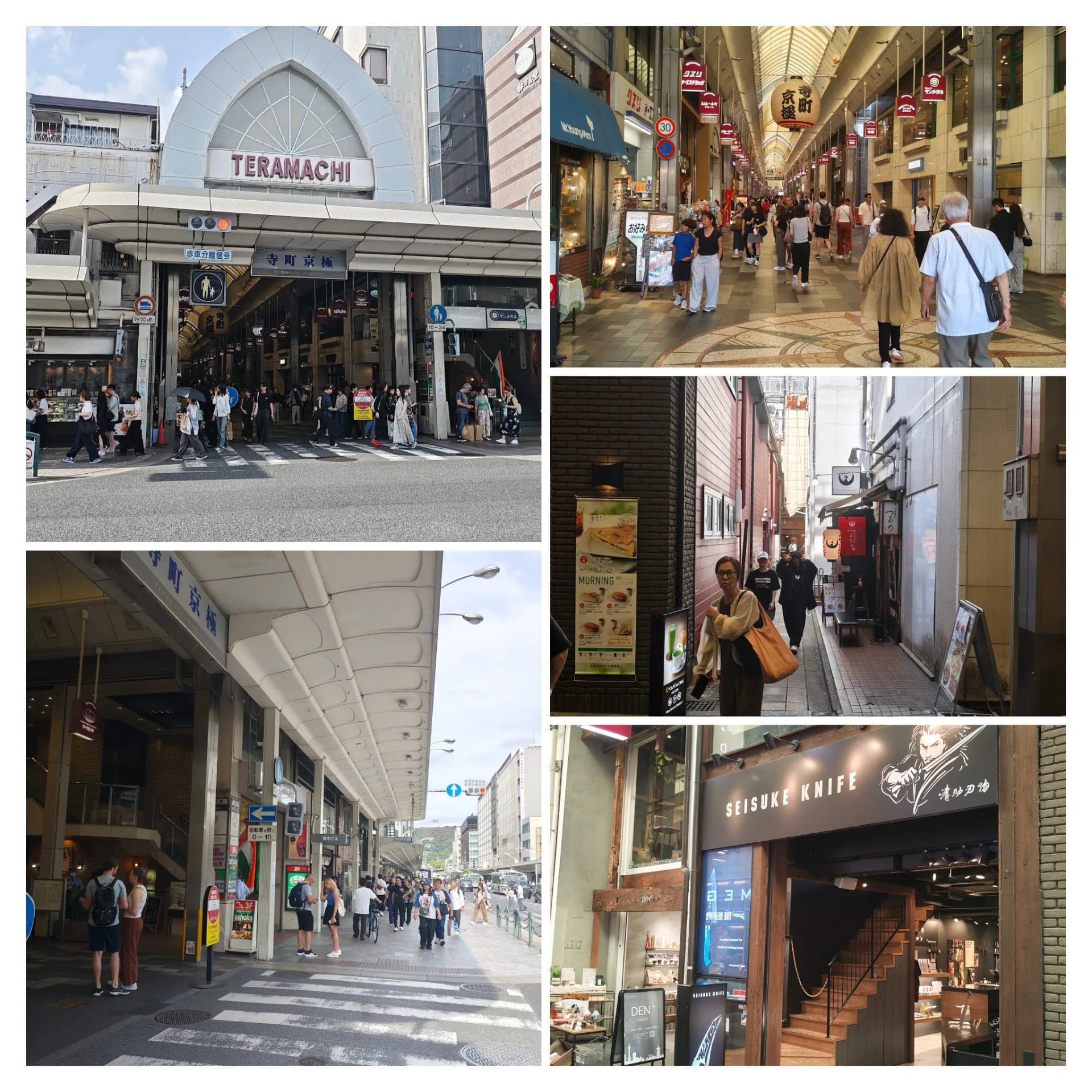
Tucked right inside Teramachi, the Samurai & Ninja Museum Kyoto offers a hands-on stop where kids can dry off and burn off energy. Rather than passive glass-case viewing, guided 1-hour tours cater specifically to children and teens with quick-moving historical storytelling in English. Kids can throw shuriken (ninja stars) at target boards, try a blowgun, and dress up in replica samurai armor and light helmets for photos. Advance online reservations are strongly recommended as entry slots fill up quickly.
Getting around Kyoto with kids: transit, strollers, and cycling realities
The easiest way to get around Kyoto with children is by using the local subway and JR train lines rather than crowded city buses. Subways and trains have elevators, wide ticket gates, and dedicated areas for strollers that buses lack.
Avoid Kyoto City Bus #206 and other popular tourist bus routes when travelling with small kids. These buses are frequently packed with standing passengers, forcing parents to fold up prams while balancing luggage and holding on during sharp turns.
Kyoto's temple grounds often feature gravel paths, steep stone stairs, and high raised thresholds. A lightweight folding travel stroller or an ergonomic baby carrier works far better than a bulky full-sized pram on traditional grounds.
If you rent bicycles as a family, stick to the wide, flat dirt paths along the Kamo River or the quiet grid streets of Okazaki. Navigating narrow alleys in historic areas like Gion or Kiyomizu on a loaded bicycle with a child seat is difficult due to heavy foot traffic and steep slopes. For safer, traffic-free pedaling tips across the city, check out Nico's recommendations on how to visit Kyoto by bike.