Gion & Higashiyama Bike Tour: The Perfect Introduction to Kyoto
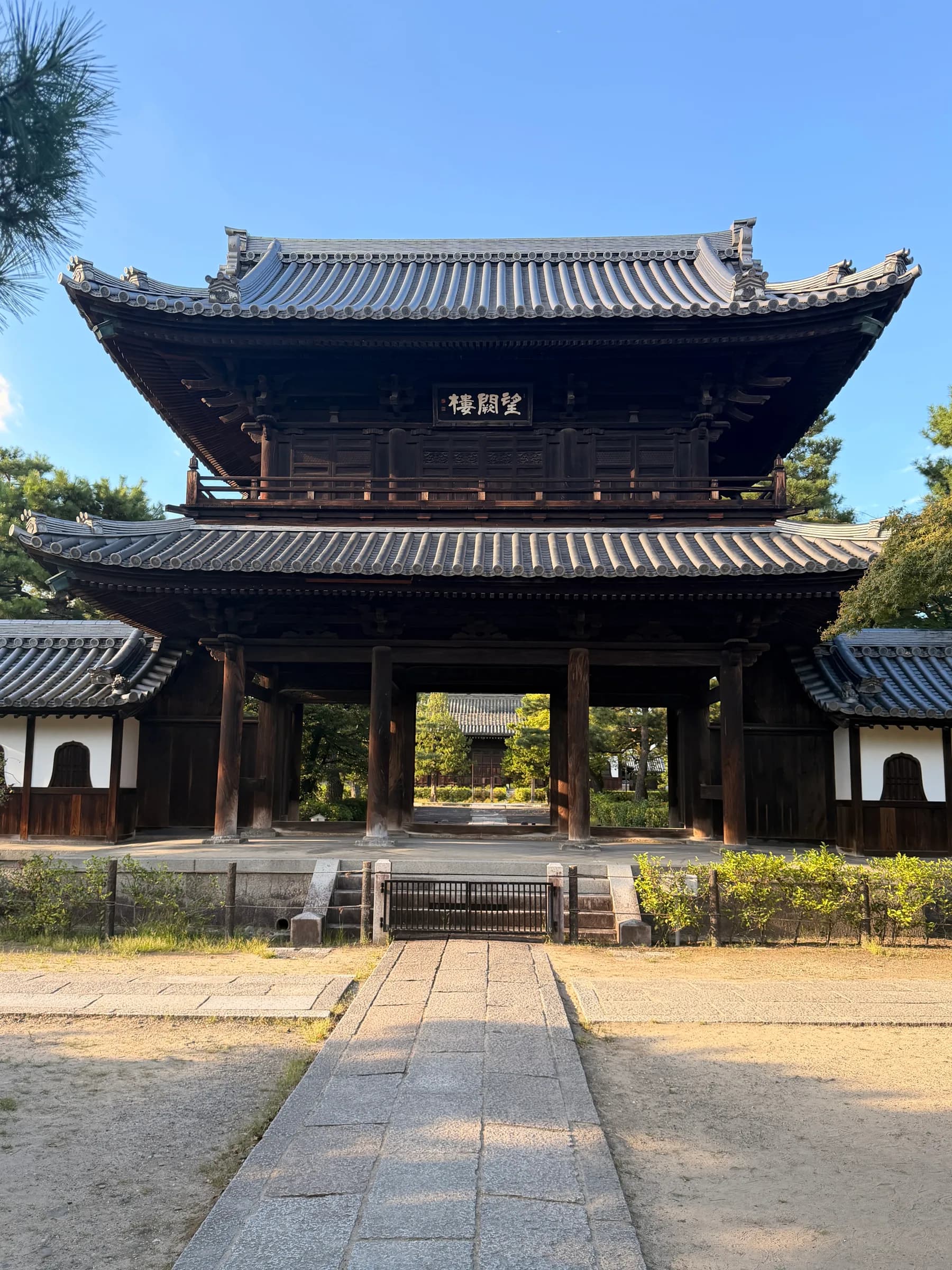
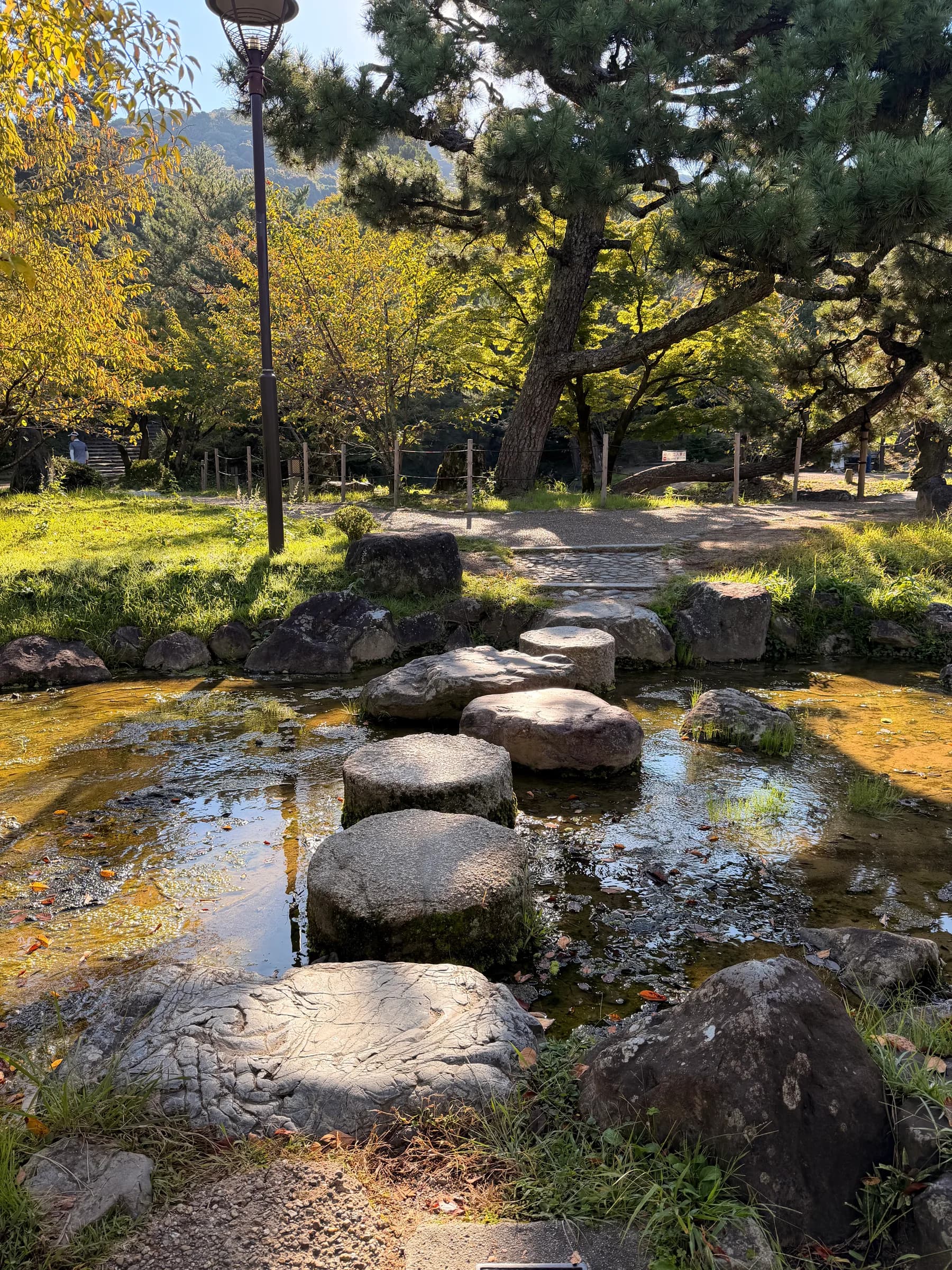
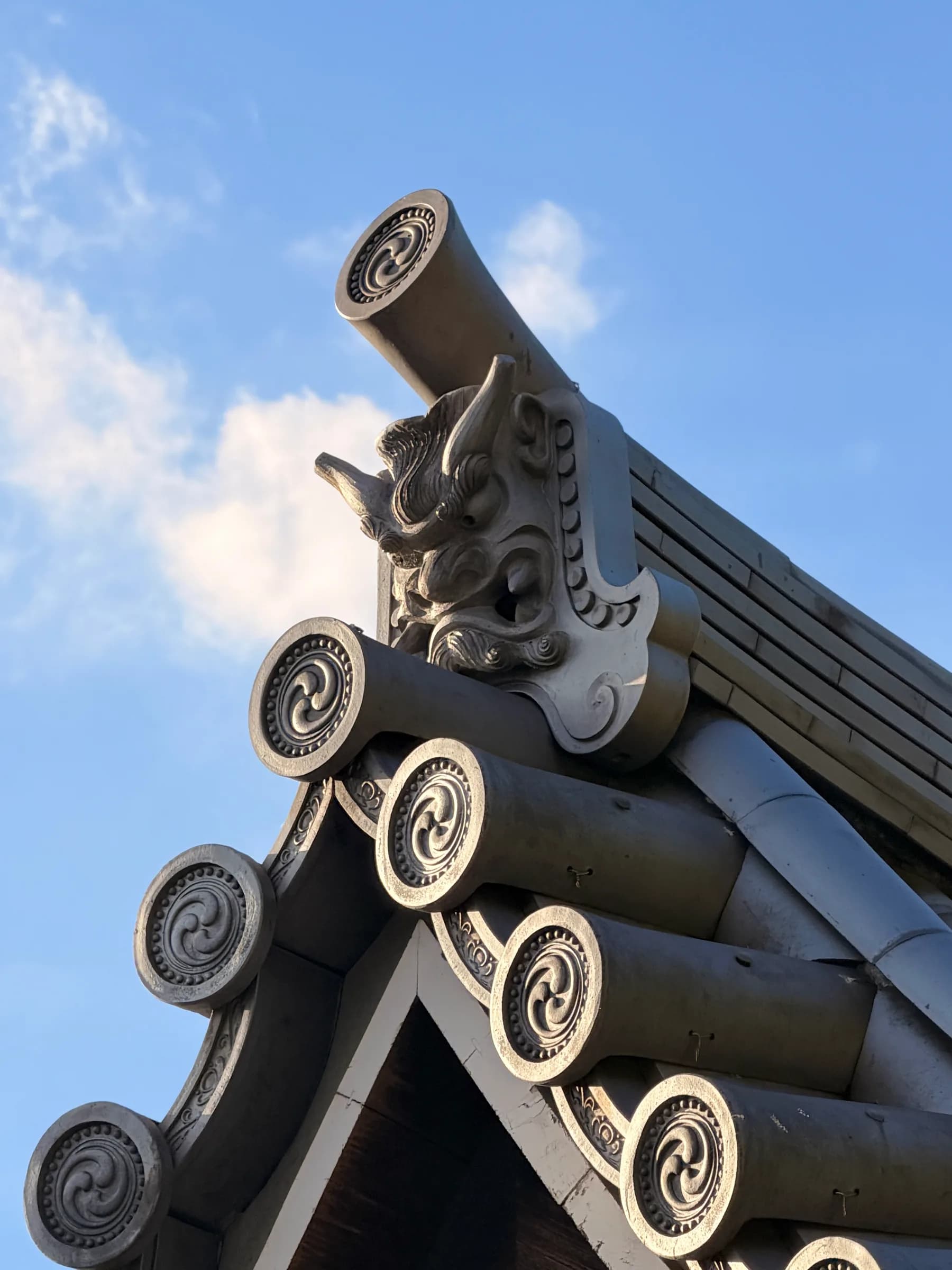
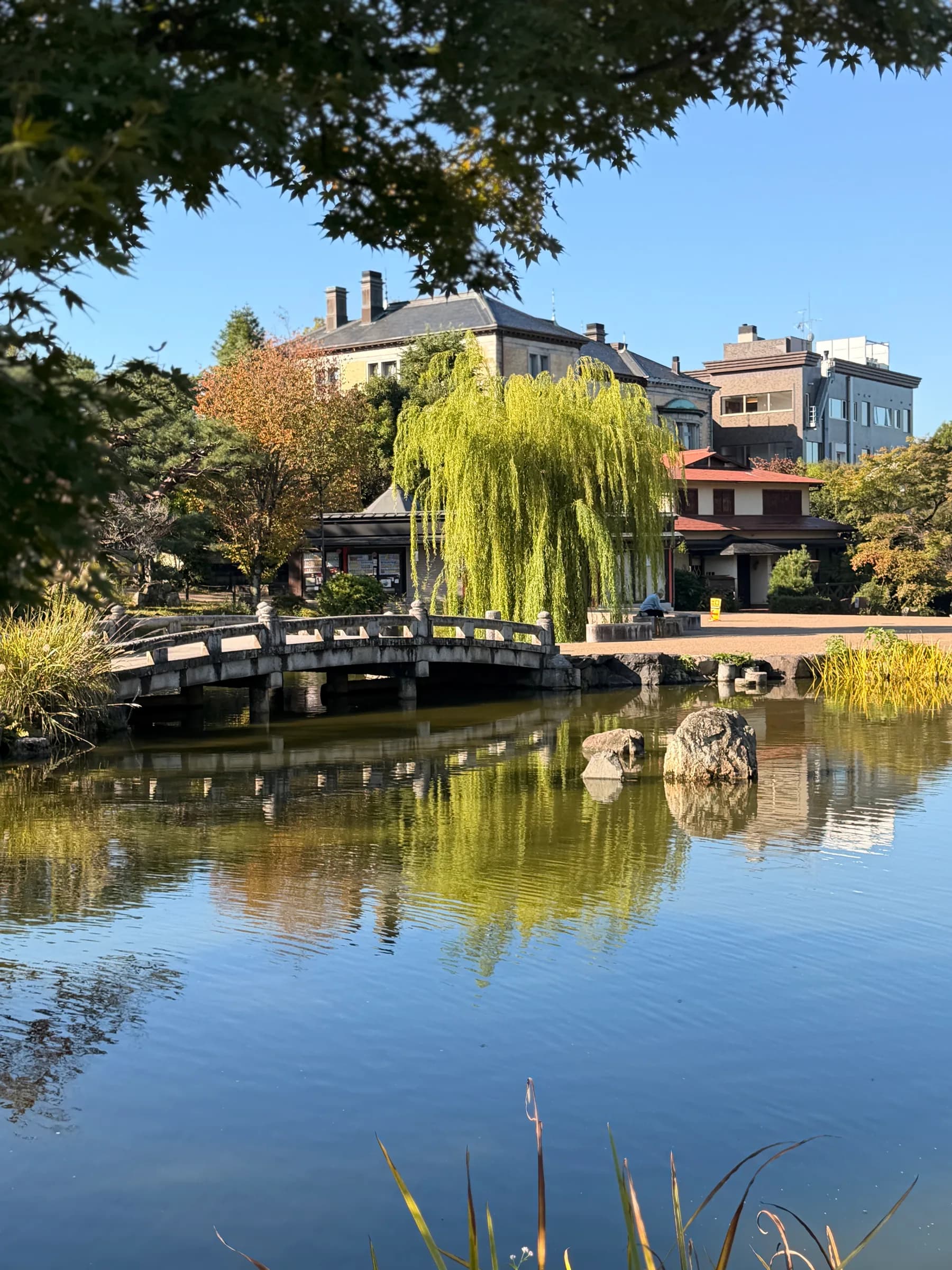
- Location
- Kyoto · Center, East
- Type
- Bike
- Duration
- 4h
- Group size
- 1 to 8 people
- Distance covered
- 11 km
- Difficulty
- Moderate
- Languages
- English, French
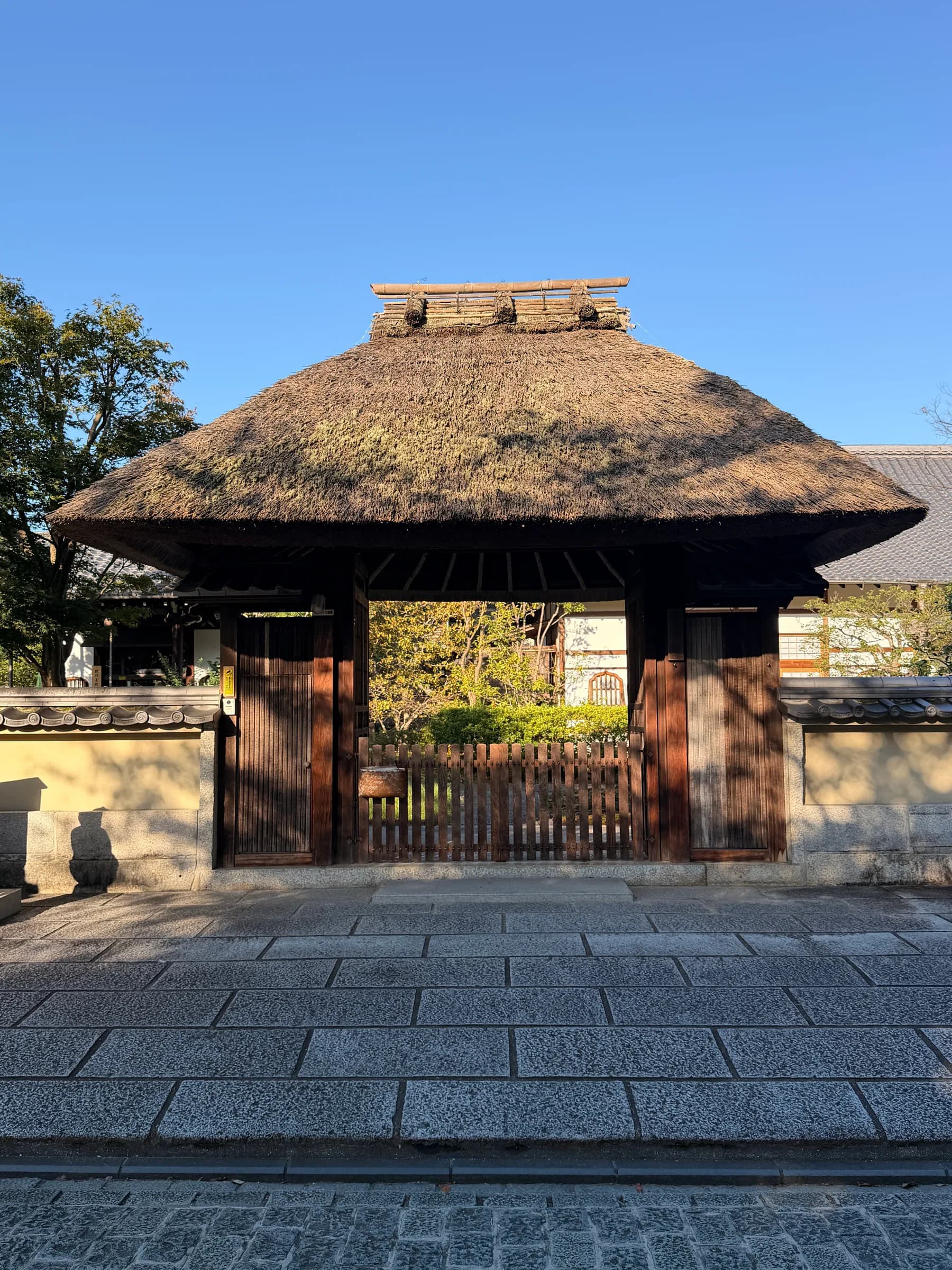
Explore Kyoto by bicycle on a smooth loop through backstreets, canal paths, temple and shrines. this tour introduces you to the city layout, history, and quiet neighborhood spots from Gojo to Okazaki.
Highlights
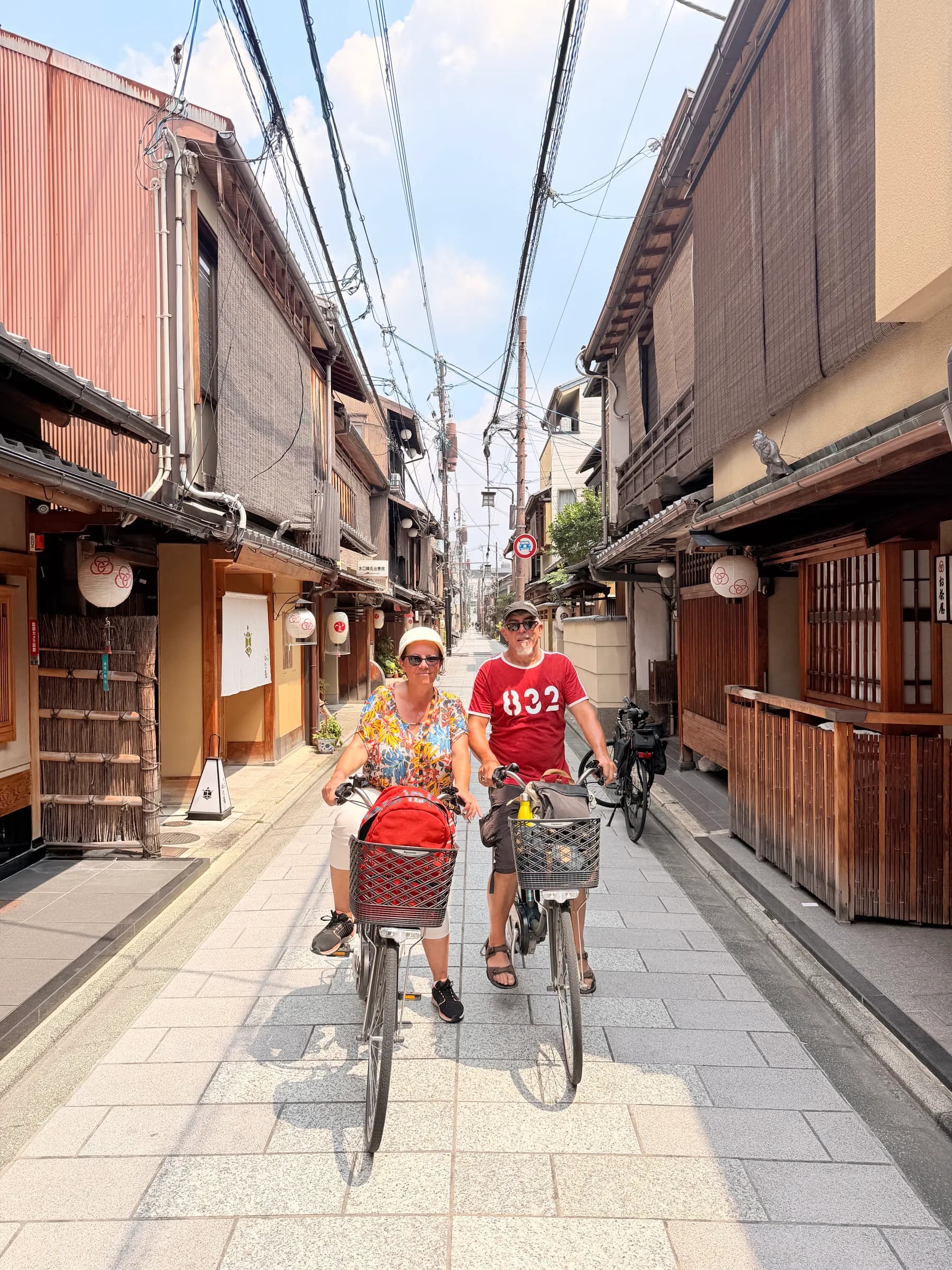
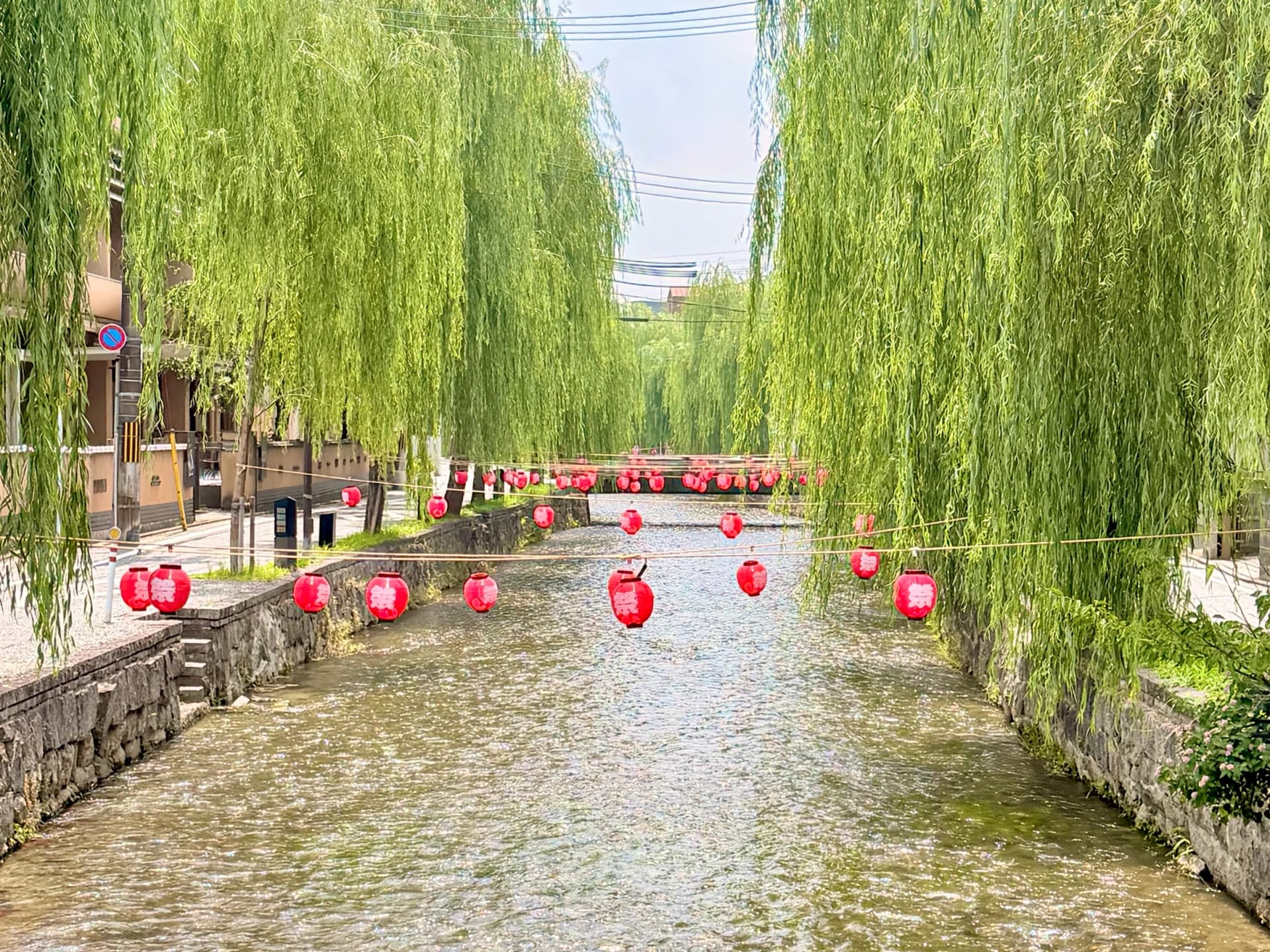
- Ride through quiet residential alleys and along willow-lined canals
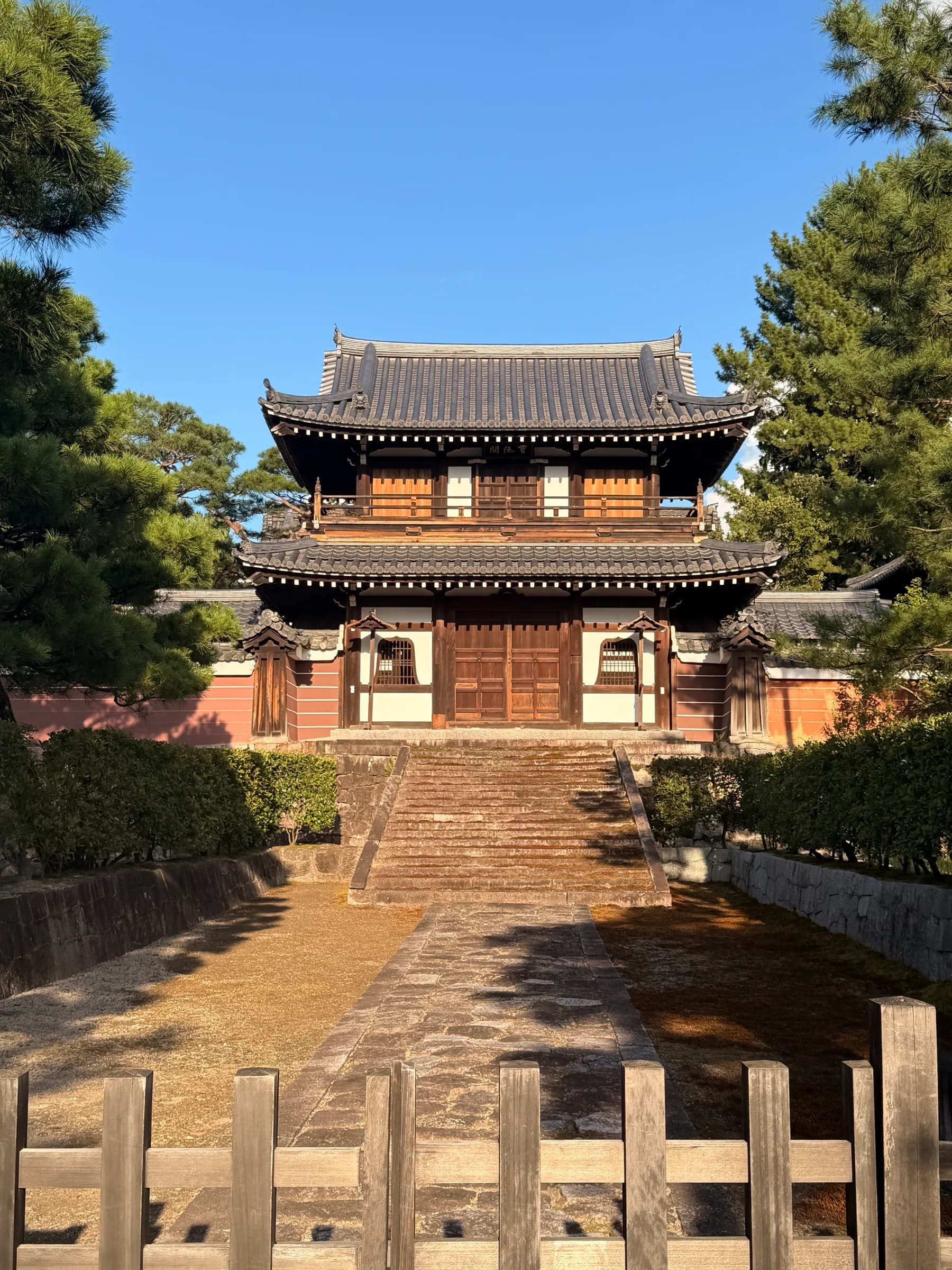
- Stop at Kyoto's oldest Zen temple, Kennin-ji, for a short walk
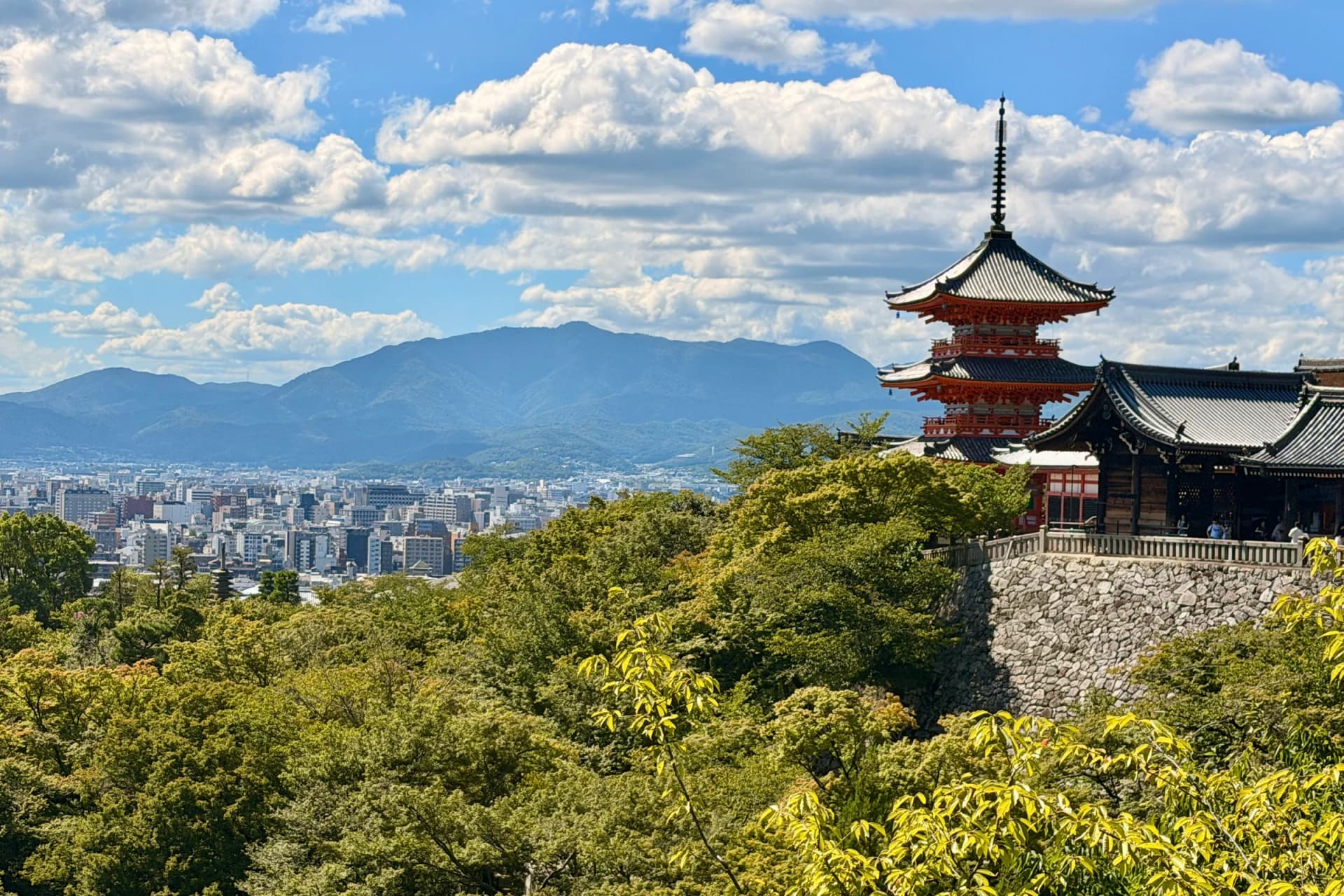
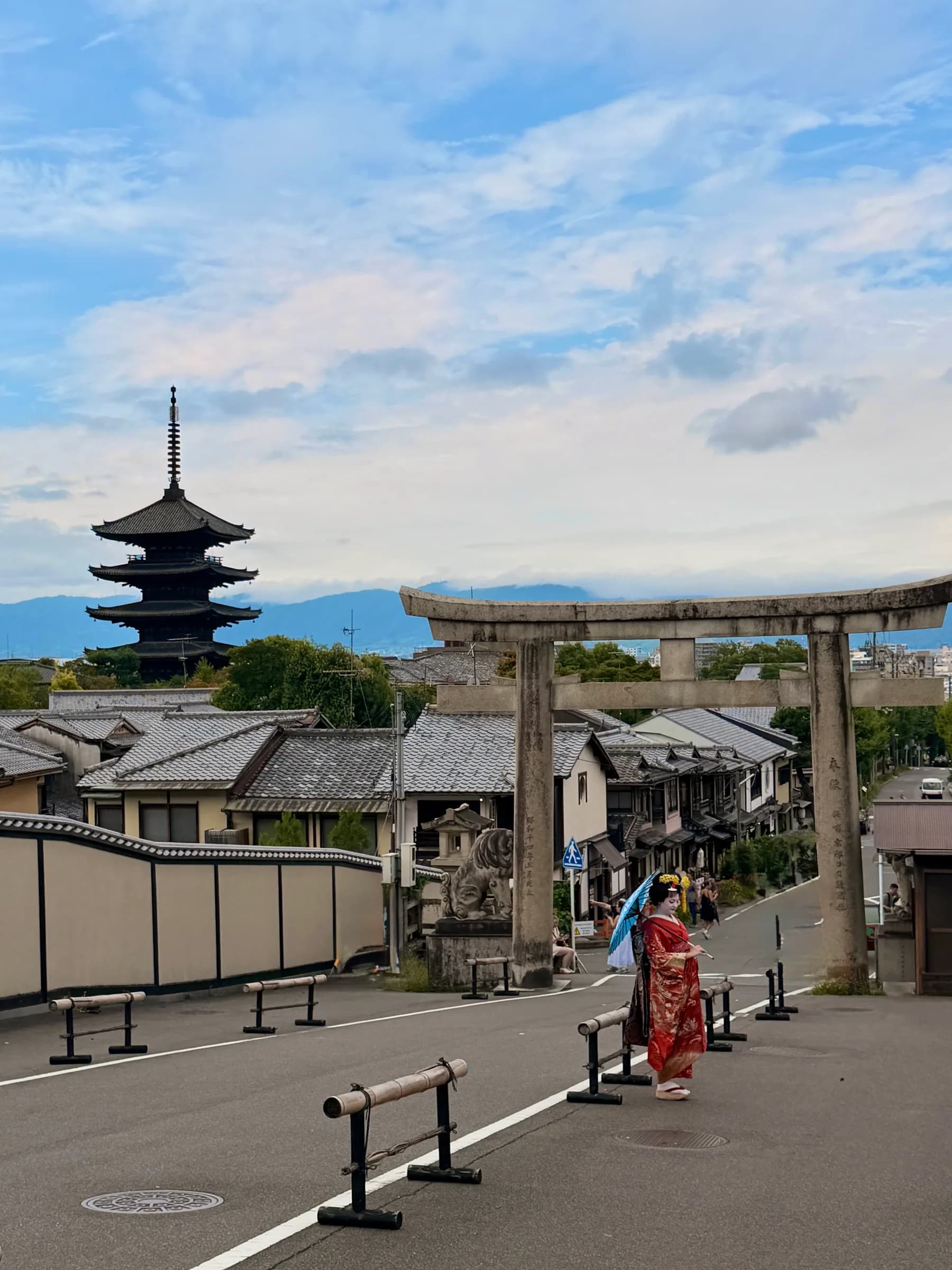
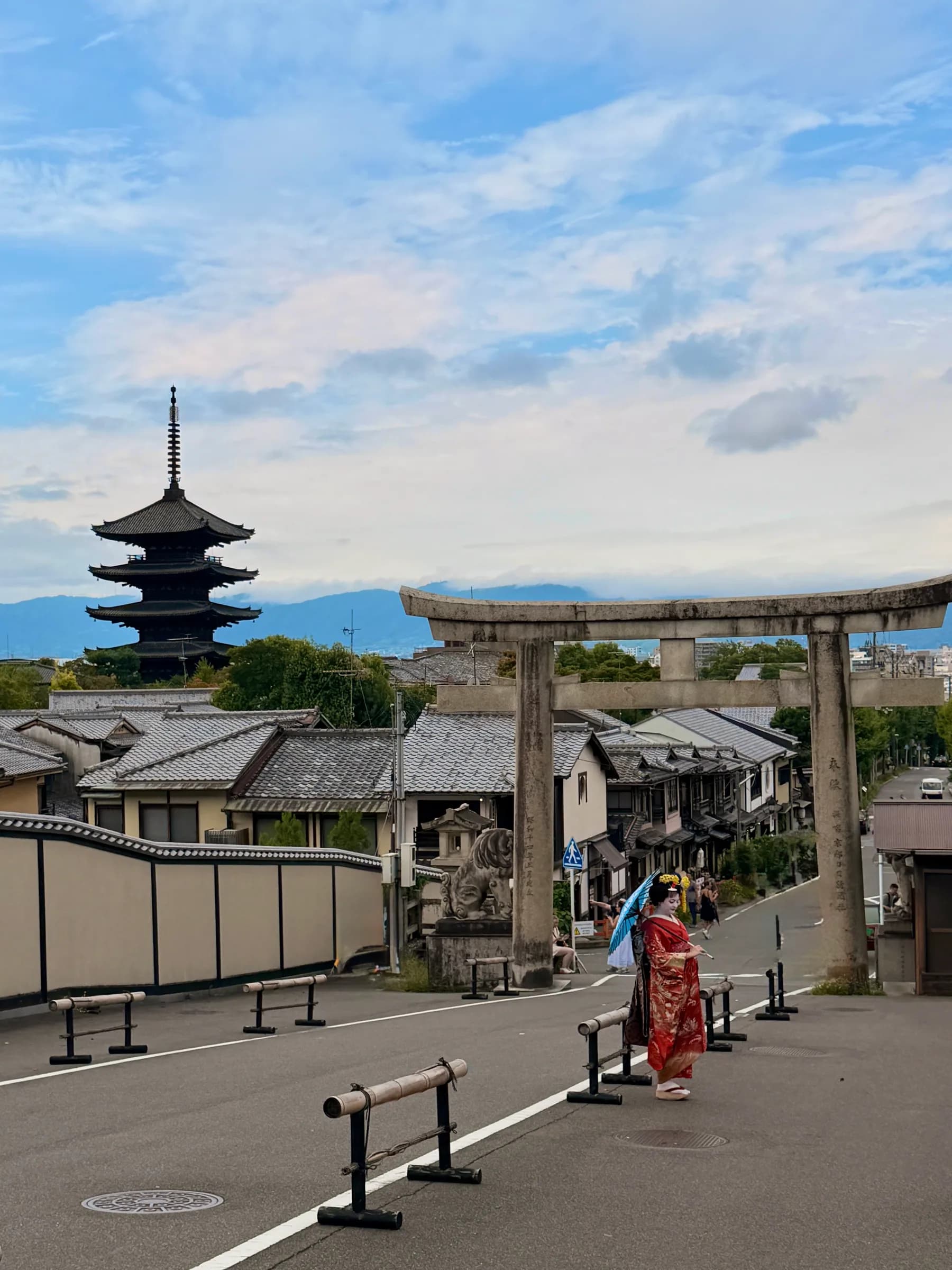
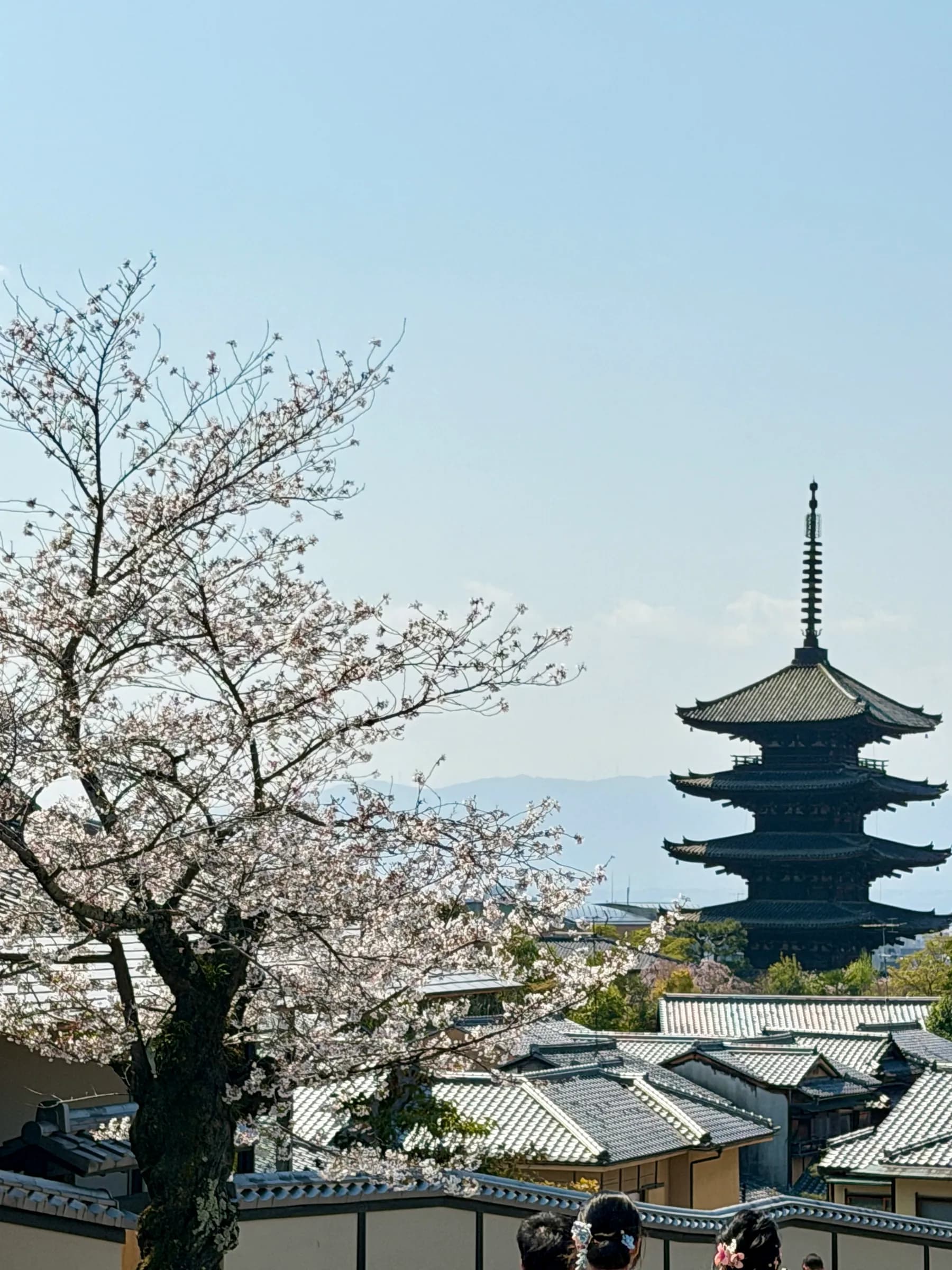
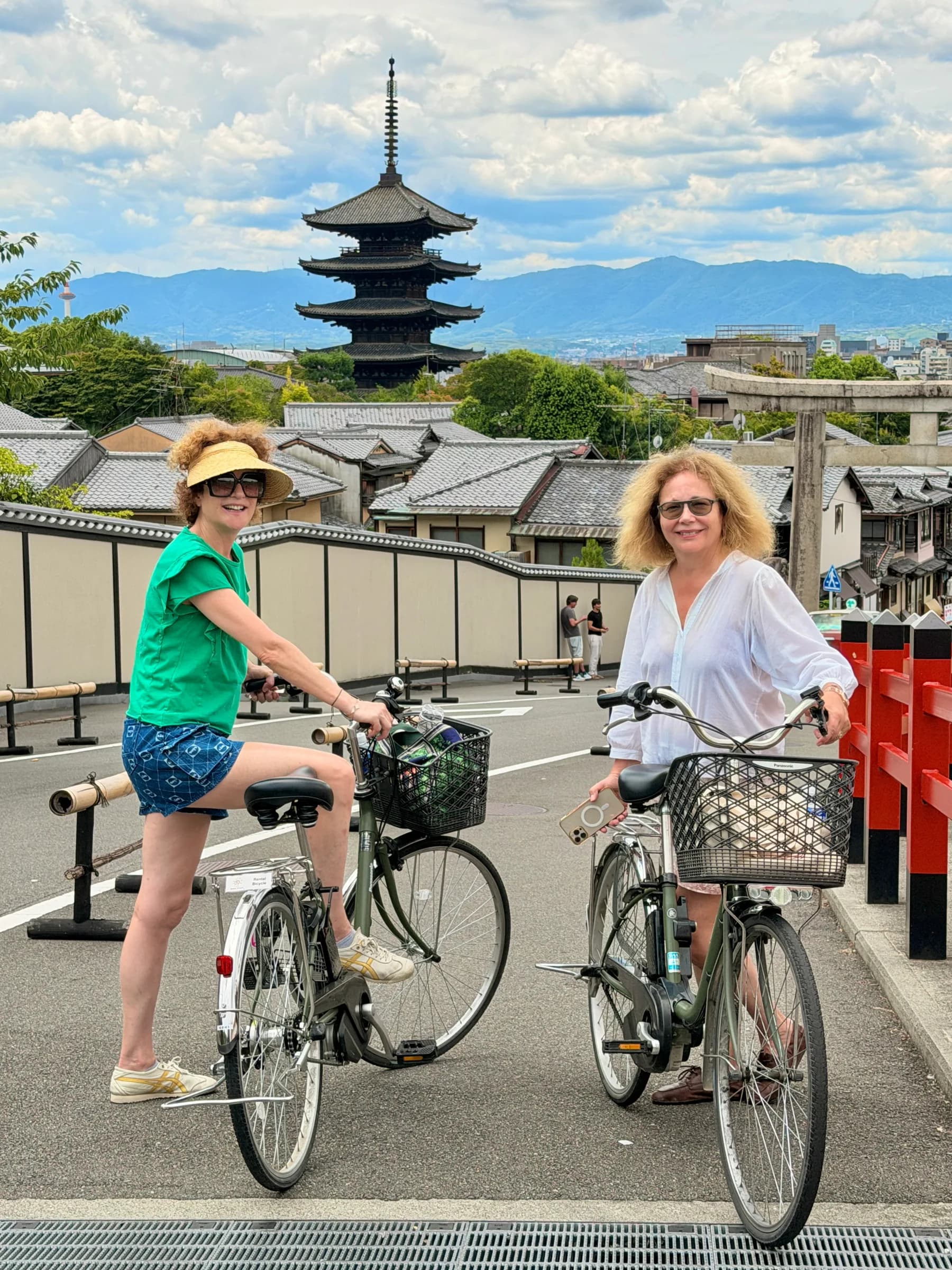
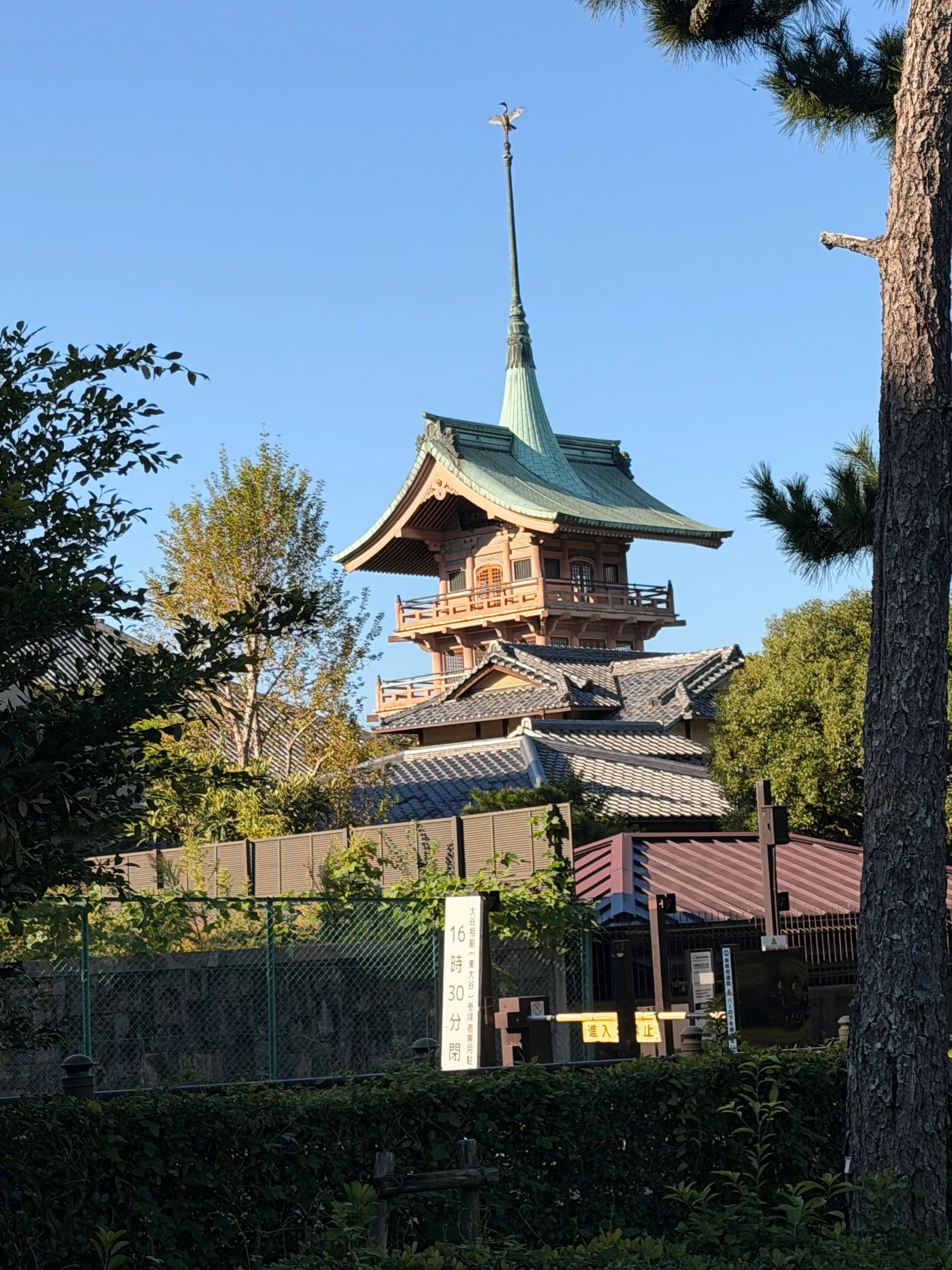
- See Yasaka Pagoda and enjoy a view over the wooden rooftops of Gion
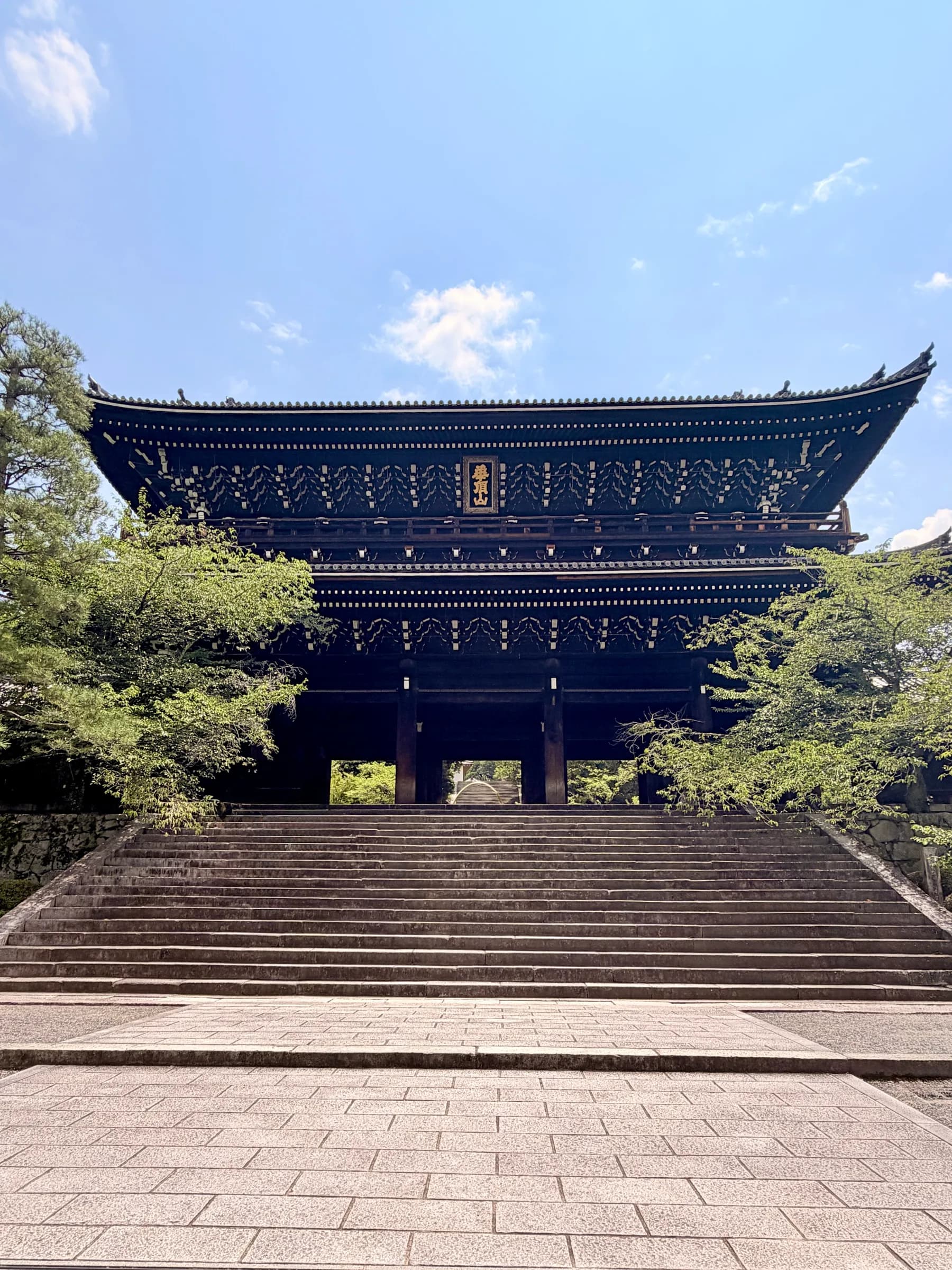
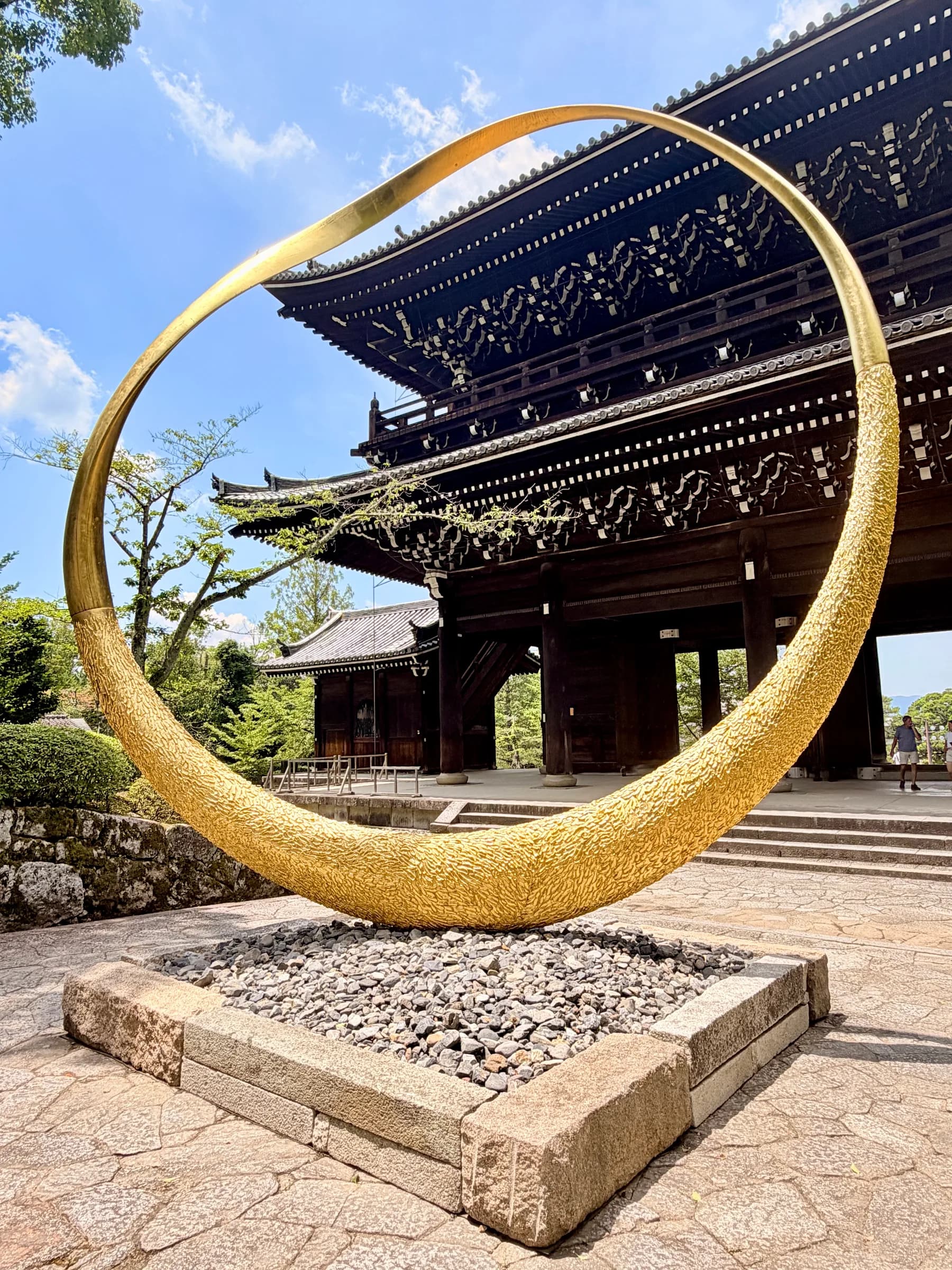
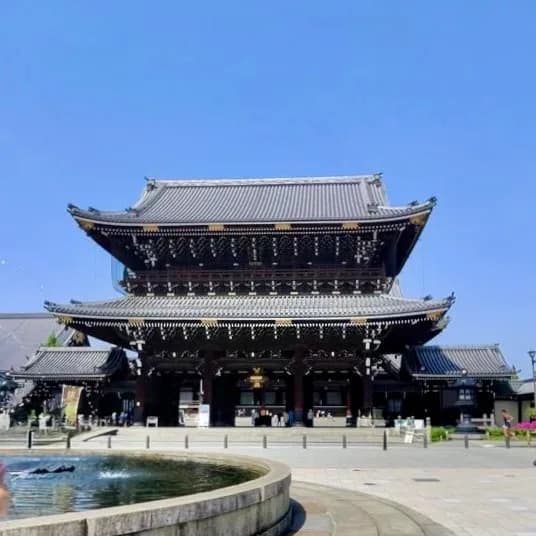
- Explore the massive wooden gates of Chion-in and the splendid
Itinerary
📌 Disclaimer: Itinerary is indicative.
This itinerary is for illustration purposes only and is non-binding. It is neither rigid nor exhaustive. On the day of the tour, your guide adapts the route live based on real-time factors: weather, public holidays, group pace, or spontaneous requests. Flexibility is our standard.
- 1
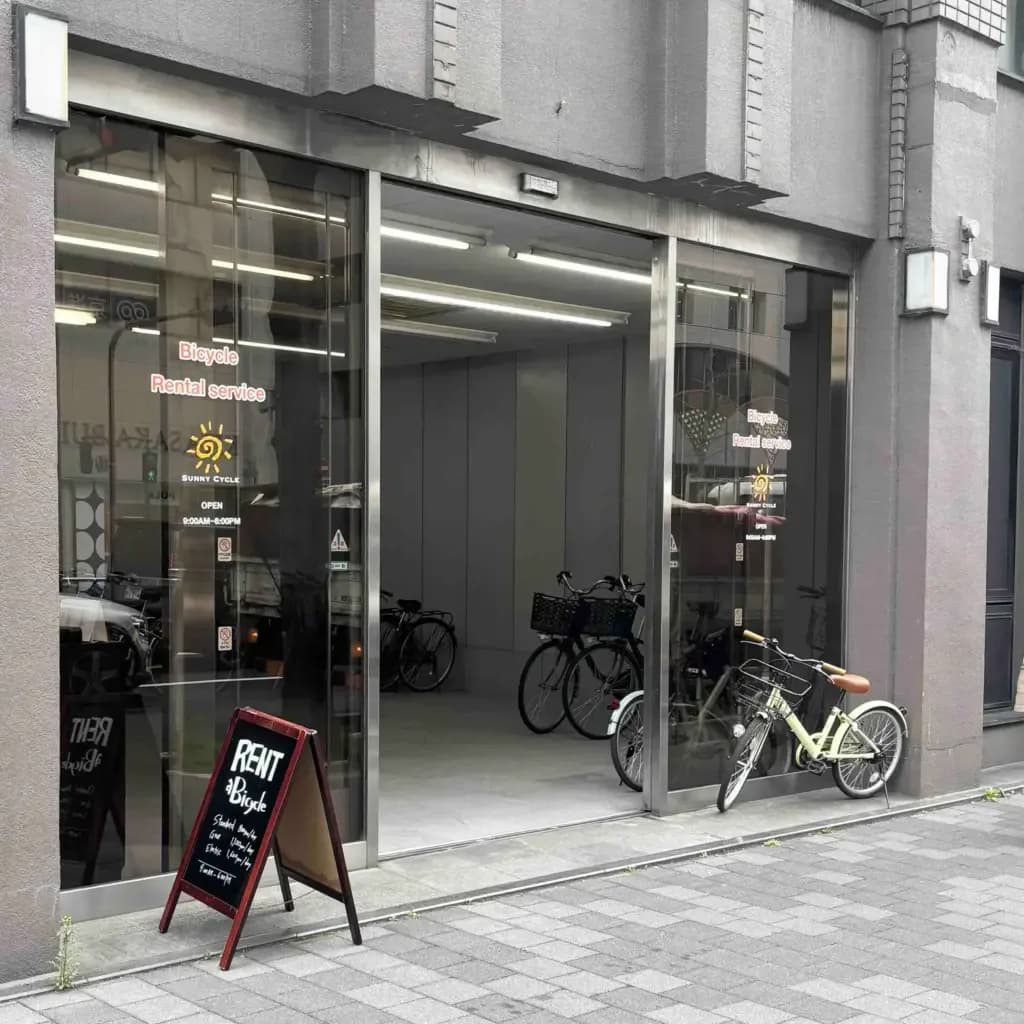 20 minSunny Cycle Gojo
Meet your guide, fit your bike, adjust helmets, and review safety rules.
- 2
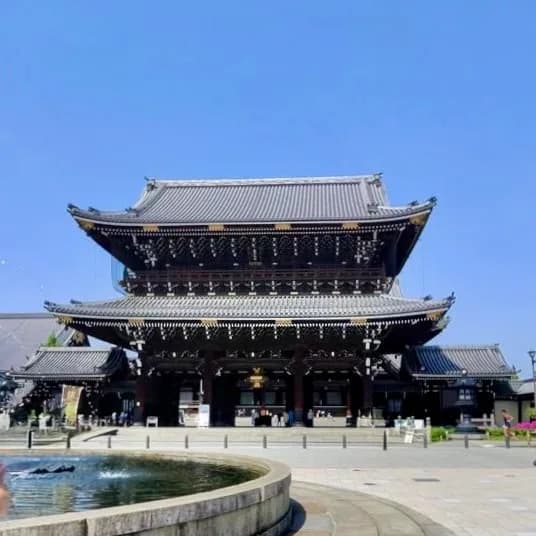 25 minHigashi Hongan-ji
Stop by the bronze lotus fountain and see the Goei-do hall while discussing Kyoto urban structure.
- 3
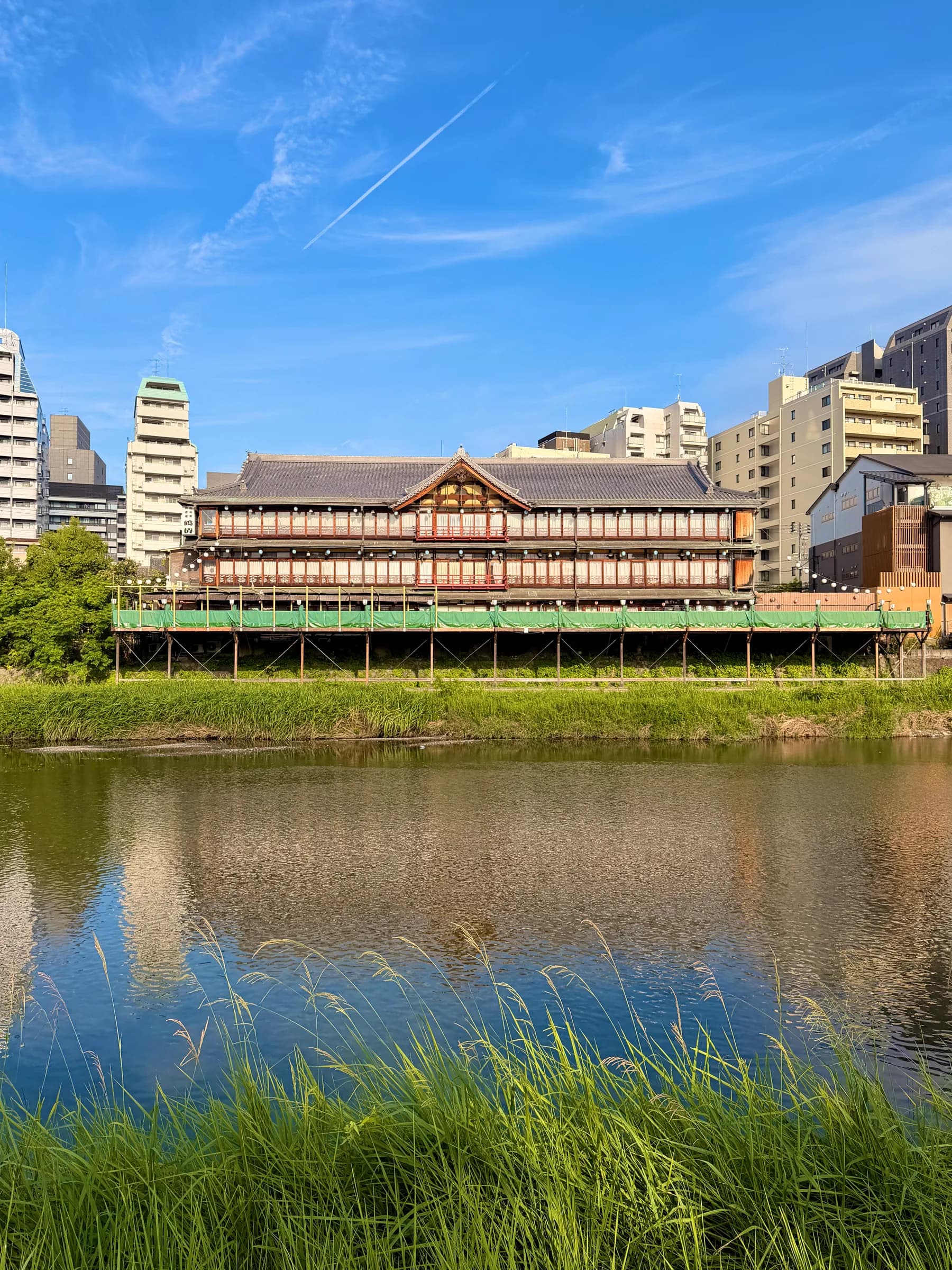
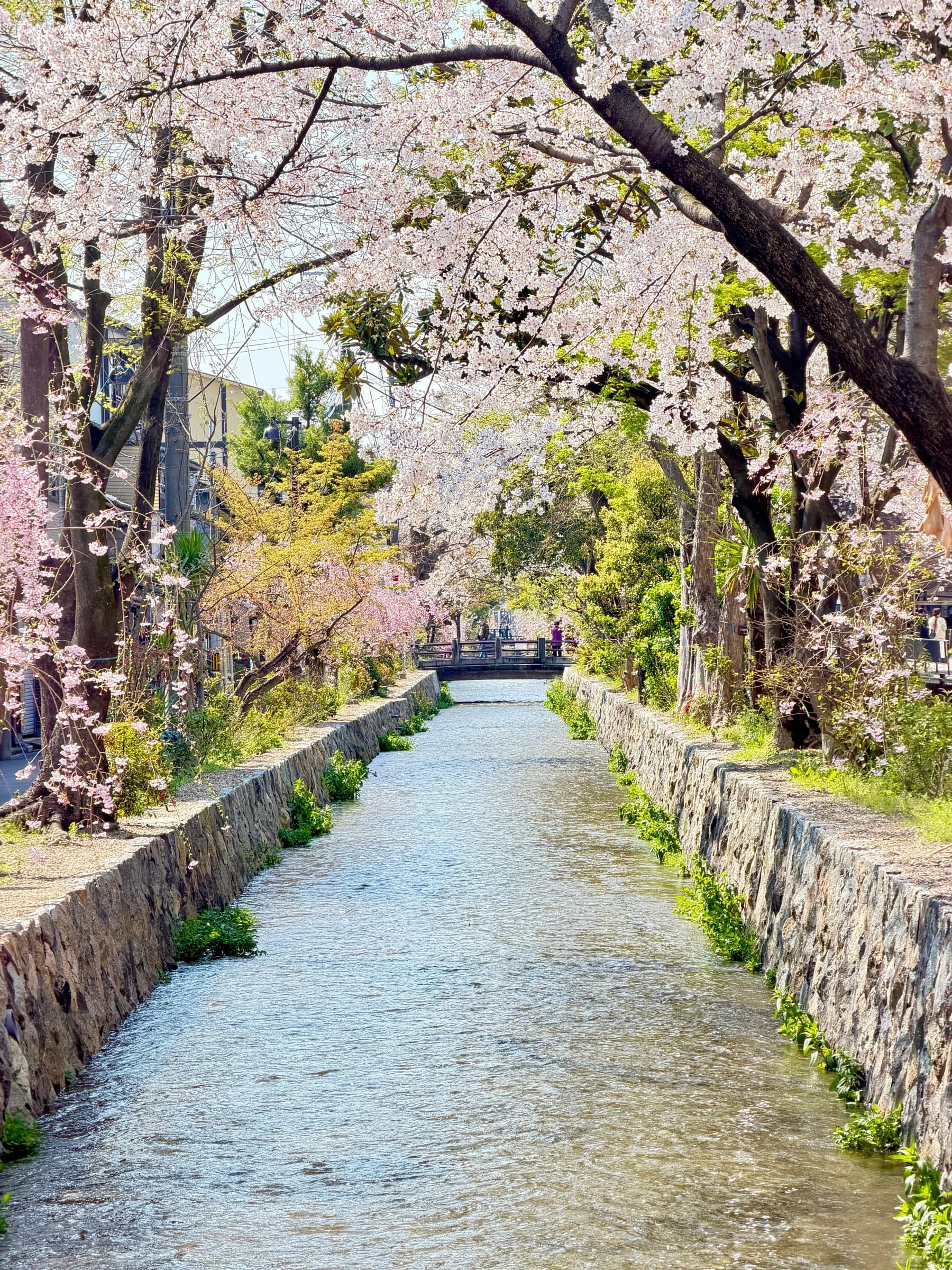 20 minTakasegawa Canal and Matsubara Bridge
Ride along Takasegawa canal and cross the Kamo River, learning about historic trade routes.
- 4
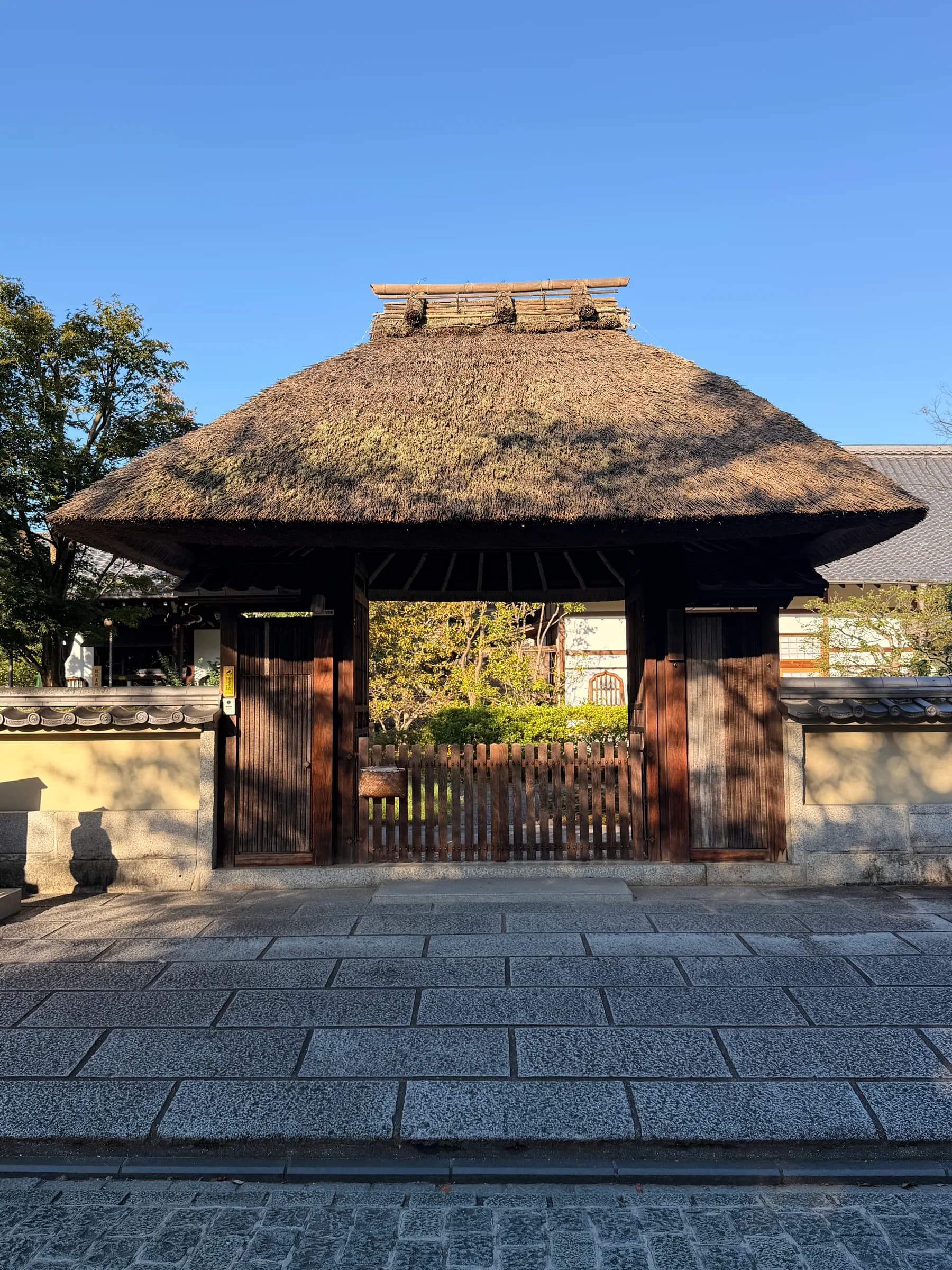
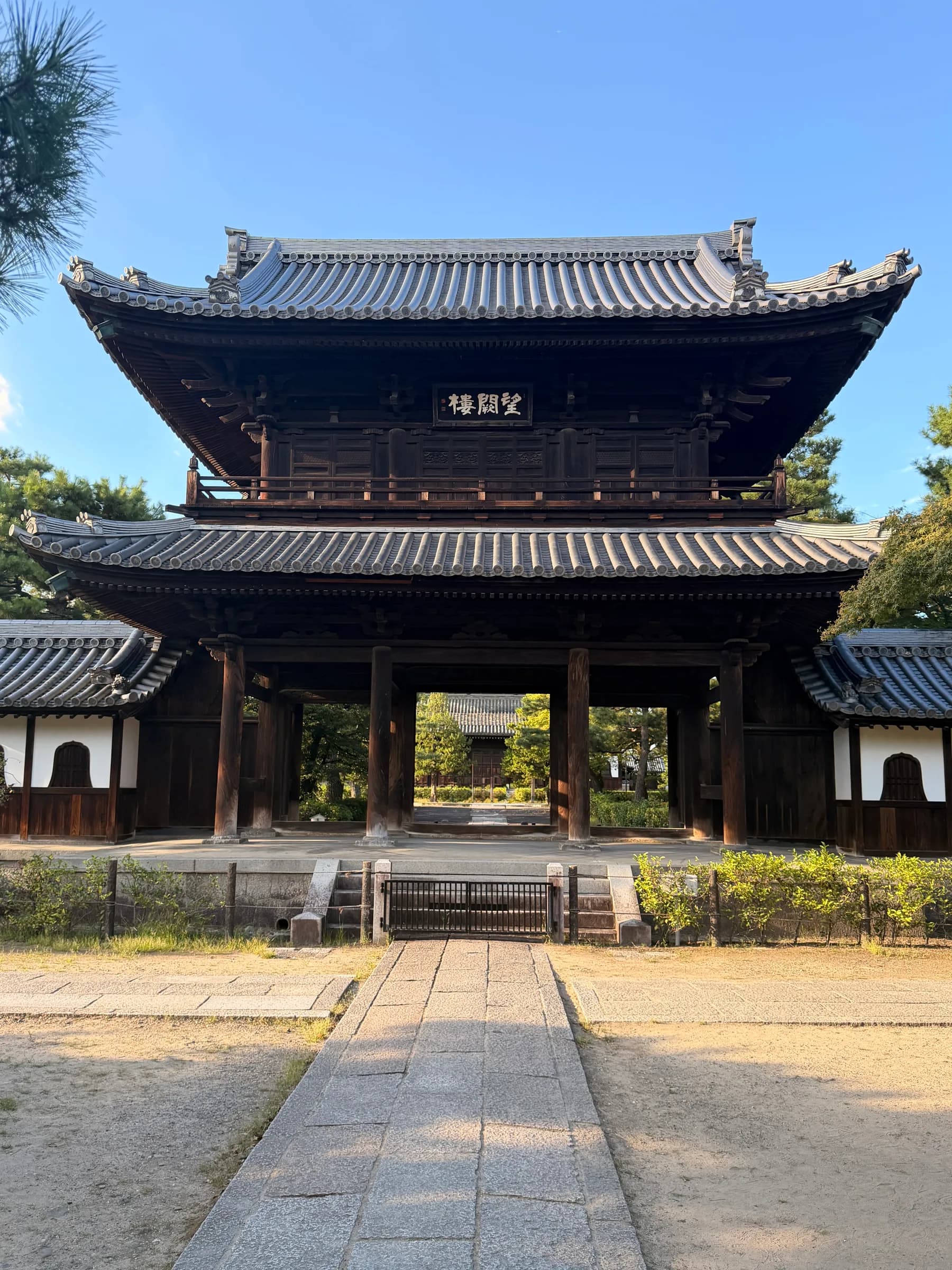 30 minKennin-ji Temple
Park the bikes for a short walk through Kyoto oldest Zen temple grounds.
- 5
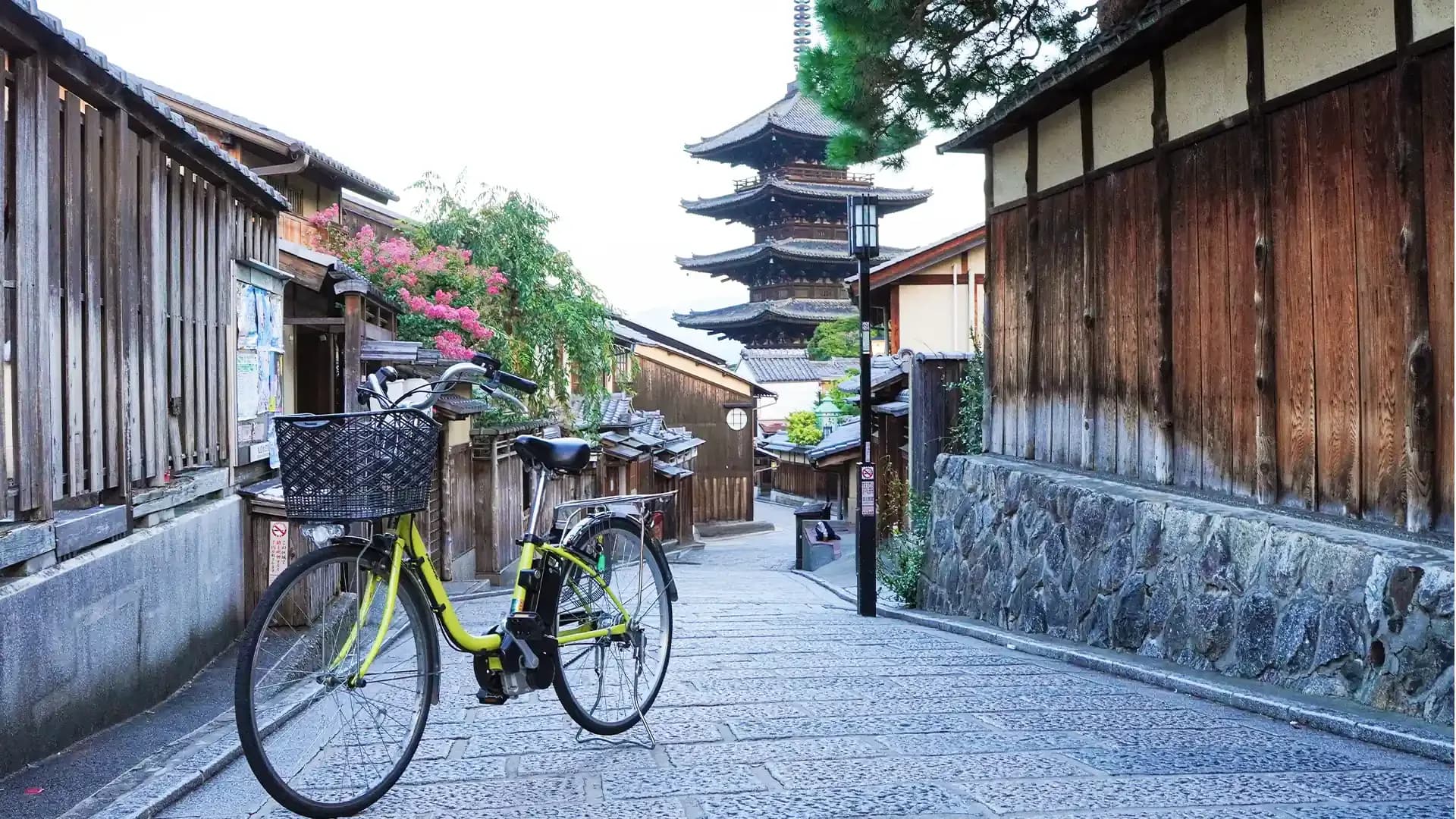
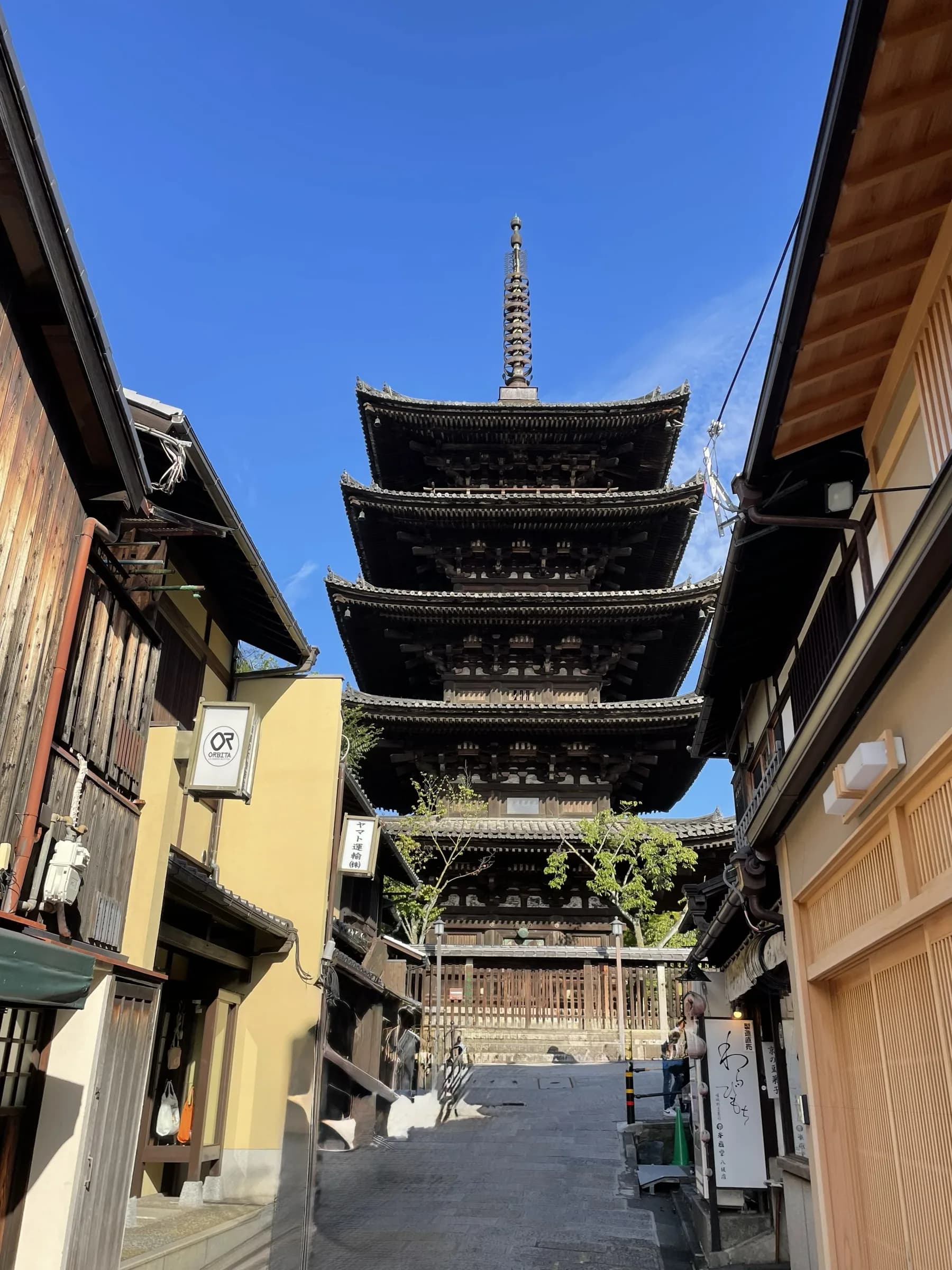 25 minHokan-ji (Yasaka Pagoda)
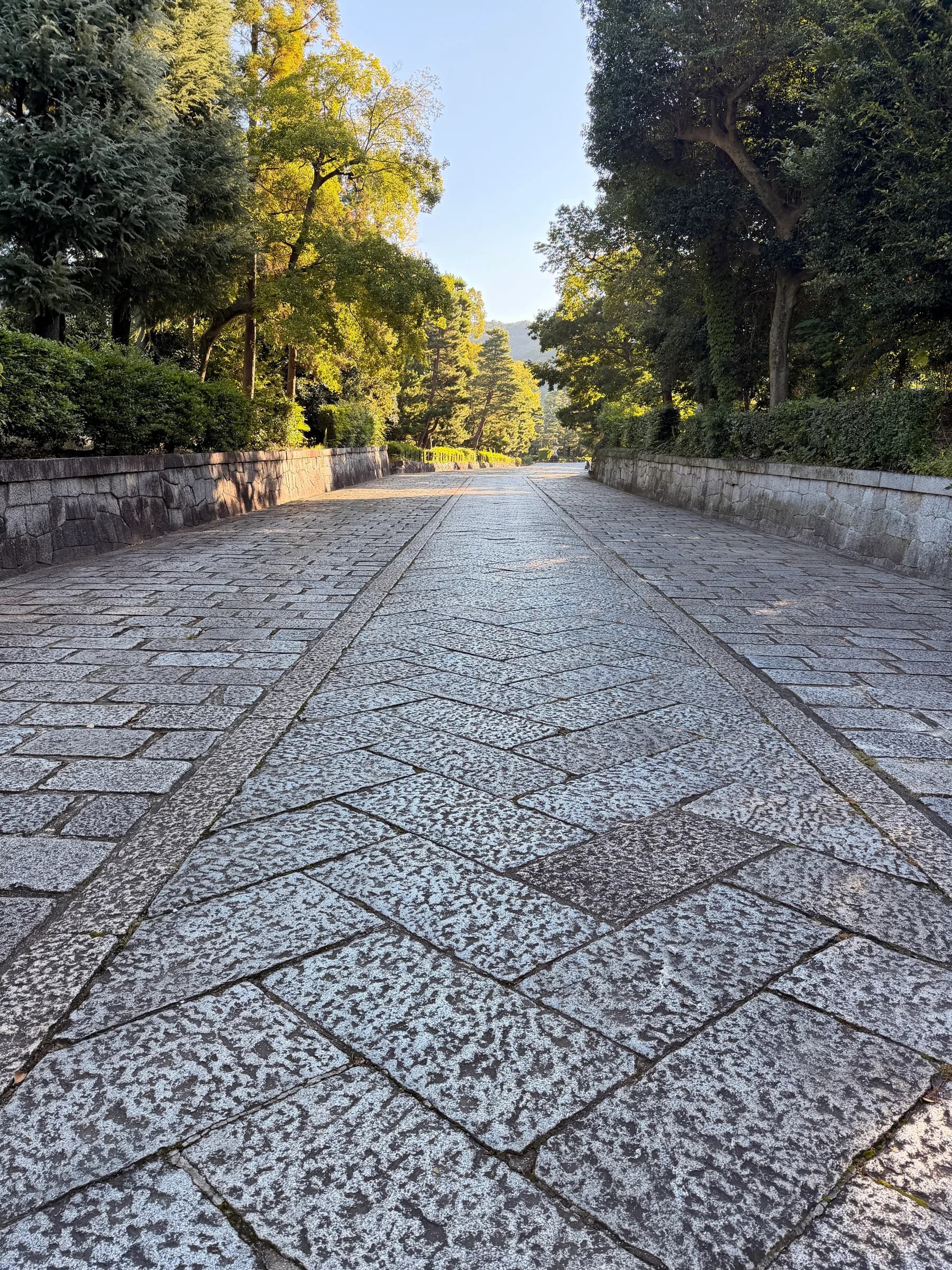
Cycle through stone-paved streets to the base of Yasaka Pagoda.
- 6
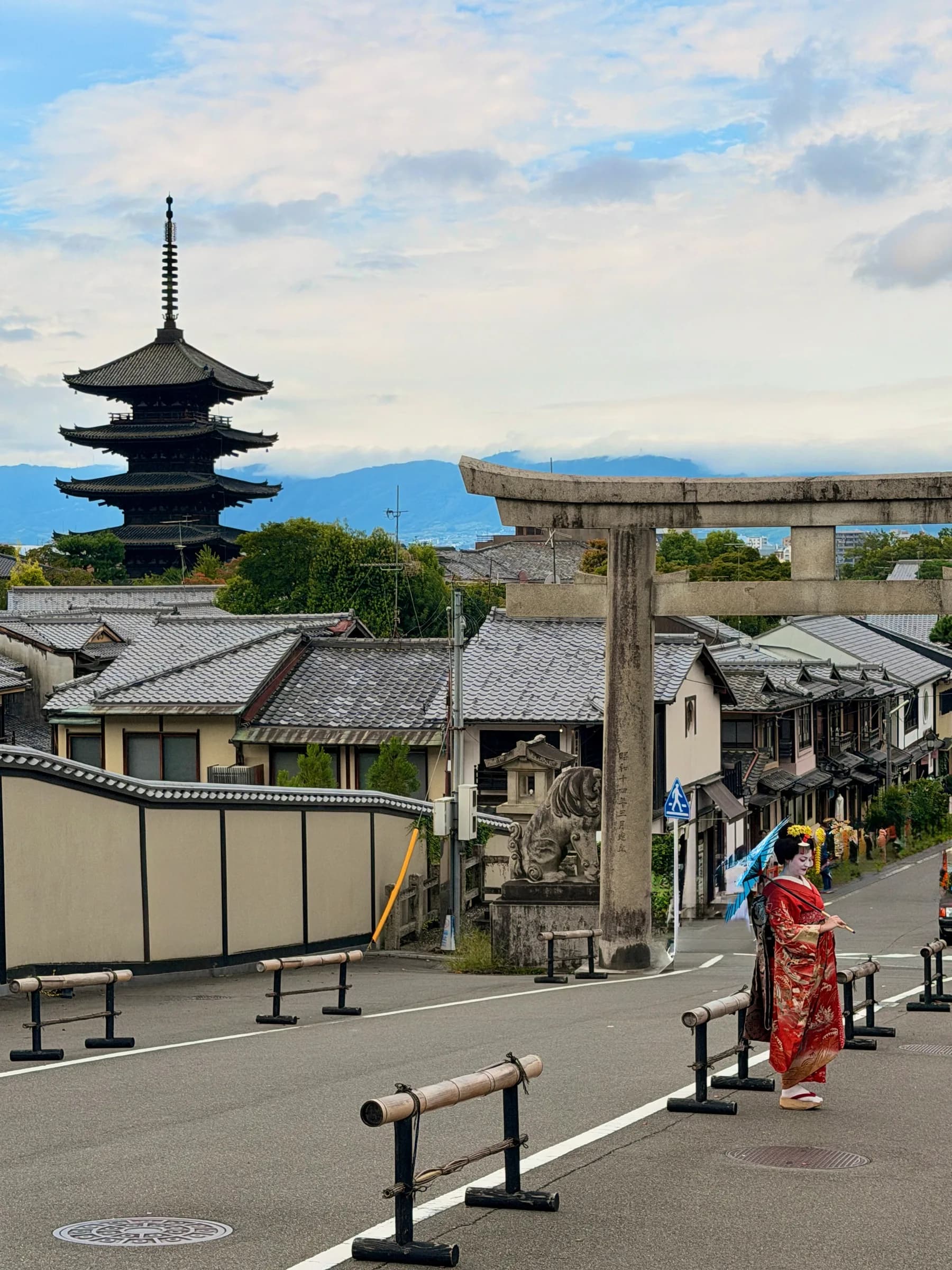 25 minRyozen Gokoku-jinja and Ishin-no-michi Viewpoint
Climb the short slope of Ishin-no-michi for a viewpoint looking over Gion and central Kyoto.
- 7
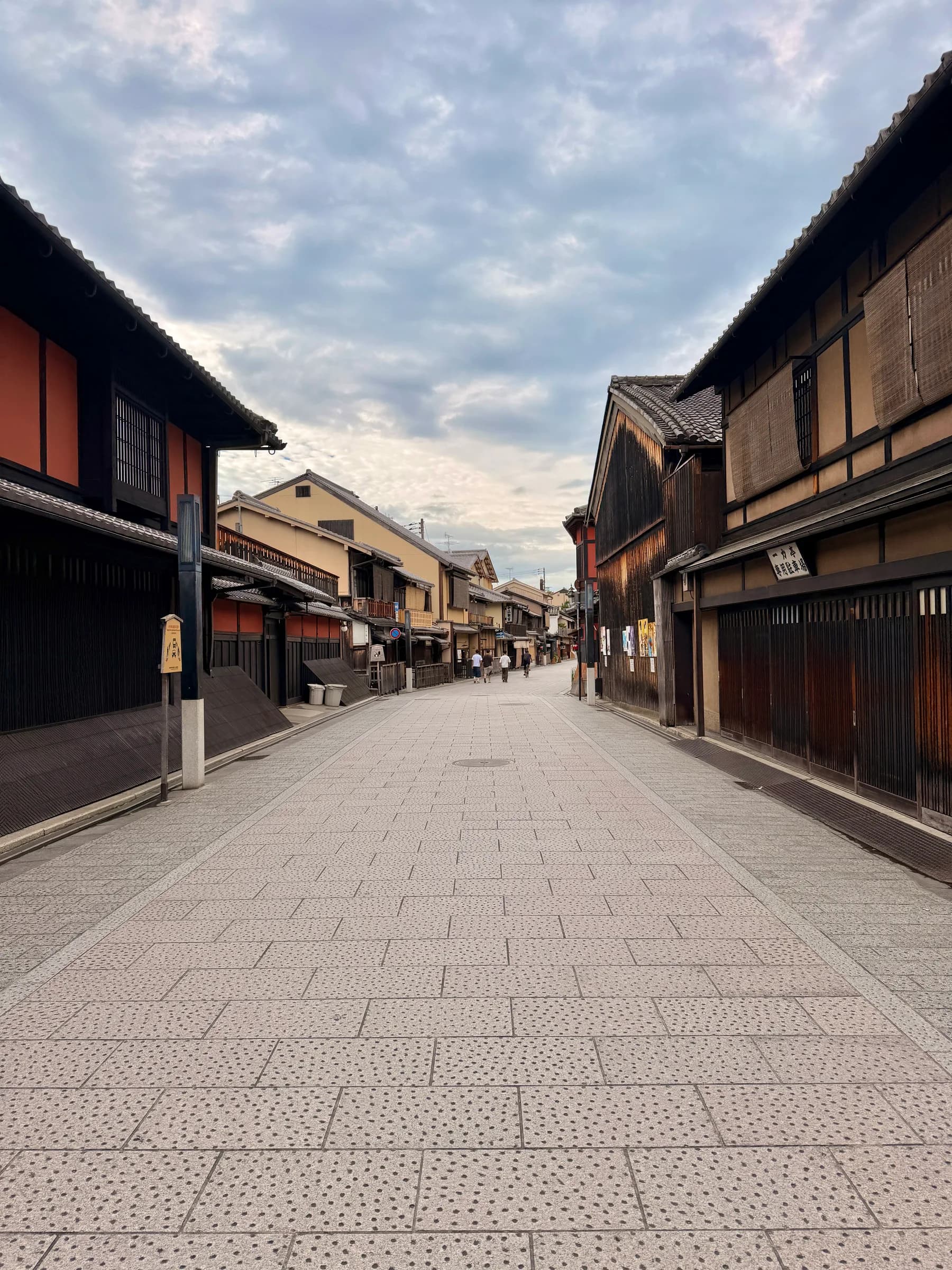
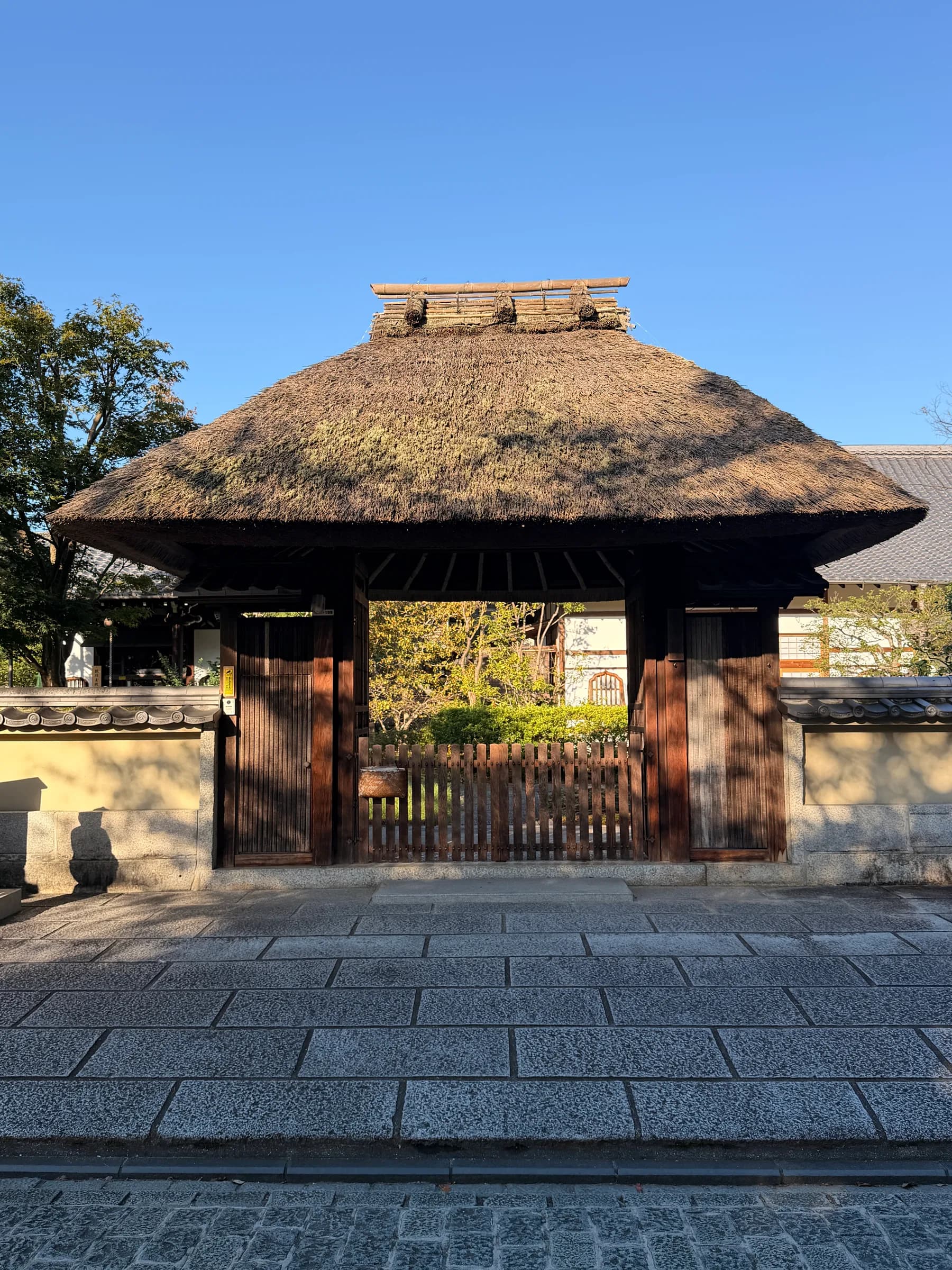 10 minNene no michi
Stroll along the paved historic lane and admire traditional wooden facades while uncovering the samurai heritage of the area.
- 8
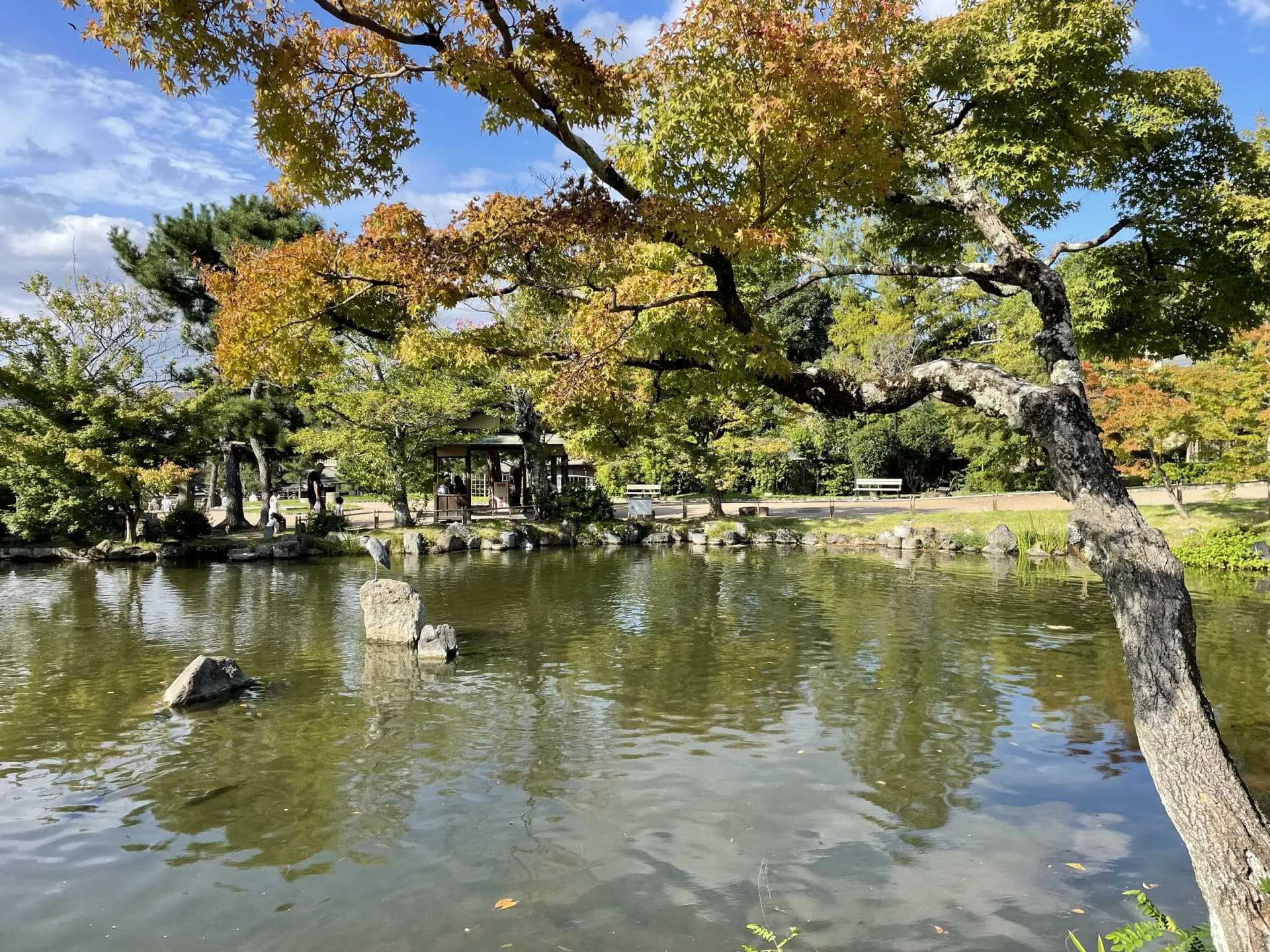 10 minMaruyama Park
Walk through this scenic public park and admire its iconic weeping cherry tree while discussing Kyoto’s seasonal hanami culture.
- 9
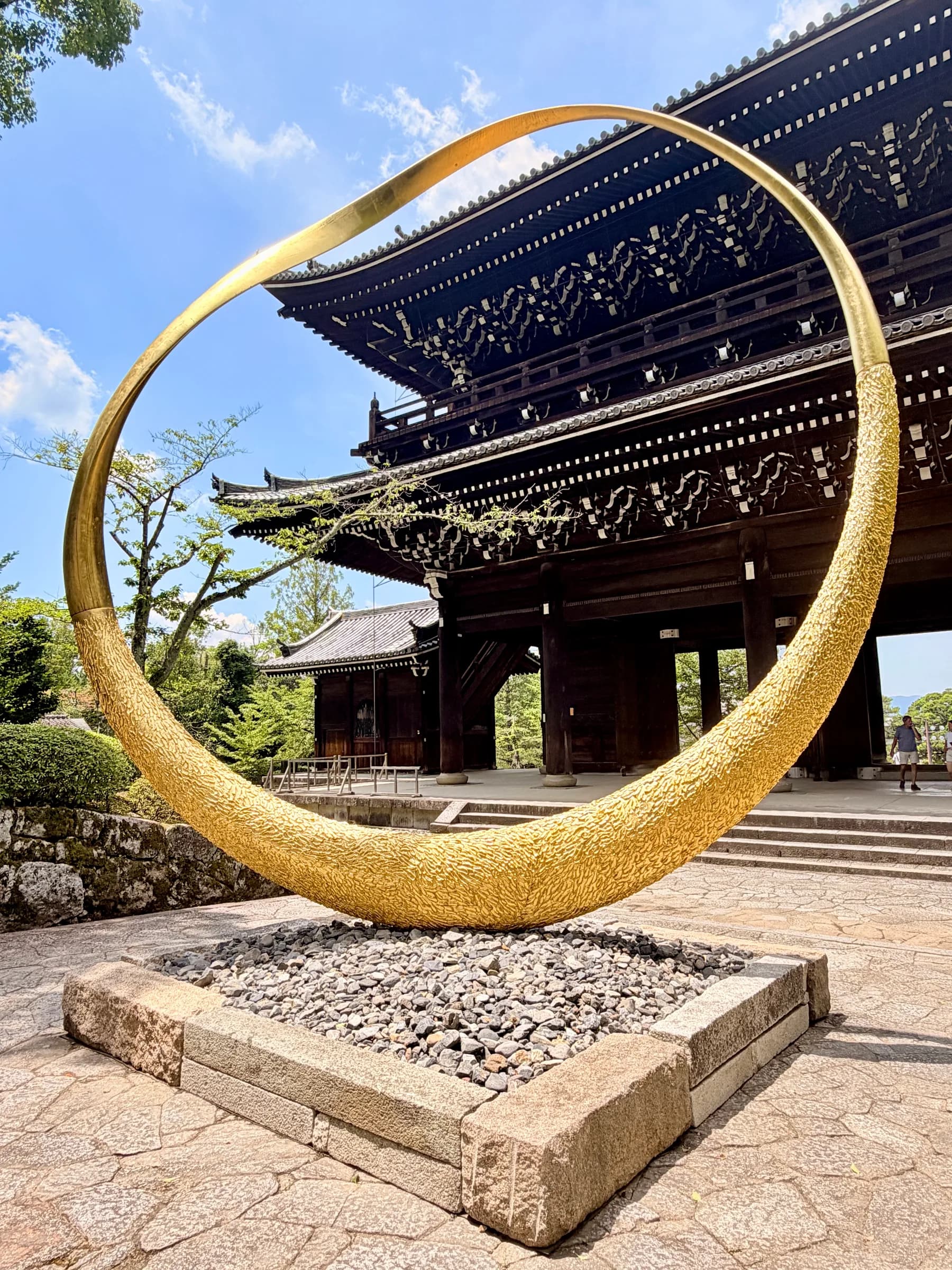 10 minChion-in Temple
See the Sanmon Gate, the largest wooden two-story gate in Japan.
- 10
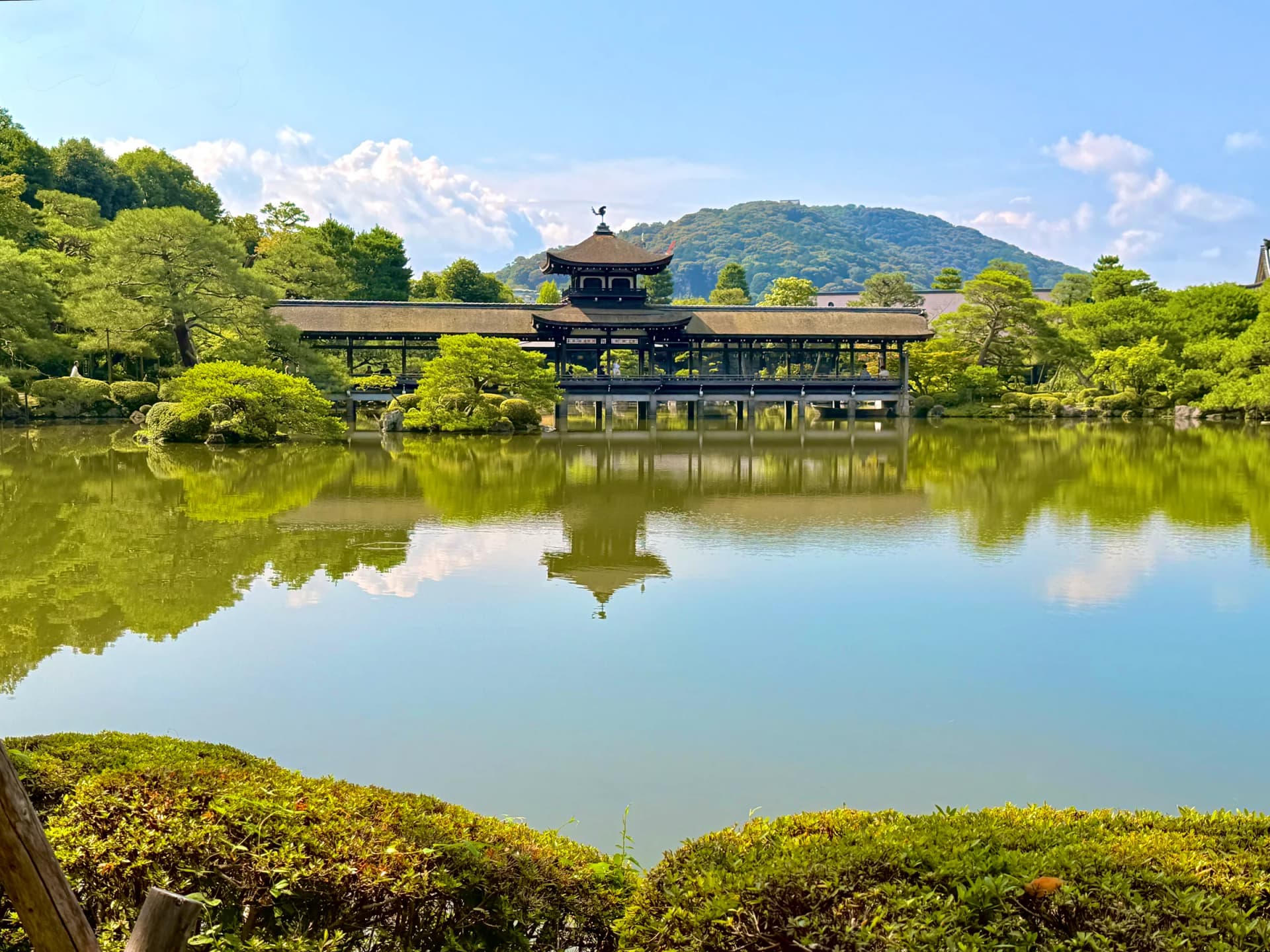
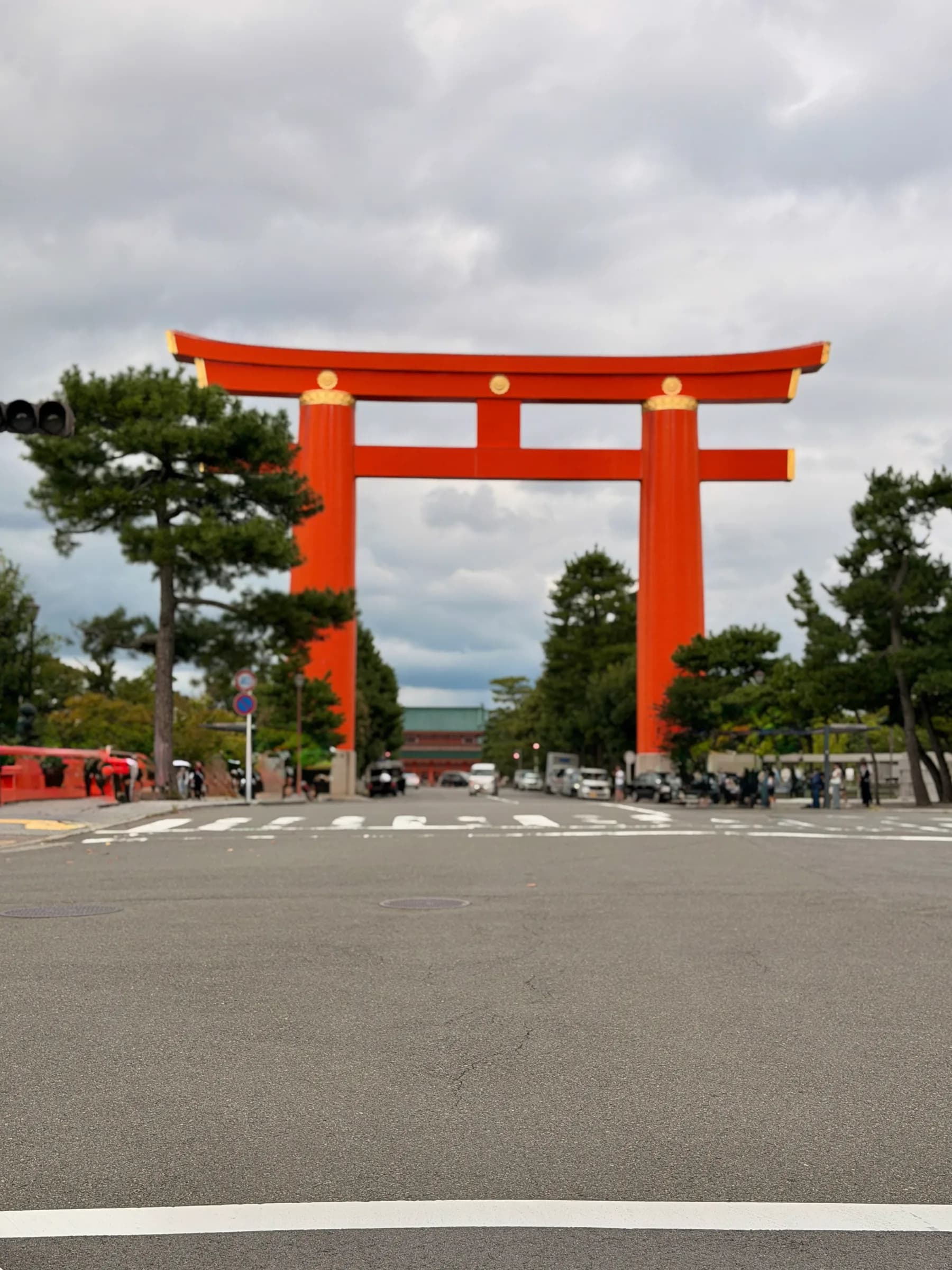
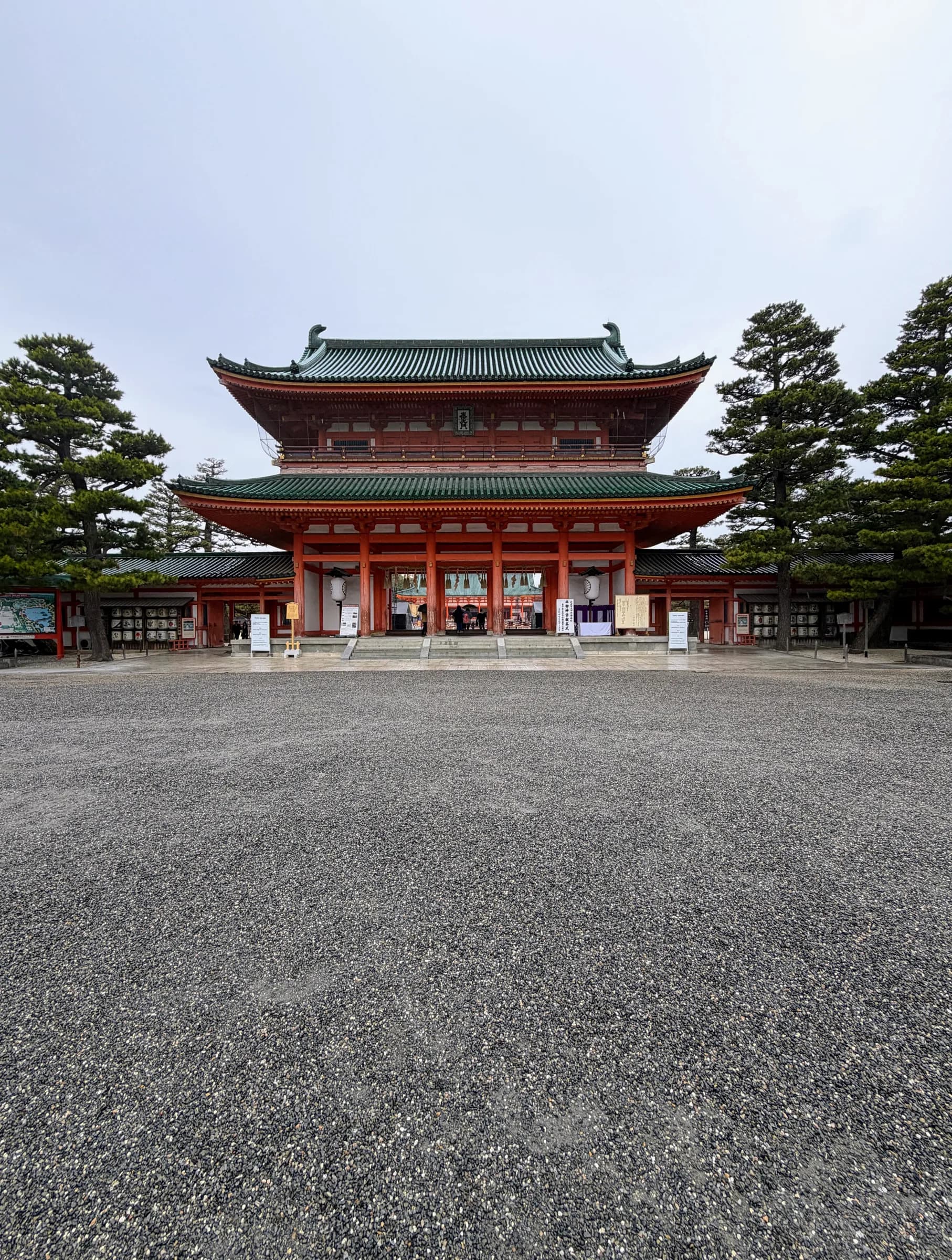
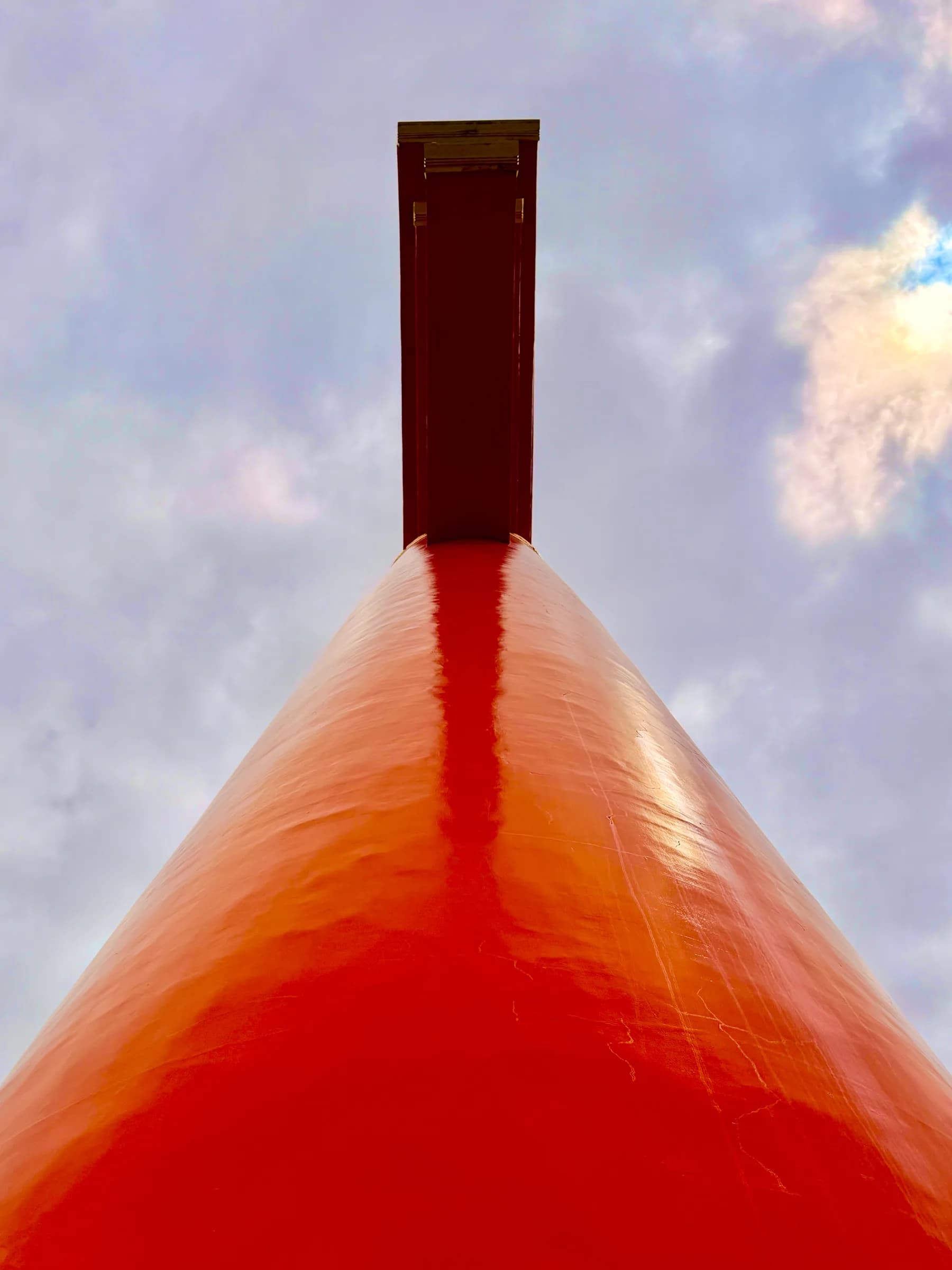
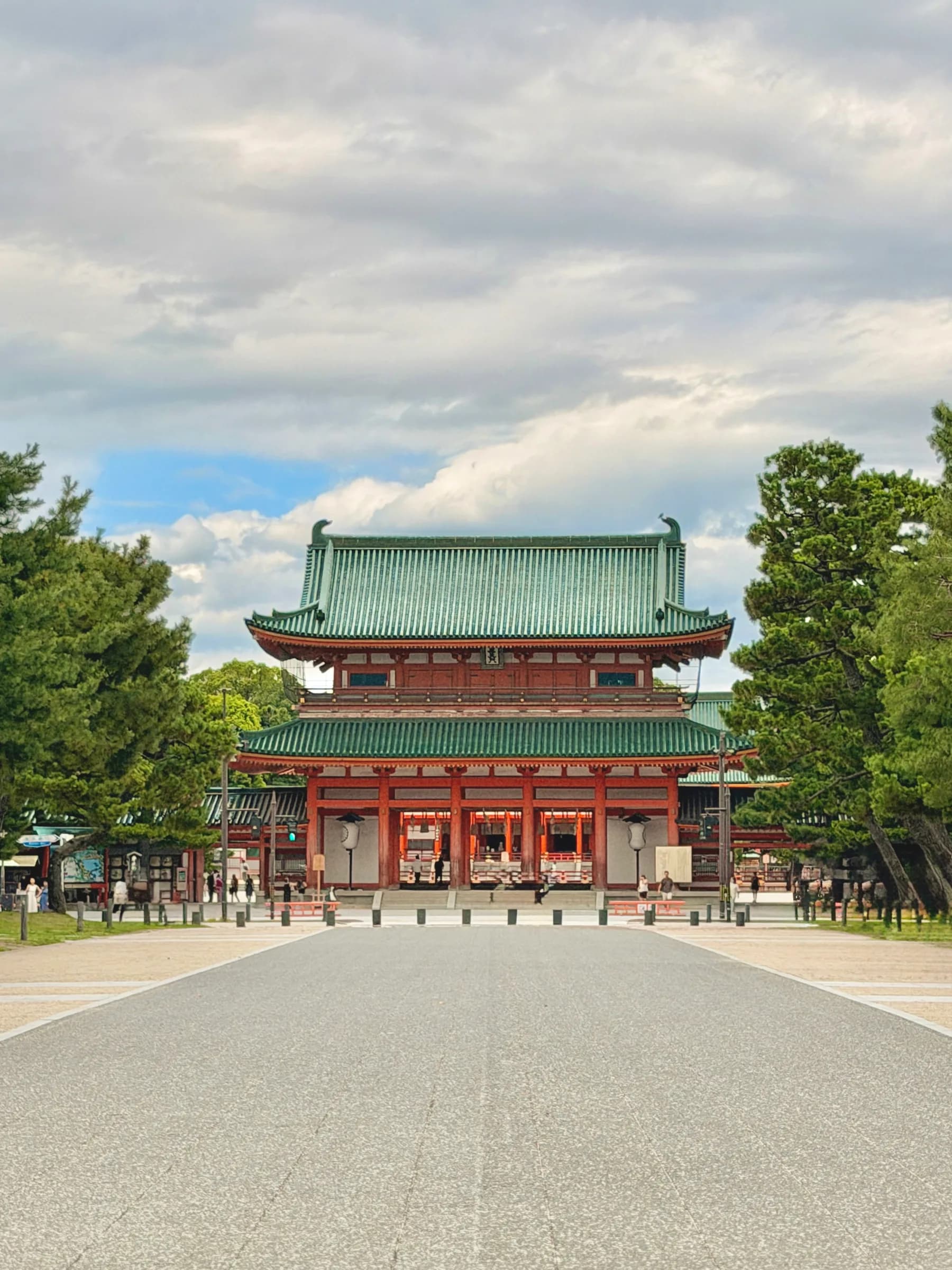 25 minHeian-jingu Shrine and Okazaki Canal
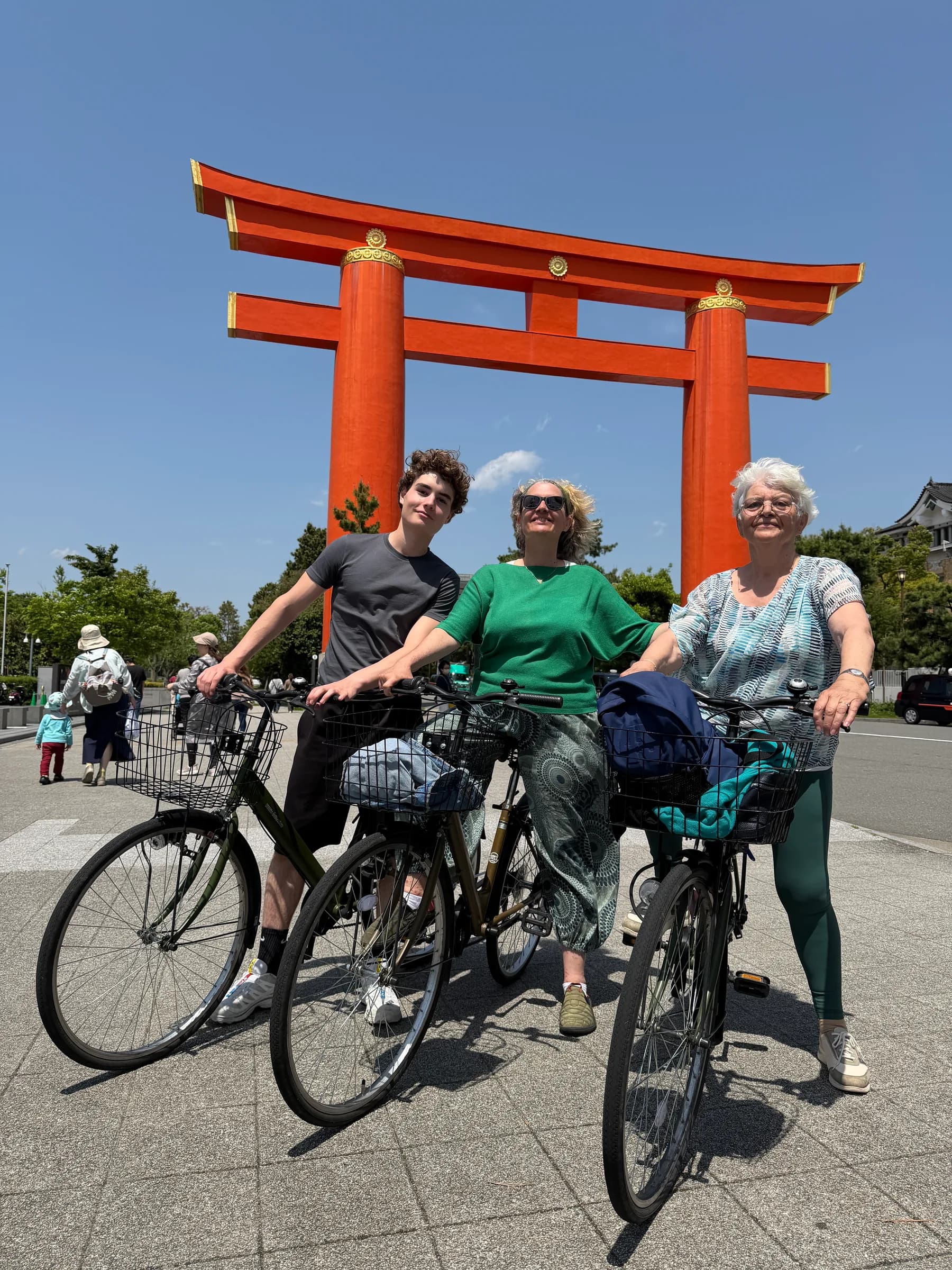
Ride through the cultural district past the giant red torii gate and Heian-jingu courtyard.
- 11
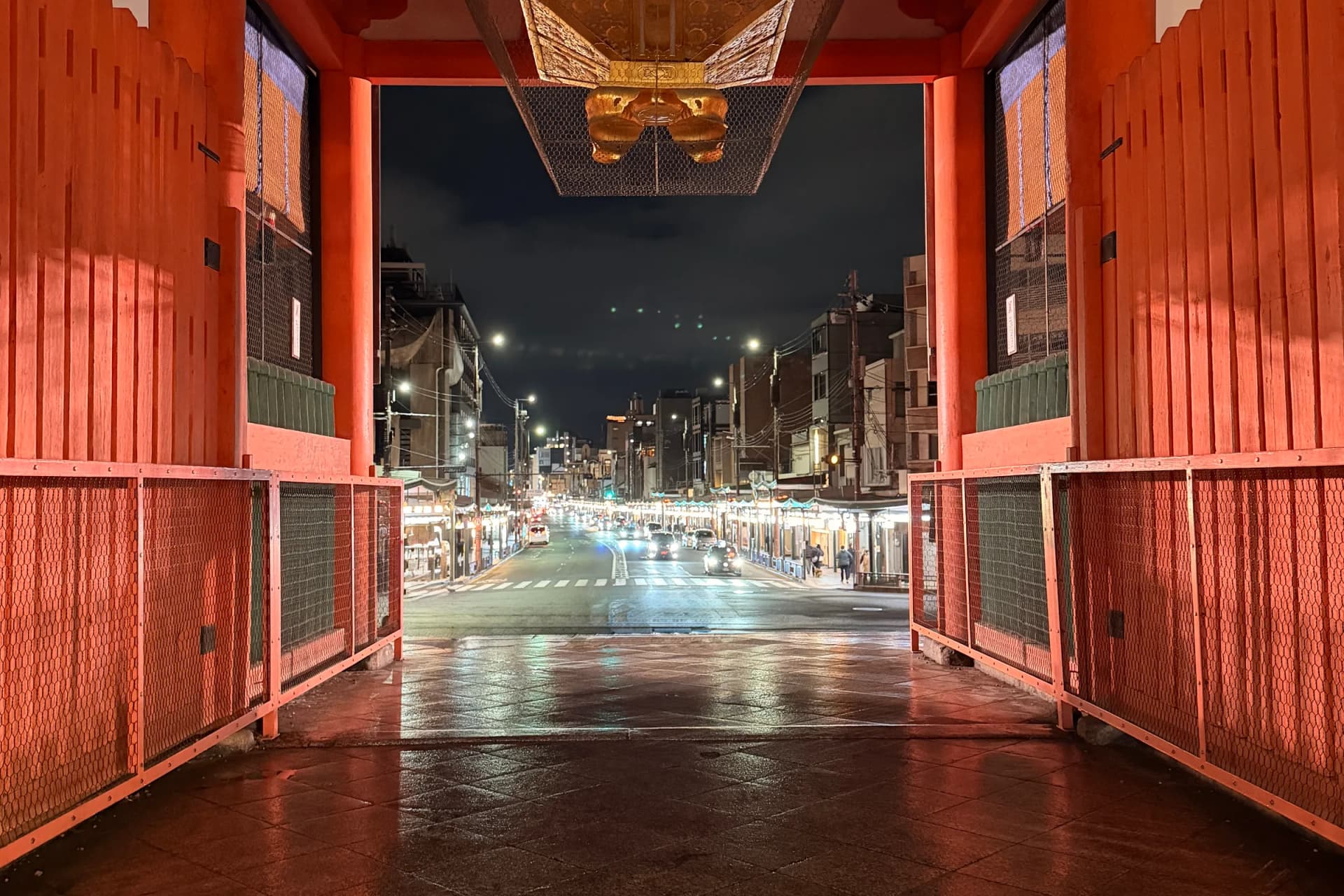
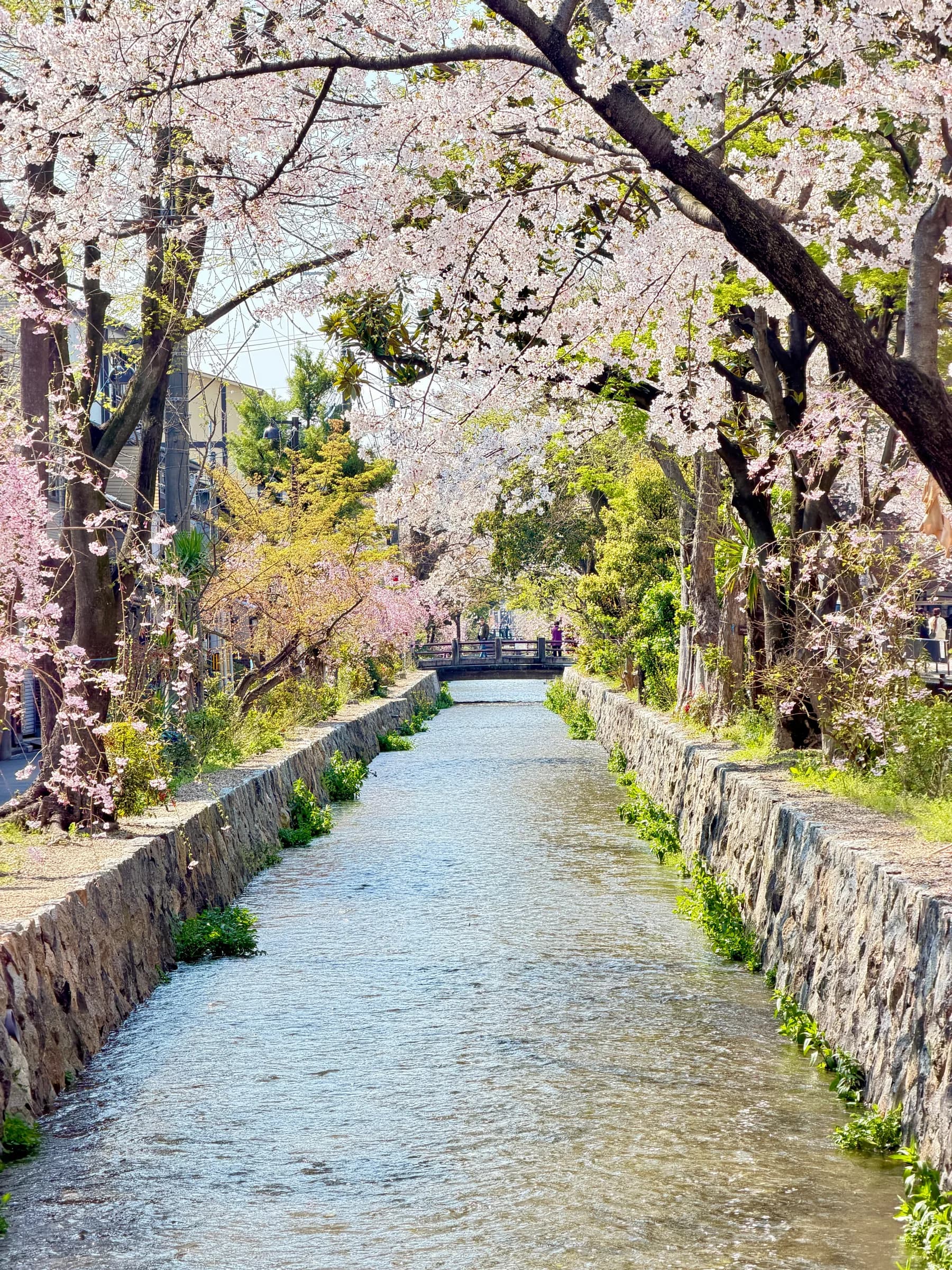
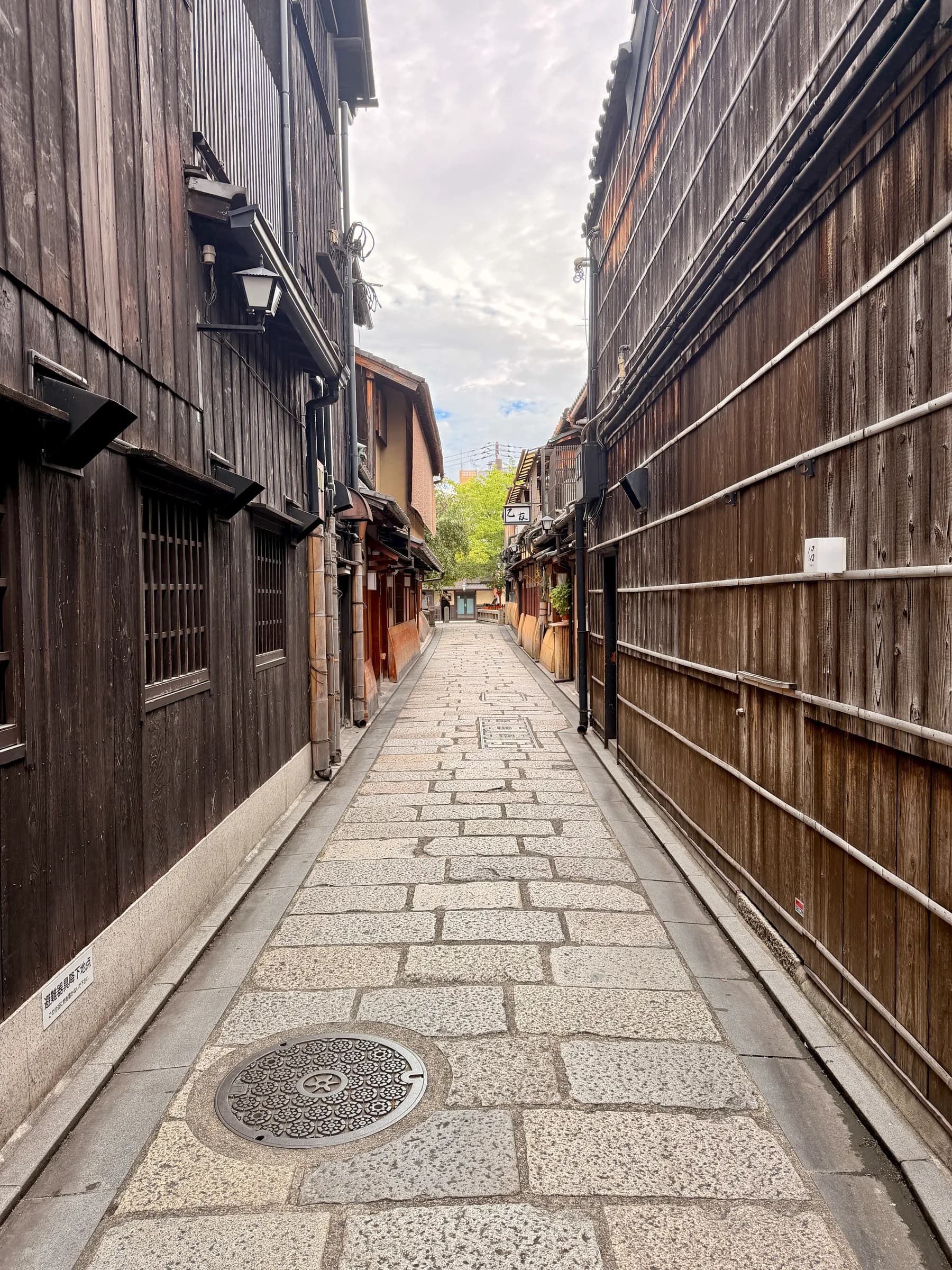
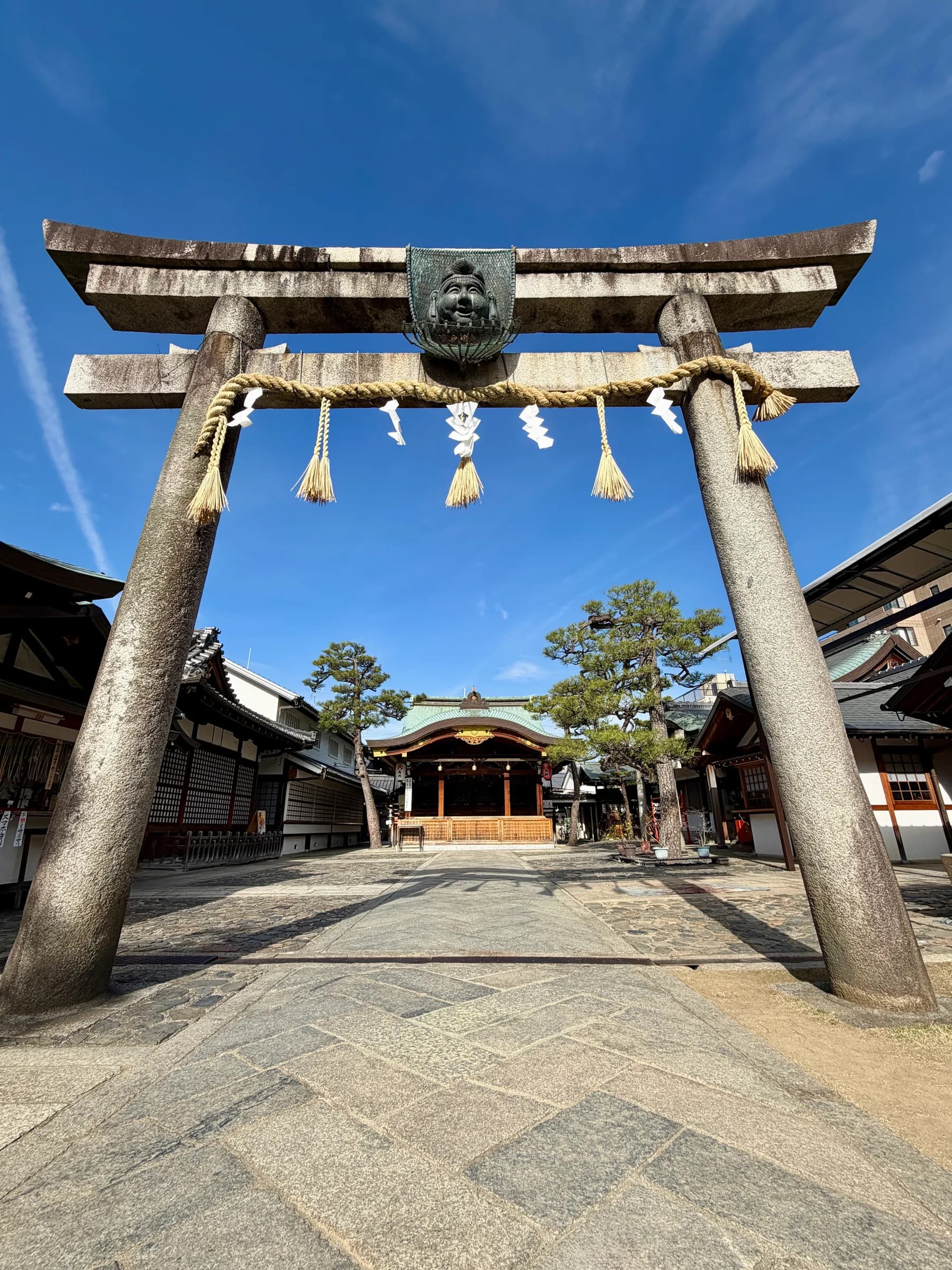
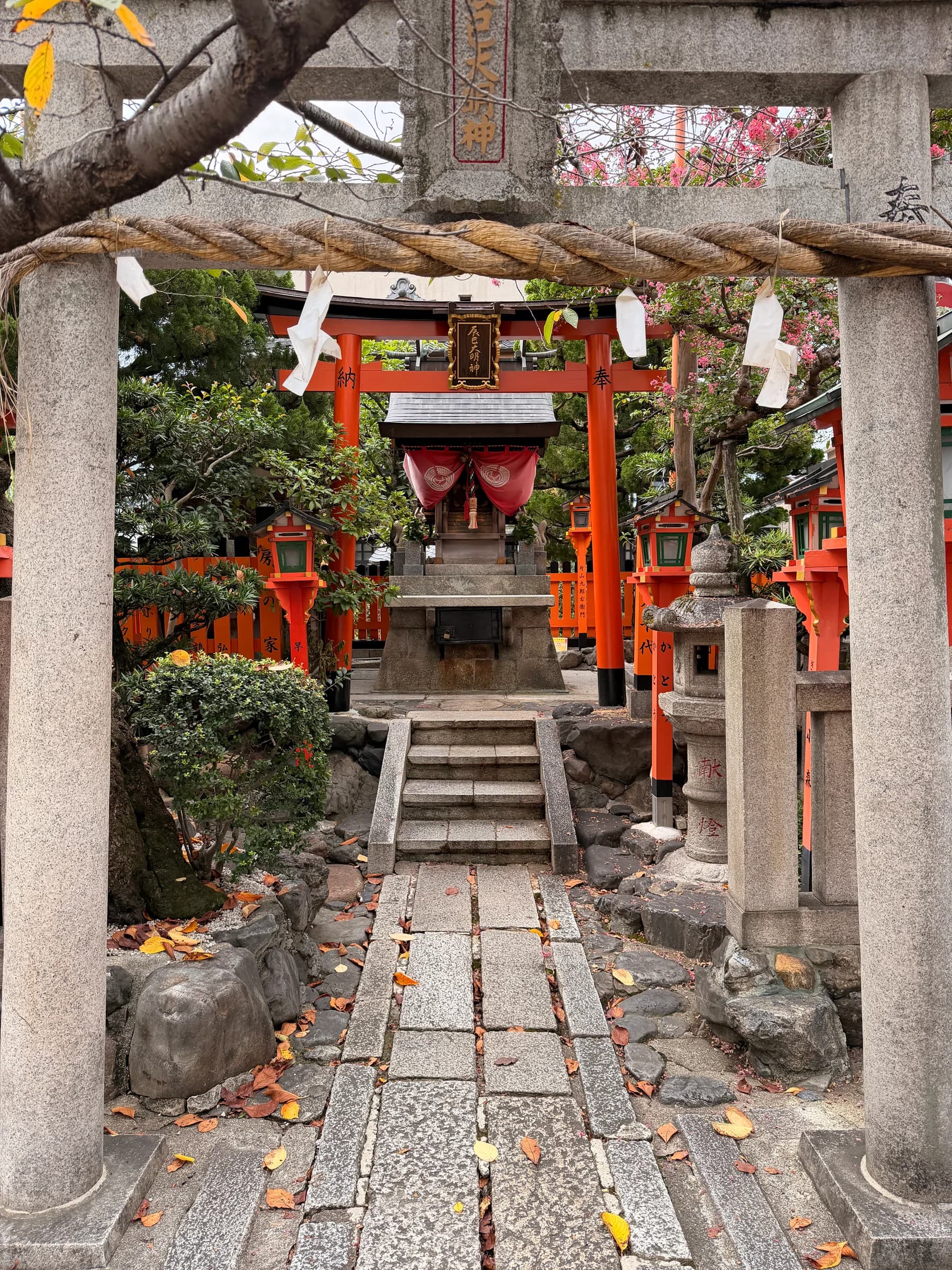
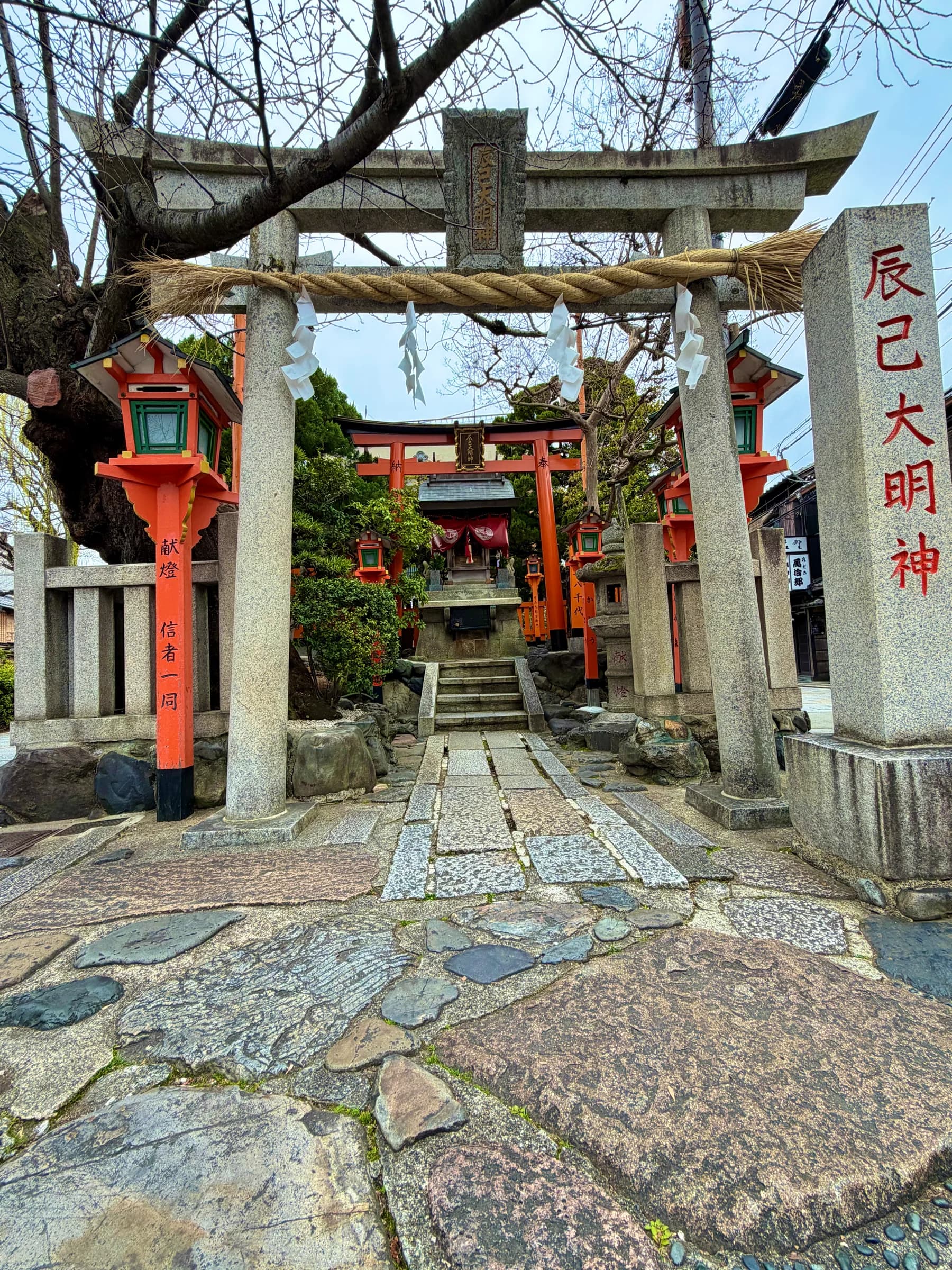 25 minTatsumi Shrine and Gion Shirakawa
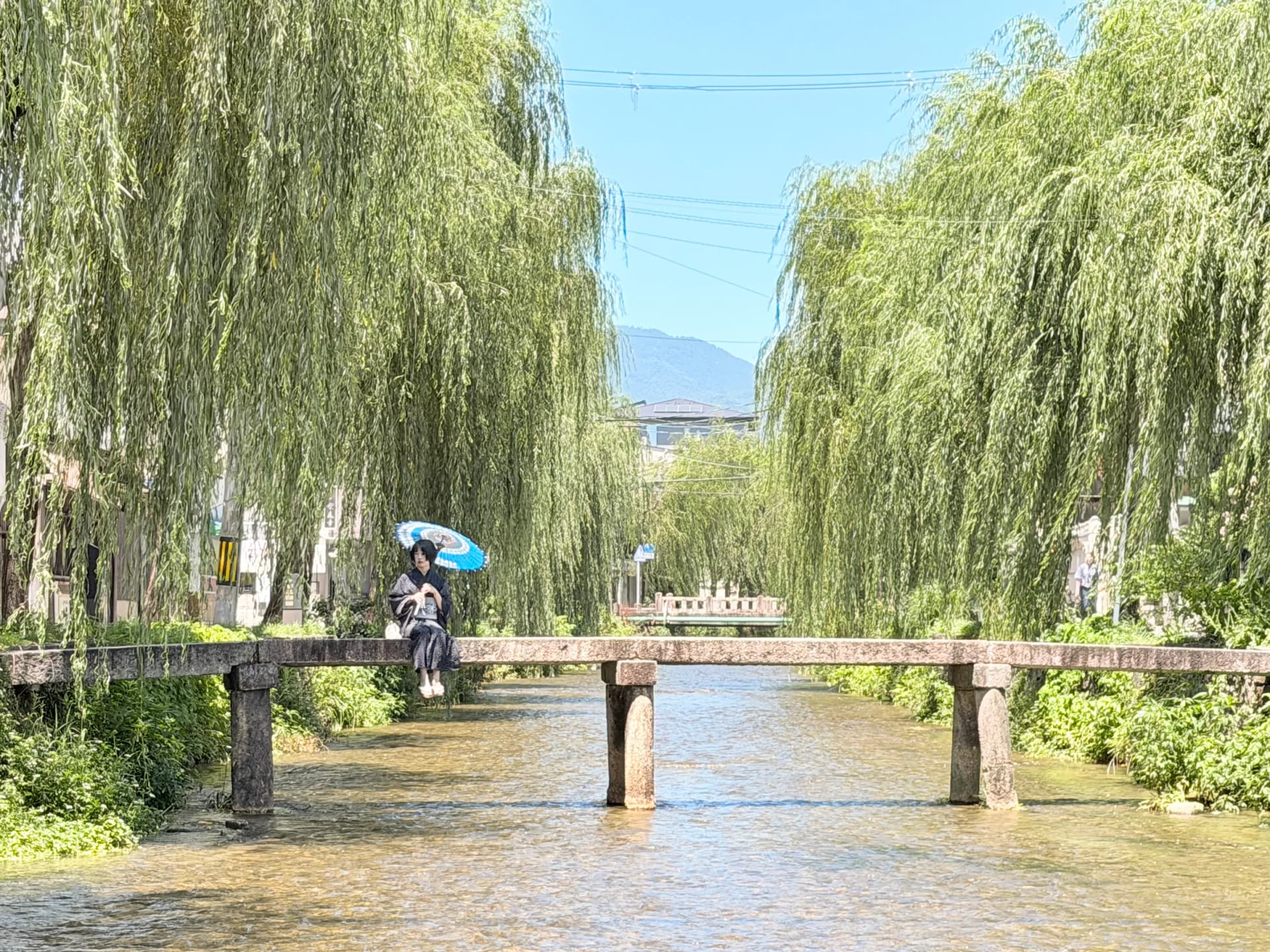
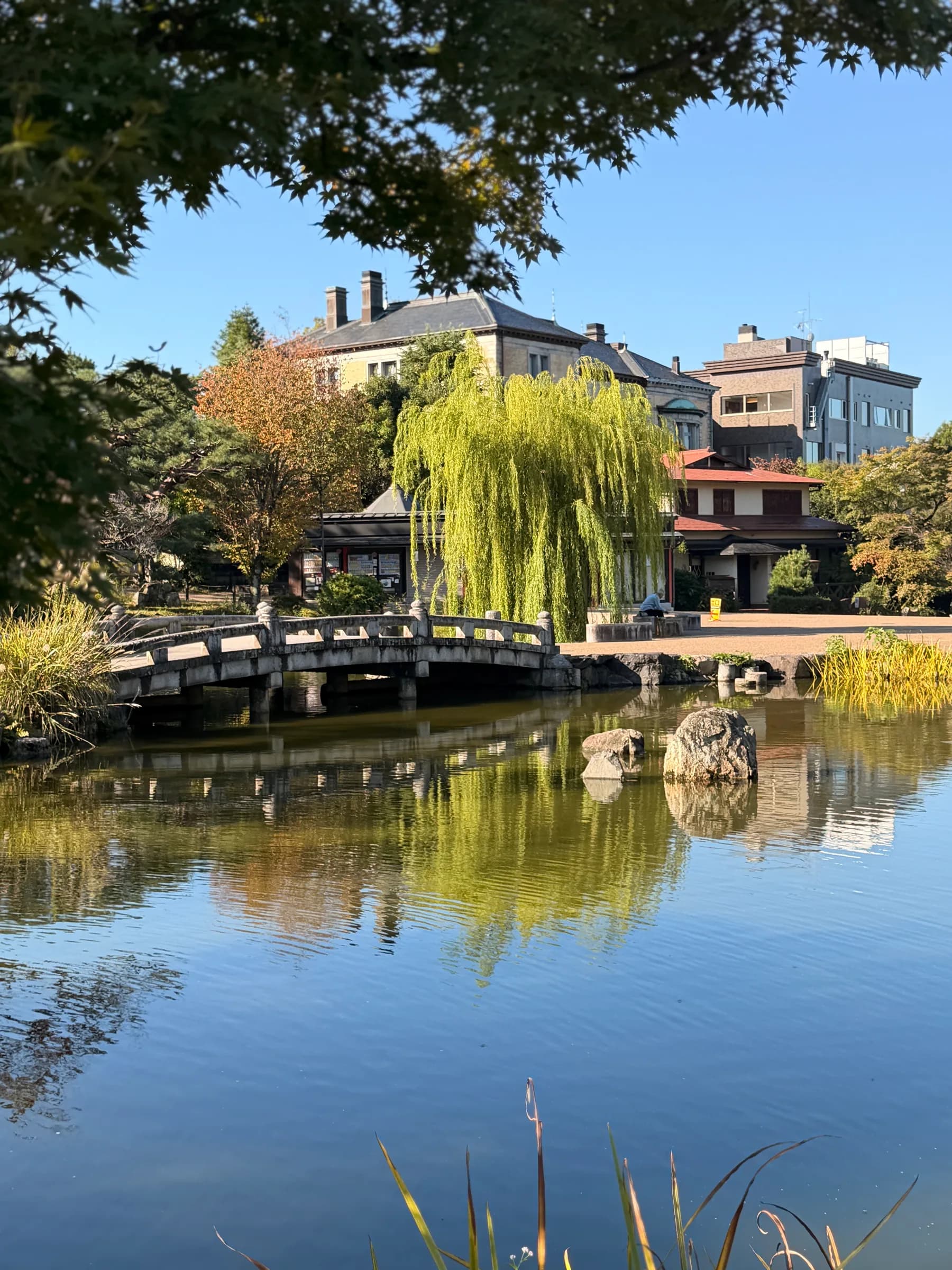
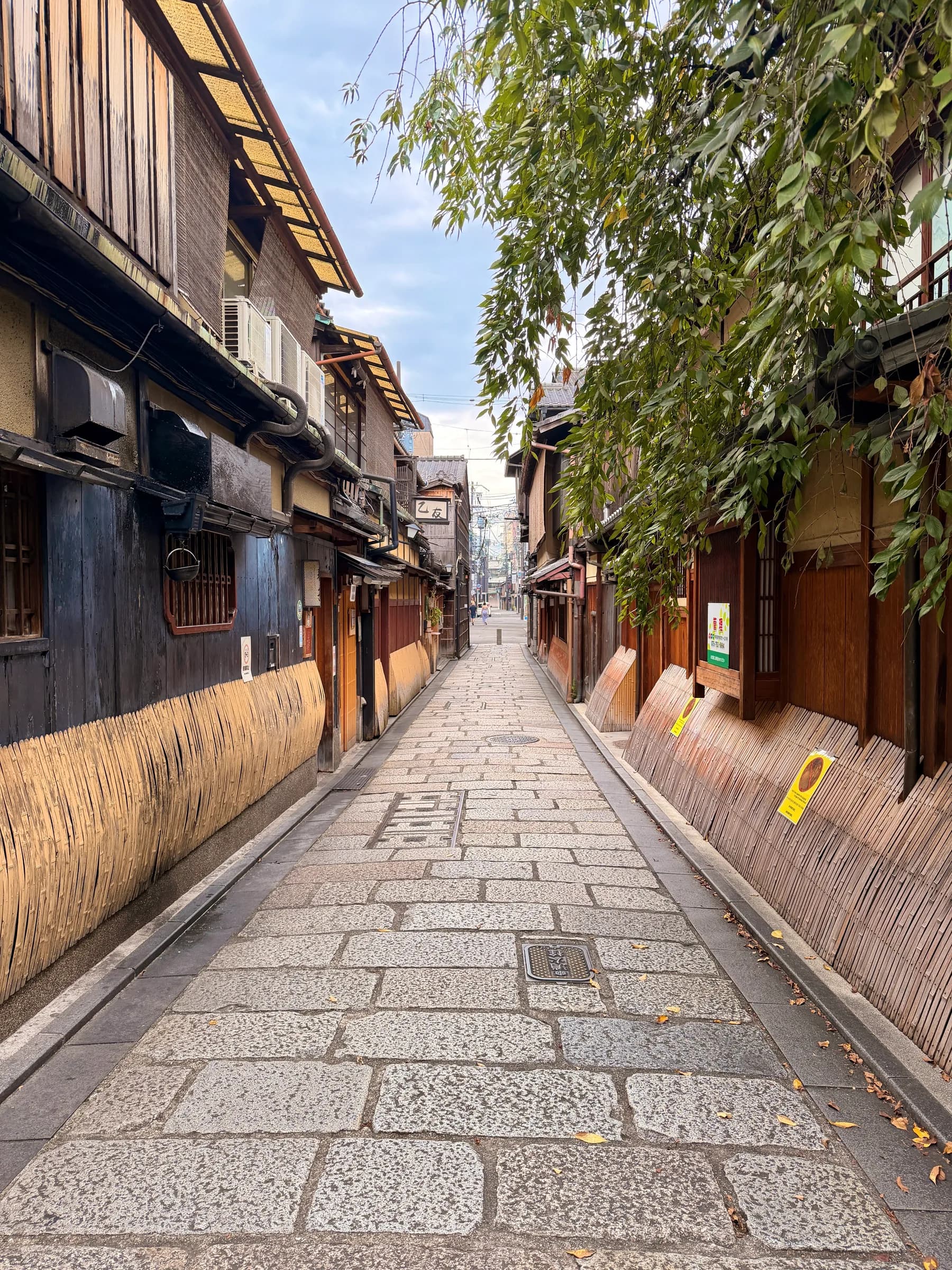
Follow Shirakawa stream past wooden townhouses and willow trees in Gion.
- 12
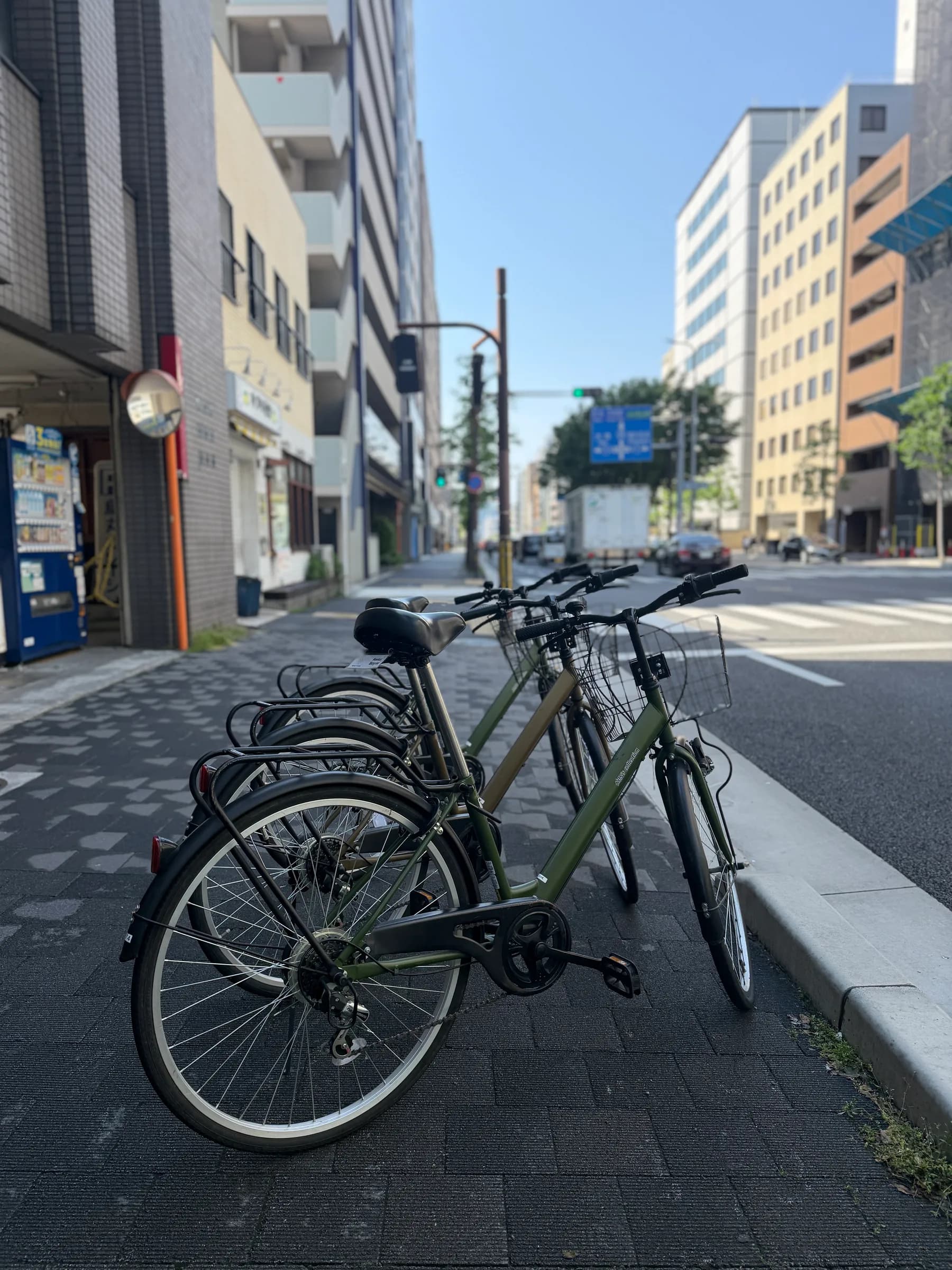 20 minReturn to Sunny Cycle
Return bikes and wrap up with personalized recommendations for lunch
Included
- Private professional English-speaking guide
- Pre-tour consultation (1h)
- Optimized and updated itinerary
- Local recommendations and expert tips
- Photos taken by your guide during the day
- Electric bike rental
Not included
- Personal expenses (souvenirs, shopping, etc.)
- Mandatory travel insurance (including cycling coverage)
About this experience
How we ride through Kyoto
Laid out on an ancient grid system, Kyoto is exceptionally flat and bike-friendly, making the bicycle one of the best ways to discover the city. Over this 3.5 to 4-hour tour, we cover approximately 11 kilometers at an easy, leisurely pace. Bypassing busy thoroughfares, we weave through quiet residential lanes and scenic canalside paths. We pause frequently to explore Japanese culture, daily life, and history, stepping off our bikes to wander through sacred temple grounds on foot.
Departure from the Bike Rental Shop
We meet directly at the bicycle rental shop. Your guide helps adjust your saddle, introduces your bike, and runs through the local rules of the road: in Japan, we ride on the left, and pedestrians always have priority. No need to worry—simply relax and follow your guide!
Central Kyoto Temples & Canals
Our first stop brings us to Higashi Hongan-ji, just east of the station area. We pause by the bronze lotus fountain facing the Goei-do, one of the largest wooden buildings in the world. From here, we cycle beneath weeping willows along the historic Takasegawa Canal and cross the Kamo River via Matsubara Bridge—connecting the merchant heritage of the Edo period to modern riverside life.
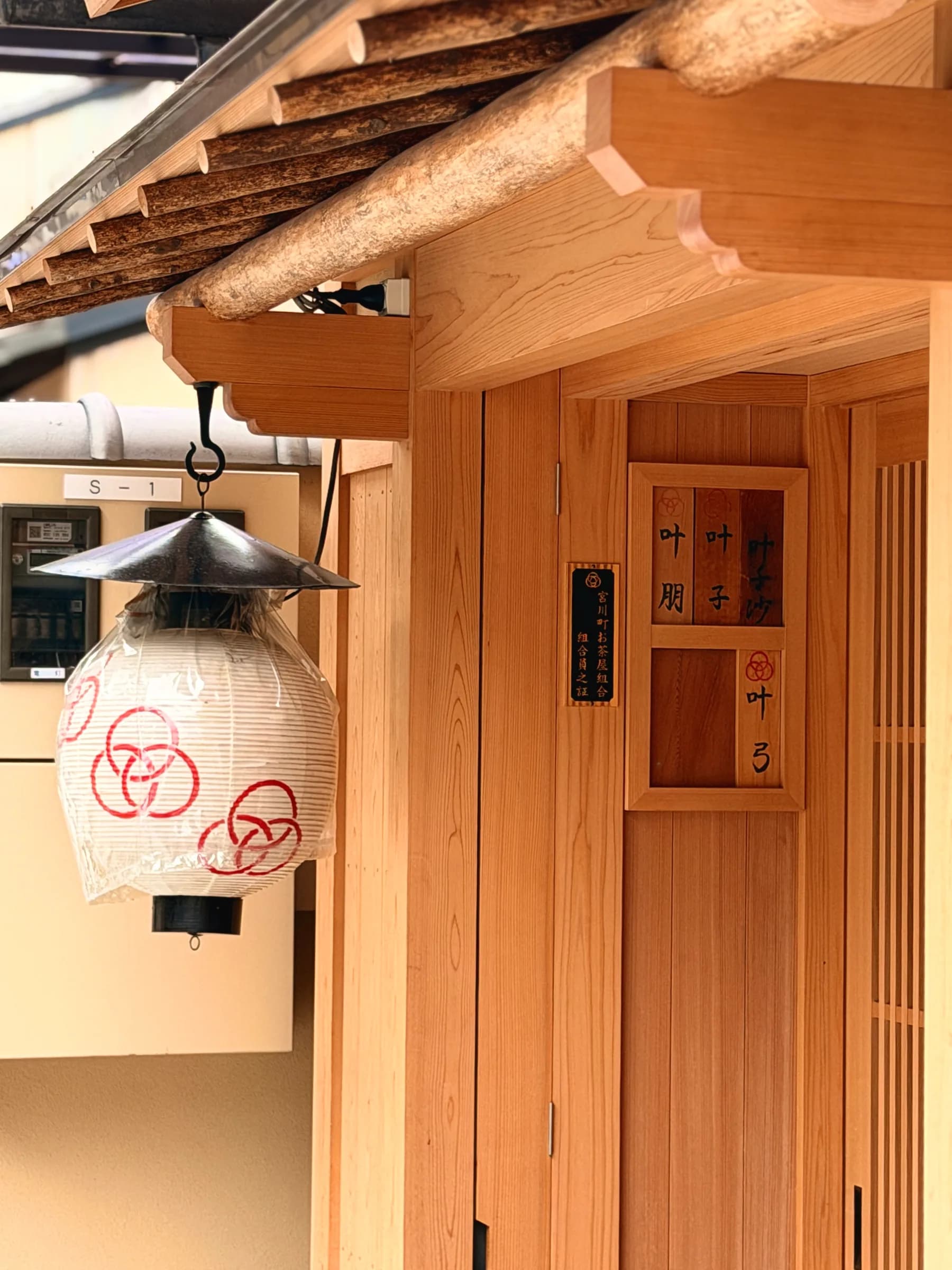
Miyagawa-chō: Inside Kyoto’s Historic Flower Quarter
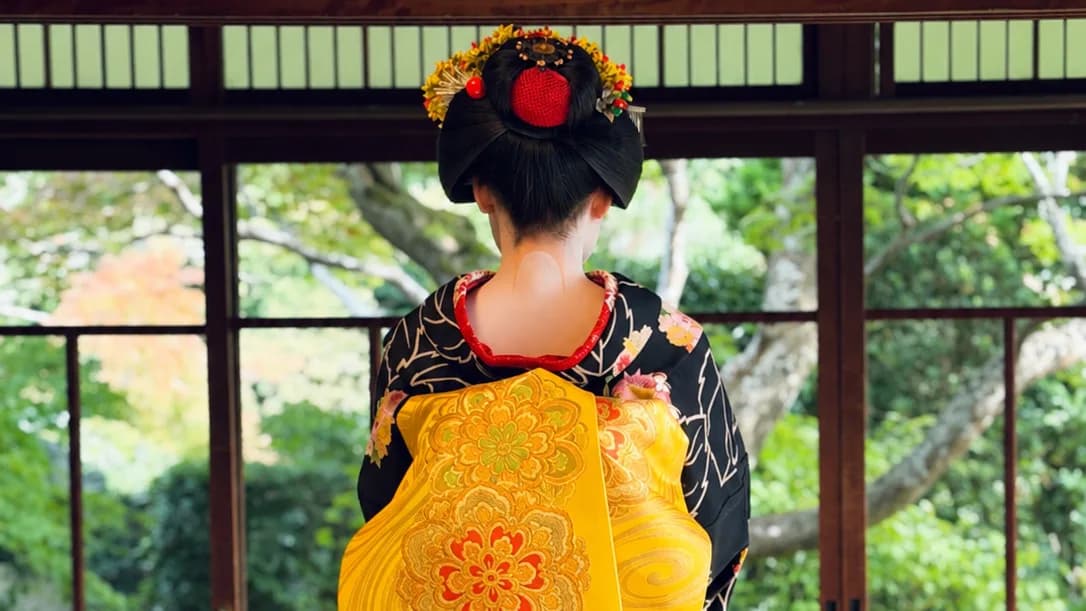
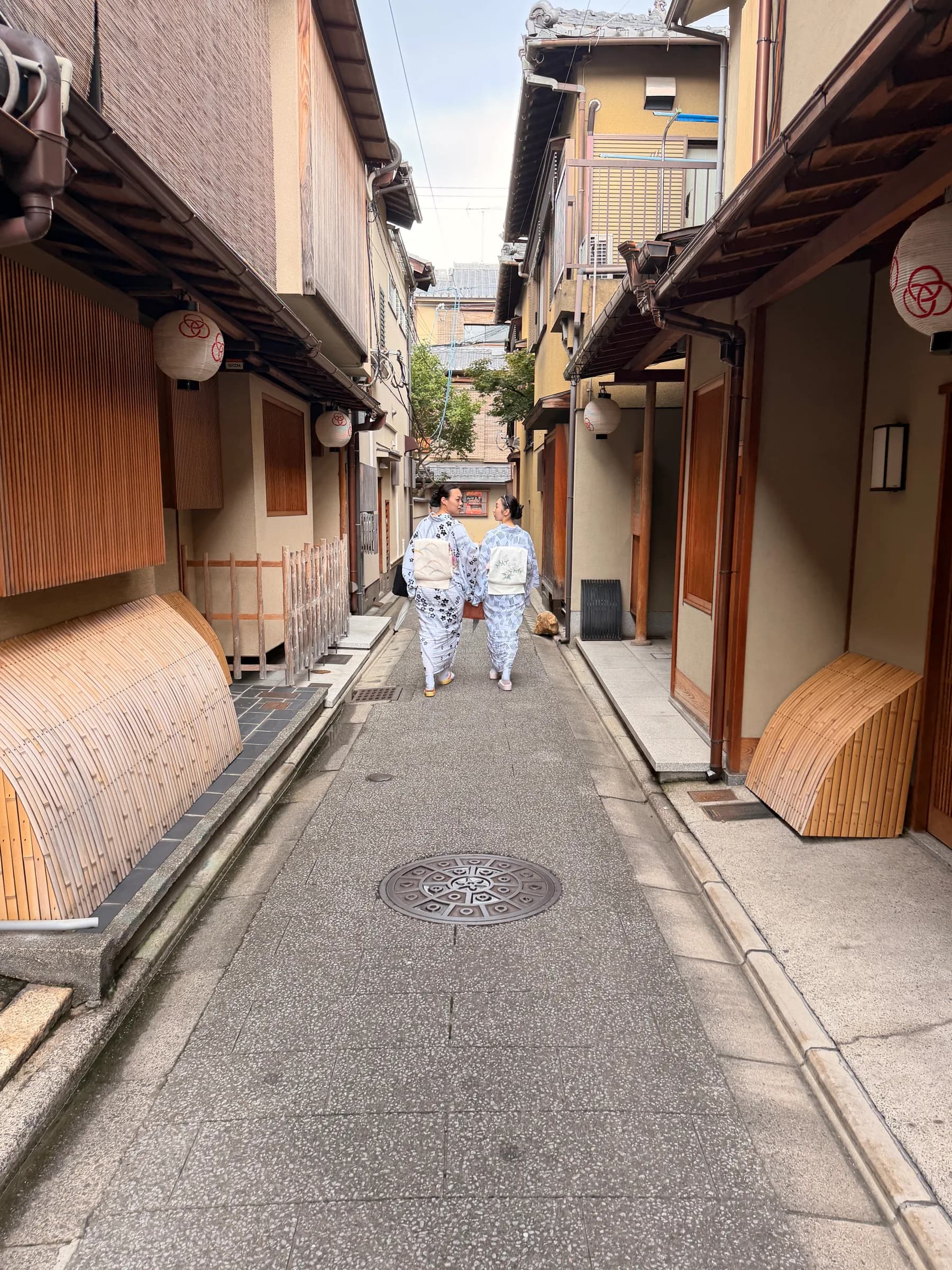
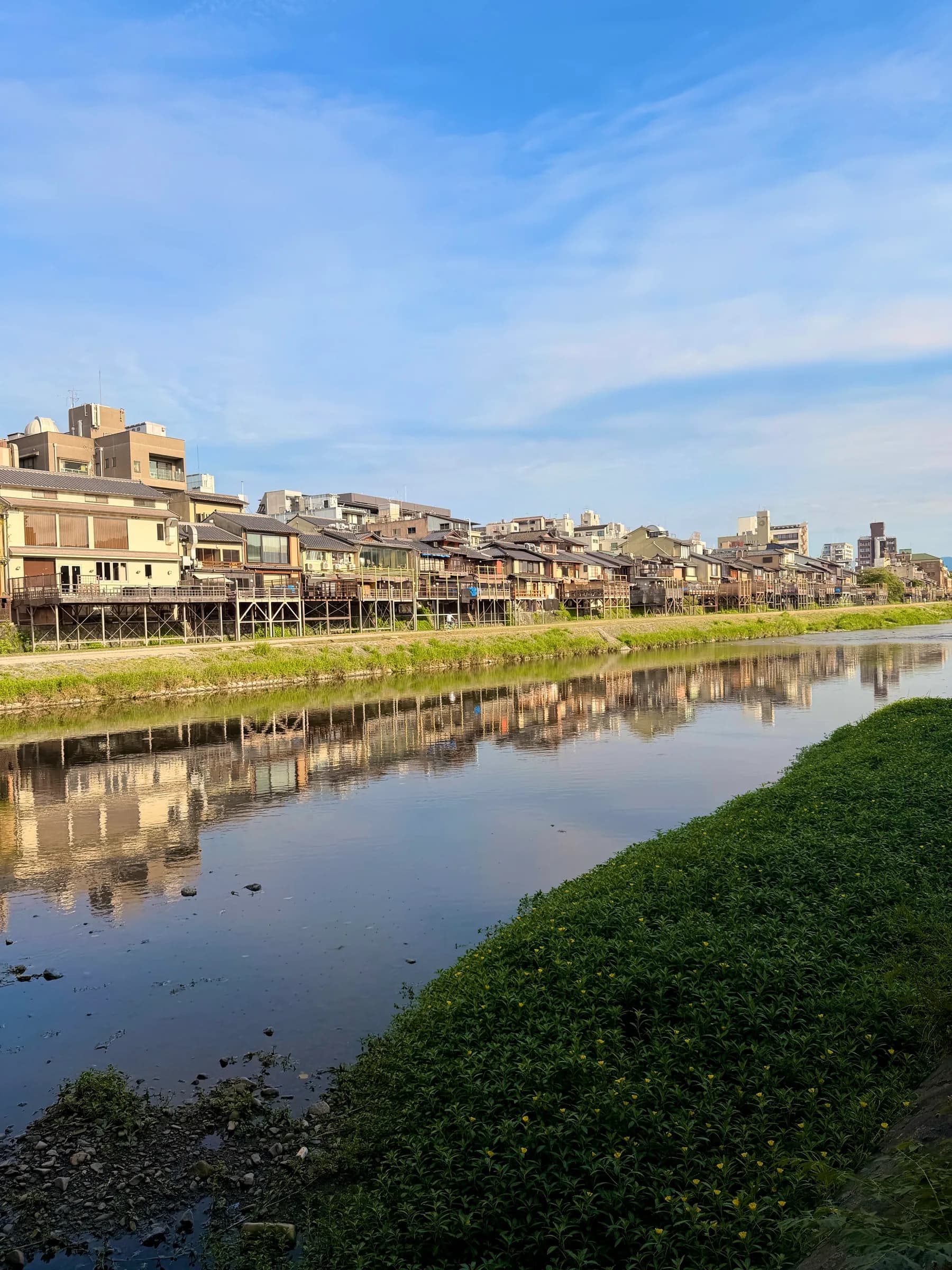
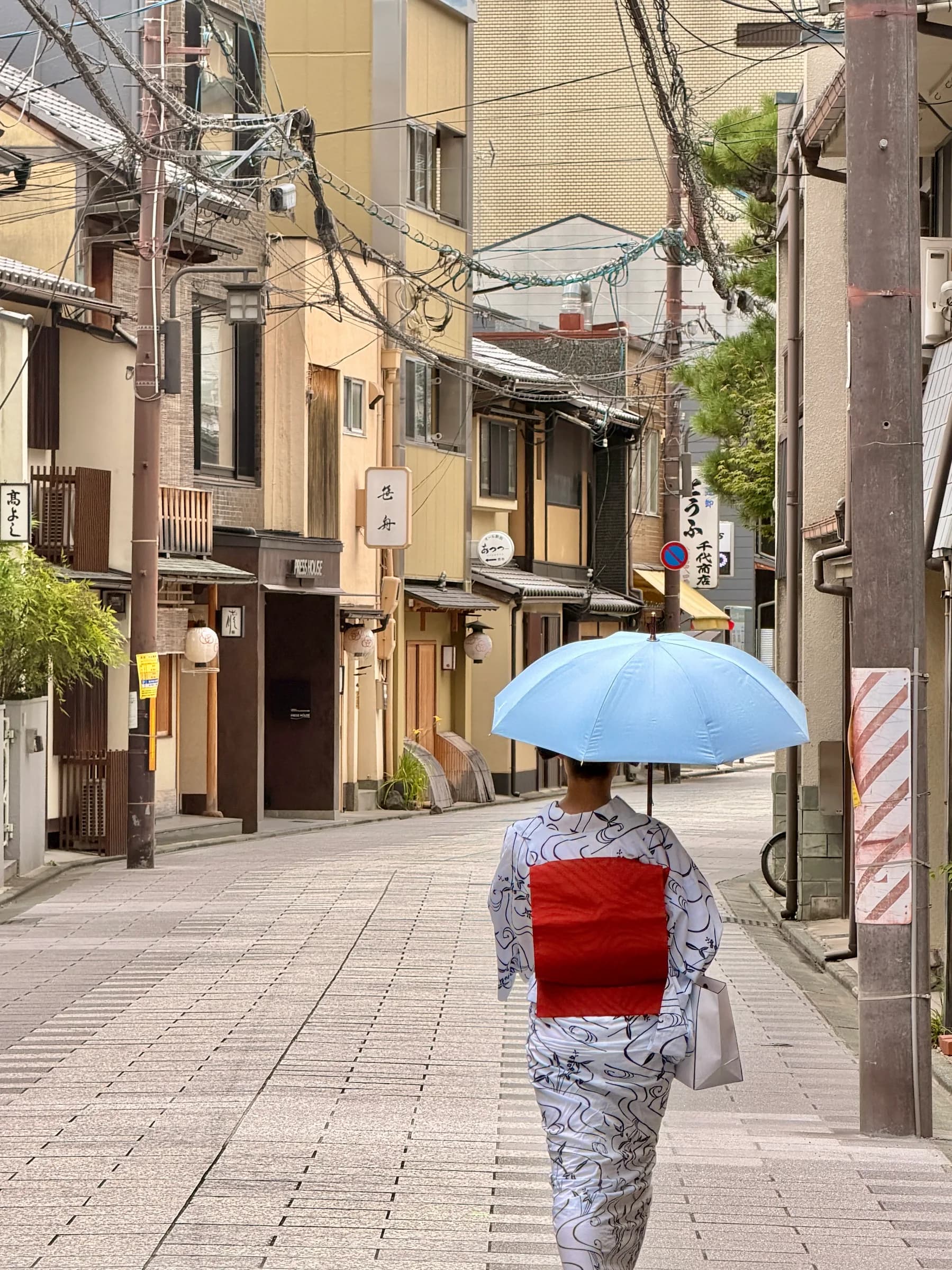
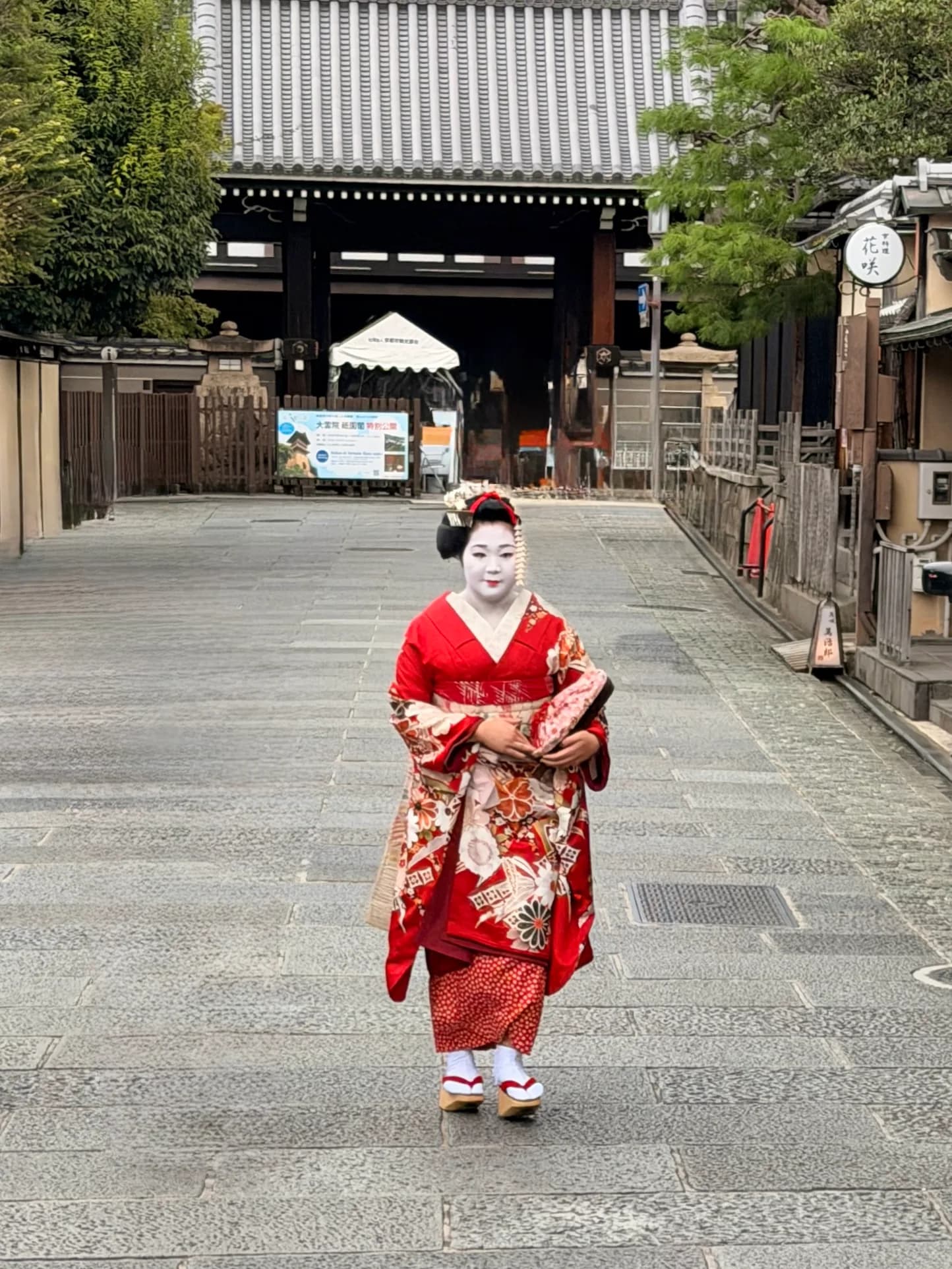
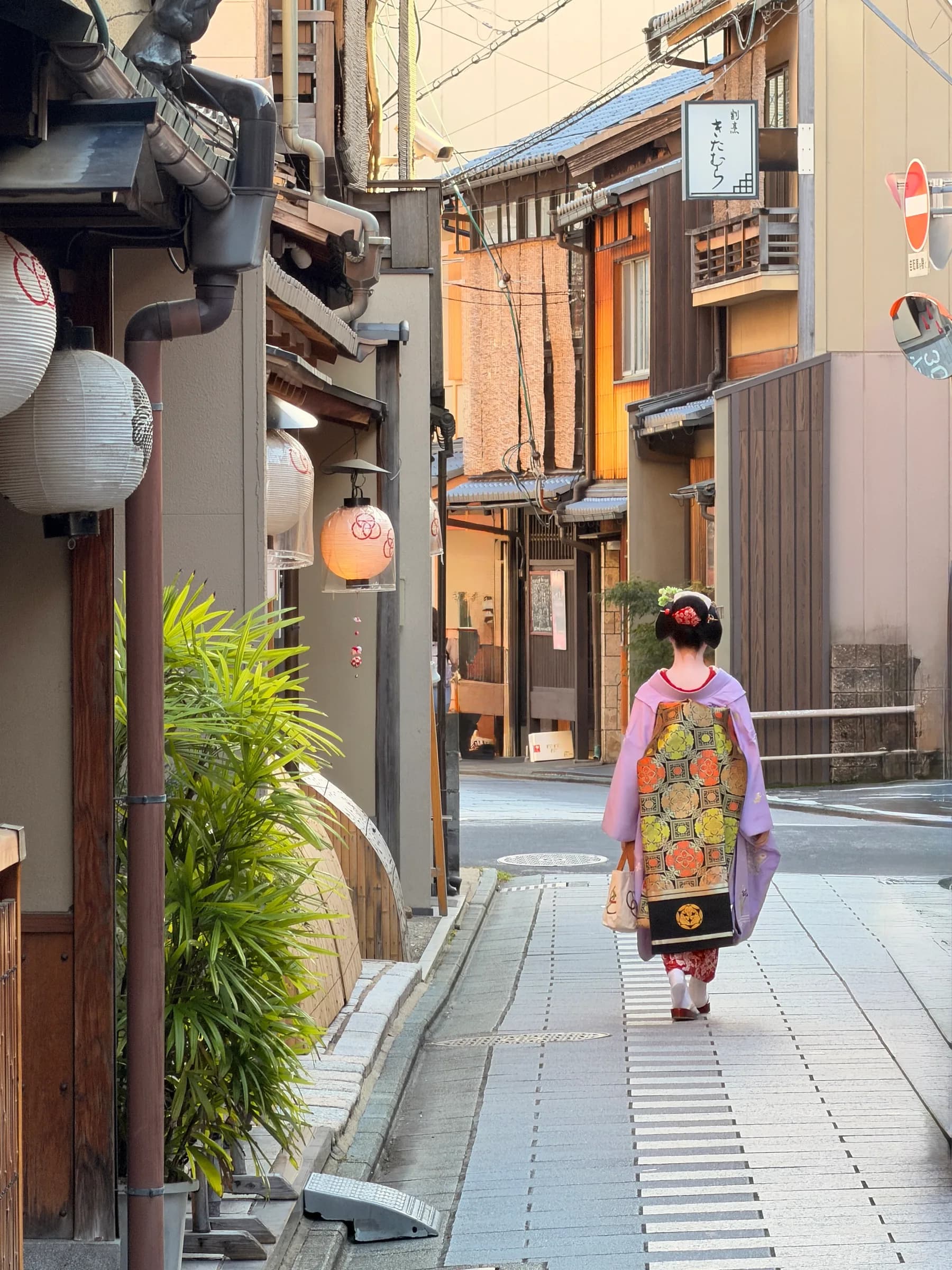
Running quietly along the eastern bank of the Kamo River, Miyagawa-cho is one of Kyoto’s most historic and evocative hanamachi (geisha districts). Bypassing the busier avenues of Gion, we wander stone-paved lanes lined with preserved wooden machiya townhouses. Here, we unpack the authentic daily lives and artistry of geiko and apprentice maiko—from the role of the okiya (boarding houses where young apprentices train in classical performing arts) to the centuries-old ties linking the neighborhood to early kabuki theater. It is an intimate, respectful immersion that decodes a living heritage far beyond the surface clichés.
Into Higashiyama & Scenic Overlooks
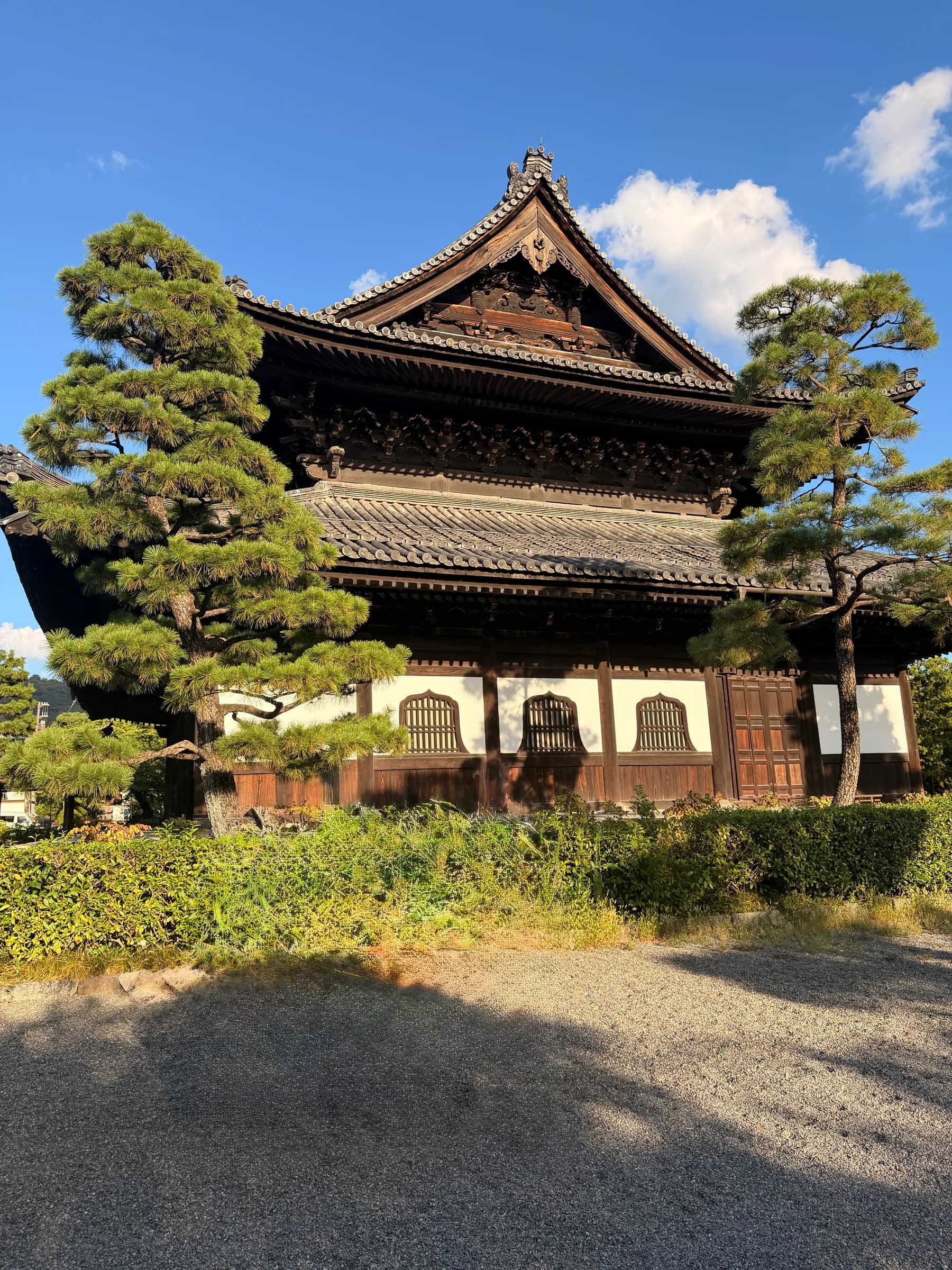
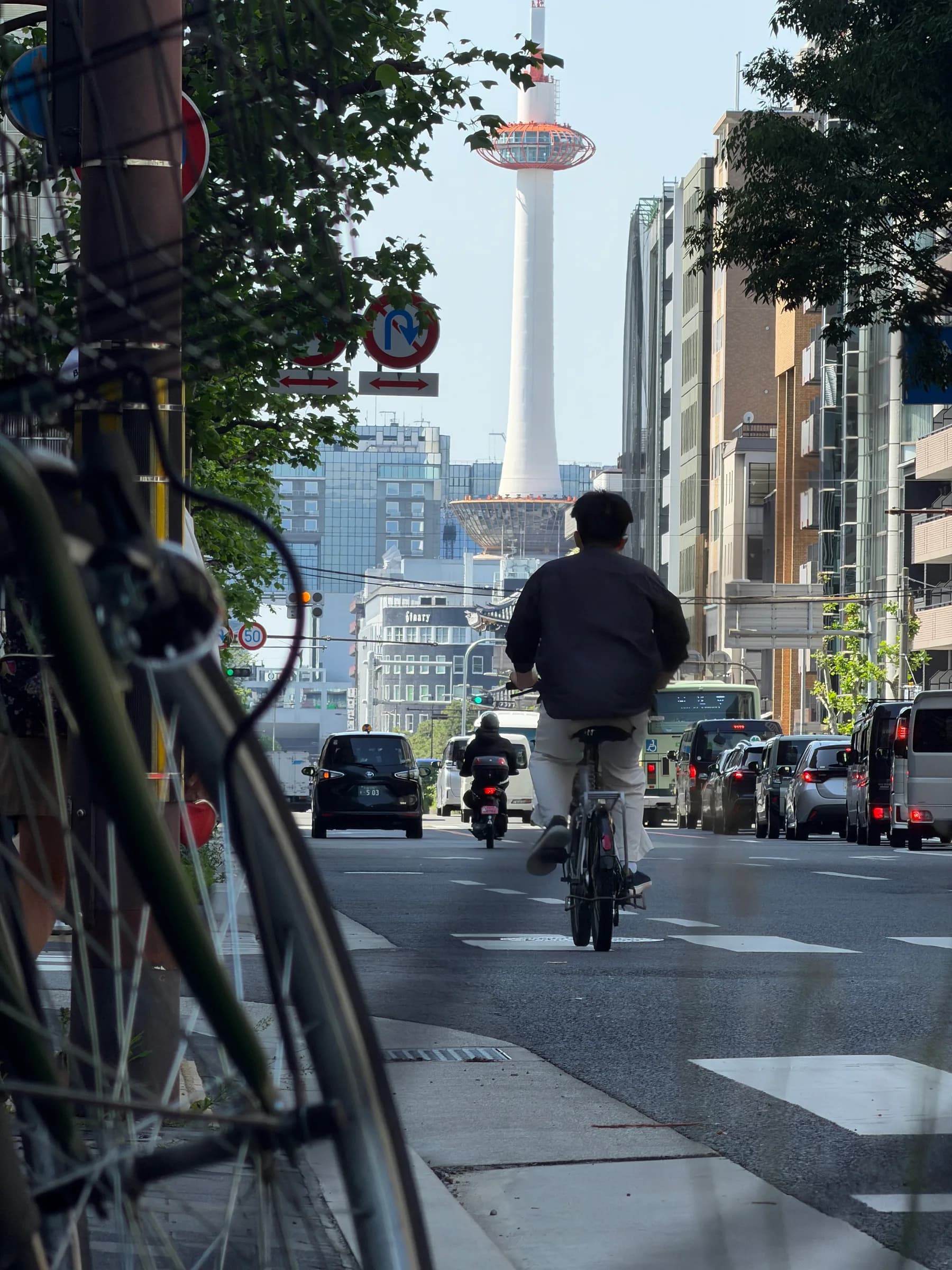
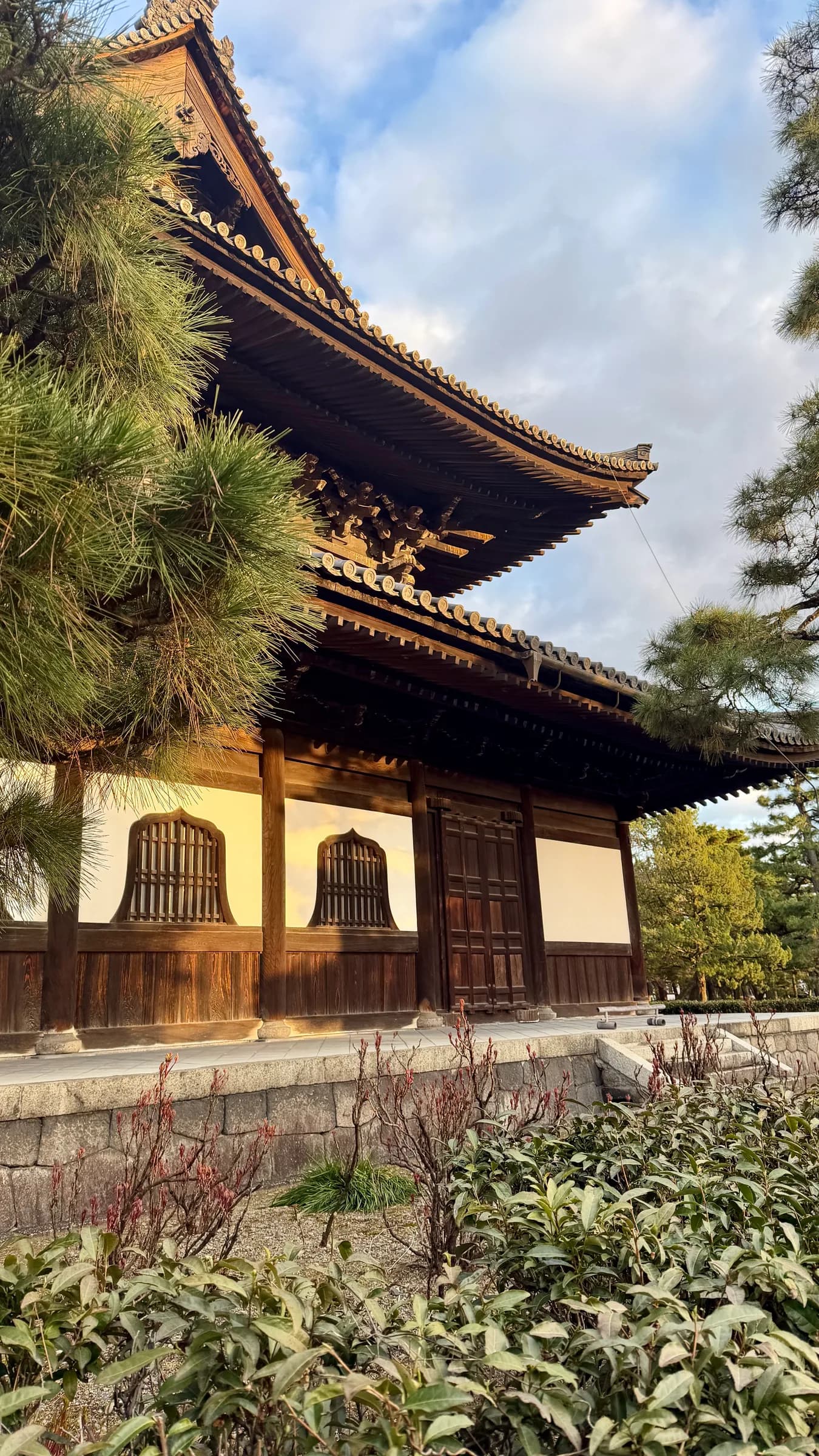
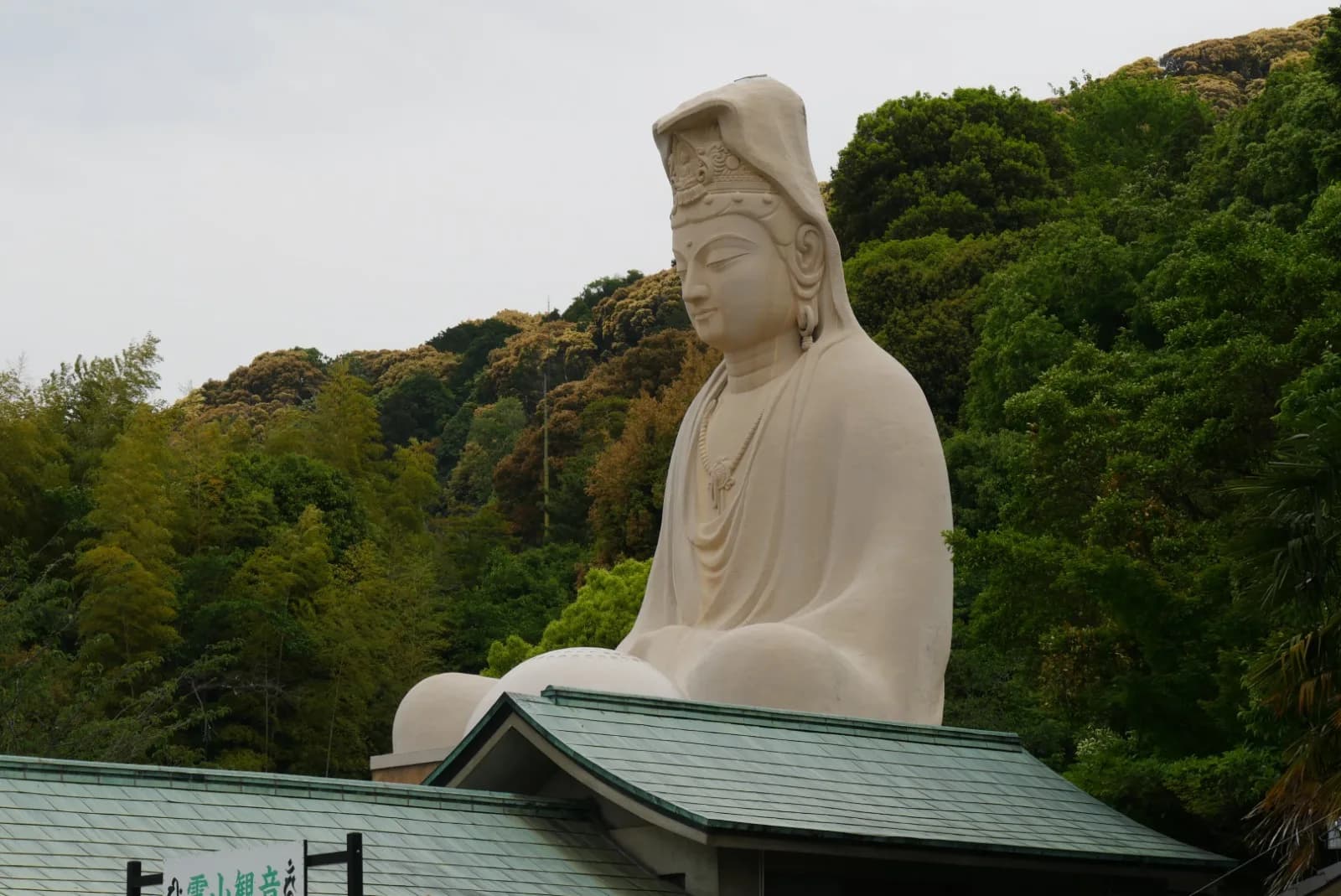
We explore on foot the rake-patterned gravel gardens of Kennin-ji, Kyoto's oldest Zen temple, founded in 1202. Rejoining our bikes, we ride along stone-paved lanes toward the five-story Yasaka Pagoda at Hokan-ji Temple. A gentle climb past the Ryozen torii gate leads to an expansive viewpoint near Park Hyatt Kyoto. From here, take in the colossal statue of Kannon—the goddess of compassion—and the Yasaka Pagoda rising above the tiled roofs of Gion, framed against the broader Kyoto basin and Kyoto Tower in a striking contrast of ancient heritage and modern life.
Monumental Gates & Imperial Heritage
Winding downward, we follow the paved street of Nene-no-michi. After taking in the peaceful scenery of Maruyama Park, we stop to marvel at Chion-in Temple's Sanmon gate, the largest two-story wooden gate in Japan. We then cruise into the cultural quarter of Okazaki, riding beneath the towering torii gate erected in 1928 for the enthronement of Emperor Shōwa, arriving at Heian-jingu Shrine to admire its vibrant architecture inspired by Kyoto’s original Heian-period Imperial Palace. On our return loop, we trace the gentle waters of the Shirakawa Canal into Gion Higashi, riding among preserved machiya townhouses and drooping willows, before returning our bikes, sharing photos and local recommendations, and saying our goodbyes.
FAQ
What should I know about this tour?
Where is the meeting point?
We meet directly at Sunny Cycle (Gojo shop), a 5-minute walk from Gojo Subway Station and 15 minutes on foot from Kyoto Station. We will notify you in advance should the meeting point change.
What should I bring on the tour?
Wear comfortable clothing and flat closed-toe shoes. Bring a refillable water bottle, sun protection, and a small bag.
Is this tour suitable for children and families?
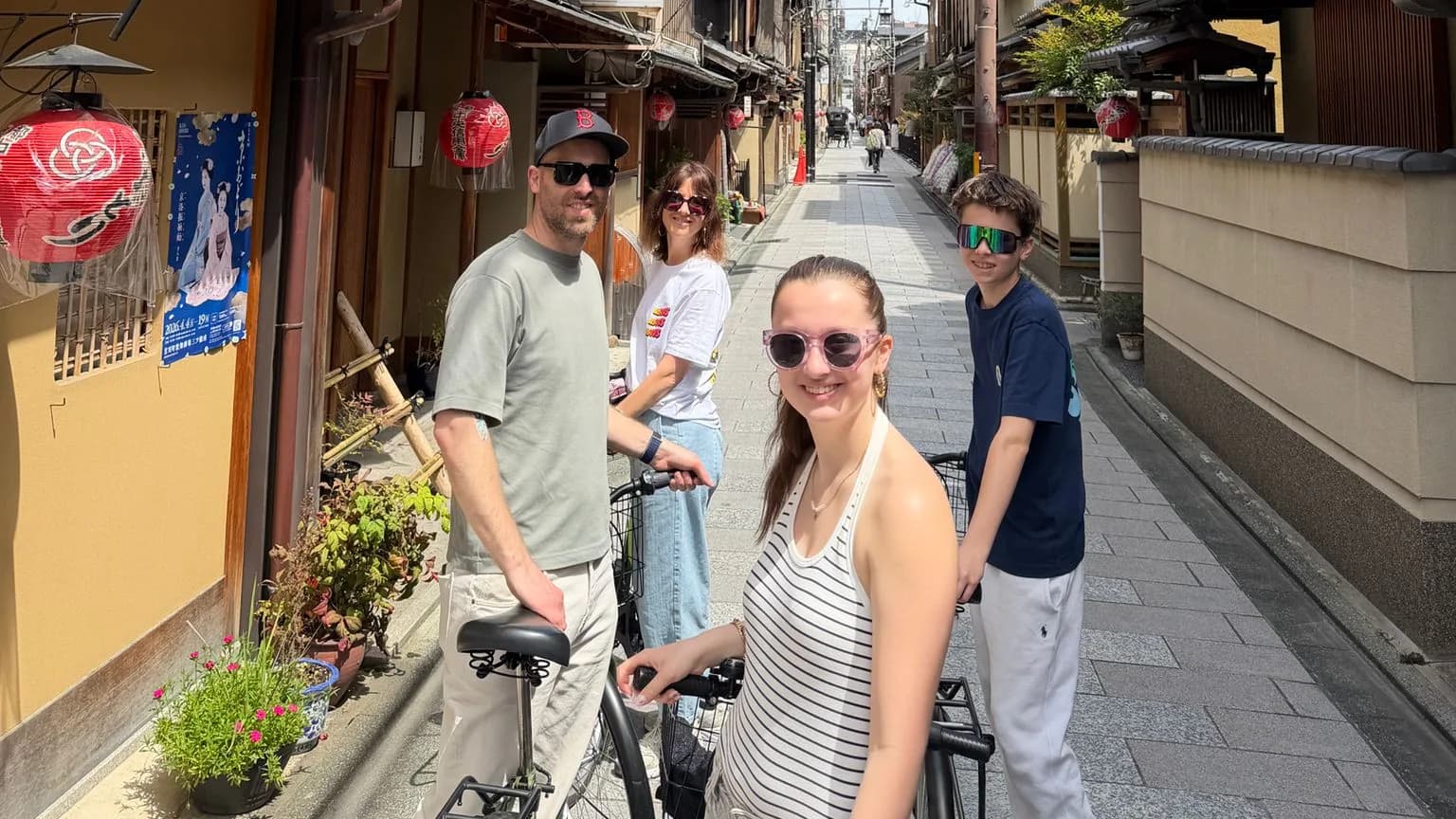
Yes, the route follows quiet backstreets and flat bike paths. Kids bikes and child seats are available.
What happens if it rains?
We ride in light rain with ponchos provided. In case of heavy rain or bad weather, we contact you to reschedule or provide and alternate walking tour.
How hard is the cycling?
The route covers about 11 kilometers over flat terrain with one short uphill slope. The pace is relaxed.
Cycling or walking?
Why do you recommand cycling tours ?
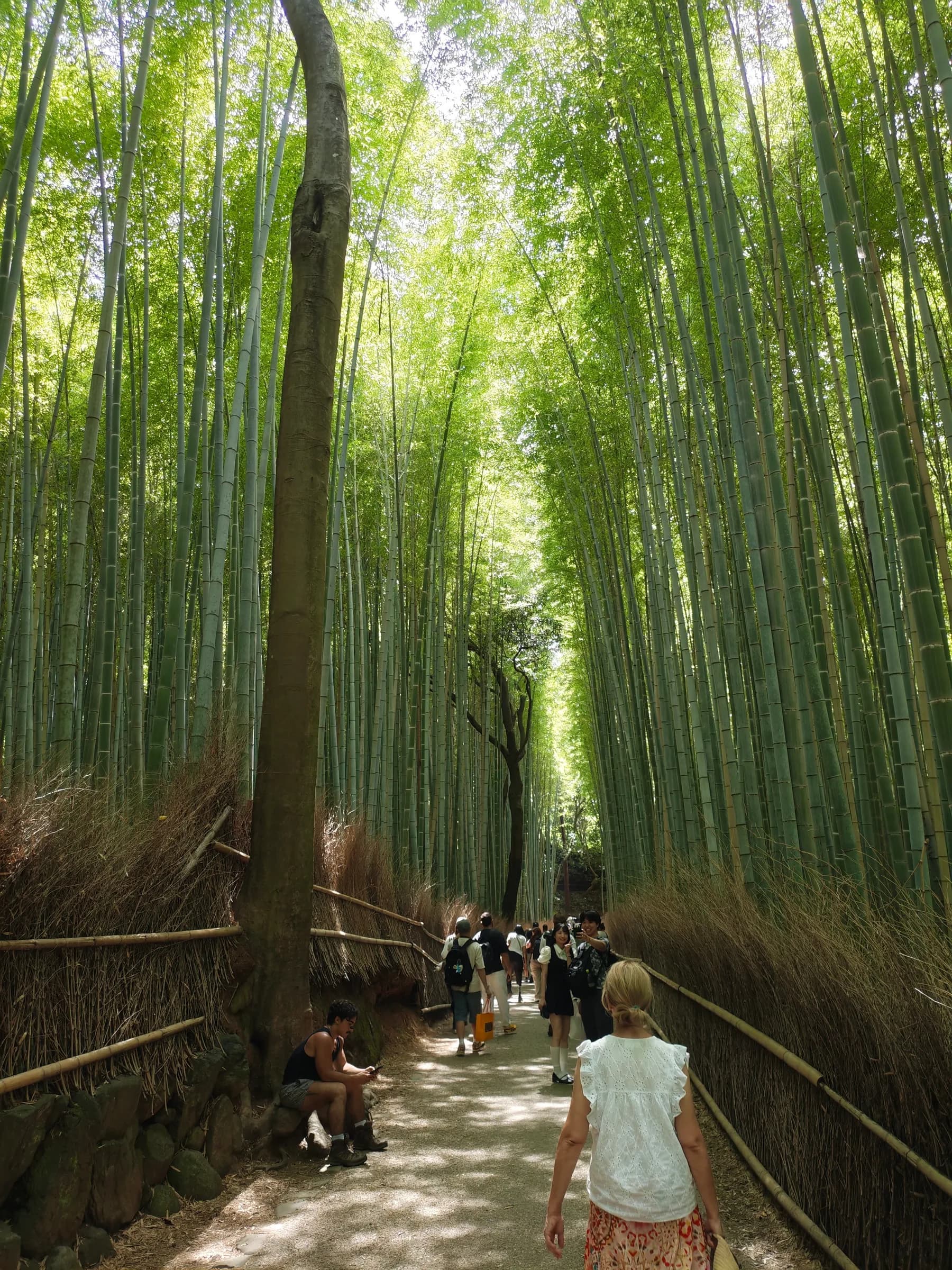
Yes, cycling is our absolute specialty and by far our guests' favorite way to explore! We always recommend it as the perfect first tour to kick off your stay. For now, we offer our bike tours exclusively in Kyoto—and that's no coincidence: it's the most bike-friendly city in Japan. Hopping on a bike during your first few days lets you get your bearings right away while covering several very distinct neighborhoods in a single day. It's enjoyable, fun, and saves you precious time. For example, crossing the city by bus or taxi from the Golden Pavilion to the Arashiyama Bamboo Grove can quickly become a logistical nightmare during rush hour. Thanks to our various cycling tours, we cut through local backstreets, avoid the crowds and traffic jams, and access hidden temples completely off the beaten tourist track.
Do I need to be in top shape to join a bike tour?
Not at all—if you know how to ride a bike, you are ready to go! Our tours are run at a leisurely pace, mostly on flat ground with frequent stops. Electric-assist bikes smooth out any gentle slopes and long stretches effortlessly. Best of all, all our tours are 100% private, meaning we tailor the tempo entirely to you on the day. Each tour page lists the total distance and terrain details, and we are always happy to chat if you want to double-check before booking.
Standard bicycle or or E-Bike?
Electric-assist bikes are our default standard across all tours, and required on select itineraries with longer distances or elevation: Comfort & Ease: E-bikes smooth out inclines and distance, ensuring a relaxed, effortless ride compared to heavier traditional city bikes. Beating the Heat: During warmer months, electric assistance lets you enjoy the ride without straining under the heat and humidity. If you prefer a standard bike on routes where it is suitable, you are more than welcome to choose one—we always adapt the pace to you. Note for younger riders: Rental e-bikes require a minimum height of 140 cm (4'7") to guarantee safety and proper fit.
Can children participate in the bike tours?
Absolutely, our bike tours are designed for the whole family! For children up to age 6, we provide bikes fitted with comfortable child seats. Confident young riders aged 6 to 8 and up are welcome on our half-day routes. For full-day rides, our electric-assist bikes require a minimum height of 140 cm (4'7") for safety and ease. Since every young rider is unique, reach out to us so we can tailor the best setup for your family.
Approximately what distance do we cover?
It depends on the tour format: expect roughly 10 to 18 km (6–11 miles) for a half-day ride, and up to 25–30 km (15–18 miles) on a full-day itinerary. Exact distances and terrain details are clearly listed on each tour page. Because our tours are 100% private, we continuously adjust the pace, stops, and route to match your energy, preferences, and the day's weather.
Getting around Kyoto
Where can I cycle in Kyoto?
While Kyoto's grid layout makes navigation straightforward, don't be fooled: the city is definitely not flat! It features a continuous, subtle uphill slope from south to north, and reaching the famous temples on the surrounding hillsides requires some real legwork. To avoid heavy traffic and find the best riding conditions, look for these areas: - The banks of the Kamo River (Kamogawa): Perfect for crossing the city away from traffic on dedicated pathways, with beautiful open views. - The Miyagawacho district: A much quieter and more peaceful alternative to Gion, ideal for admiring traditional machiya townhouses at a leisurely pace. - The Okazaki Canal: A stunning, spacious route that becomes absolutely magical under the cherry blossoms in spring. 💡 The Kimasu Advantage: Planning the perfect cycling route in Kyoto on your own can be tricky. Between unexpected slopes, hidden one-way streets, and strictly enforced pedestrian-only zones where bikes are banned, it's easy to get stressed. On a Kimasu bike tour, you can just enjoy the ride. Your guide handles the relief, manages the pace, and takes you through secret local shortcuts you won't find on any map.
Culture & etiquette
What are the essential rules of behavior and etiquette to know?
Japanese society places immense value on the concept of "Kuuki Yomu" (literally: reading the air) — the art of sensing the atmosphere and showing consideration to maintain social harmony. It's this mutual respect that makes traveling here so peaceful! While locals are very forgiving with tourists, here are a few golden rules to follow: • On the street: Do not eat, drink, or smoke while walking (enjoy your snacks right outside the shop where you bought them). Keep your trash with you, as public trash cans are virtually non-existent. • On public transport: Silence is golden. Keep your voice down, avoid phone calls completely, and take off your backpack so you don't bump into other passengers. • At temples and shrines: These are sacred spaces. Never sit on the ground, on temple steps, or on the stone walls of private properties. • Photography in Gion (Geisha district): Strictly respect all no-photography signs. Taking photos in private alleys is illegal and subject to a heavy fine. • At the table: Never stick your chopsticks vertically into your bowl of rice (this mimics a funeral rite) and never pass food directly from chopsticks to chopsticks. Don't worry: Your guides will be right by your side throughout your tours to give you a friendly heads-up and explain the meaning and history behind these customs!
Do we really need to take our shoes off often?
Yes, it happens quite often: at the entrance of certain temples, tea rooms, traditional tatami restaurants, or some shops. Wear shoes that are easy to slip off and make sure your socks are clean and hole-free — it's one of those small details that really matters.
How does the day work?
How long does a tour last?
It depends on the format: allow approximately 4 hours for a half-day, 7 hours for a full day, and 3 to 4 hours for an evening tour. As everything is private, the timing remains flexible and can be adjusted to your pace on the day.
Group size
What is the maximum number of people per group?
Our tours are 100% private, meaning you will never be paired with other travelers. We typically accommodate groups of up to 8 guests. For larger parties, please get in touch—we organize custom tours on request and will gladly provide a tailored quote.
Weather
What happens if it rains on the day of our tour?
No worries — the charm of Kansai works its magic in any weather! For our walking tours, we'll keep the day going by adapting the route in real time: we prioritize temple interiors, historic covered arcades, or Machiya (traditional wooden houses) to keep you dry. For our cycling tours, we'll do our best to reschedule based on your availability and ours. If no alternative slot is available, the choice is yours: in case of light rain, we can certainly keep the tour going by picking up lightweight ponchos at a konbini. If the weather proves truly dangerous for cycling, we'll immediately switch to a fantastic alternative walking and transport route.
Preparing your visit
What should we pack for the day?
Opt for comfortable clothing and good walking shoes. An important point regarding local etiquette: you will sometimes need to remove your shoes to enter sacred areas of temples, tea houses, or traditional tatami restaurants. Therefore, be sure to wear clean socks without holes. Bare feet are discouraged out of respect for the purity of the places. As for the weather: if you are coming in summer, pack light clothing as the climate is very hot and humid. No need to carry too much water: Japan is a paradise of vending machines (on every corner) and convenience stores (konbini) open 24/7 where you can find everything you might need (sunscreen, umbrellas, wipes) in case you forget anything.
What should I wear to visit temples?
Opt for comfortable clothing and shoes that are easy to slip off, as you'll frequently need to remove them at temple entrances. Make sure your socks are clean and hole-free. In winter, pack a pair of thick socks in your bag — traditional temple floors can get very cold.
What's included & pricing
What is included in the price?
The price includes your private bilingual guide (French and English) and the e-Bike rental. Temple and site entrance fees, meals, and public transportation are not included — giving you complete freedom on the ground. Your guide will inform you of the estimated budget in advance.
Are meals and temple entrance fees included?
No, meals and temple entrance fees are not included in the price. This allows you to maintain control over your choices (and your budget), and your guide will direct you to the best places and sites that are truly worth visiting.
Cancellation & changes
What is your cancellation policy?
Cancel at least 72 hours before the tour and you get a full refund. Between 72 and 48 hours before, we refund 50%. Under 48 hours, there is no refund, except in cases of force majeure. You can change the date for free up to 48 hours before, subject to availability. In practice, we always look for a solution that works for you: a new date or another option.
Accessibility
Are your tours suitable for families, seniors, or people with reduced mobility?
Our walking and cycling tours are suitable for a wide range of abilities, and e-bikes are a great help for those seeking a more leisurely pace. For those with reduced mobility, we tailor the experience to your needs: contact us in advance and we'll create a personalized itinerary together.