Eastern Kyoto Walking Tour: Silver Pavilion, Philosopher's Path and Zen Gardens
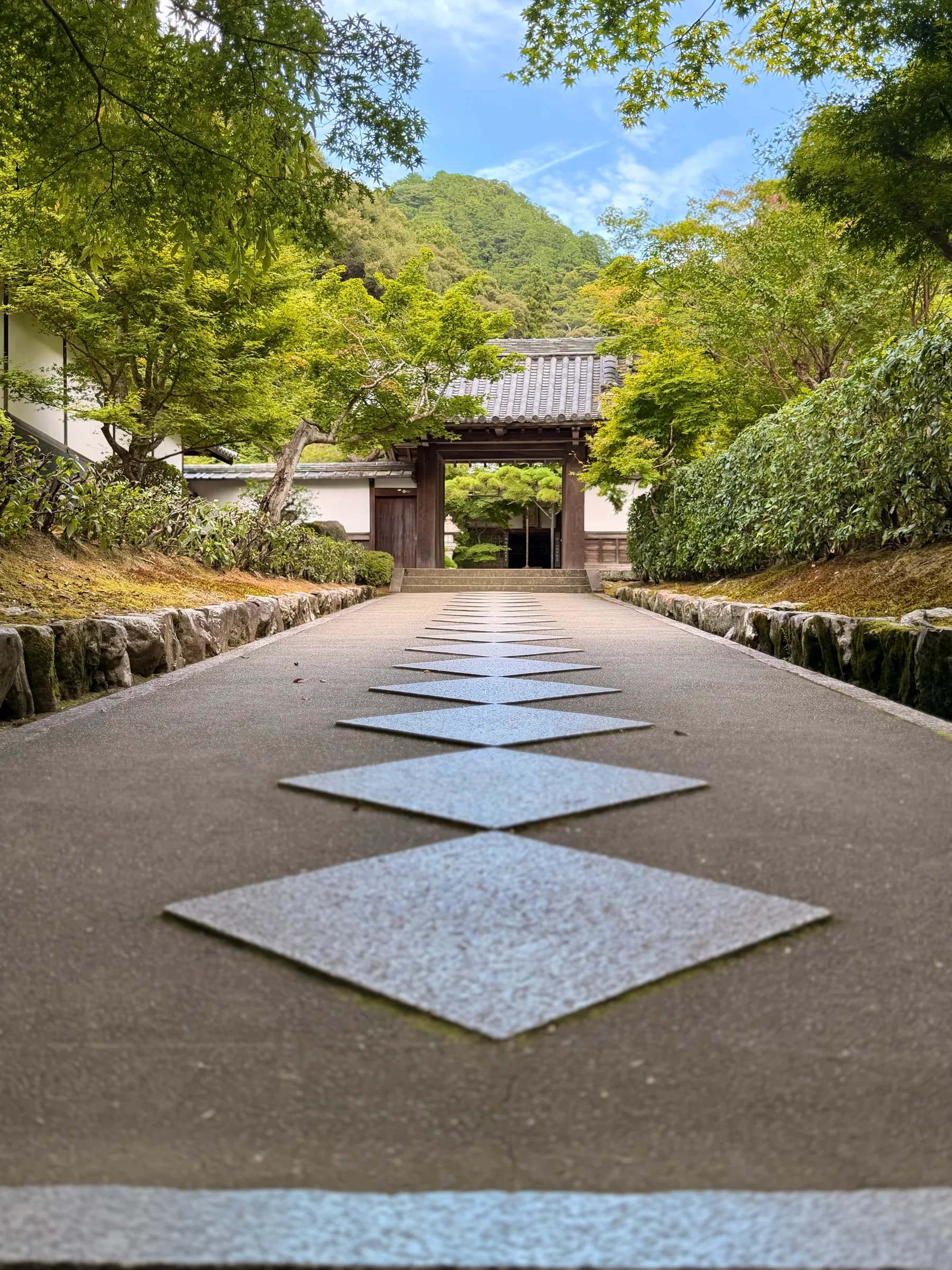
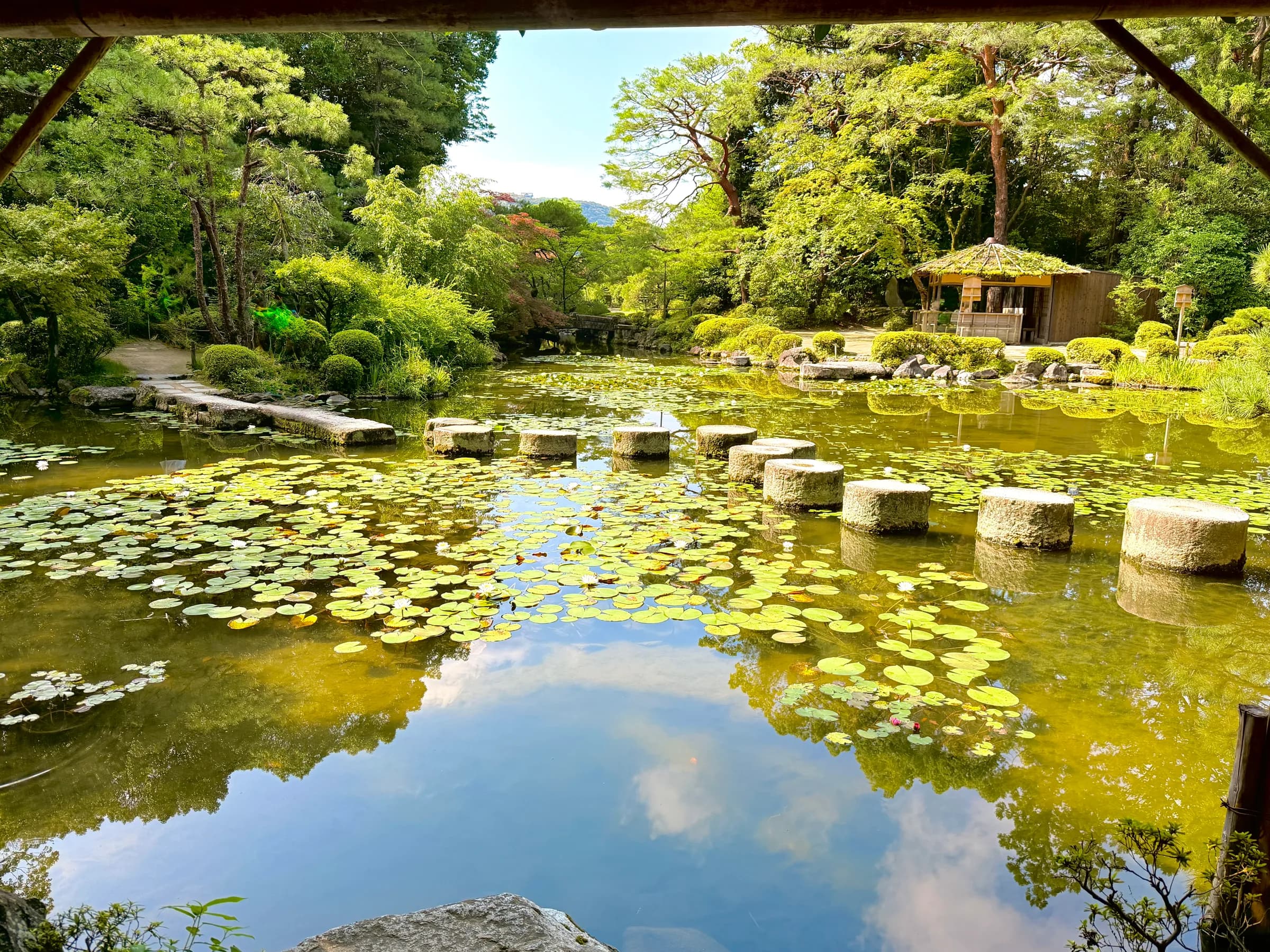
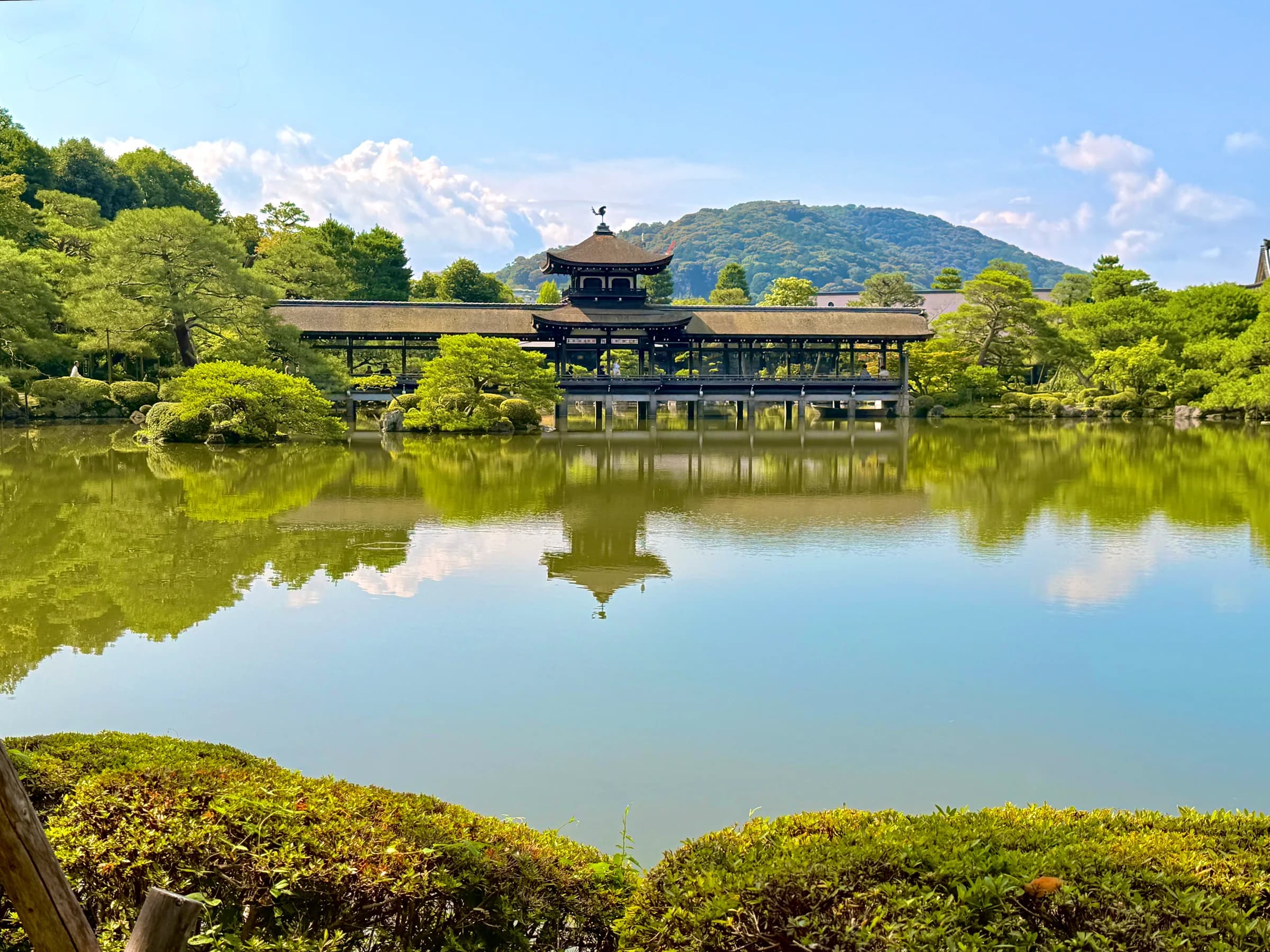
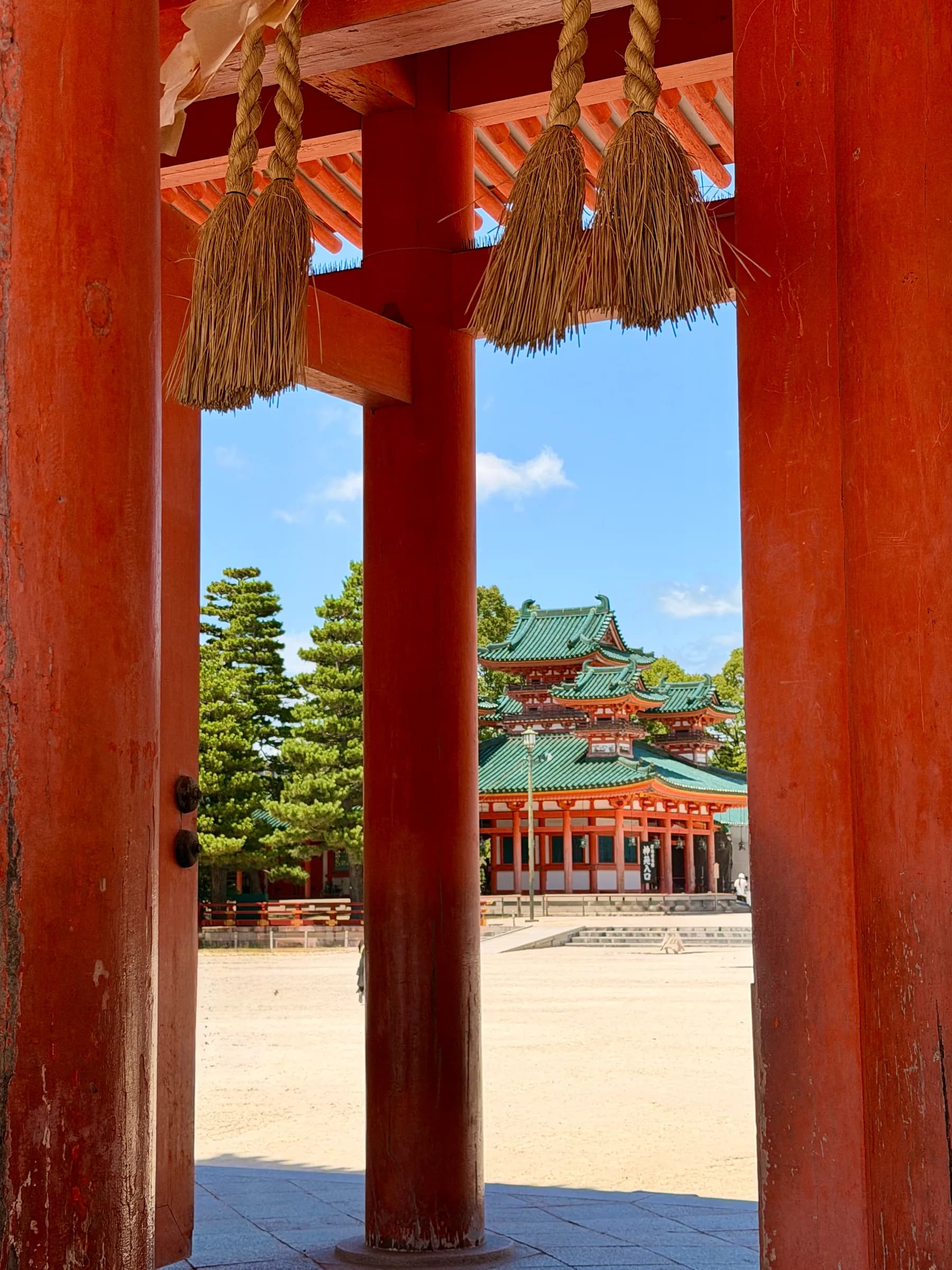
Explore Kyoto’s spiritual side along the quiet Philosopher’s Path. Walk from the rustic cedar halls of Ginkaku‑ji to the vast Zen spaces of Nanzen‑ji, pausing at calm, moss‑covered sanctuaries along the way.
Highlights
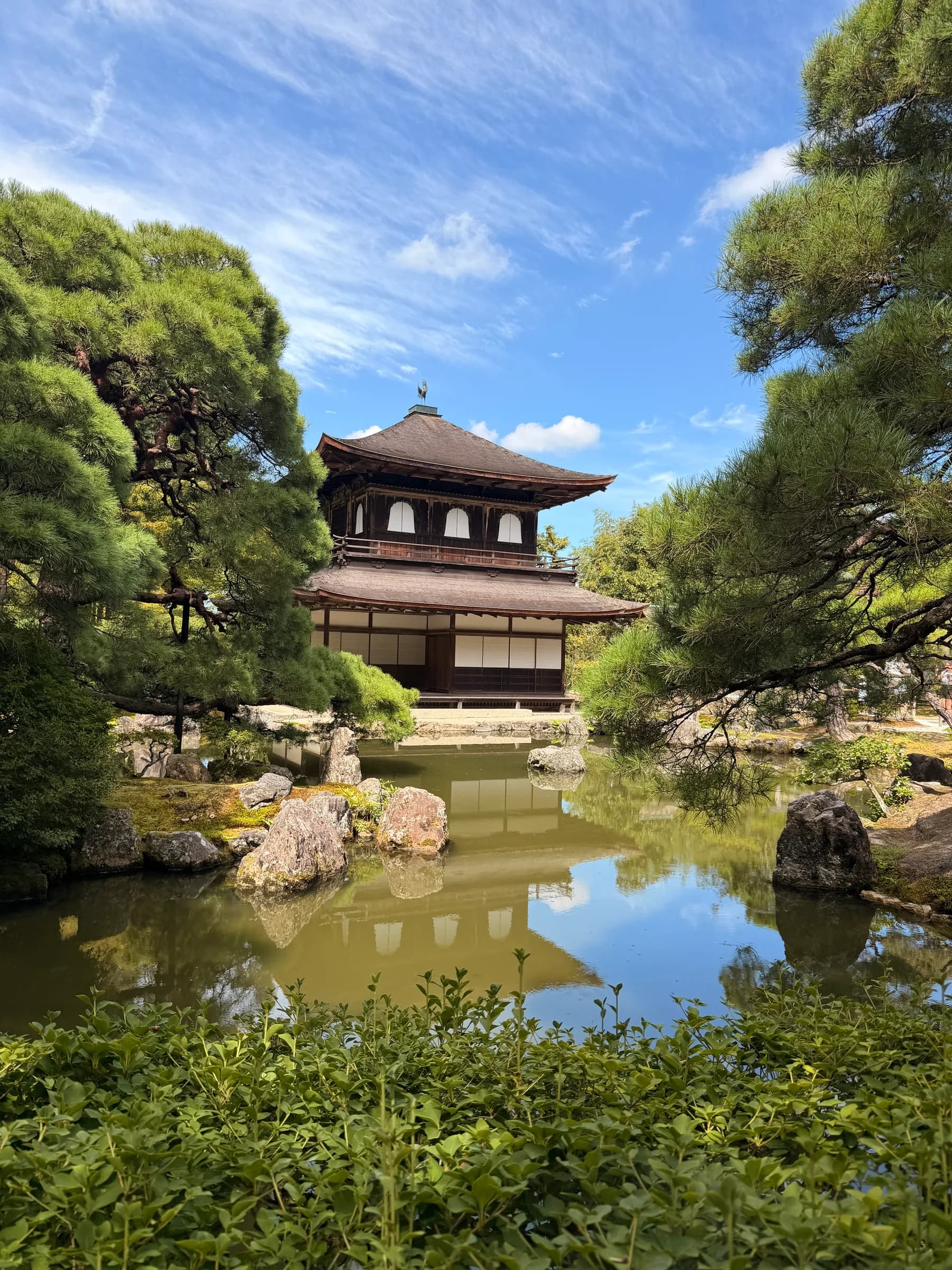
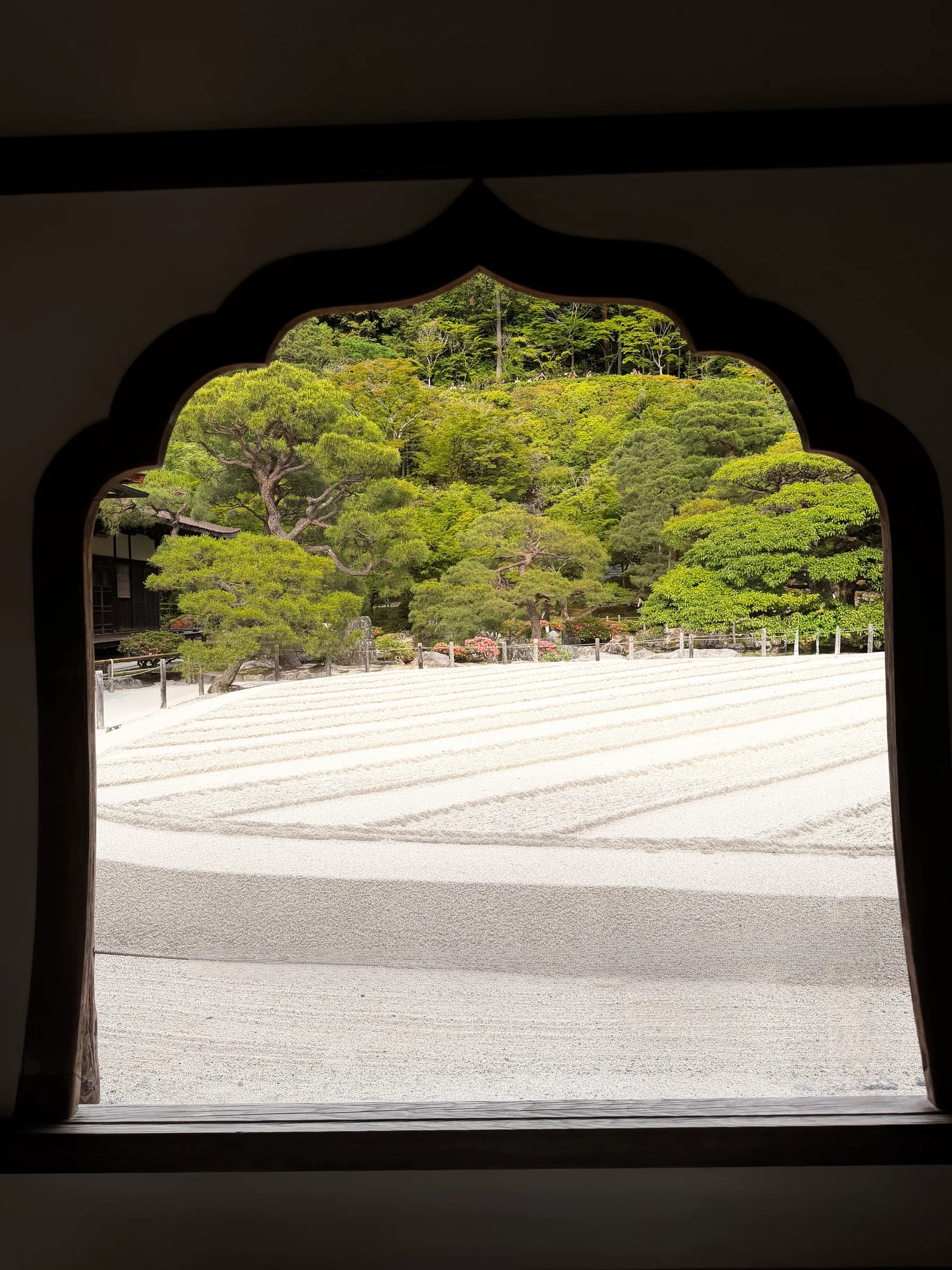
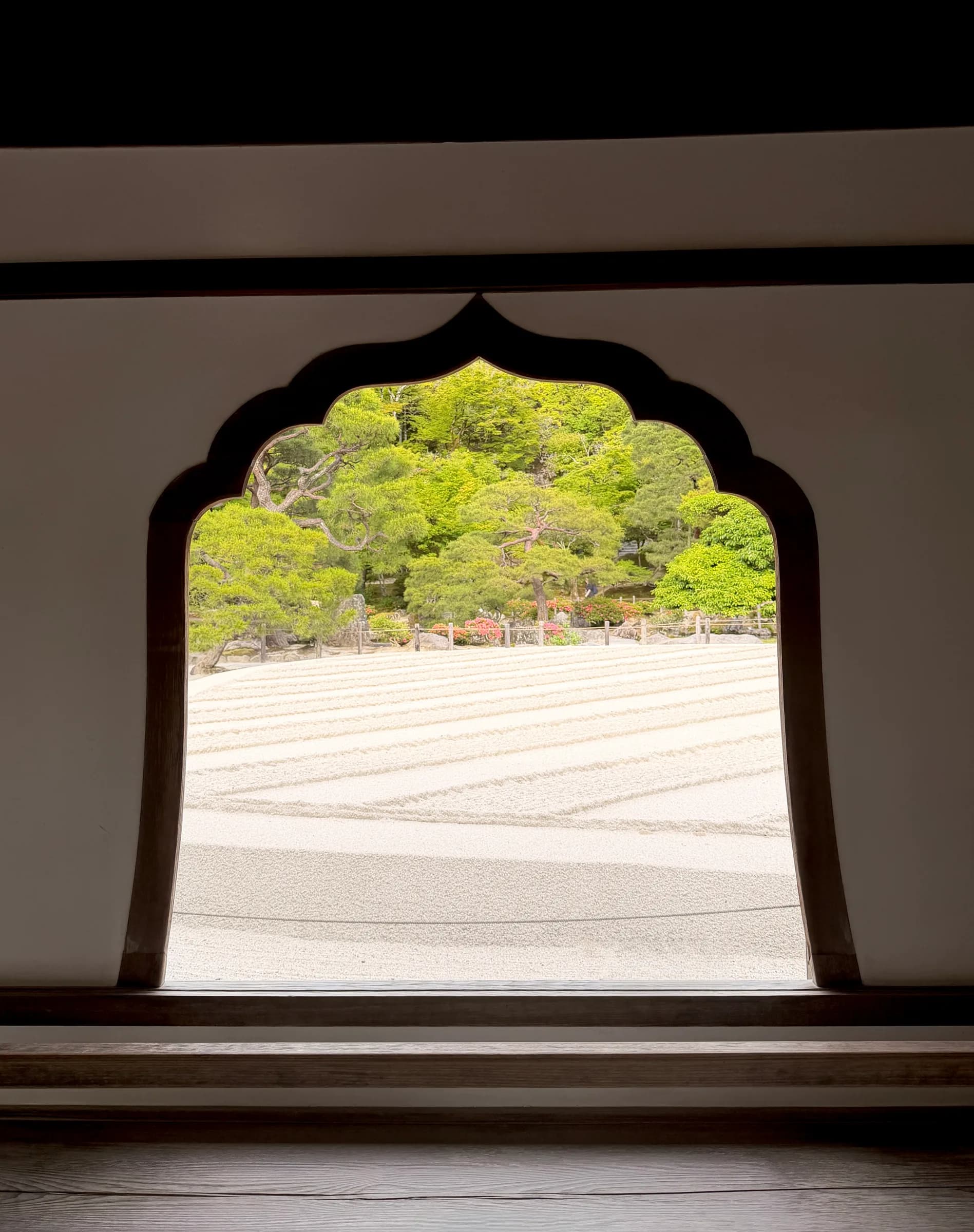
- See the dry landscape sand gardens at Ginkaku-ji (Silver Pavilion).
- Walk the tranquil stone-paved Philosopher's Path alongside the canal.
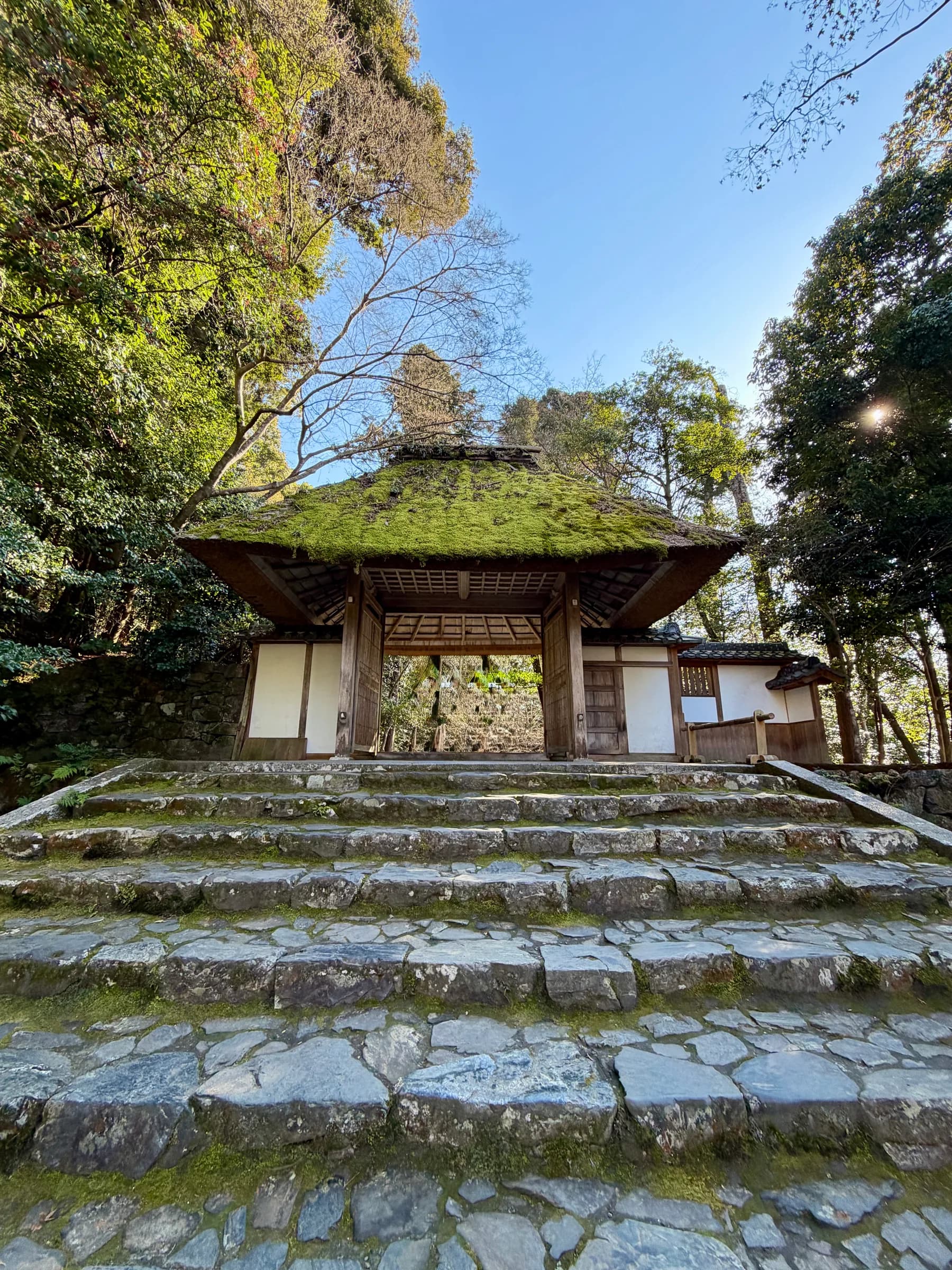
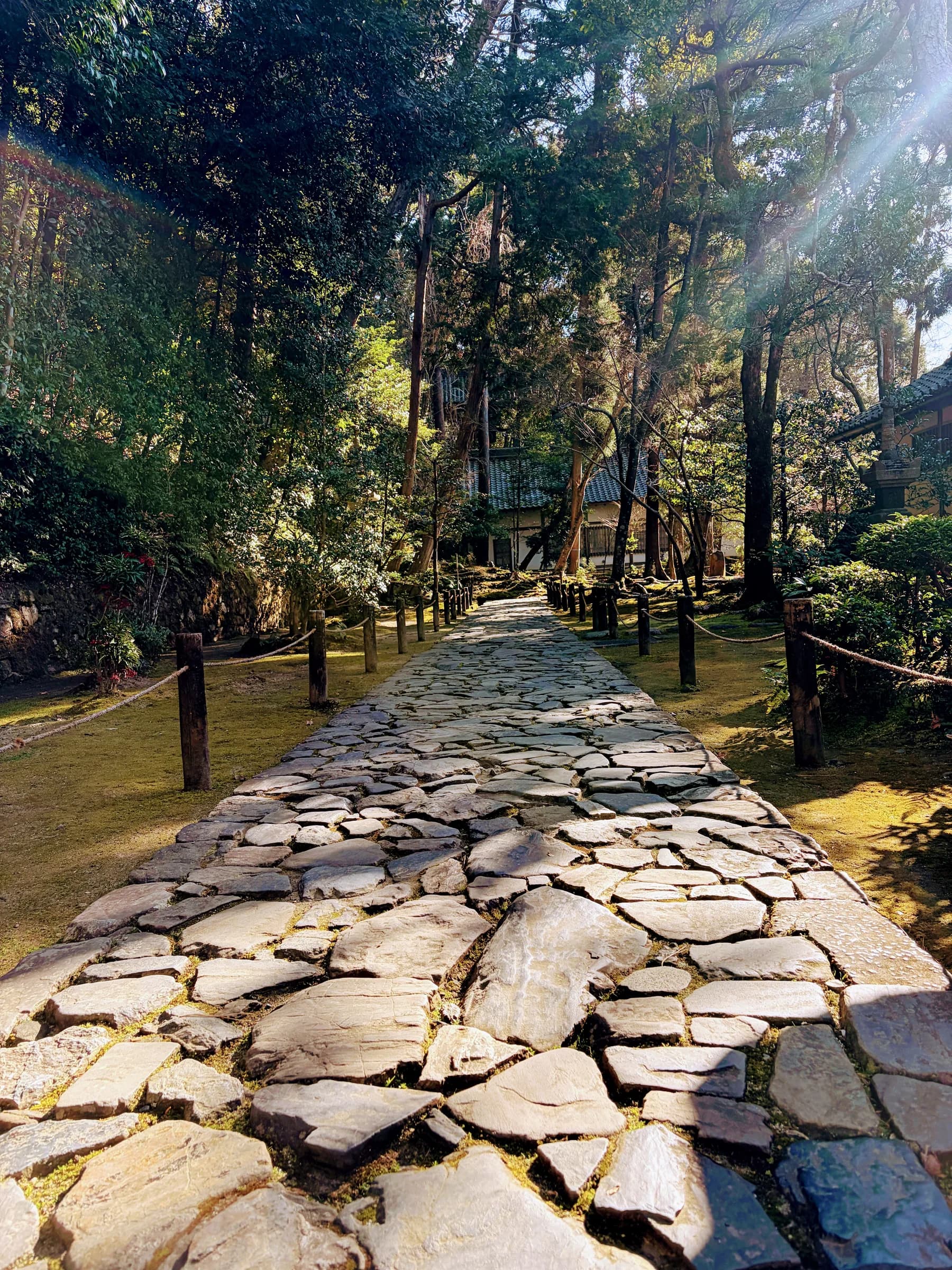
- Enter the quiet, forested courtyard of Honen-in through its mossy thatched gate.
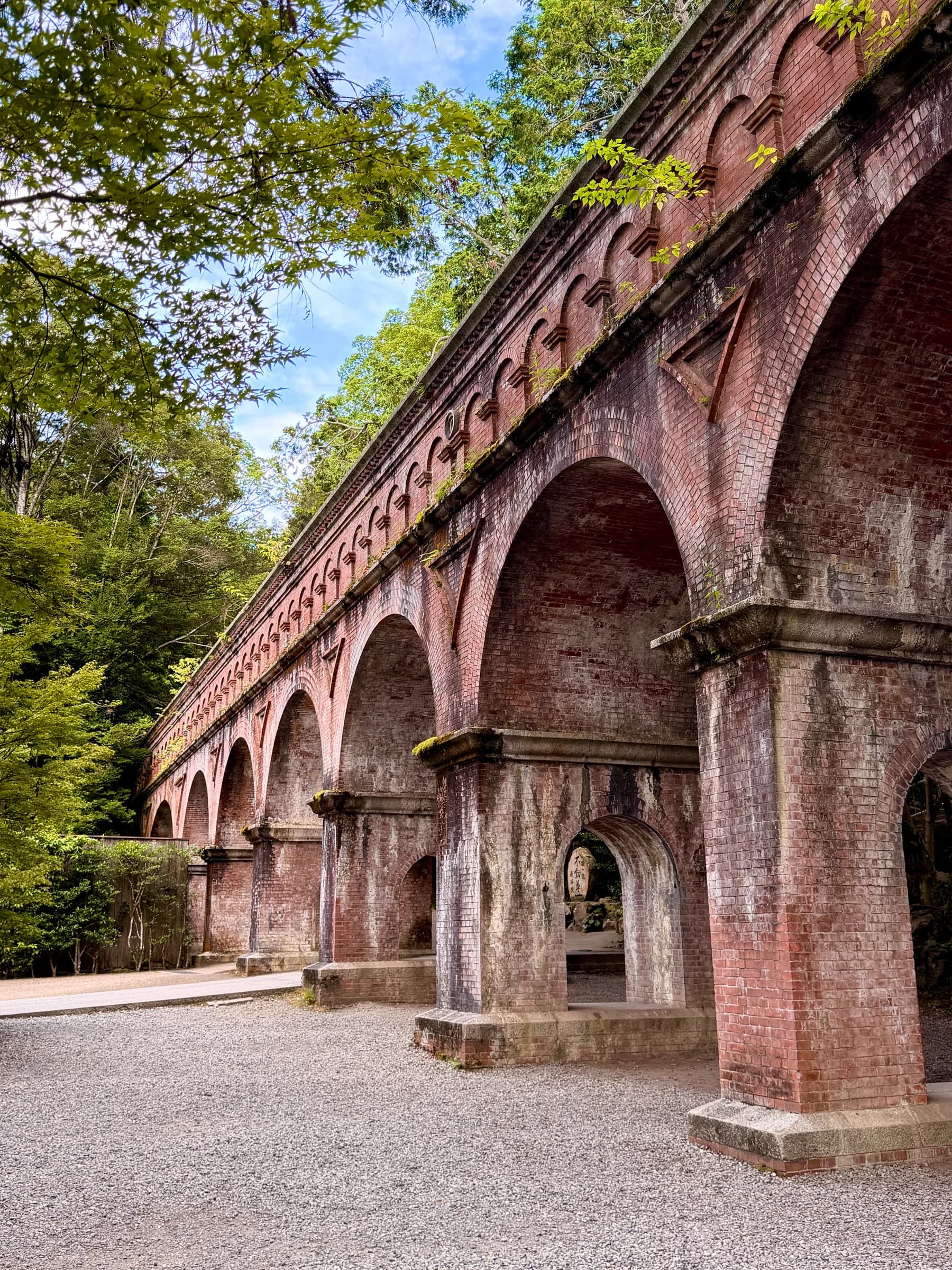
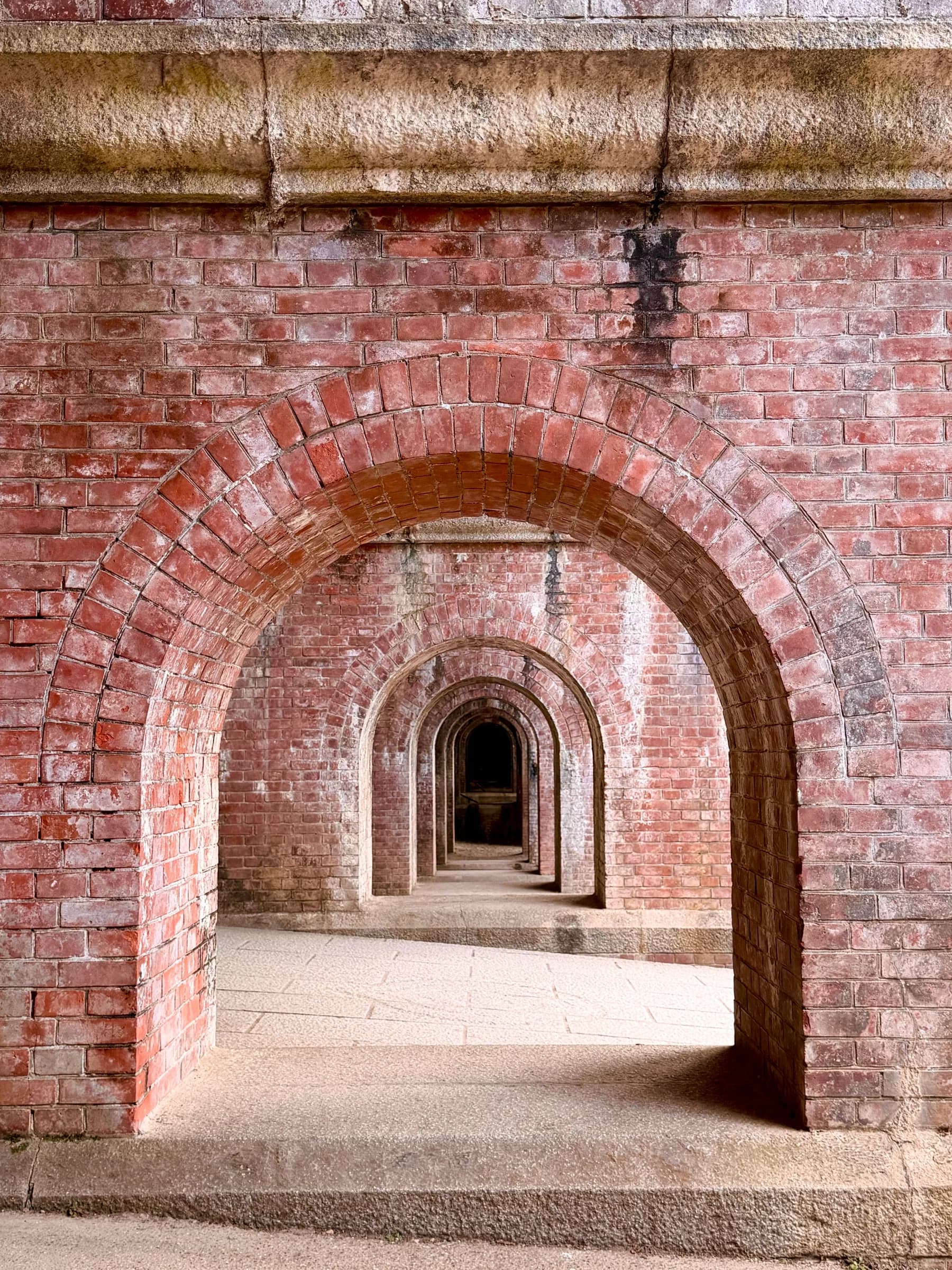
- Examine the unexpected red-brick Roman aqueduct inside the Nanzen-ji complex.
Itinerary
📌 Disclaimer: Itinerary is indicative.
This itinerary is for illustration purposes only and is non-binding. It is neither rigid nor exhaustive. On the day of the tour, your guide adapts the route live based on real-time factors: weather, public holidays, group pace, or spontaneous requests. Flexibility is our standard.
- 1
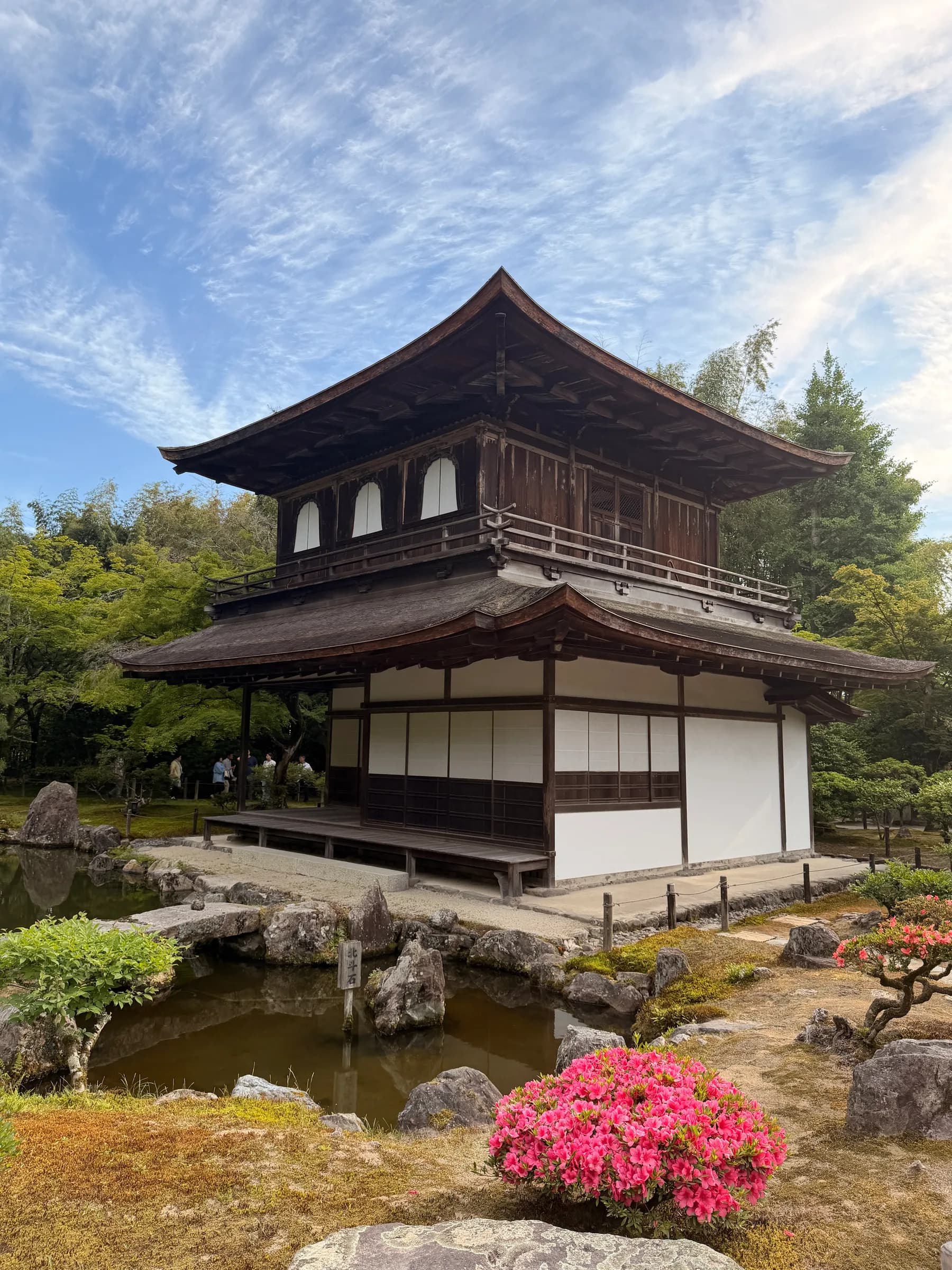 30 minGinkaku-Ji
 - 2
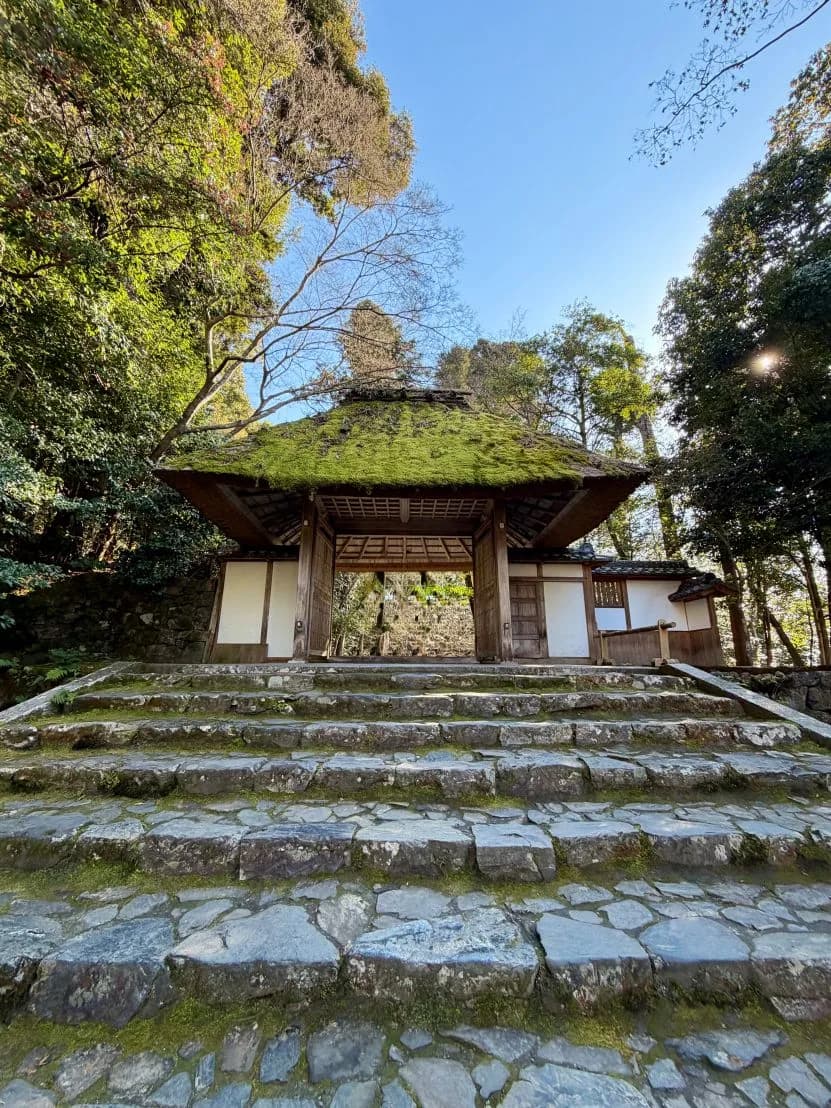 30 minHōnen-in
 - 345 minThe Philosopher's Path
- 4
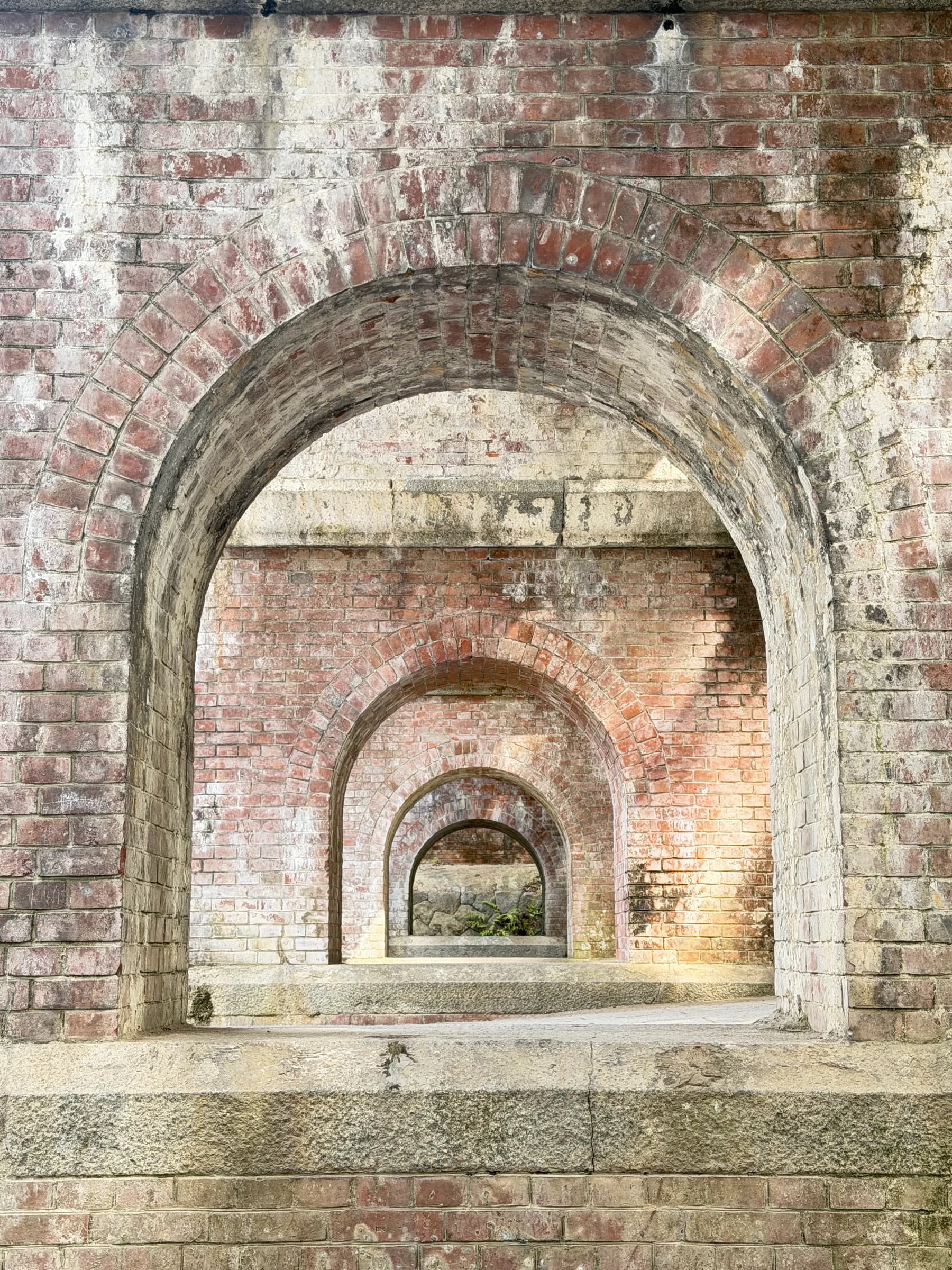 30 minNanzen-ji
 - 5
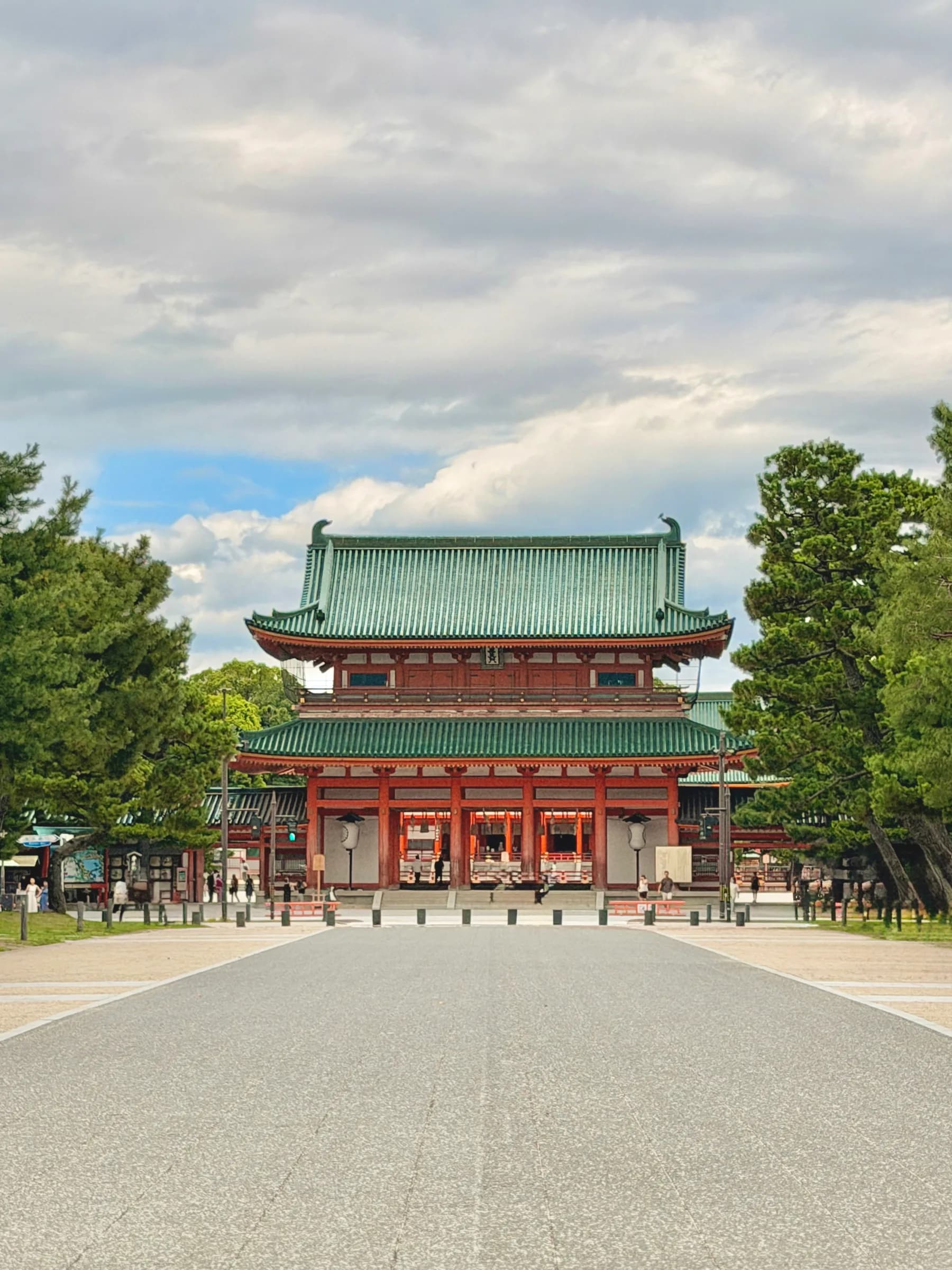
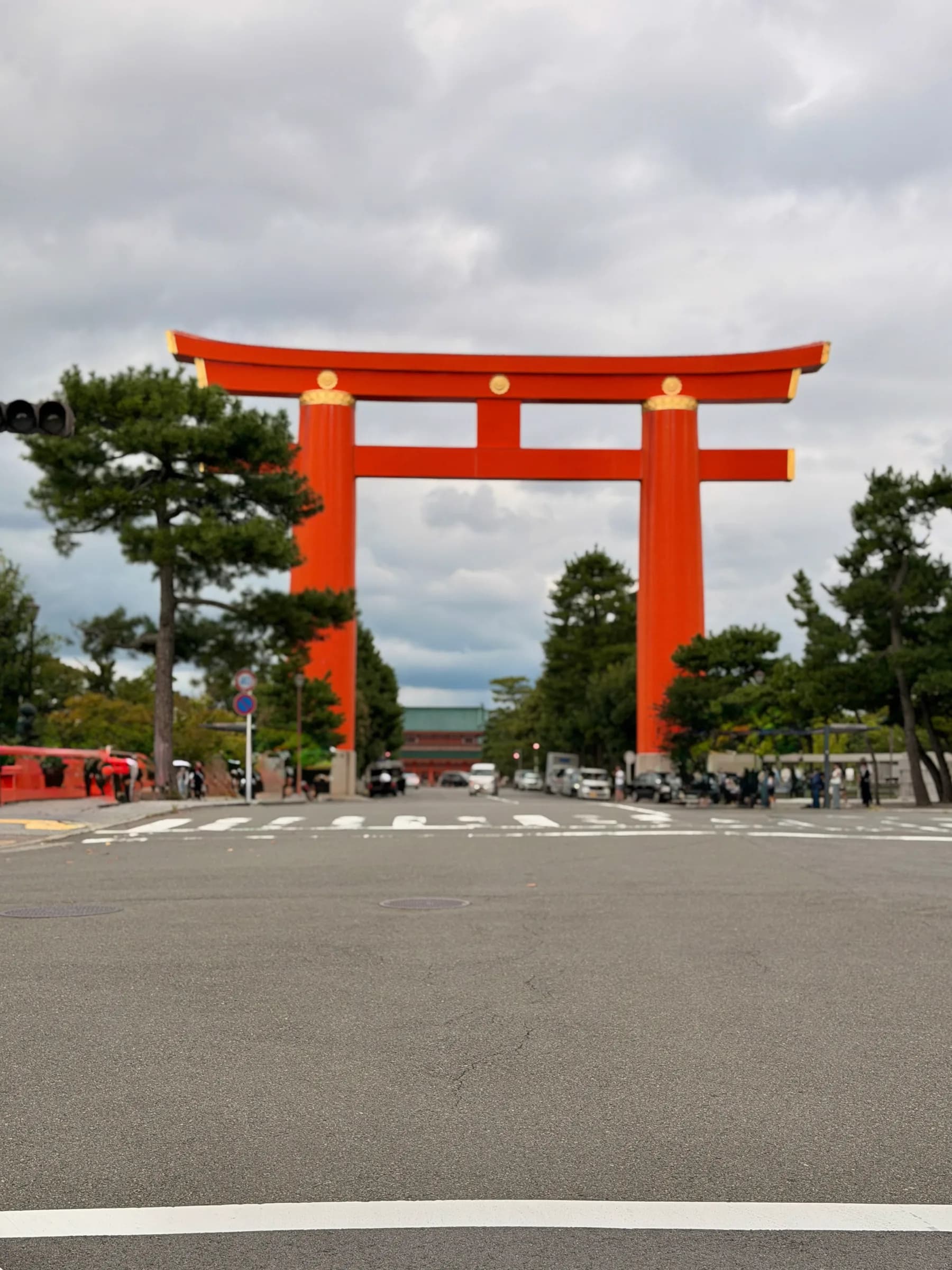
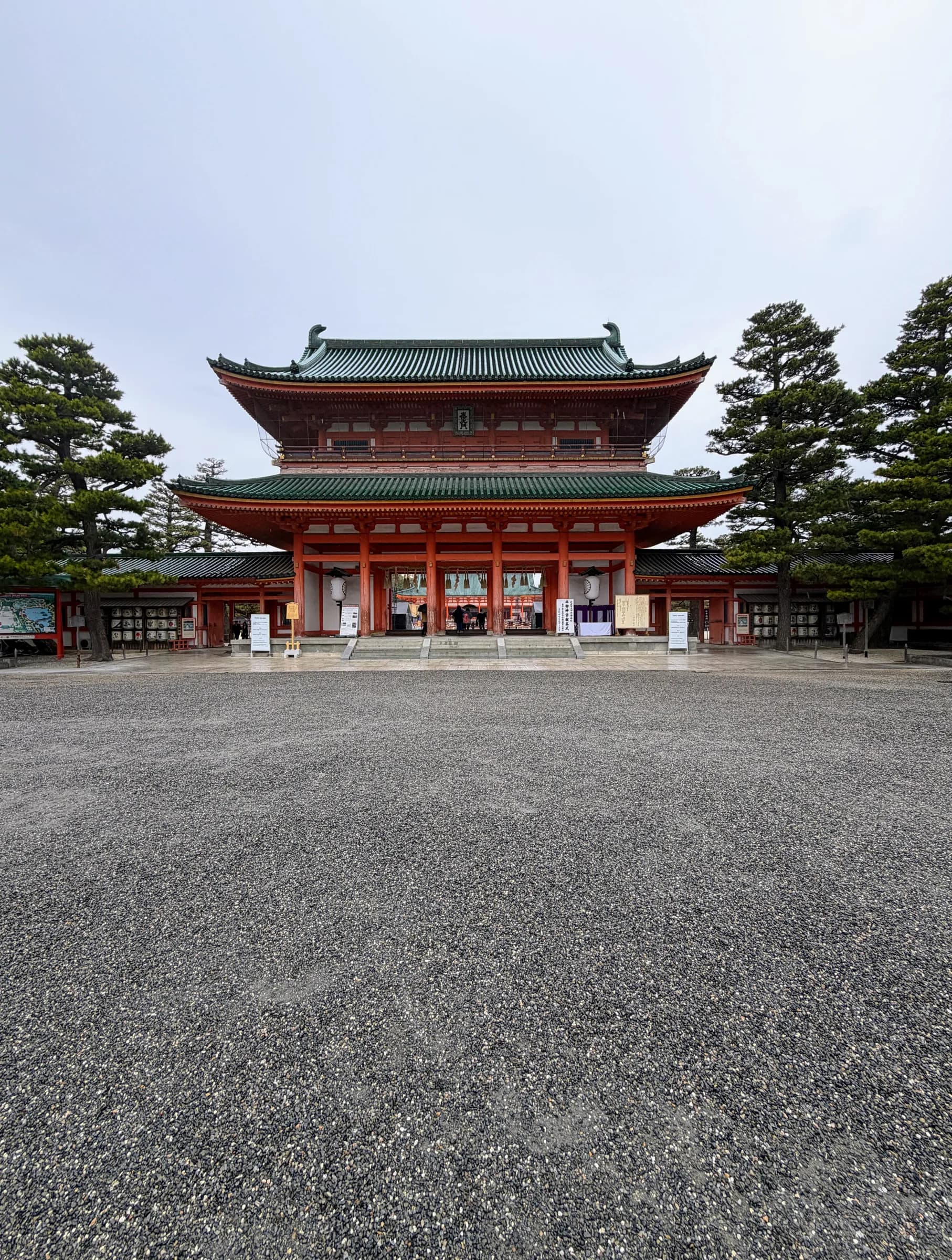 1 hHeian-jingū
Included
- ✓ Private professional English-speaking guide
- ✓ Pre-tour consultation (1h)
- ✓ Optimized and updated itinerary
- ✓ Local recommendations and expert tips
- ✓ Photos taken by your guide during the day
Not included
- ✕ Meals and drinks (unless specified otherwise)
- ✕ Entrance fees for sites (for you and the guide)
- ✕ Transportation during the tour (subway, taxi...)
- ✕ Personal expenses (souvenirs, shopping, etc.)
- ✕ Mandatory travel insurance (including cycling coverage)
About this experience
A walking route through eastern Kyoto
This half-day itinerary covers four kilometers of walking through the quiet streets and temple grounds of northeast Kyoto. We walk from north to south, starting at the Silver Pavilion and ending at the Nanzen-ji complex. The path is flat and follows a historic canal, which makes it an easy walk. The journey takes four hours and focuses on the quiet, minimalist side of local history.
The Silver Pavilion and wabi-sabi
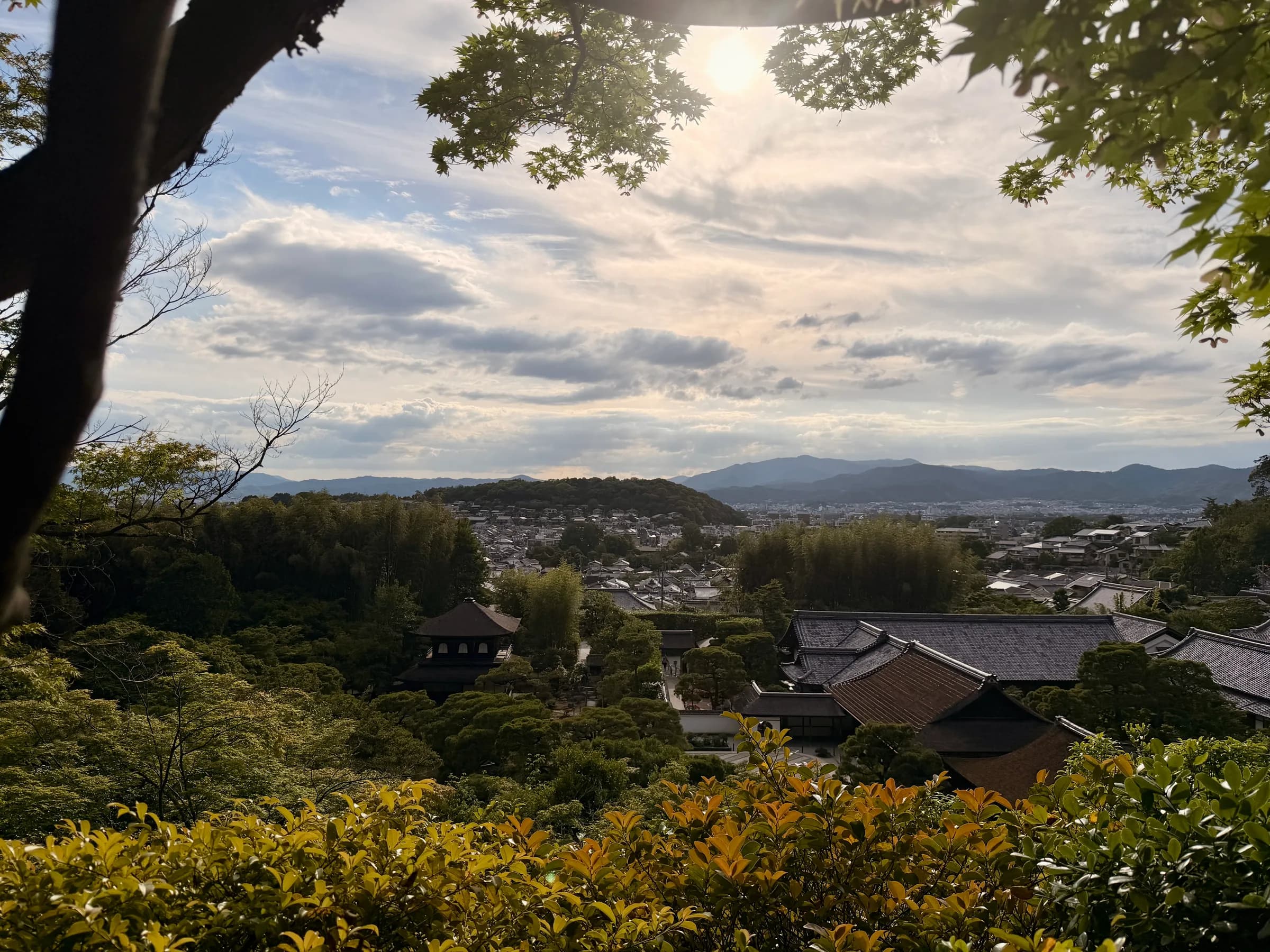
We meet at 09:00 AM at the entrance of Ginkaku-ji. This temple is famous for its raw, weathered wood structure, which represents the Japanese concept of wabi-sabi, the appreciation of simple and imperfect things. We walk past the tall bamboo entrance to view the main pavilion. In the courtyard, the monks maintain the Ginshadan, a large field of raked sand, and the Kogetsudai, a sand cone shaped like Mount Fuji. A short climb up the hillside path provides a view of the temple grounds against the modern city skyline.
The quiet forest temple of Honen-in
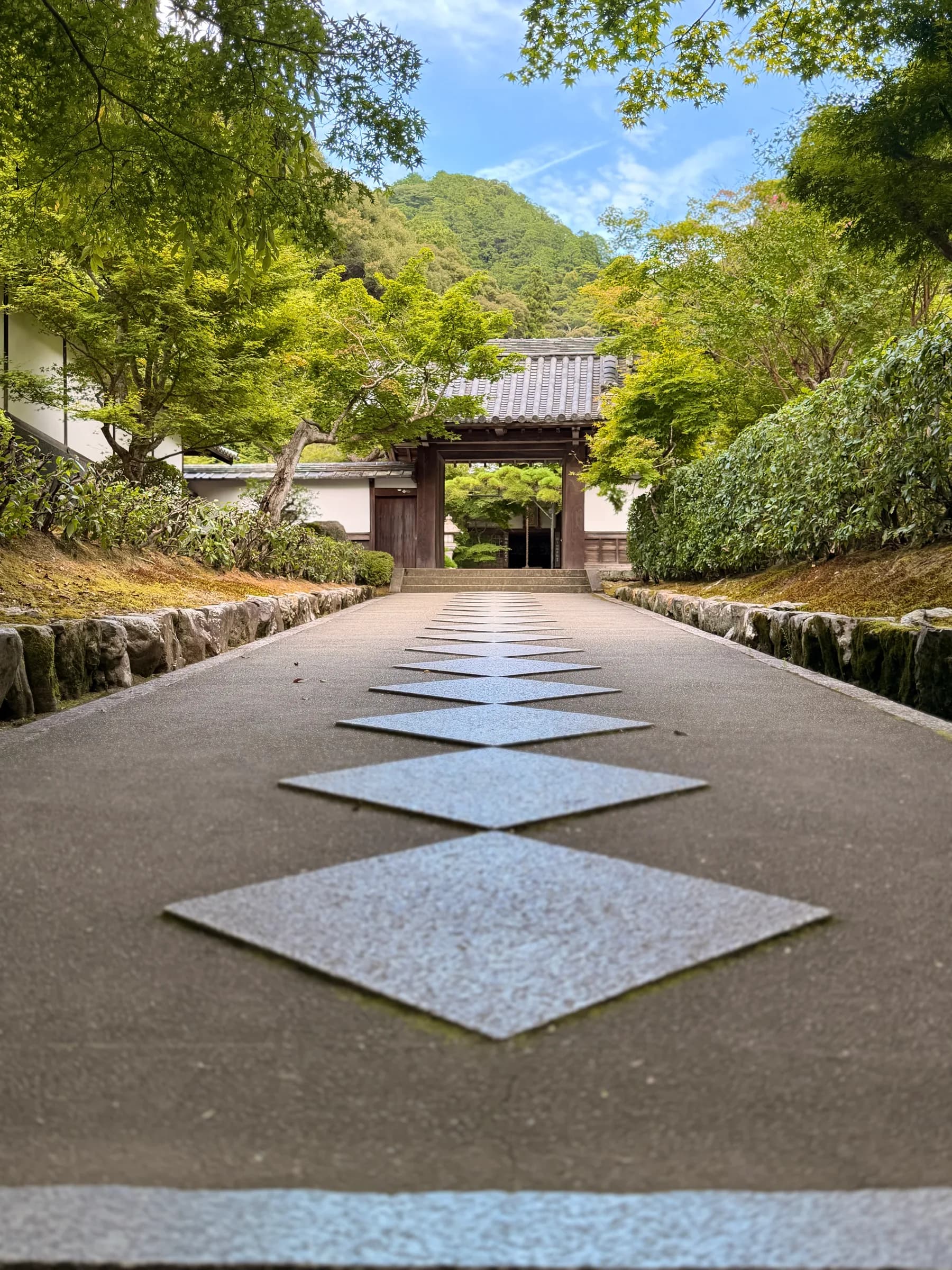
After leaving Ginkaku-ji, we join the Philosopher's Path (Tetsugaku-no-Michi) and walk south beside the canal. We turn up a small side street to reach Honen-in, a smaller temple in the woods. You enter through a moss-covered thatch gate and walk between two large sand mounds called byakusandai. The monks rake these mounds daily with seasonal patterns like maple leaves or water waves. We can sit on the wooden steps of the courtyard to experience the quiet moss garden.
Life along the canal path
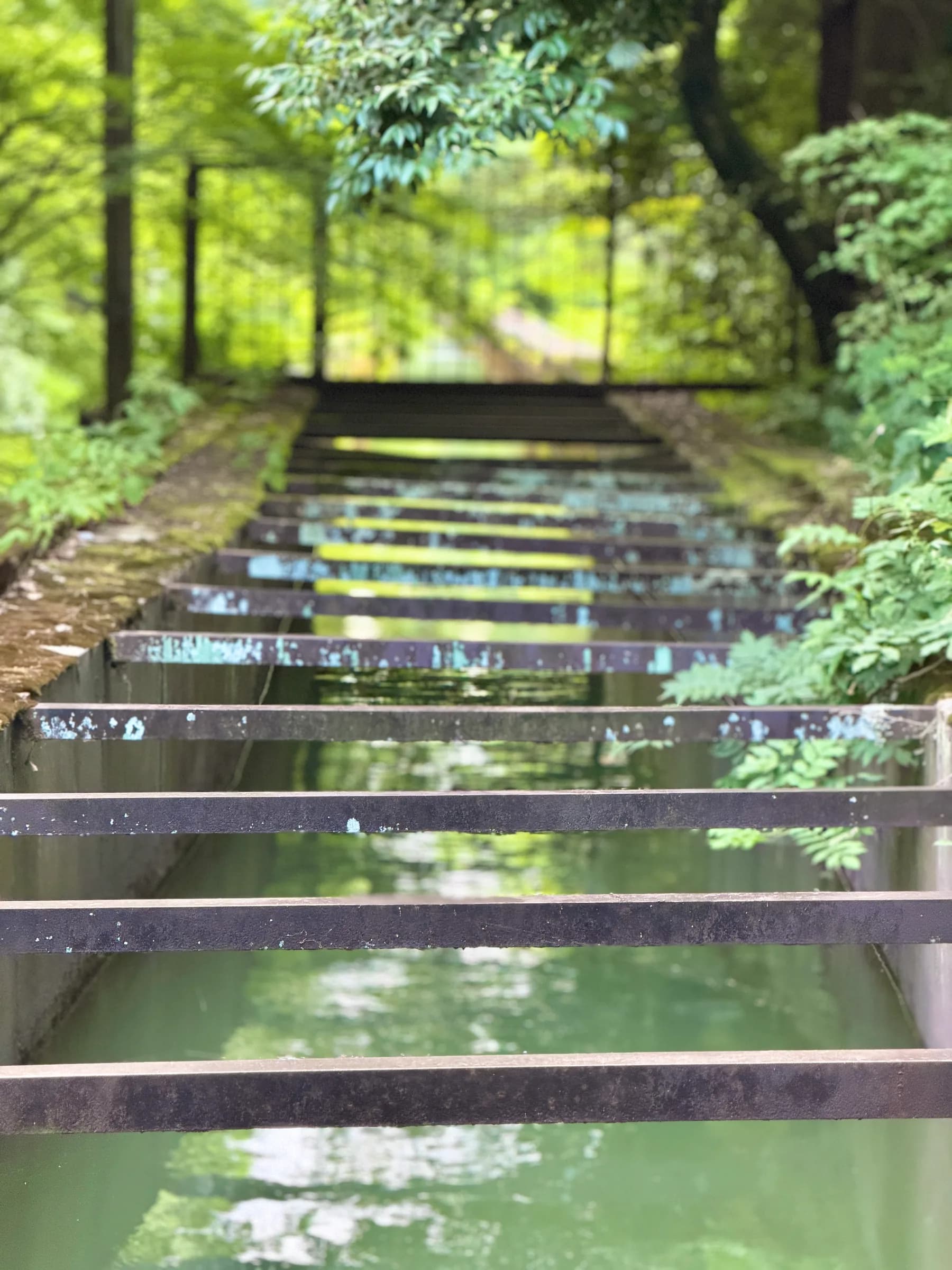
We return to the main path for a thirty-minute walk. This trail gets its name from Nishida Kitaro, a philosopher from Kyoto University who walked here daily for quiet contemplation. Today, the path offers views of local residential houses and small shops. Large carp swim in the clean water of the canal.
The grand complex of Nanzen-ji
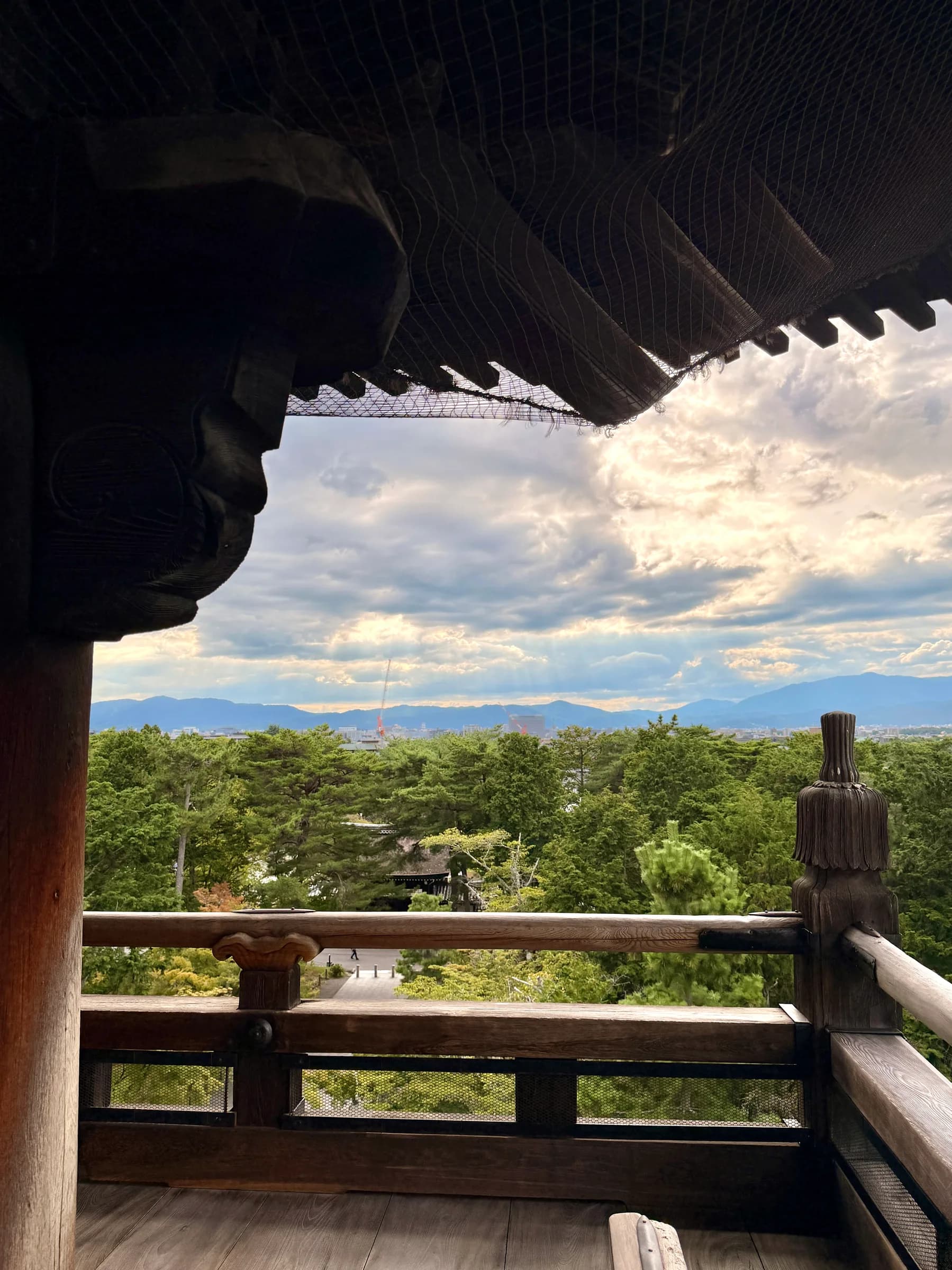
At the southern end of the path, we enter the grounds of Nanzen-ji, a major Zen temple. We stand under the massive wooden Sanmon Gate, which has deep ties to the samurai class. Behind the main hall, we visit the Suirokaku Aqueduct, a red-brick structure built in 1890 to carry water from Lake Biwa. Its Western industrial style contrasts with the surrounding cedar forest. Inside the Abbot's Quarters, known as the Hojo, we remove our shoes to view the dry landscape garden designed by Kobori Enshu. The tour ends here at 01:00 PM, and your guide can direct you to local restaurants specializing in hot tofu (yudofu).
Practical information for your journey
To reach the start, take Kyoto City Bus 5 or 17 from Kyoto Station to the Ginkakuji-michi stop, then walk eight minutes. The tour ends near Keage Station on the Tozai subway line, which connects to central Kyoto. Wear comfortable walking shoes and bring clean socks, as you must remove your shoes at the Hojo. Carry cash for temple fees, which are 500 yen at Ginkaku-ji and 600 yen at Nanzen-ji. This walk is suitable for adults and families with children aged eight and older.
FAQ
What should I know about this tour?
Where is the meeting point?
We meet at the entrance gates of Ginkaku-ji Temple (Silver Pavilion). Look for your guide holding a Kimasu sign.
What should I bring on this tour?
Wear comfortable walking shoes. Bring clean socks without holes, as you will need to remove your shoes at Nanzen-ji. We also recommend bringing cash in Japanese Yen for small local shops.
Is this tour wheelchair accessible?
The Philosopher's Path is mostly flat, but several temple entrances, steps, and garden pathways have gravel, stone steps, or raised thresholds that make wheelchair access difficult.
What happens in case of rain?
The tour runs in rain or shine. If it rains, we will spend more time under the covered corridors of the temples. Please bring an umbrella or raincoat.
Is this tour suitable for children?
The flat route is safe for children, and they often enjoy watching the large carp in the canal. However, because Zen temples require quiet contemplation, the tour is best for children aged 8 and up.
What level of physical fitness is required?
This is an easy 4-kilometer walk taken at a leisurely pace. There are minor slopes and some stairs near Ginkaku-ji, but anyone who can walk comfortably for a few hours can join.
Cycling or walking?
Why do you recommand cycling tours ?
Yes, cycling is our specialty and by far the absolute favorite of our travelers! We consider it the ideal first activity to kick off your stay. For now, we offer our cycling tours exclusively in Kyoto — and for good reason: it is the most bike-friendly city in Japan. Hopping on a bike from your very first days allows you to instantly get your bearings while covering several very different neighborhoods in a single day. It's enjoyable, fun, and saves you precious time. For example, crossing the city by bus or taxi from the Golden Pavilion to the Arashiyama Bamboo Grove can quickly become a logistical nightmare during rush hour. Thanks to our various cycling tours, we cut through local backstreets, avoid the crowds and traffic jams, and access hidden temples completely off the beaten tourist track.
Do I need to be in top shape to join a bike tour?
Not at all—if you know how to ride a bike, you are ready to go! Our tours are run at a leisurely pace, mostly on flat ground with frequent stops. Electric-assist bikes smooth out any gentle slopes and long stretches effortlessly. Best of all, all our tours are 100% private, meaning we tailor the tempo entirely to you on the day. Each tour page lists the total distance and terrain details, and we are always happy to chat if you want to double-check before booking.
Standard bicycle or or E-Bike?
Electric-assist bikes are our default standard across all tours, and required on select itineraries with longer distances or elevation: Comfort & Ease: E-bikes smooth out inclines and distance, ensuring a relaxed, effortless ride compared to heavier traditional city bikes. Beating the Heat: During warmer months, electric assistance lets you enjoy the ride without straining under the heat and humidity. If you prefer a standard bike on routes where it is suitable, you are more than welcome to choose one—we always adapt the pace to you. Note for younger riders: Rental e-bikes require a minimum height of 140 cm (4'7") to guarantee safety and proper fit.
Can children participate in the bike tours?
Absolutely, our bike tours are designed for the whole family! For children up to age 6, we provide bikes fitted with comfortable child seats. Confident young riders aged 6 to 8 and up are welcome on our half-day routes. For full-day rides, our electric-assist bikes require a minimum height of 140 cm (4'7") for safety and ease. Since every young rider is unique, reach out to us so we can tailor the best setup for your family.
Approximately what distance do we cover?
It depends on the tour format: expect roughly 10 to 18 km (6–11 miles) for a half-day ride, and up to 25–30 km (15–18 miles) on a full-day itinerary. Exact distances and terrain details are clearly listed on each tour page. Because our tours are 100% private, we continuously adjust the pace, stops, and route to match your energy, preferences, and the day's weather.
Getting around Kyoto
Where can I cycle in Kyoto?
While Kyoto's grid layout makes navigation straightforward, don't be fooled: the city is definitely not flat! It features a continuous, subtle uphill slope from south to north, and reaching the famous temples on the surrounding hillsides requires some real legwork. To avoid heavy traffic and find the best riding conditions, look for these areas: - The banks of the Kamo River (Kamogawa): Perfect for crossing the city away from traffic on dedicated pathways, with beautiful open views. - The Miyagawacho district: A much quieter and more peaceful alternative to Gion, ideal for admiring traditional machiya townhouses at a leisurely pace. - The Okazaki Canal: A stunning, spacious route that becomes absolutely magical under the cherry blossoms in spring. 💡 The Kimasu Advantage: Planning the perfect cycling route in Kyoto on your own can be tricky. Between unexpected slopes, hidden one-way streets, and strictly enforced pedestrian-only zones where bikes are banned, it's easy to get stressed. On a Kimasu bike tour, you can just enjoy the ride. Your guide handles the relief, manages the pace, and takes you through secret local shortcuts you won't find on any map.
Culture & etiquette
What are the essential rules of behavior and etiquette to know?
Japanese society places immense value on the concept of "Kuuki Yomu" (literally: reading the air) — the art of sensing the atmosphere and showing consideration to maintain social harmony. It's this mutual respect that makes traveling here so peaceful! While locals are very forgiving with tourists, here are a few golden rules to follow: • On the street: Do not eat, drink, or smoke while walking (enjoy your snacks right outside the shop where you bought them). Keep your trash with you, as public trash cans are virtually non-existent. • On public transport: Silence is golden. Keep your voice down, avoid phone calls completely, and take off your backpack so you don't bump into other passengers. • At temples and shrines: These are sacred spaces. Never sit on the ground, on temple steps, or on the stone walls of private properties. • Photography in Gion (Geisha district): Strictly respect all no-photography signs. Taking photos in private alleys is illegal and subject to a heavy fine. • At the table: Never stick your chopsticks vertically into your bowl of rice (this mimics a funeral rite) and never pass food directly from chopsticks to chopsticks. Don't worry: Your guides will be right by your side throughout your tours to give you a friendly heads-up and explain the meaning and history behind these customs!
Do we really need to take our shoes off often?
Yes, it happens quite often: at the entrance of certain temples, tea rooms, traditional tatami restaurants, or some shops. Wear shoes that are easy to slip off and make sure your socks are clean and hole-free — it's one of those small details that really matters.
How does the day work?
How long does a tour last?
It depends on the format: allow approximately 4 hours for a half-day, 7 hours for a full day, and 3 to 4 hours for an evening tour. As everything is private, the timing remains flexible and can be adjusted to your pace on the day.
Group size
What is the maximum number of people per group?
Our tours are 100% private, meaning you will never be paired with other travelers. We typically accommodate groups of up to 8 guests. For larger parties, please get in touch—we organize custom tours on request and will gladly provide a tailored quote.
Weather
What happens if it rains on the day of our tour?
No worries — the charm of Kansai works its magic in any weather! For our walking tours, we'll keep the day going by adapting the route in real time: we prioritize temple interiors, historic covered arcades, or Machiya (traditional wooden houses) to keep you dry. For our cycling tours, we'll do our best to reschedule based on your availability and ours. If no alternative slot is available, the choice is yours: in case of light rain, we can certainly keep the tour going by picking up lightweight ponchos at a konbini. If the weather proves truly dangerous for cycling, we'll immediately switch to a fantastic alternative walking and transport route.
Preparing your visit
What should we pack for the day?
Opt for comfortable clothing and good walking shoes. An important point regarding local etiquette: you will sometimes need to remove your shoes to enter sacred areas of temples, tea houses, or traditional tatami restaurants. Therefore, be sure to wear clean socks without holes. Bare feet are discouraged out of respect for the purity of the places. As for the weather: if you are coming in summer, pack light clothing as the climate is very hot and humid. No need to carry too much water: Japan is a paradise of vending machines (on every corner) and convenience stores (konbini) open 24/7 where you can find everything you might need (sunscreen, umbrellas, wipes) in case you forget anything.
What should I wear to visit temples?
Opt for comfortable clothing and shoes that are easy to slip off, as you'll frequently need to remove them at temple entrances. Make sure your socks are clean and hole-free. In winter, pack a pair of thick socks in your bag — traditional temple floors can get very cold.
What's included & pricing
What is included in the price?
The price includes your private bilingual guide (French and English) and the e-Bike rental. Temple and site entrance fees, meals, and public transportation are not included — giving you complete freedom on the ground. Your guide will inform you of the estimated budget in advance.
Are meals and temple entrance fees included?
No, meals and temple entrance fees are not included in the price. This allows you to maintain control over your choices (and your budget), and your guide will direct you to the best places and sites that are truly worth visiting.
Cancellation & changes
What is your cancellation policy?
Our policy is clear and fair: 100% refund of tour prices for any cancellation made more than 7 days in advance, 50% refund for cancellations made between 7 days and 48 hours in advance, and no refund for cancellations made less than 48 hours in advance — except in cases of force majeure. Booking fees are only refunded if the cancellation is our fault. In practice, we always look for a solution that suits you (rescheduling or an alternative).
Accessibility
Are your tours suitable for families, seniors, or people with reduced mobility?
Our walking and cycling tours are suitable for a wide range of abilities, and e-bikes are a great help for those seeking a more leisurely pace. For those with reduced mobility, we tailor the experience to your needs: contact us in advance and we'll create a personalized itinerary together.