Beyond Shimogamo shrine: exploring northern Kyoto on two wheels
Terence·October 22, 2026·7 min read
KyotohistoryNatureVélo
Terence·October 22, 2026·7 min read
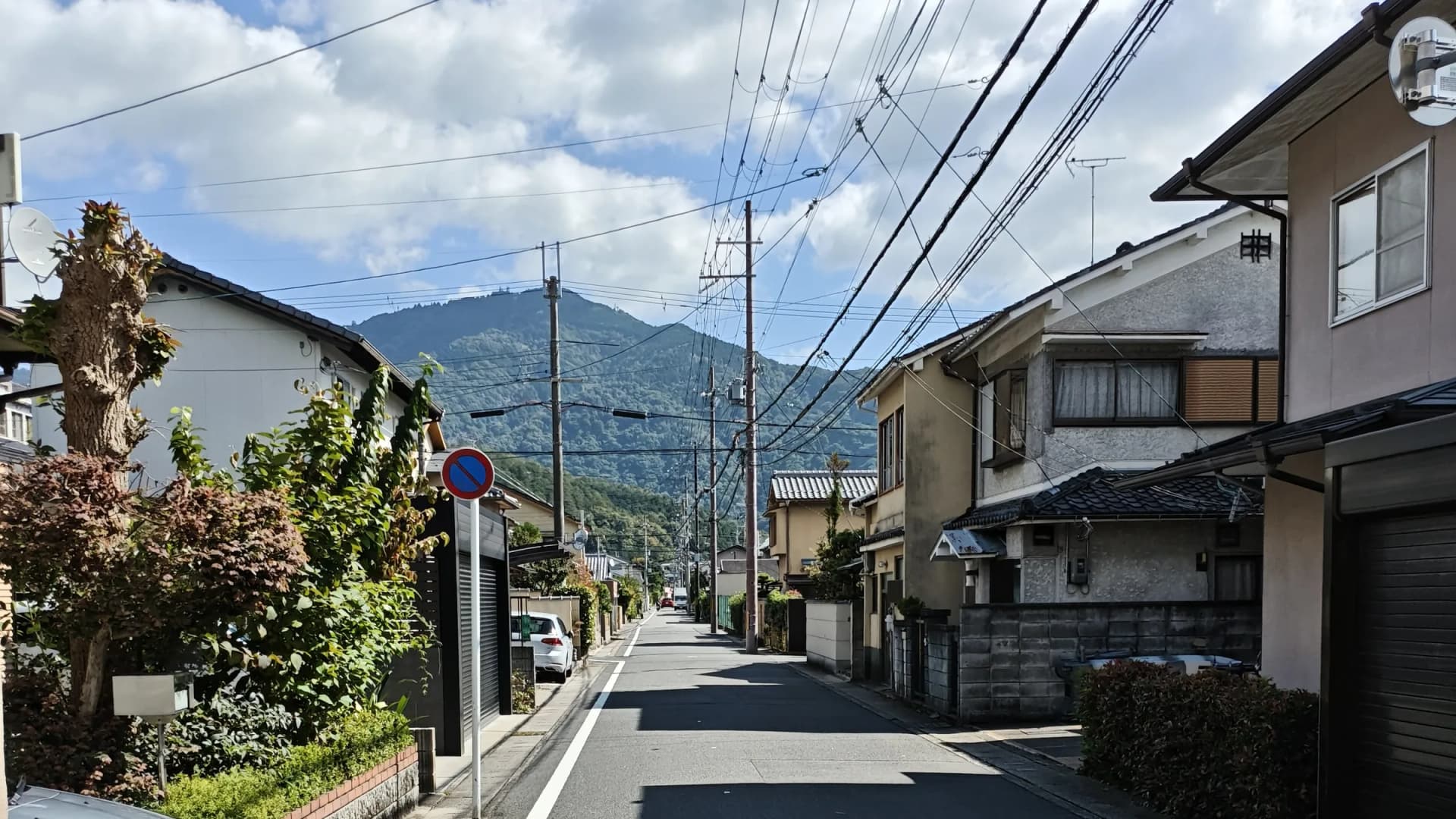
Riding north along the riverbank path past Demachiyanagi opens up an uncrowded side of northern Kyoto that most travellers miss during their first journey. Beyond Shimogamo Shrine, the city's busy avenues quickly give way to quiet residential lanes, historic samurai duel grounds, and peaceful mountain reservoirs set against the clear ridgeline of Mount Hiei. This route covers the northern loop through Ichijoji, Takaragaike, and Iwakura, offering concrete details on practical cycling distances, hill gradients, and temple parking rules for a smooth day on two wheels.
Riding the Takano River Trail: Route, Elevation, and Parking
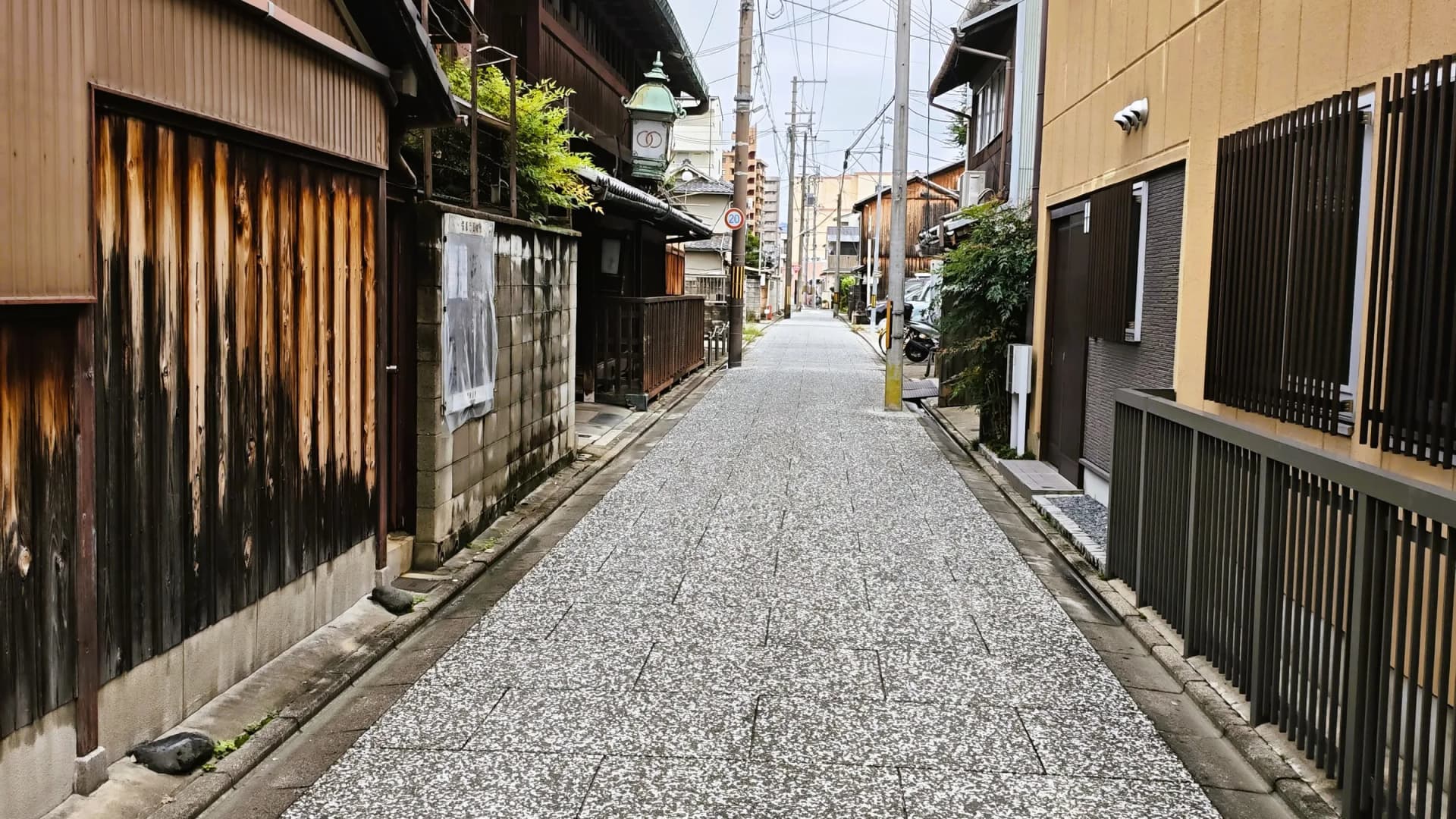
Riding north along the river path past Shimogamo Shrine is the most direct route into Sakyo Ward. Following the riverside paths avoids major traffic and traffic lights while gradually guiding you toward the eastern foothills. This northern corridor offers an authentic look at local neighborhood life, with the northern mountain range set against the horizon.
Leaving the Kamogawa delta
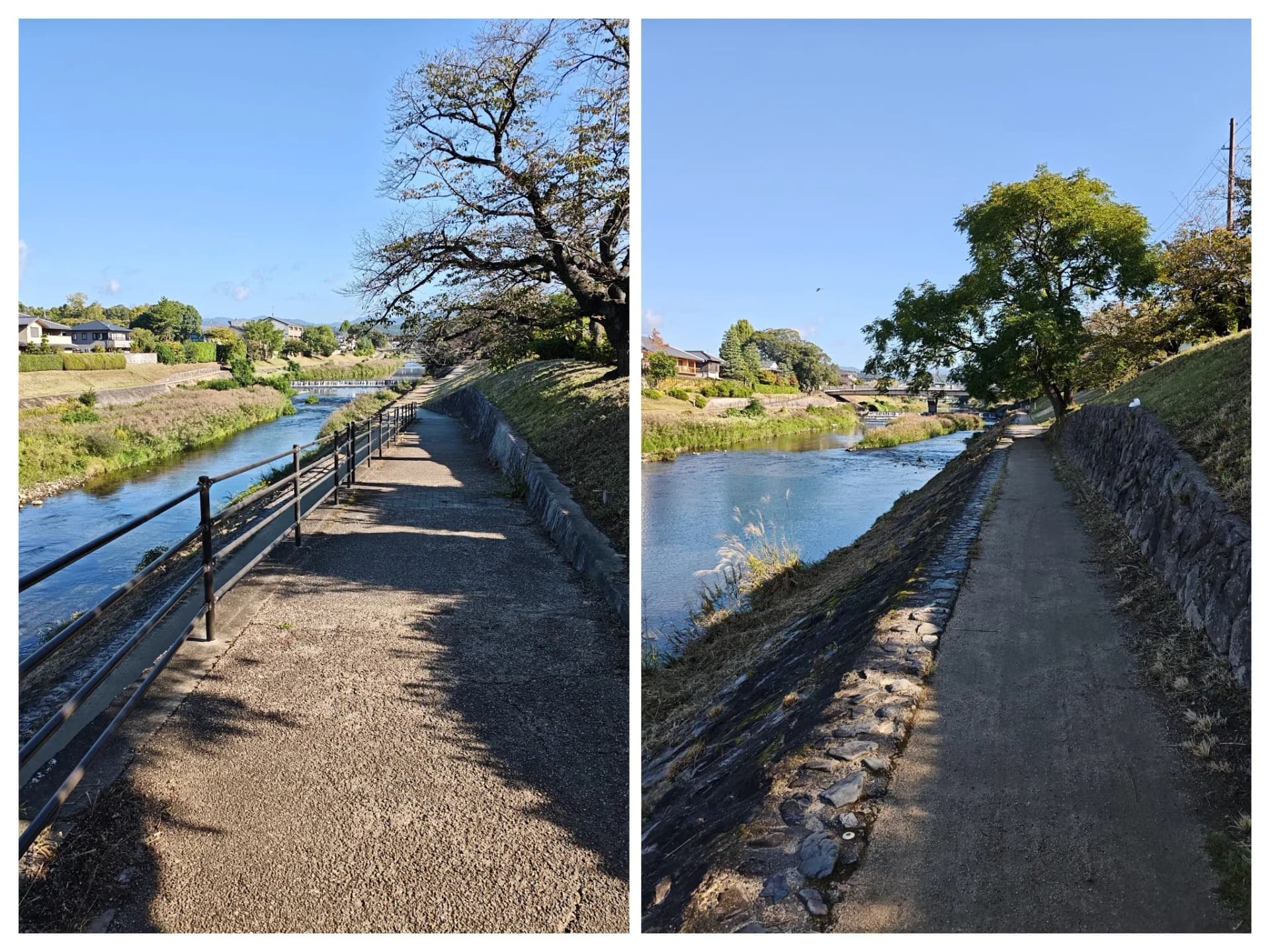
At the Delta—where the Kamo and Takano rivers join—the paved riverbank trail splits. Forking right along the Takano River leaves the main tourist stream behind almost immediately, leading into quiet residential quarters. The wide paved paths here are shared easily with morning runners, dog walkers, and commuting students.
Following the Takano riverbank
The Takano river path offers several kilometers of uninterrupted pedaling without a single red light or cross-street to worry about. Stone steps and low concrete weirs line the water, giving you wide-open views toward Mount Hiei and the surrounding ridgelines. Leaving the river at the Kitashirakawa or Ichijoji bridges places you right at the entrance to northern Kyoto's historic temple quarter.
Distance and elevation breakdown
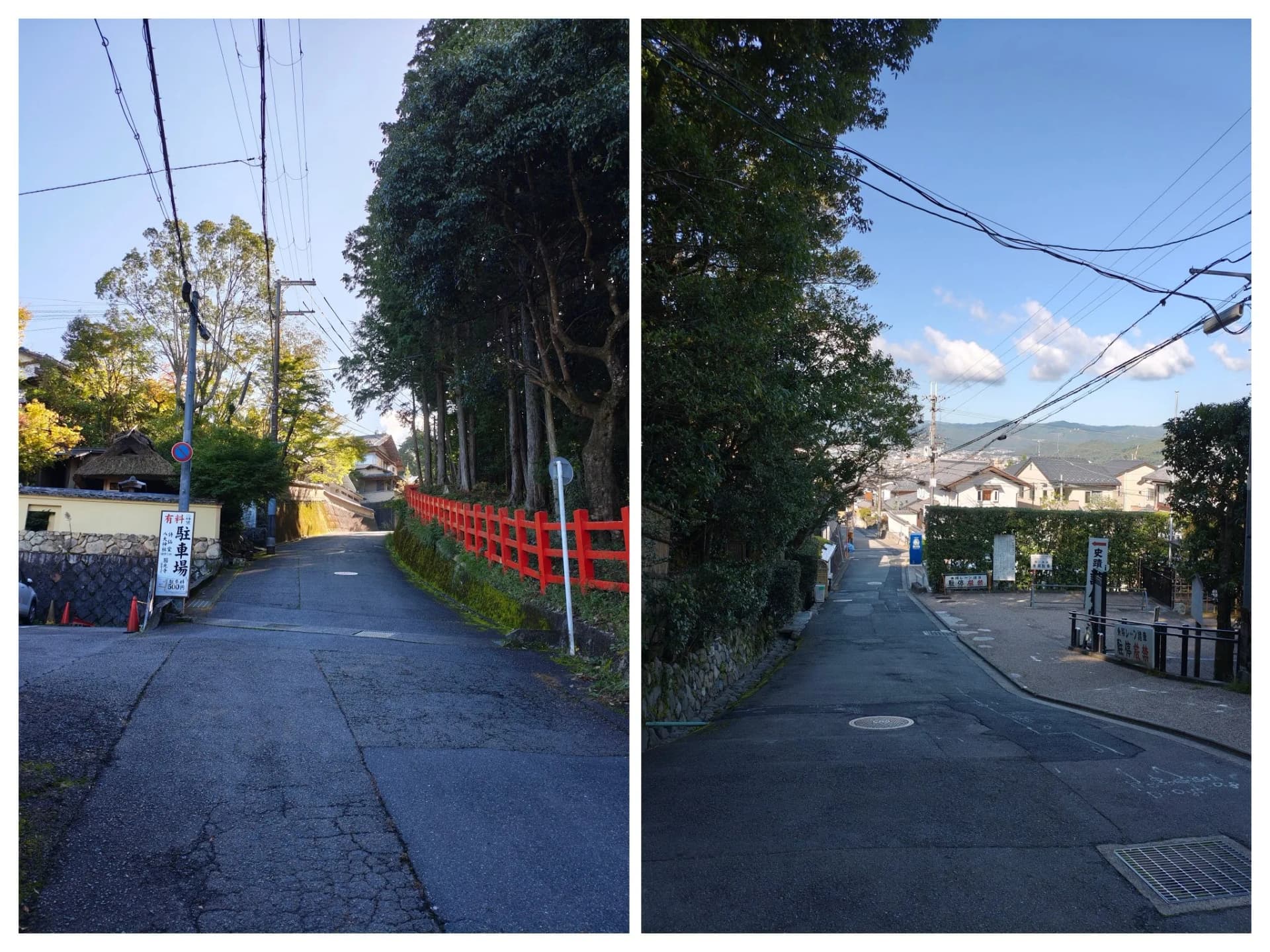
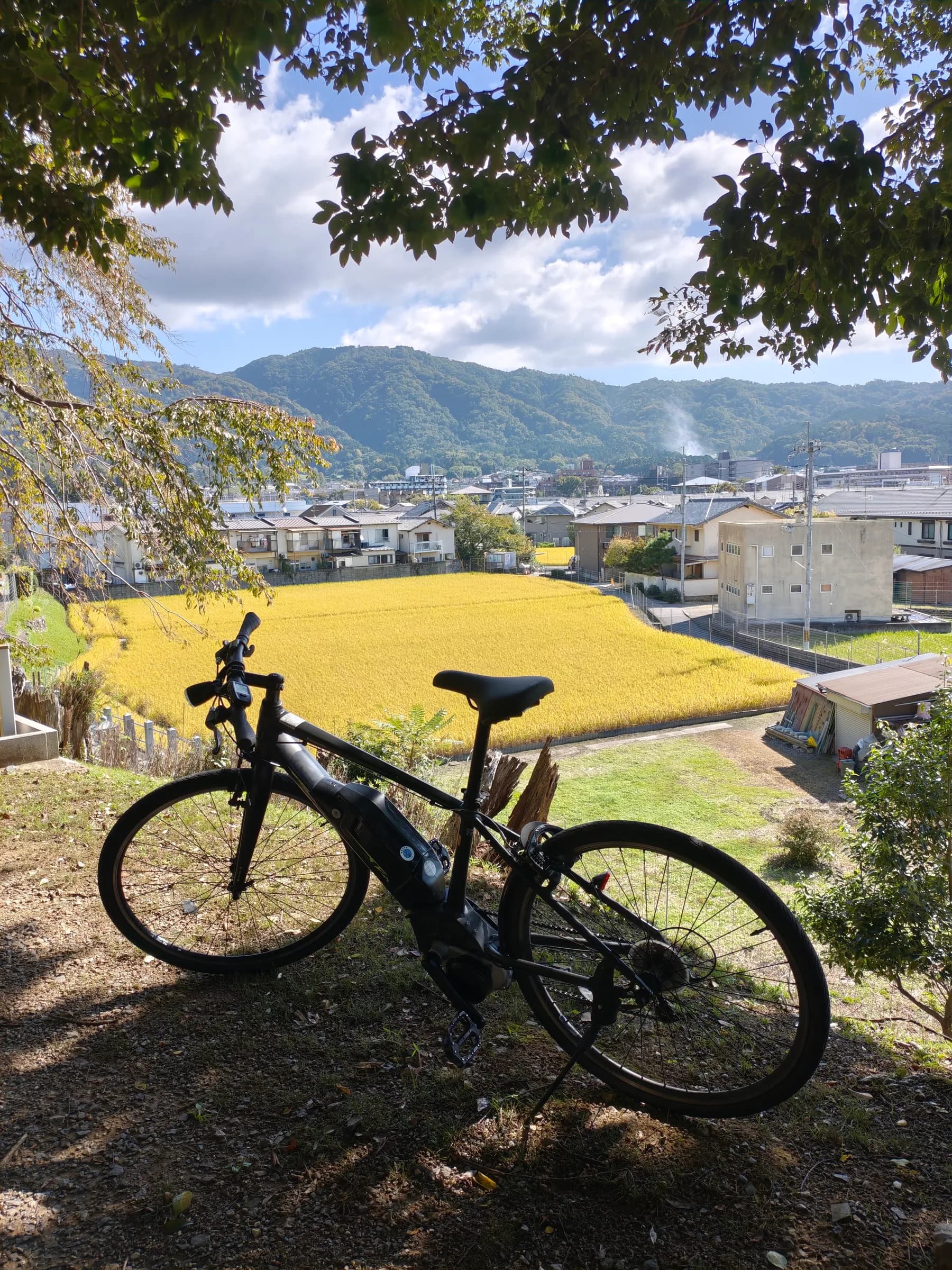
Heading north along the Kamo River, the gradient rises so gradually that you’ll barely notice the steady 1 to 2 percent incline. However, the terrain shifts significantly as you branch off toward the eastern and northern foothills: the approach to Hachidai Shrine in Ichijoji involves a short but steep climb, followed by rolling, elevated sections when cutting across to Myoen-ji Temple. Further north, riding up from Myoman-ji toward Entsu-ji Temple introduces another sustained uphill climb into the Iwakura basin. While a standard multi-gear city bike easily manages the riverfront, an e-bike is strongly recommended to tackle these hillside ramps effortlessly.
Where to park your bicycle
Parking a bicycle in northern Kyoto requires a bit of discipline: you must use designated spots outside temple grounds. Rolling into temple courtyards or chaining bikes to residential fences is strictly against local etiquette. Look for marked gravel parking zones or ask the staff at the entrance before getting off your bike.
Temple parking: Most temples, including Shisen-do and Entsu-ji, have small gravel parking areas near the entrance gate where bikes can park for free.
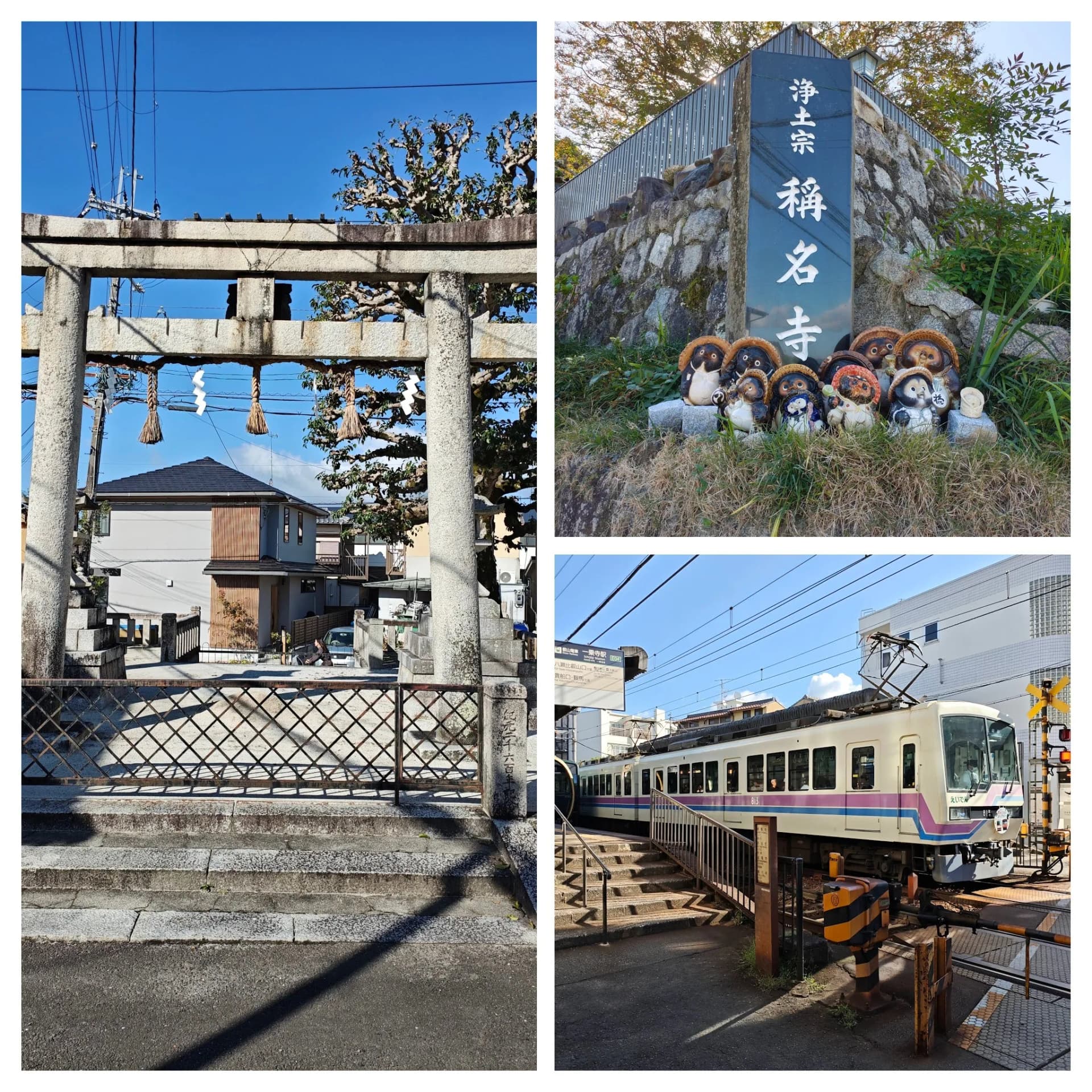
Train stations: Near subway stops like Kokusaikaikan, rely on municipal pay lots (usually around 150 yen per day).
Park grounds: Takaragaike Park permits cycling along designated outer perimeter paths, but bikes must be left in marked bays before heading into walking-only zones.
At the Sagari-matsu Crossroads: The Story of Musashi's Duel
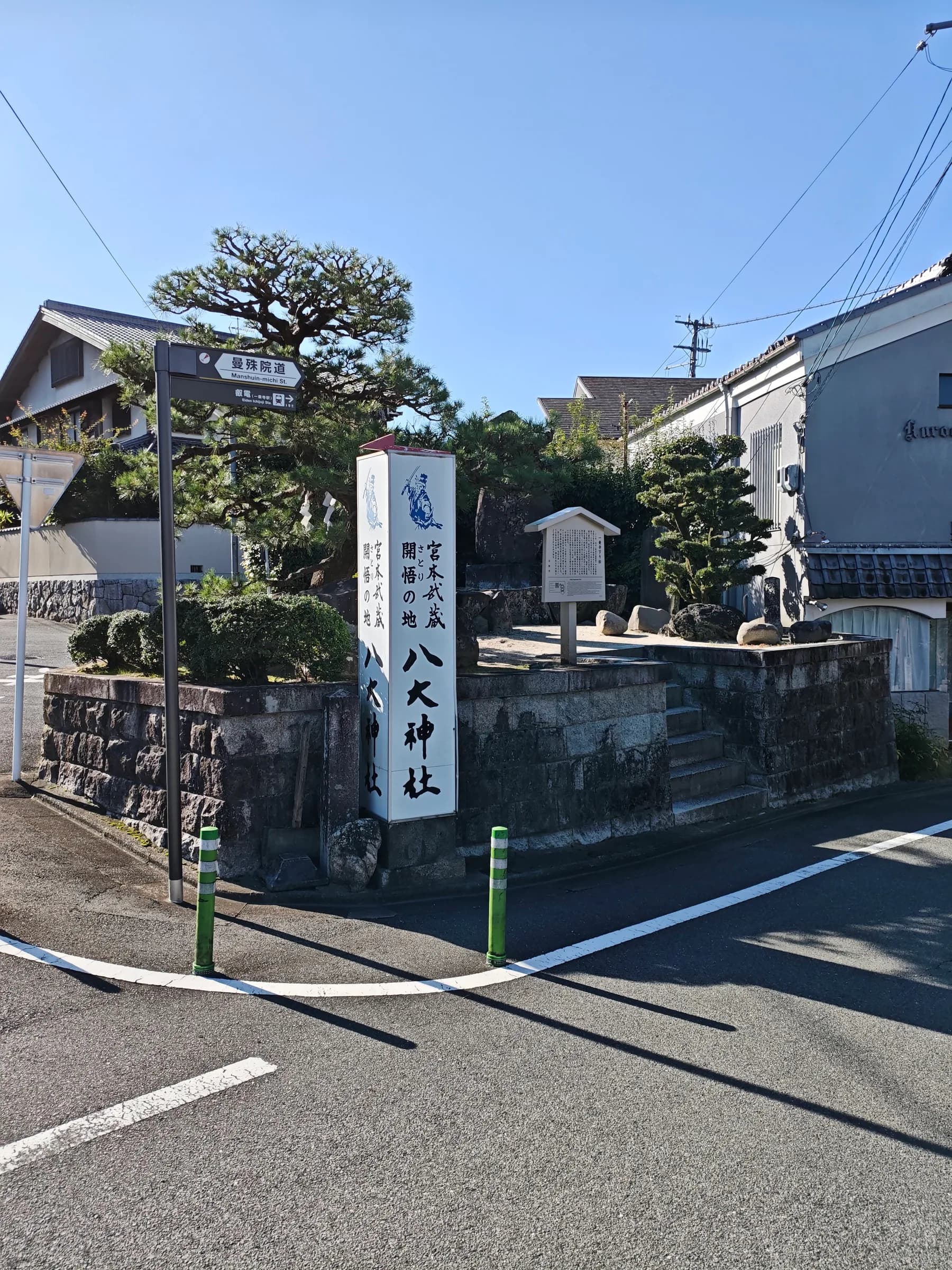
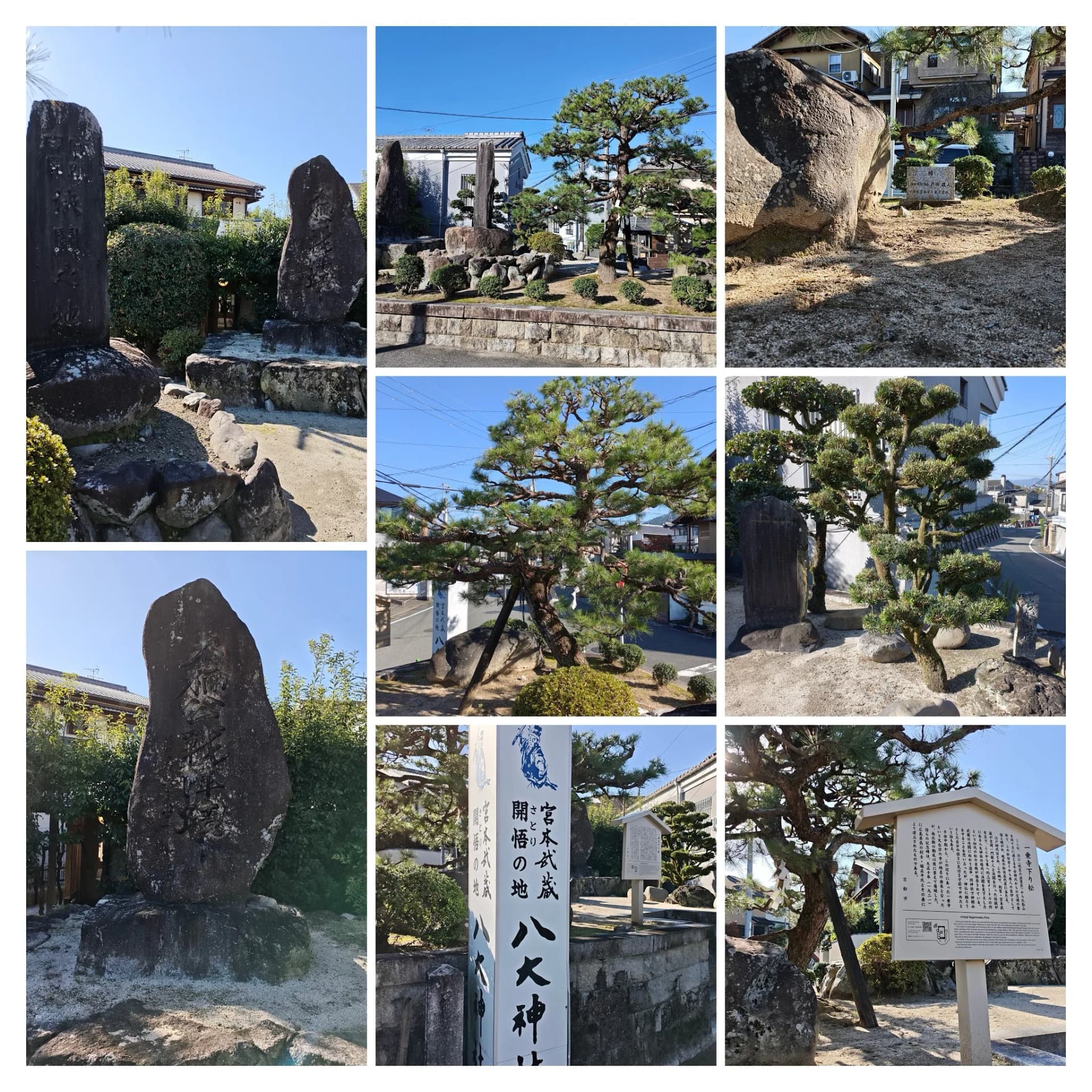
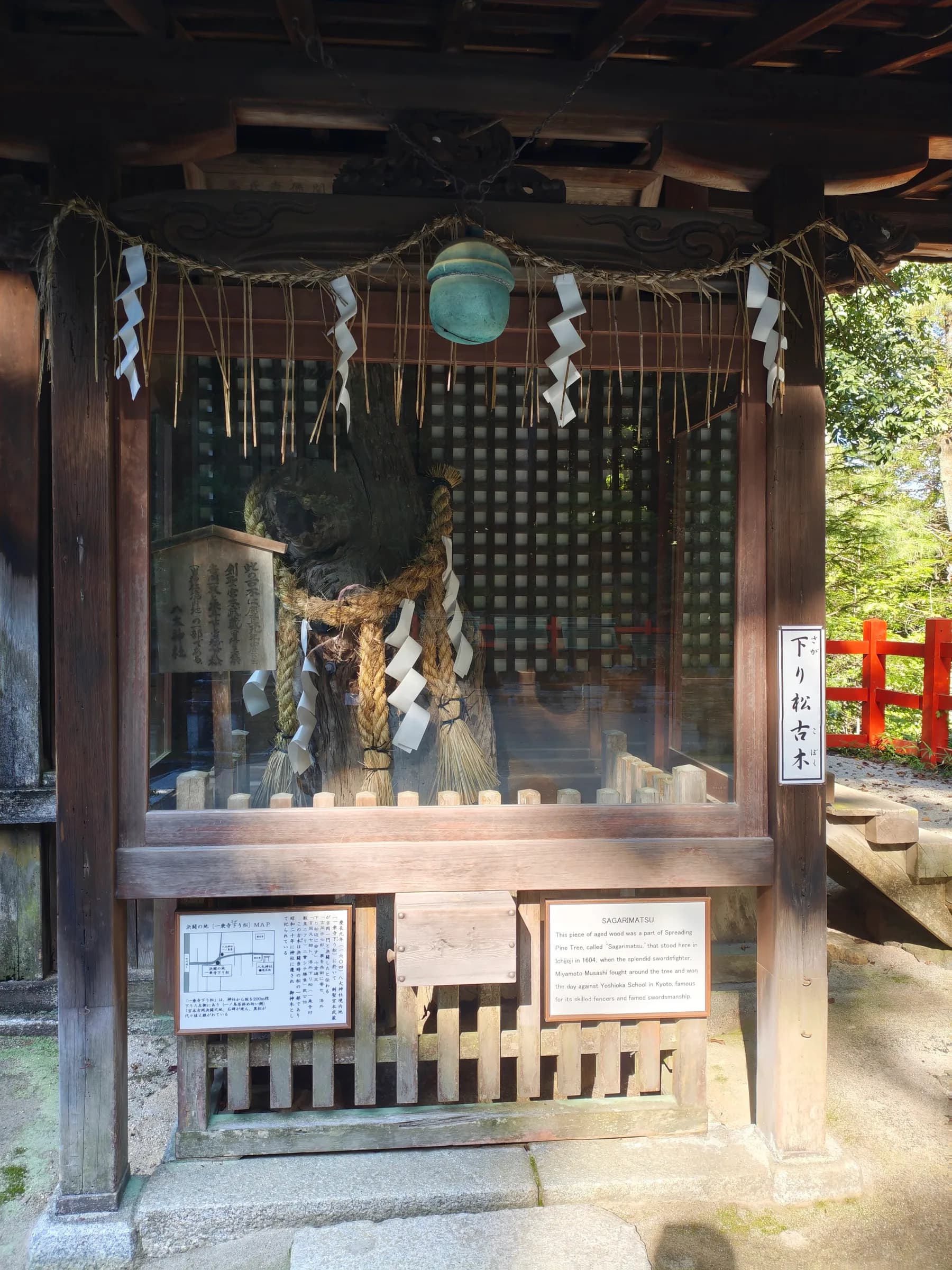
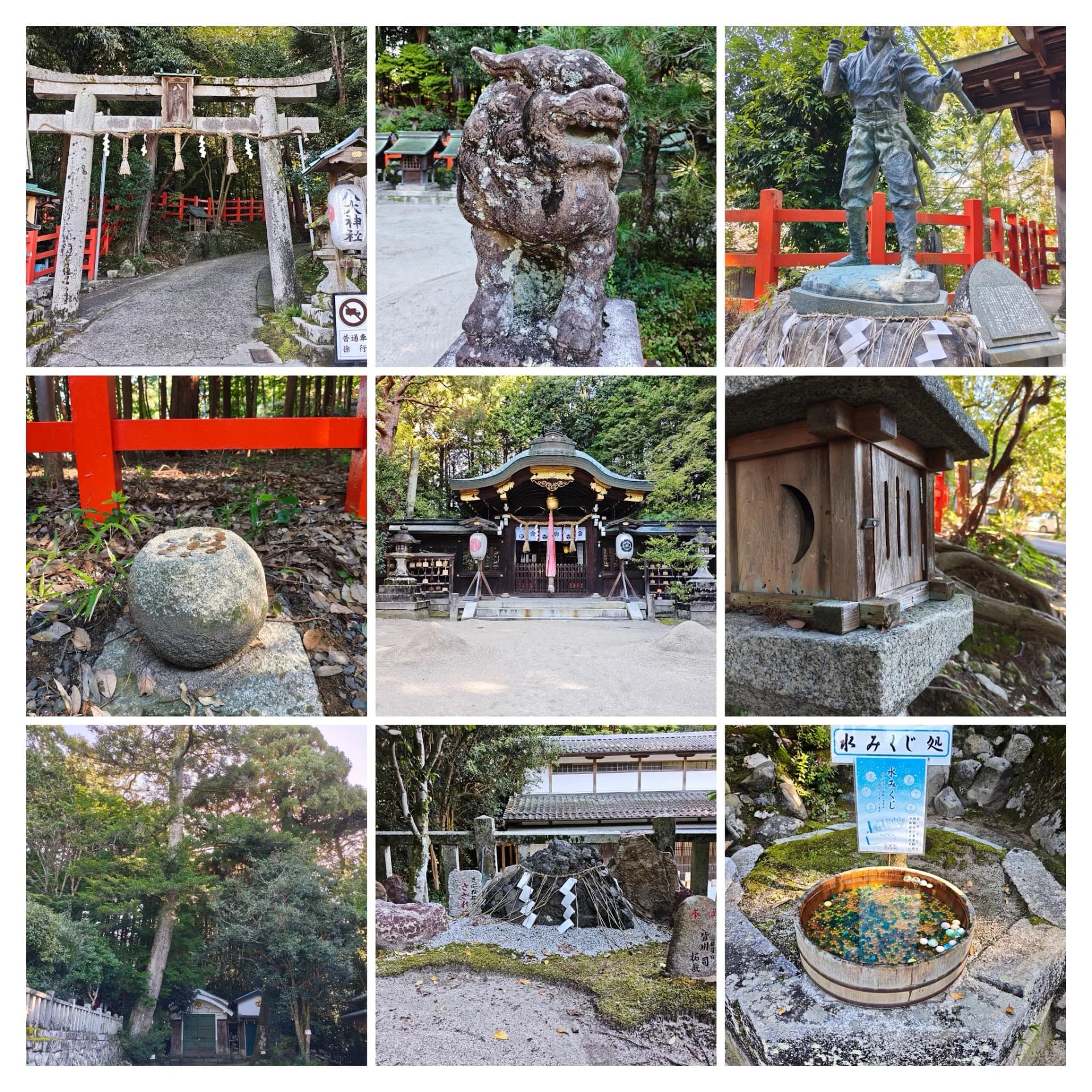
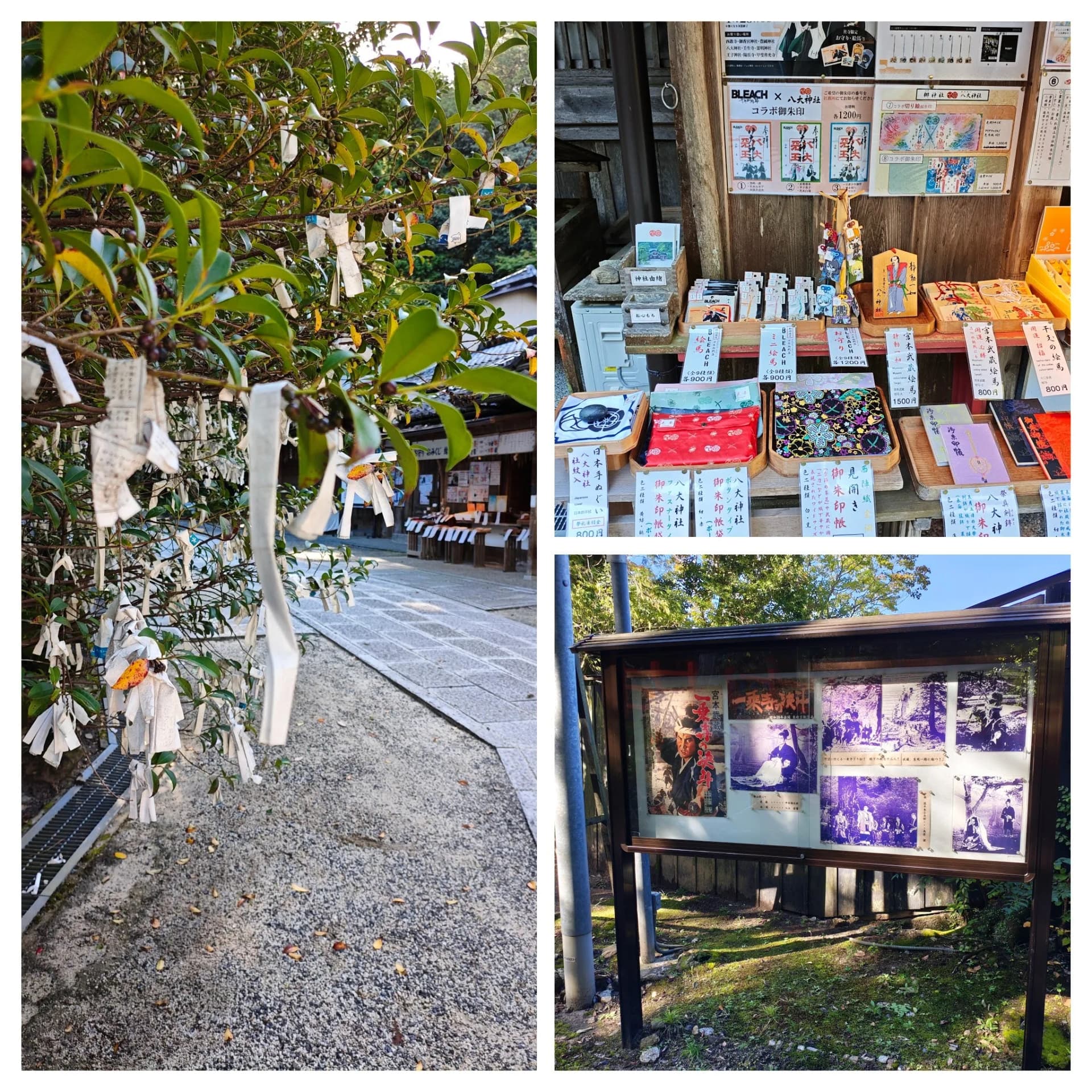
In 1604, the legendary swordsman Miyamoto Musashi fought dozens of opponents from the Yoshioka clan at the Ichijoji Sagari-matsu crossroads. Today, a fifth-generation pine stands at the intersection to mark the duel site, while a preserved piece of the original tree is kept nearby. A short 100-meter walk up the slope brings you to Hachidai Shrine, home to the authentic relics of the battle.
At the quiet Ichijoji crossroads, the current Sagari-matsu pine stands protected behind a stone railing. Musashi arrived early that morning to ambush his rivals before making a quick retreat into the hills. Walking uphill past the gate of Hachidai Shrine, you'll find the historic trunk of the original pine displayed beneath a wooden roof alongside a bronze statue of the swordsman.
Legend has it that Musashi stopped at this shrine right before the fight, stood before the offering box, and chose not to pray—reasoning that a true warrior must rely on his own training rather than asking the gods for good fortune.
Enko-ji: Zen Serenity, Bamboo Grove, and the Tokugawa Shrine
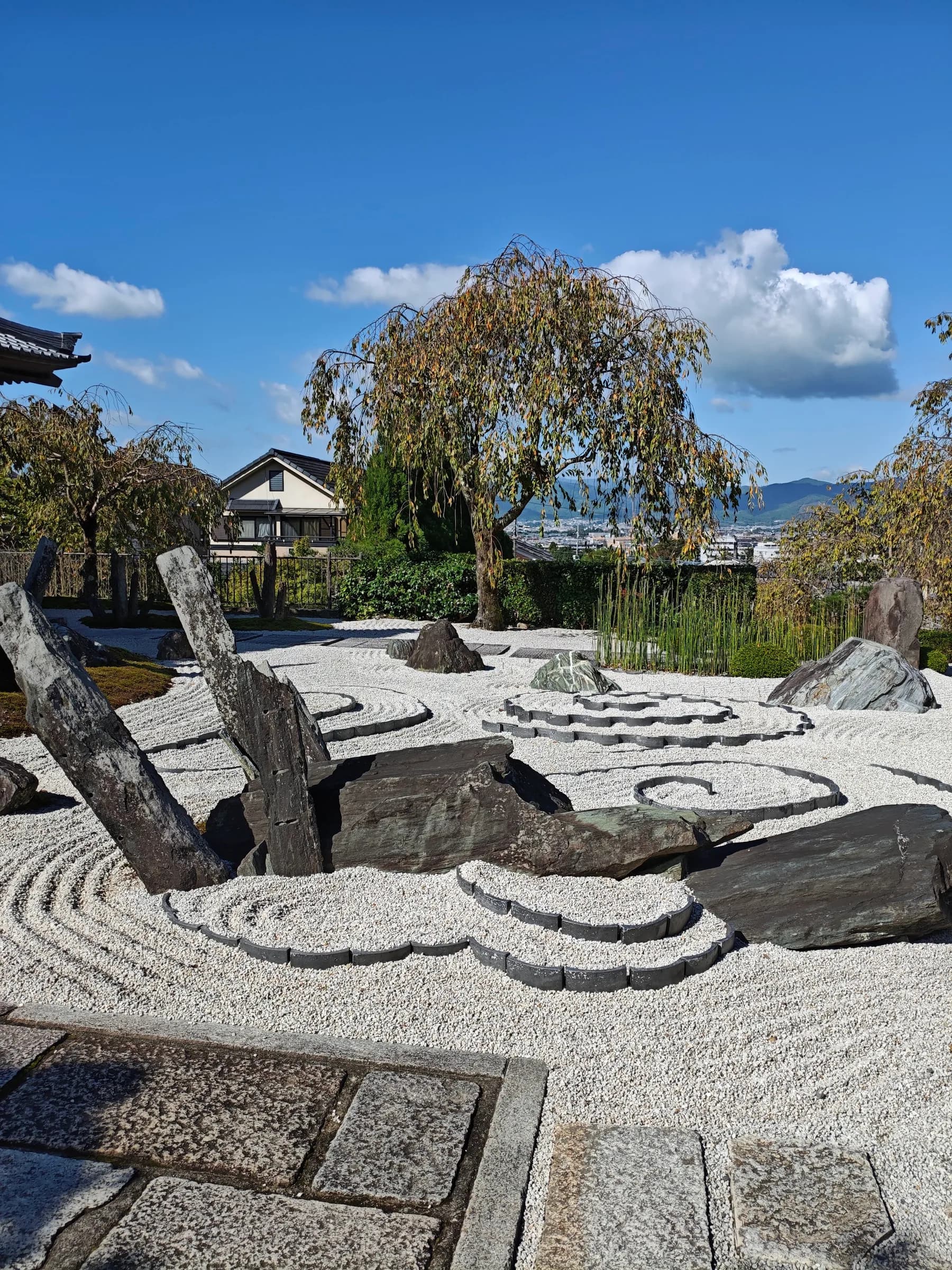
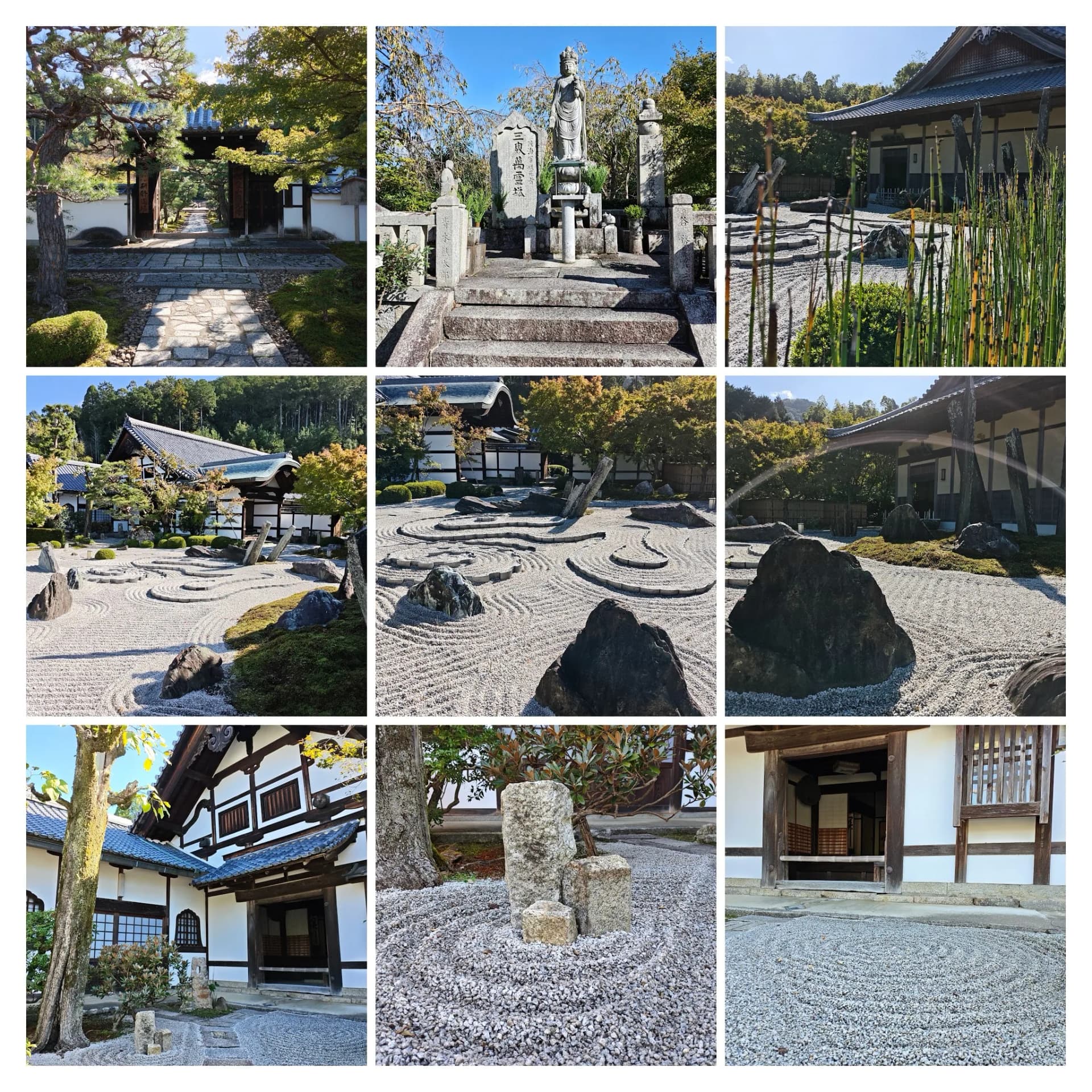
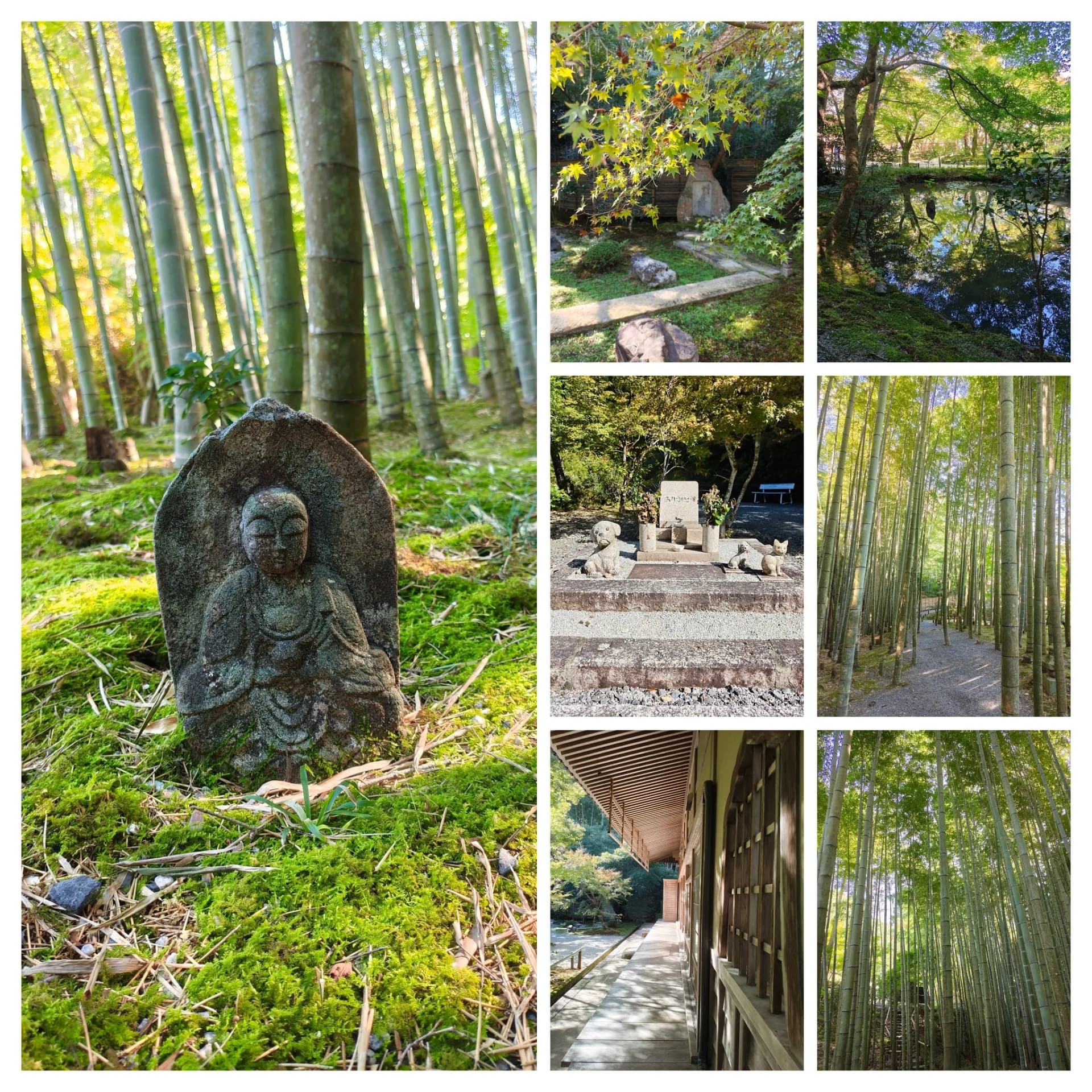
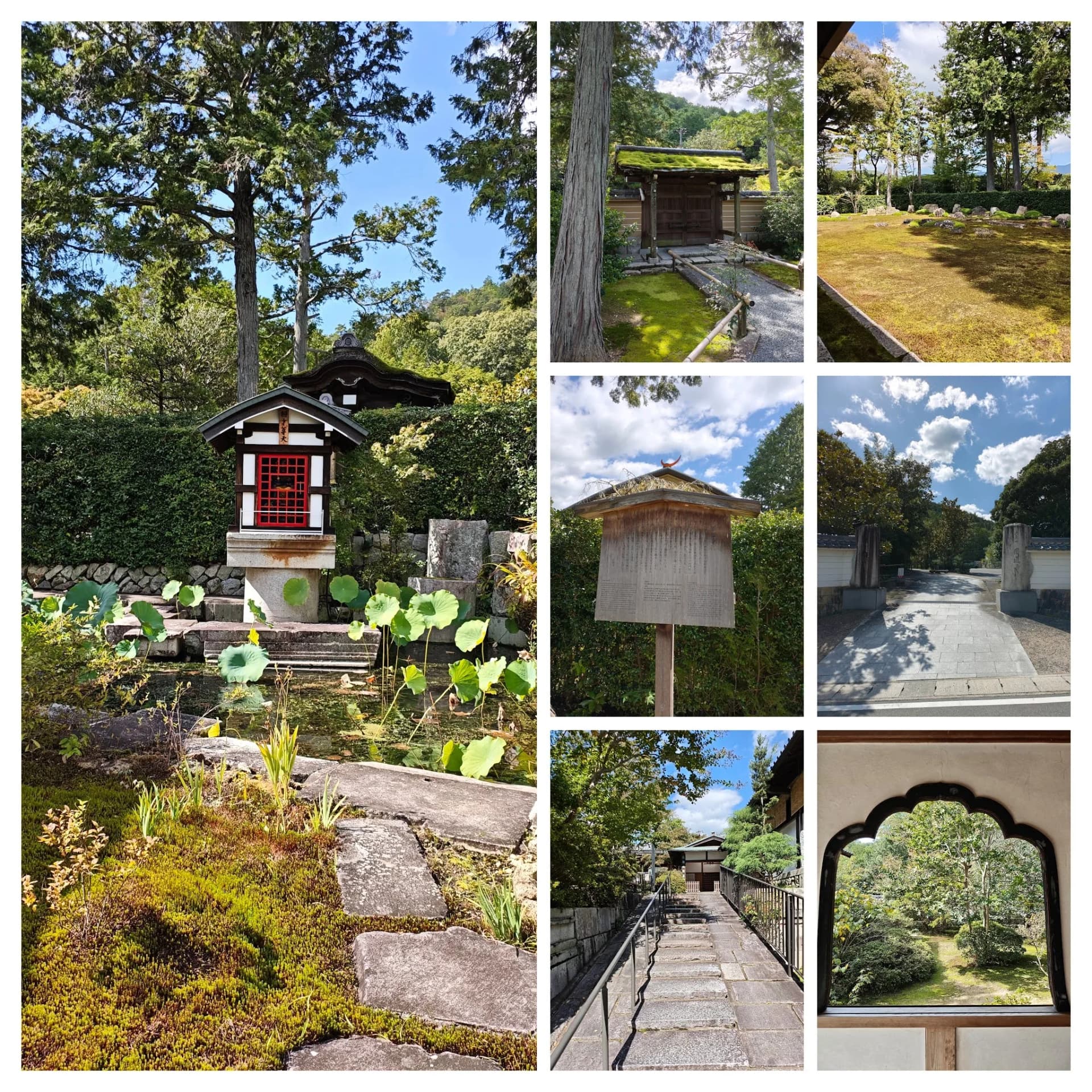
Just a short two-minute pedaling distance from Hachidai Shrine sits Enko-ji, a Zen temple founded in 1601 by the first shogun, Tokugawa Ieyasu, who established it as a seminary and center of learning open to both monks and scholars. The temple features two distinct gardens: near the entrance, Honryu-tei is a dry landscape (karesansui) Zen garden where dynamic stone arrangements rise out of swirling white gravel, symbolizing a dragon flying through a sea of clouds.
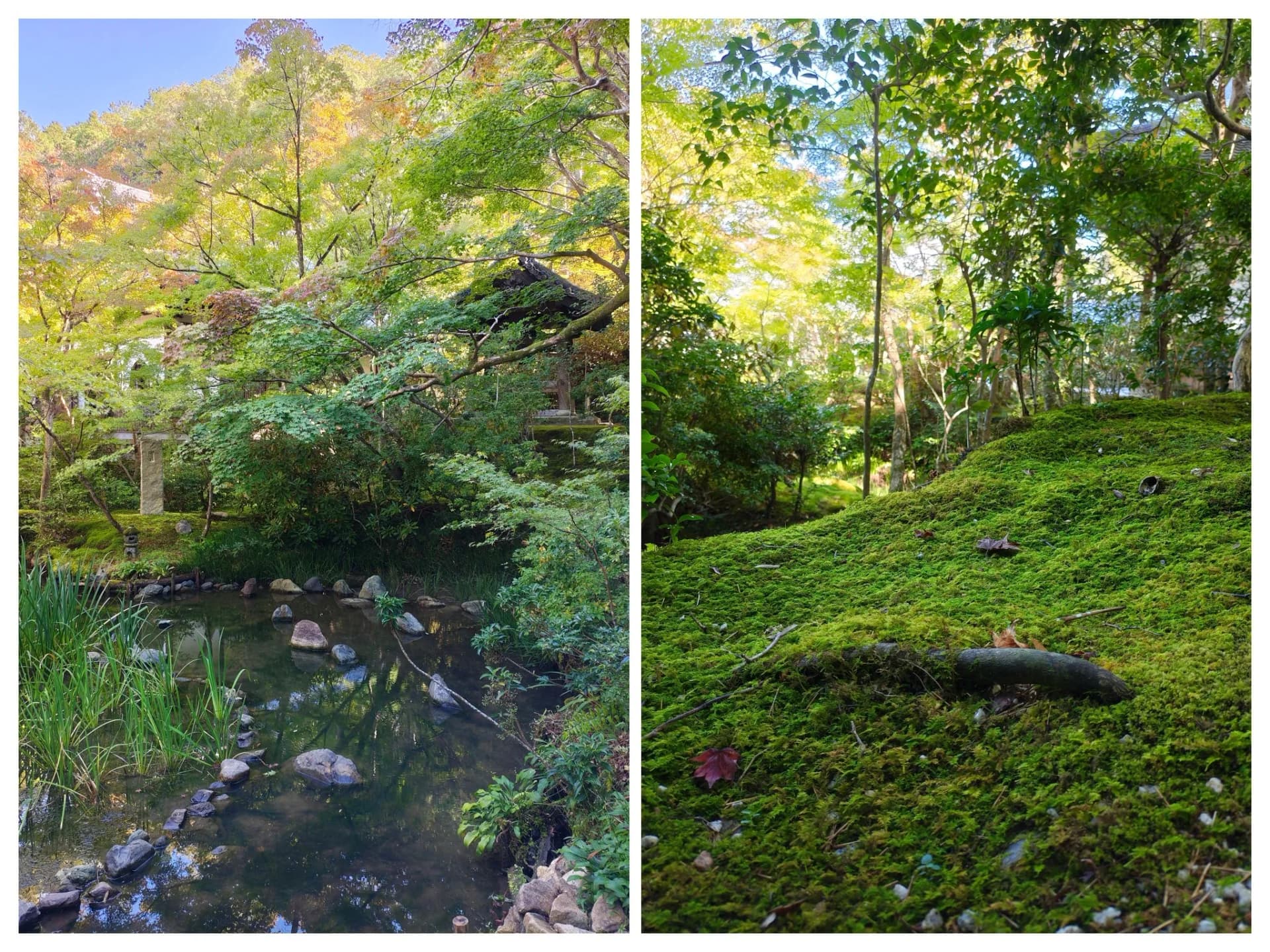
Deeper within lies Jugyu-no-niwa ("Ten Oxen Garden"), a serene strolling pond garden framed by vibrant maples and a light-dappled bamboo grove.
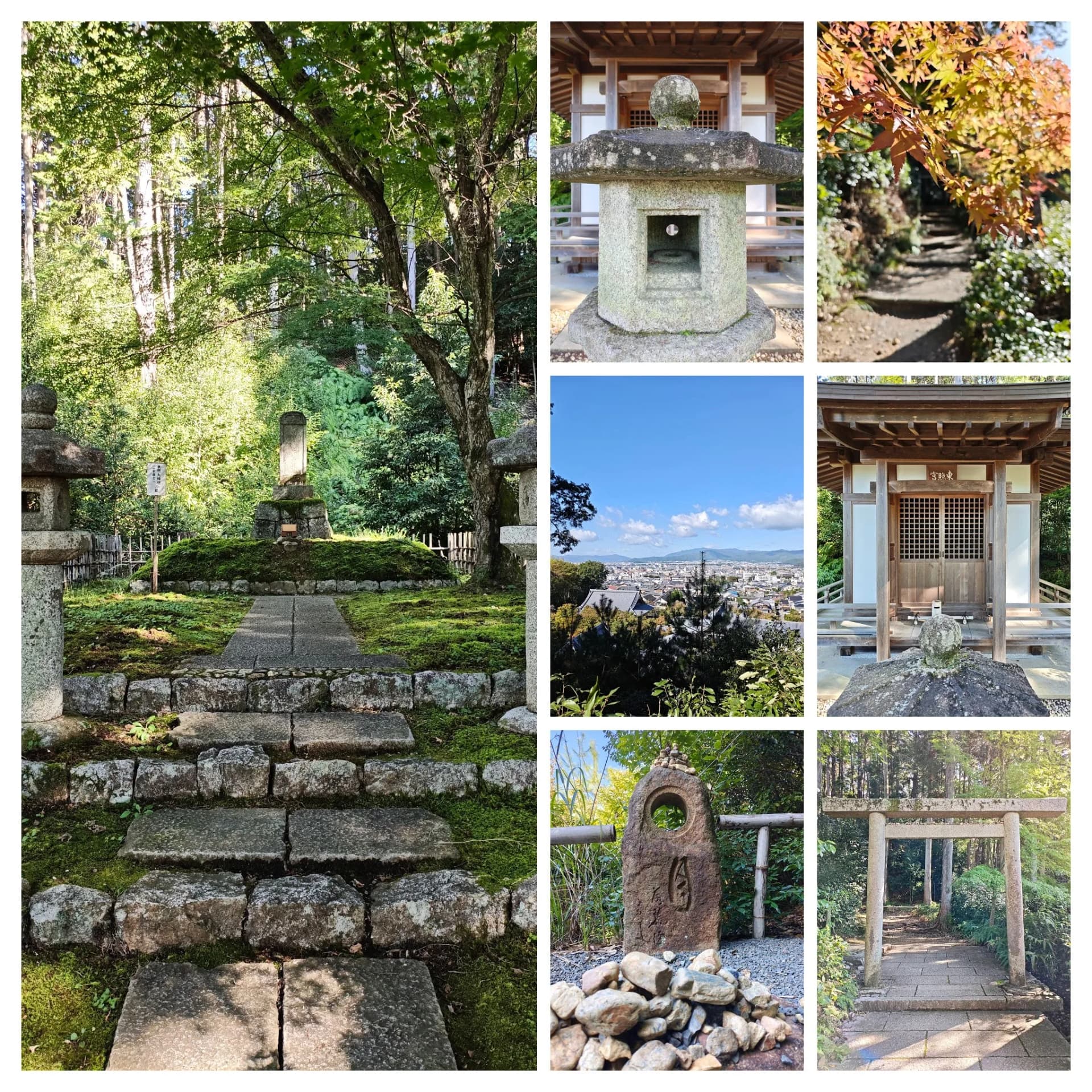
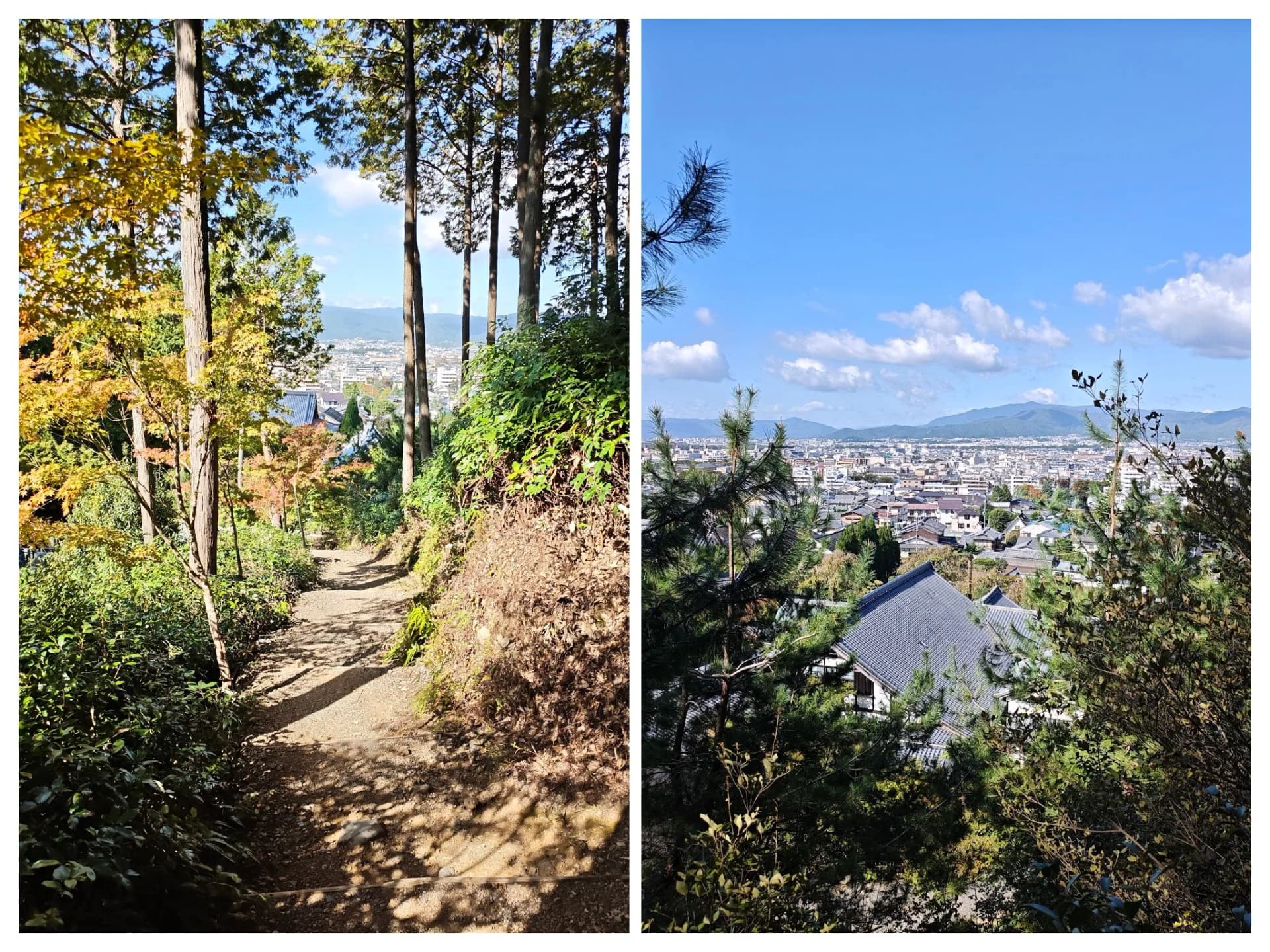
Before continuing north, follow the stone pathway winding up the wooded slope behind the trees: at the top stands a quiet Tosho-gu shrine housing a tooth relic of Tokugawa Ieyasu, offering a sweeping panoramic view over northern Kyoto.
Pedaling North Through Myoen-ji to the Deer of Takaragaike
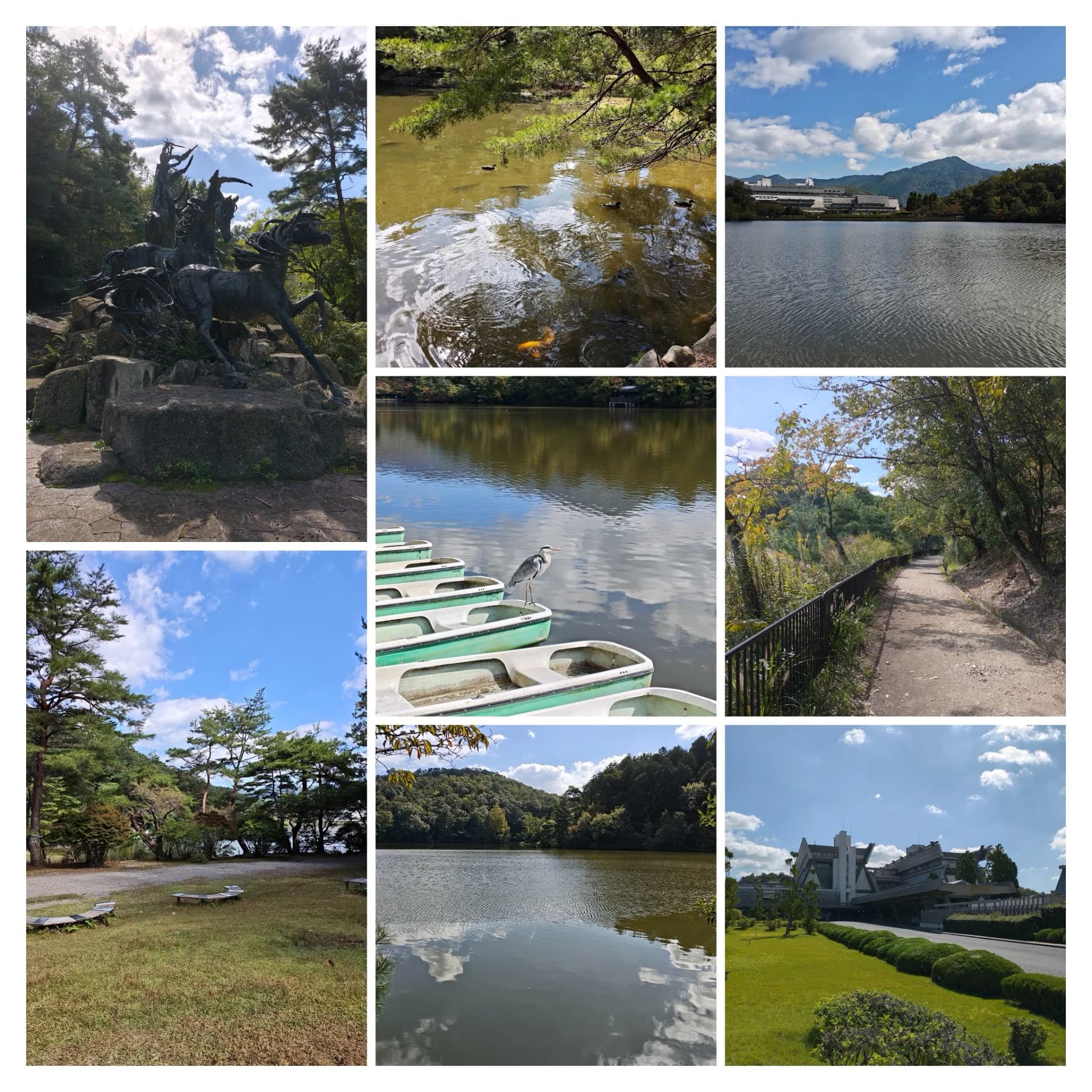
Continuing north along the foothills brings you past Myoen-ji Temple toward the large reservoir at Takaragaike Park. This quiet stretch winds through the residential streets of Matsugasaki, directly beneath the mountainside used for the annual Gozan no Okuribi bonfires. Takaragaike Park features a paved loop trail where forest wildlife and waterbirds mingle away from traffic.
Matsugasaki Daikokuten at the Mountain Base
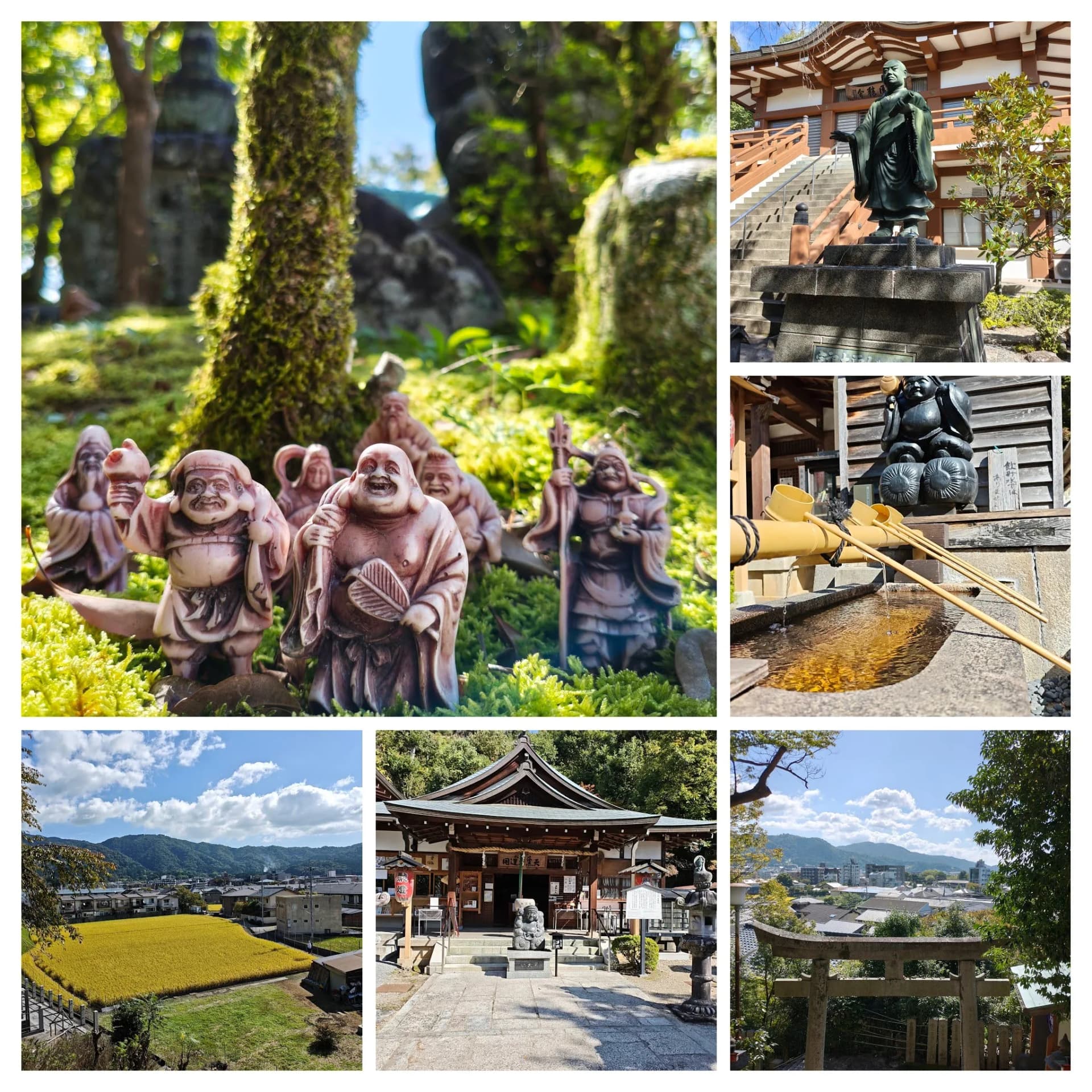
Myoen-ji, commonly known as Matsugasaki Daikokuten, sits right under the giant Ho character carved into the hillside for the summer bonfires. The temple honors Daikokuten, one of Kyoto’s seven lucky deities associated with household fortune and agriculture. Its quiet stone stairways and wooden halls offer a peaceful spot to rest before heading further north.
Spotting Wild Deer Around the Pond
Originally built in the 18th century as an irrigation reservoir, Takaragaike features a 1.5-kilometer loop trail circling the water. The surrounding woods are home to wild Sika deer that frequently step out to graze along the banks in the early morning and late afternoon—a great spot to watch ducks, herons, and deer in a natural setting.
During my visit, I didn’t see any deer. Local residents explained that the city is currently controlling the deer population due to vehicle collisions, overgrazing, and damage to crops. If you want a better chance of spotting them near the pond or even around the park’s parking area, come early in the morning—rainy weather helps.
Valley Spirits: Sacred Pigeons and Ancient Boulders of Northern Kyoto
Northern Kyoto has preserved unique animist traditions and folk shrines that feel distinctly different from the grand imperial temples in the city center. Miyake Hachiman-gu honors pigeons as divine messengers, while Yamazumi Shrine in Iwakura centers on ancient boulder worship without a traditional main hall. Both sites offer a rare look into the localized spiritual roots preserved in these northern valleys.
The Guardian Pigeons of Miyake Hachiman-gu
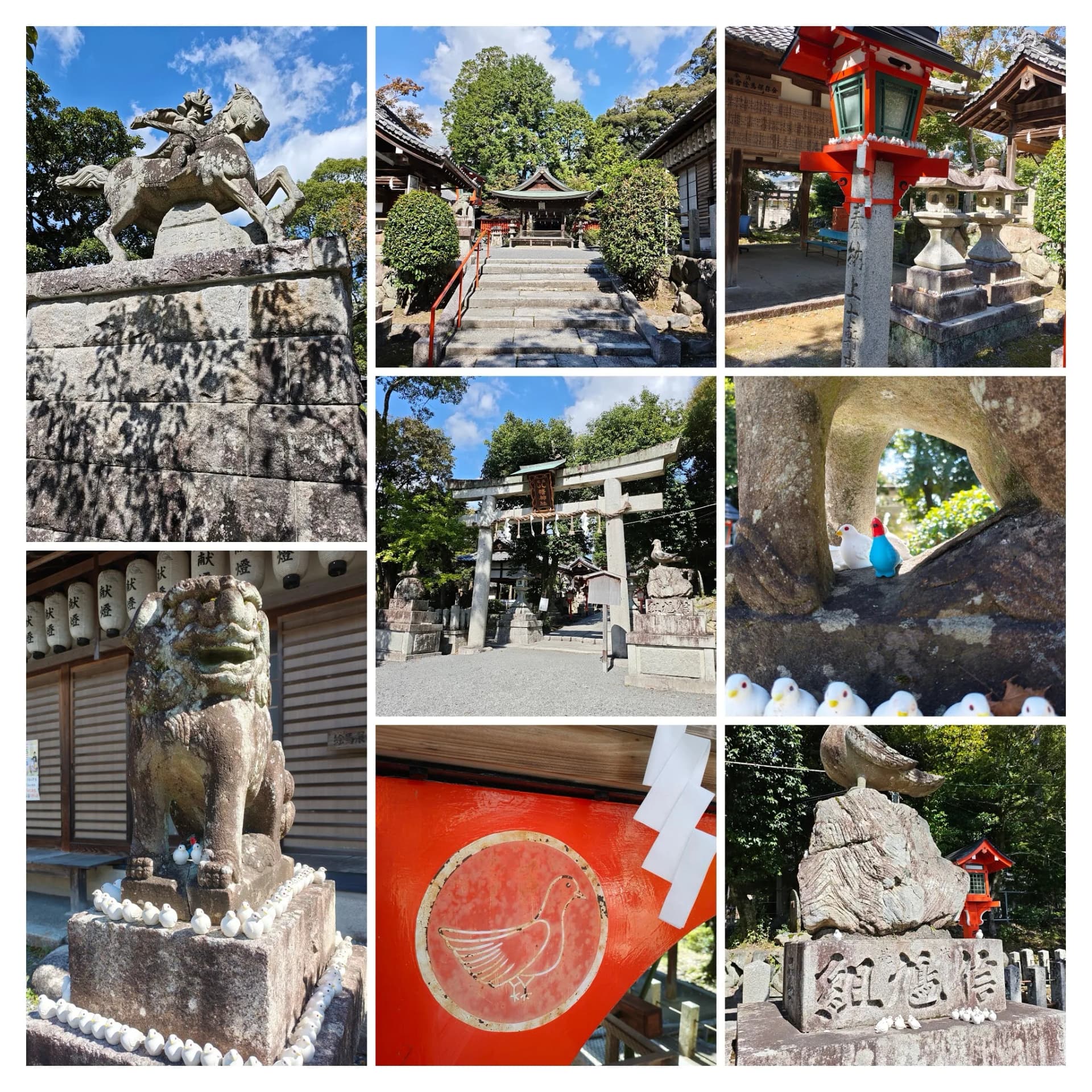
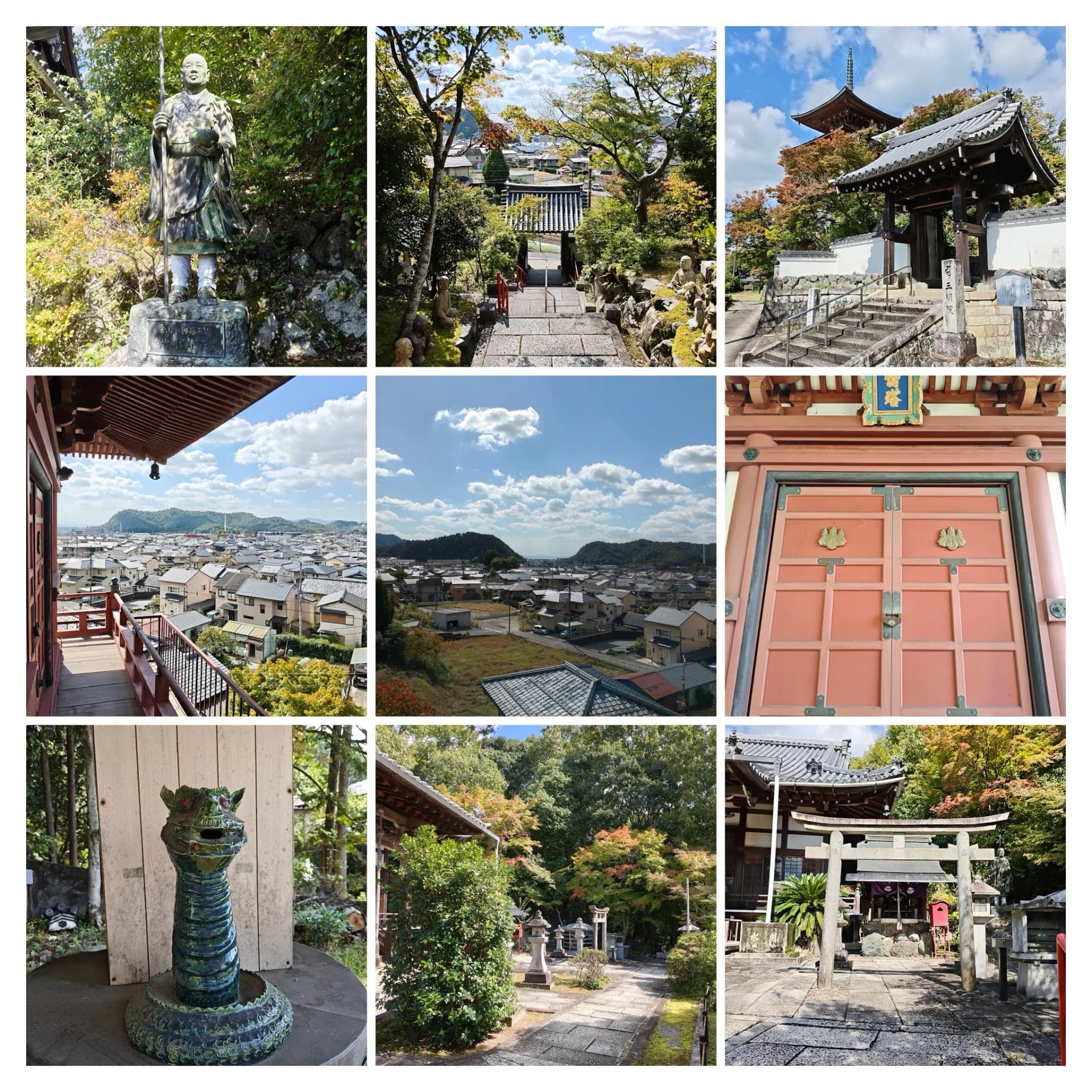
At Miyake Hachiman-gu, pairs of stone pigeons replace the traditional komainu lion-dogs that typically guard shrine entrances. Pigeons are revered here as holy messengers of the god Hachiman, and local parents come to pray for their children’s health and well-behaved nature. The grounds are filled with pigeon-themed roof tiles, stone lanterns, and small clay dove whistles sold as protective charms.
The enclosure also features a bronze statue of the famous 14th-century samurai Kusunoki Masashige on horseback; although this piece was originally donated by a local elementary school after World War II, it fits seamlessly into the shrine's atmosphere, deeply shaped by the legacy of imperial loyalists like Miyake Takanori, the devoted follower who linked his name to this site.
A Quiet Pause at Sanmyo-in
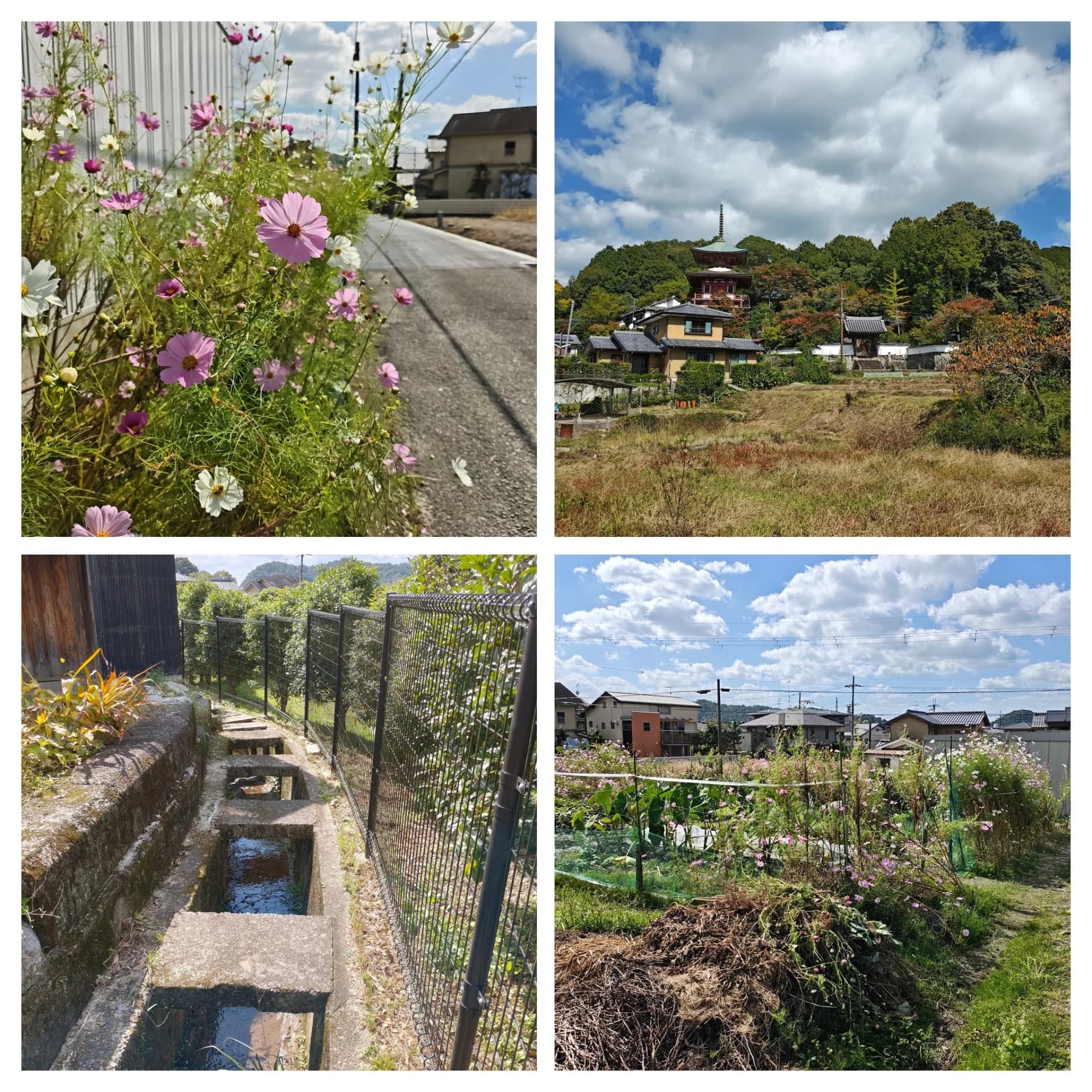
Located right along the eastern edge of Miyake Hachiman-gu, Sanmyo-in is a small Shingon Buddhist temple. Its courtyard features a two-tiered Tahoto pagoda with a clear view of the surrounding mountain backdrop. It makes for a quick, uncrowded stop before heading toward Iwakura.
There is a direct shortcut after leaving Miyake Hachiman-gu: simply follow the small stone footbridge spanning the stream on the shrine's eastern border, right alongside the neighboring vegetable patches.
Primal Rock Worship at Yamazumi Shrine
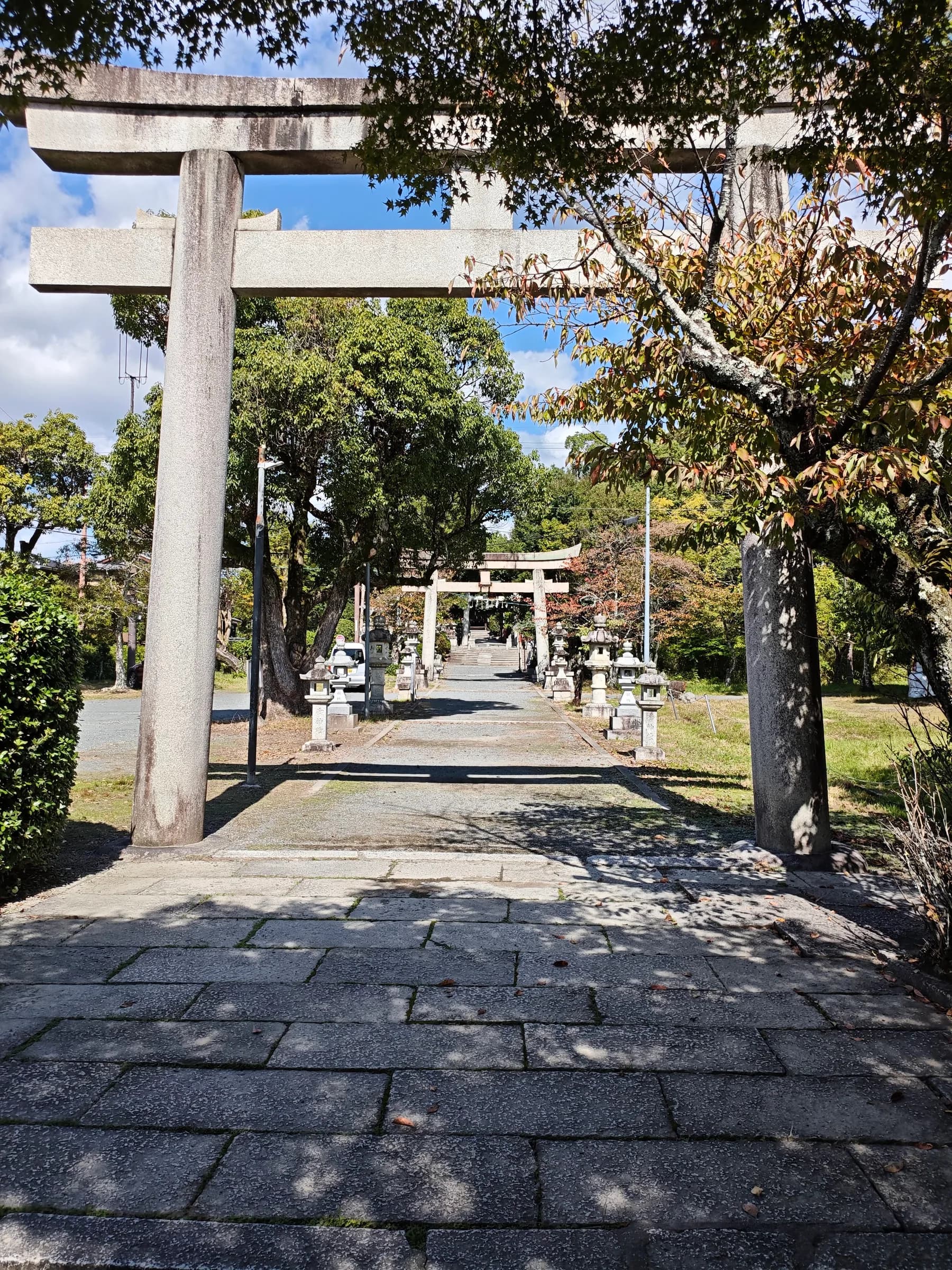
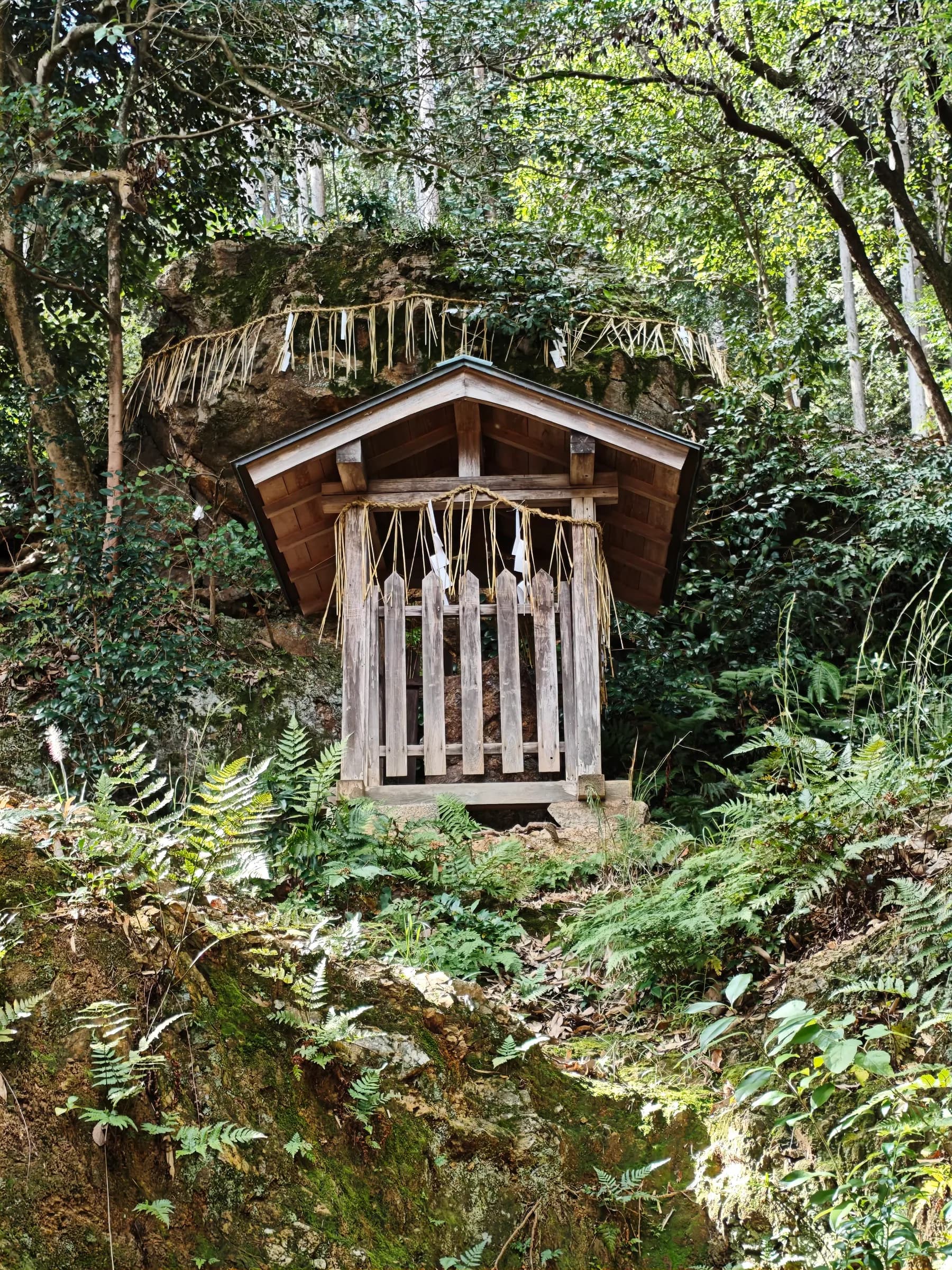
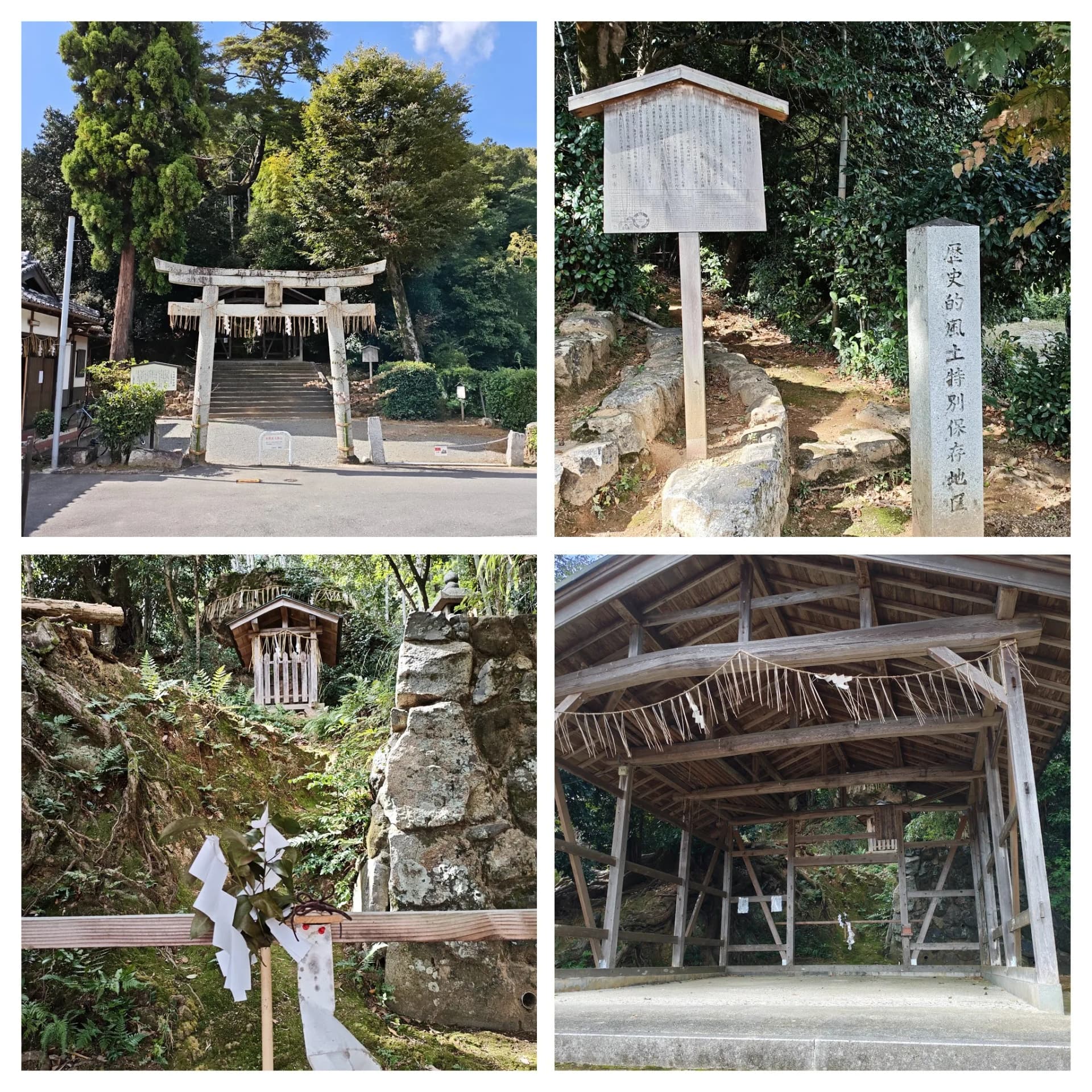
Tucked into the backstreets of Iwakura, Yamazumi Shrine represents Shinto in its oldest form: centered around a massive sacred rock. Rather than praying toward an ornate wooden building, visitors pay respects directly to this natural boulder where mountain spirits are believed to descend. Free of ticket booths or souvenir stalls, it’s a rare, untouched glimpse of early nature worship.
Finishing at Myoman-ji and the Framed View of Mount Hiei at Entsu-ji
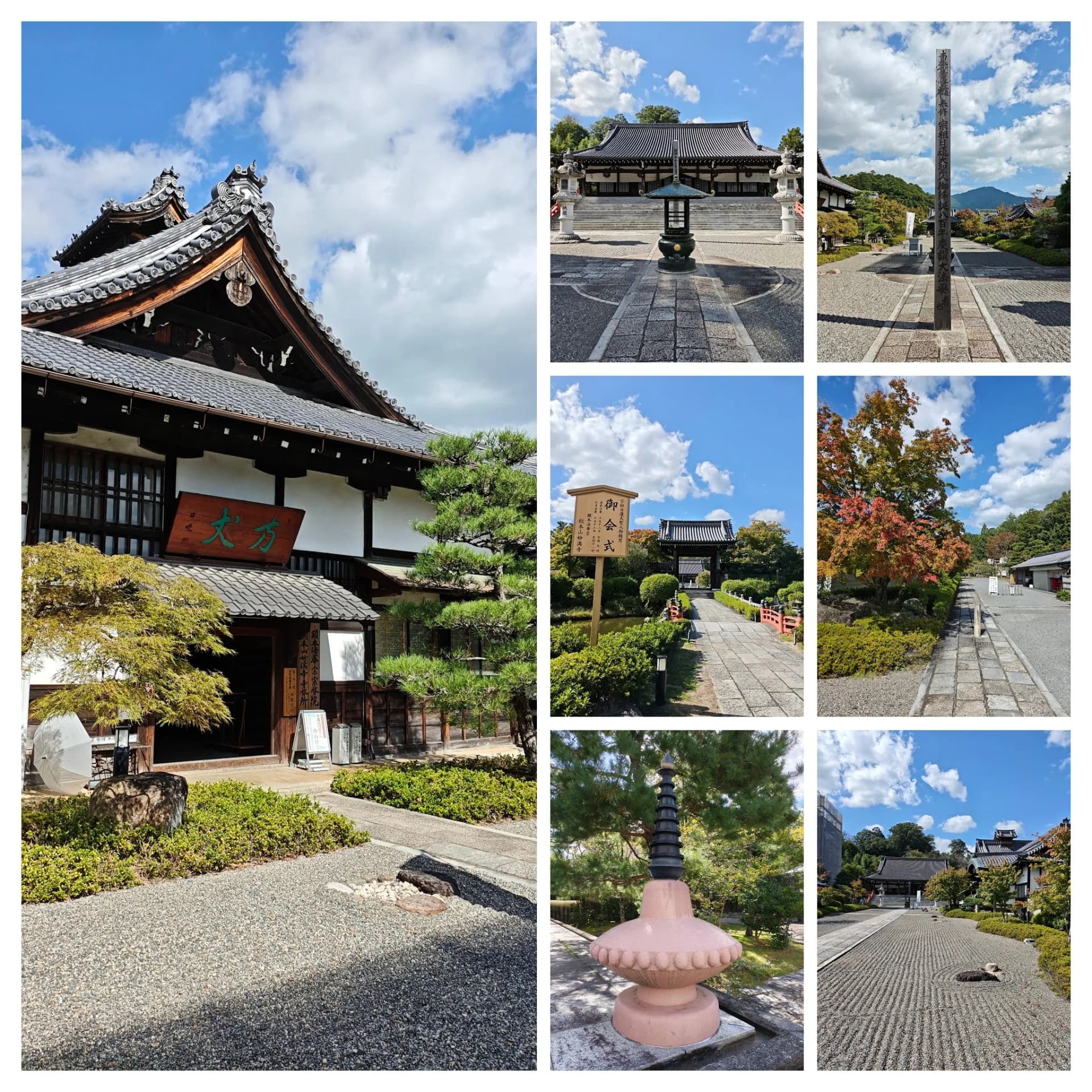
The final leg of the northern loop turns back southwest toward Myoman-ji and Entsu-ji before reconnecting with the Kamo River bike path back to town. Myoman-ji features an unusual white stupa modeled after Indian architecture, while Entsu-ji holds one of Japan's finest examples of "borrowed scenery" (shakkei). Both temples maintain a tranquil atmosphere where quiet visitor etiquette is expected.
Myoman-ji stands out for its calm courtyards and a four-sided white stupa modeled on the Mahabodhi Temple in Bodh Gaya.
The stupa’s exterior and upper terrace undergo periodic conservation work. Even if scaffolding is present during your visit, the lower grounds, the main hall, and the Snow Garden remain accessible.
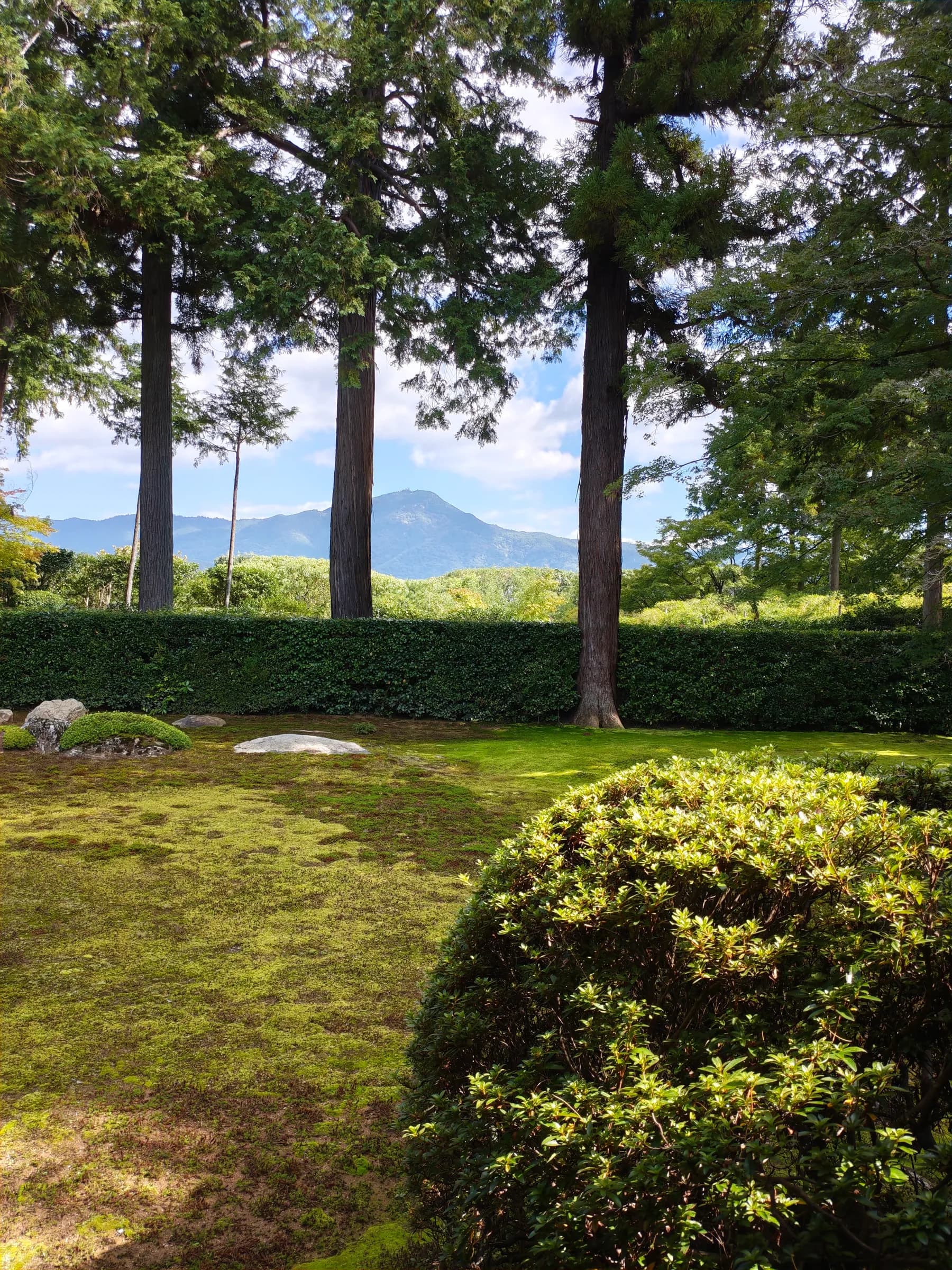
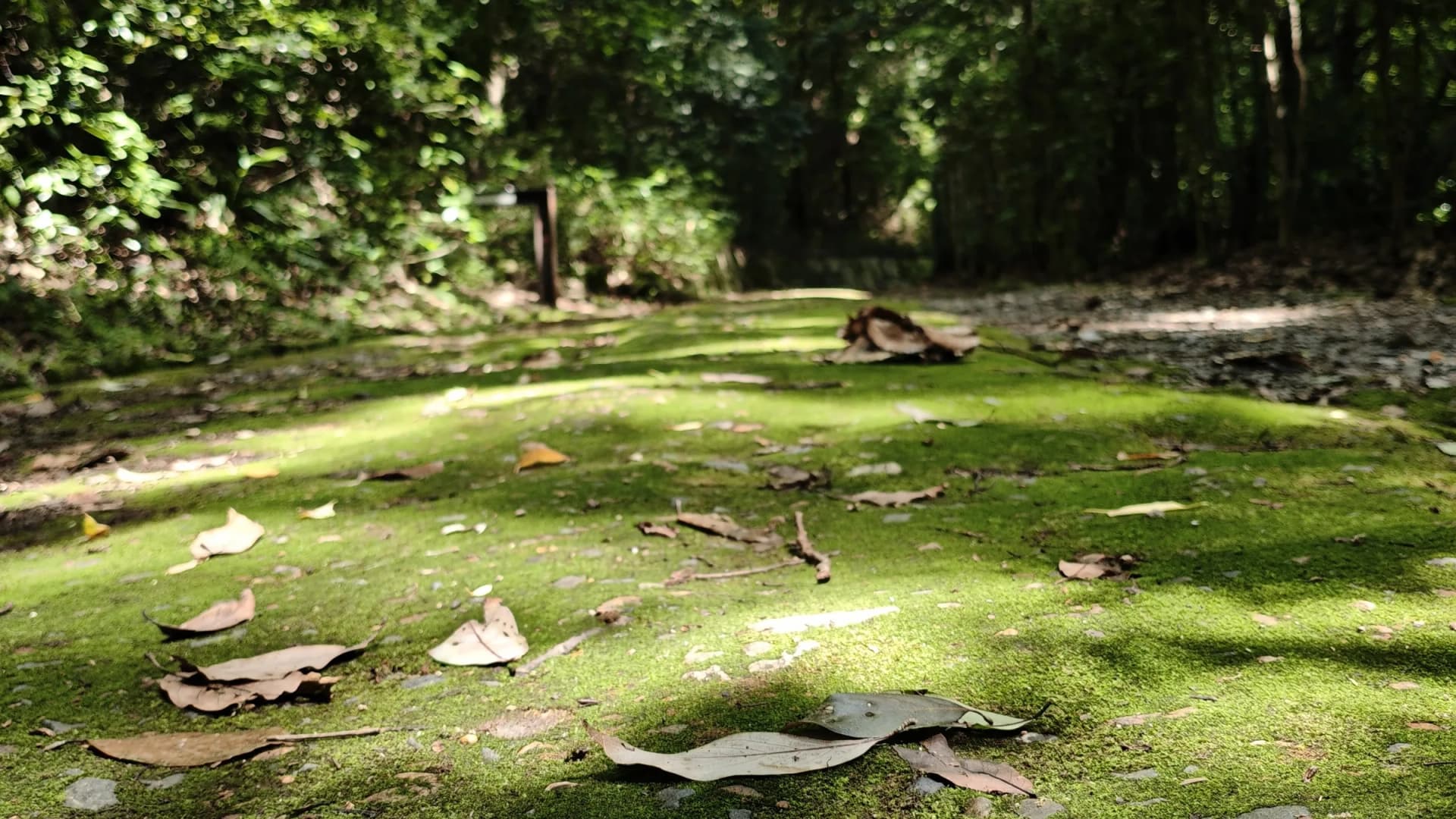
A five-minute ride from there brings you to Entsu-ji, originally built as an imperial villa for Emperor Go-Mizunoo. Its dry moss garden uses low-trimmed hedges and tall cypress trunks to frame the distant silhouette of Mount Hiei as an active part of the garden design. Tripods and loud conversations are strictly forbidden, preserving a deep silence where the mountain backdrop takes center stage.
About the author
Terence
Tour guide in Japan
As an English-speaking guide living in Japan, I lead travelers across Honshu, crafting tailor-made itineraries adapted to everyone's pace and preferences. I love revealing Japan in all its diversity: the energy of its futuristic megacities, the serenity of its ancient temples, the charm of its coastal villages, and the grandeur of its volcanic mountains and lakes.
Yes. The ride follows the paved river trails north from Demachiyanagi before using quiet residential roads through Ichijoji and Iwakura. The round trip covers approximately 25 kilometers with a gentle rise of about 90 meters. A multi-gear bike or e-bike makes the gradual climb easy.
Miyamoto Musashi fought the Yoshioka school at the Ichijoji Sagari-matsu pine in 1604. The current roadside pine is a fifth-generation replanting, but the preserved trunk of the original tree from the duel is displayed inside Hachidai Shrine just uphill.
Miyake Hachiman-gu honors pigeons as divine messengers of the deity Hachiman. Parents visit the shrine to pray for relief from childhood colic and tantrums, buying clay pigeon whistles and observing stone pigeons that stand in place of typical guardian lions.
Entsu-ji is celebrated for its borrowed scenery, known in Japanese as shakkei. Designed under Emperor Go-Mizunoo, the dry moss garden uses clipped hedges and rows of cedar trees to frame a direct view of Mount Hiei across the valley.
Most northern temples like Myoman-ji and Miyake Hachimangu have open gravel parking areas outside their main gates. Always look for bicycle racks or designated zones, and never ride past the entrance gate into temple precincts.
Skip the logistics. Enjoy the ride.
Leave the navigation and local stories to us. Let our guides show you Japan at your own pace.