What are 3 quiet, off-the-beaten-path excursions in Kyoto?
Three quiet, off the beaten path Kyoto excursions that let you escape city crowds are the Emperor Meiji Mausoleum in Fushimi, Narabigaoka Hills near Ninnaji Temple, and the Emperor Saga Mausoleum on Mount Saga. Each destination features free entry and clear elevated viewpoints across the valley.
Here is a quick overview of these 3 excursions that you can take in Kyoto:
• Emperor Meiji Mausoleum in Fushimi: Features an impressive 230-step stone staircase on former castle grounds with open views over the southern basin.
• Narabigaoka Hills in western Kyoto: Offers a gentle one-hour forest loop past 6th century burial mounds and clear views of Ninnaji Temple.
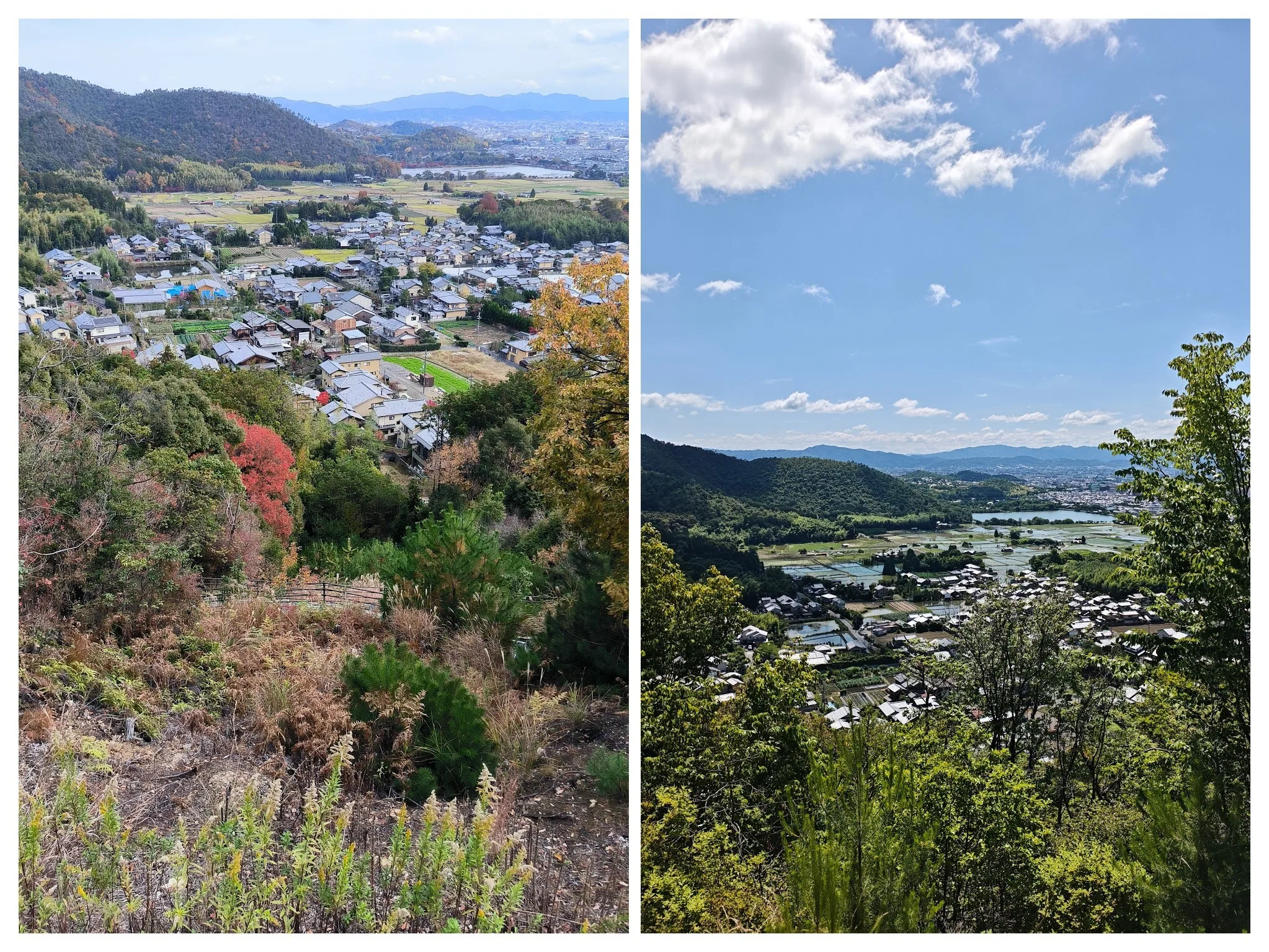
• Emperor Saga Mausoleum in Sagano: Requires a 529-step climb through tall cedar trees to an overlook above rice fields and Hirosawa Pond.

Climbing the 230 steps at Emperor Meiji Mausoleum in Fushimi
The Emperor Meiji Mausoleum in Fushimi sits on the forested slopes of Momoyama Hill in southern Kyoto. The site features an Emperor Meiji mausoleum staircase with 230 wide steps leading up to Fushimi Momoyama-ryo views across the basin.
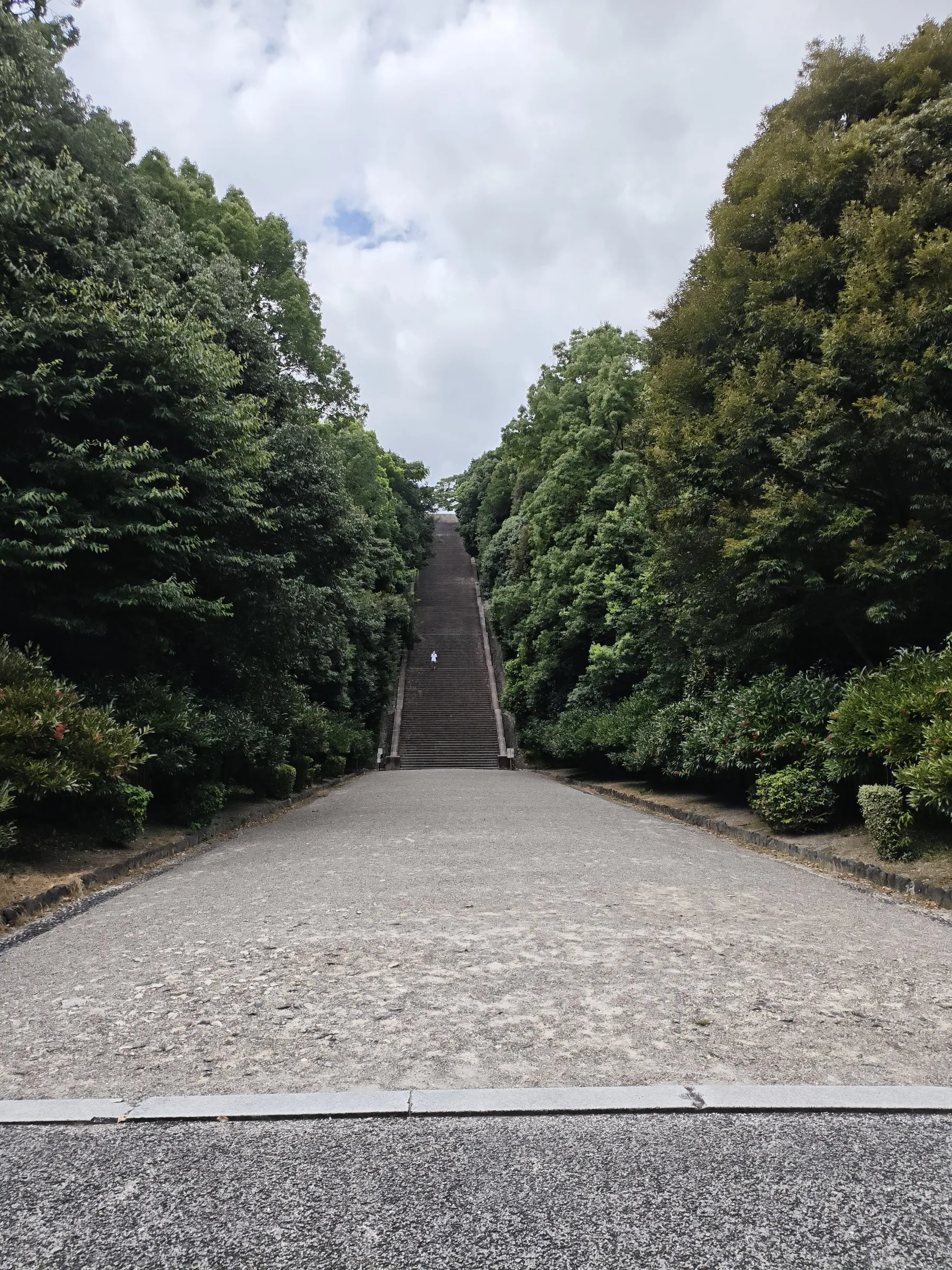
Historical background of Momoyama
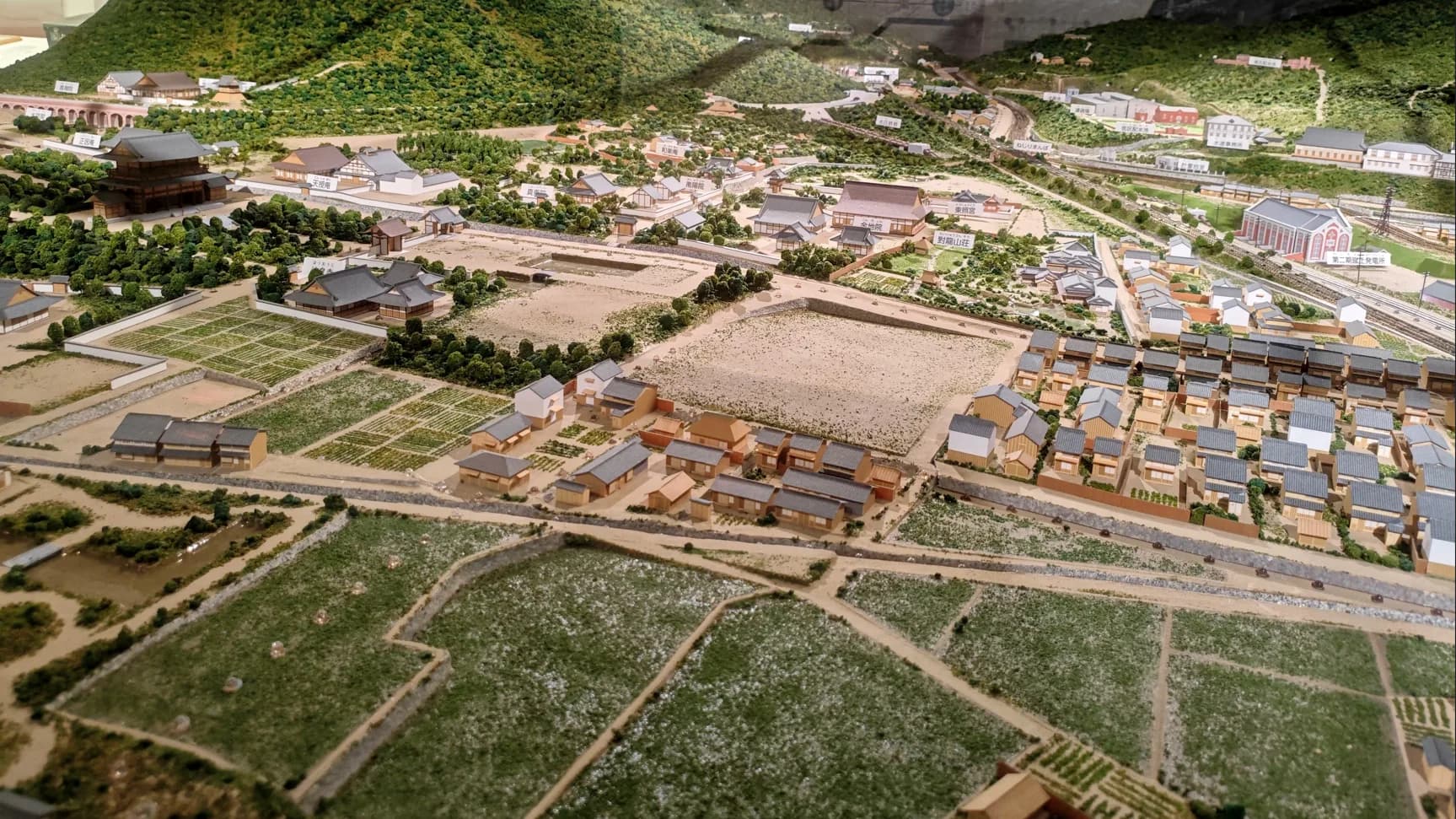
Emperor Meiji led Japan through its late 19th century transition into a modern state. After his death in 1912, officials selected this location on the former grounds of Toyotomi Hideyoshi's 16th century Fushimi Castle. The tomb complex spans a wide area of stone gravel courtyards surrounded by dense woodland.
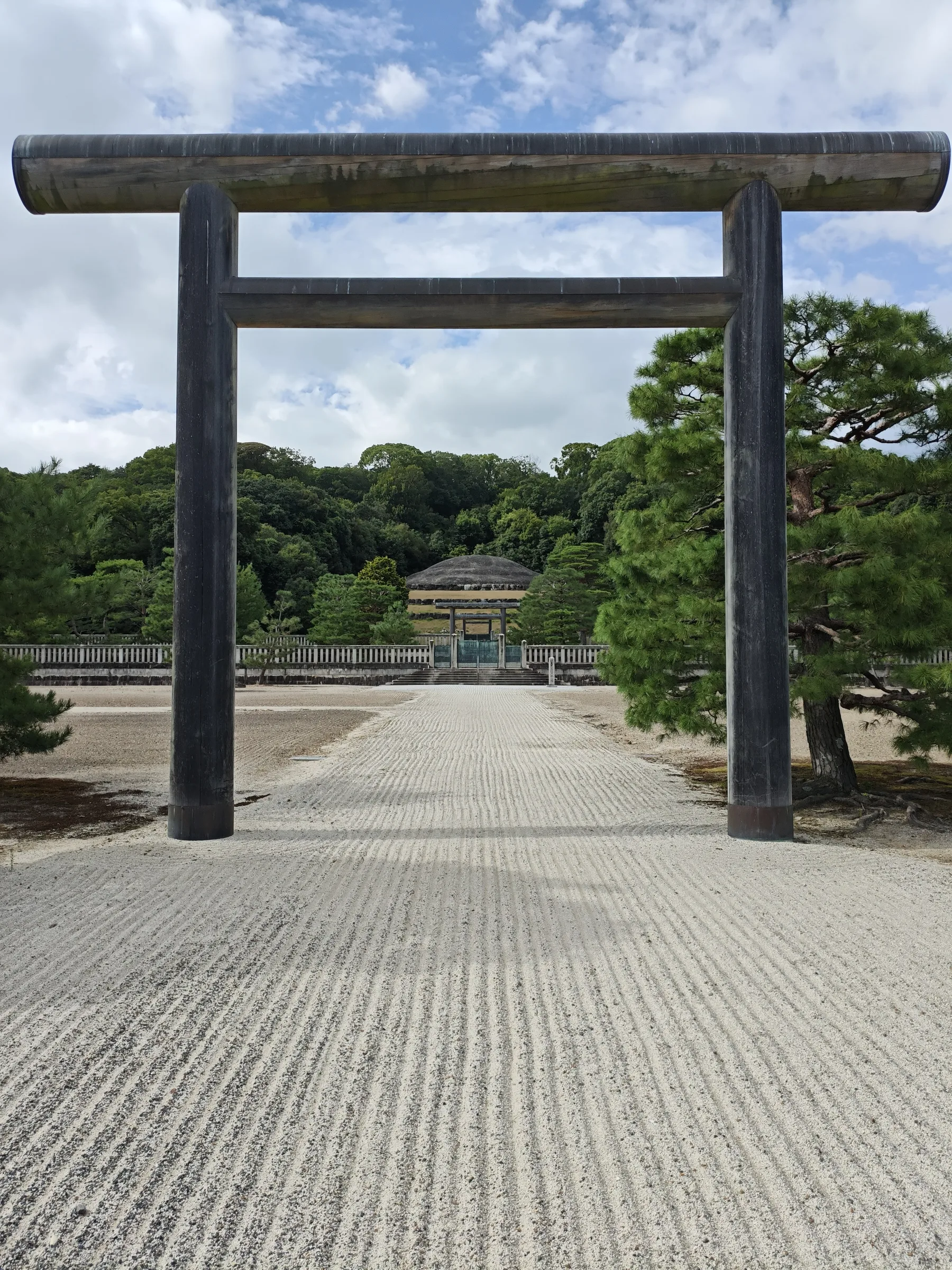
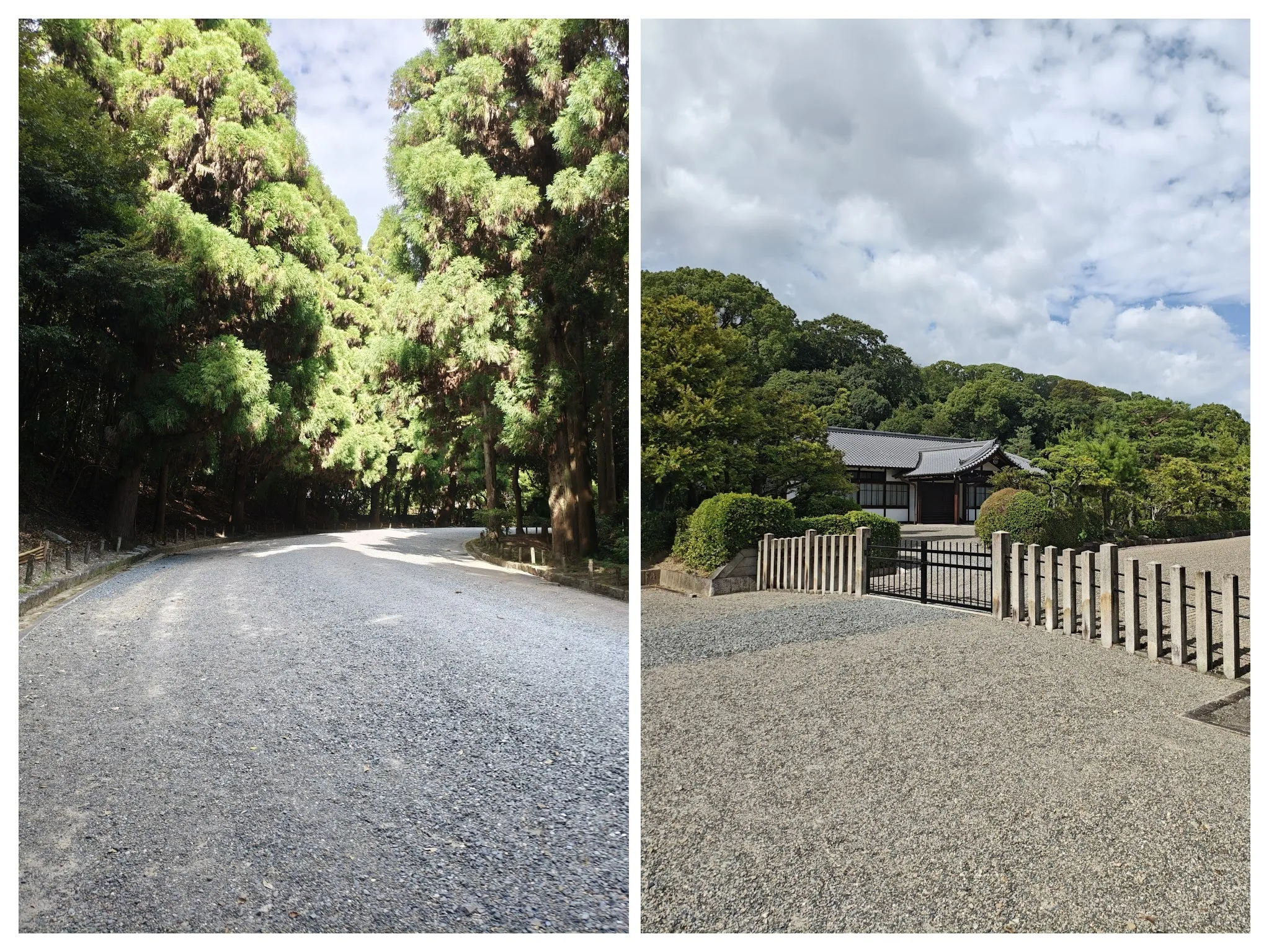
Getting there by bike or train
To visit by train, take the JR Nara Line to Momoyama Station and walk 15 minutes east up the tree-lined avenue. If you enjoy cycling tours Kyoto history routes, ride 10 km south from central Kyoto along the dedicated Kamo River bike path. Leave your bicycle at the outer entry gate, as riding on the loose stone gravel inside the imperial site is forbidden.
Hiking Narabigaoka Hills along the Kinukake-no-michi cycling route
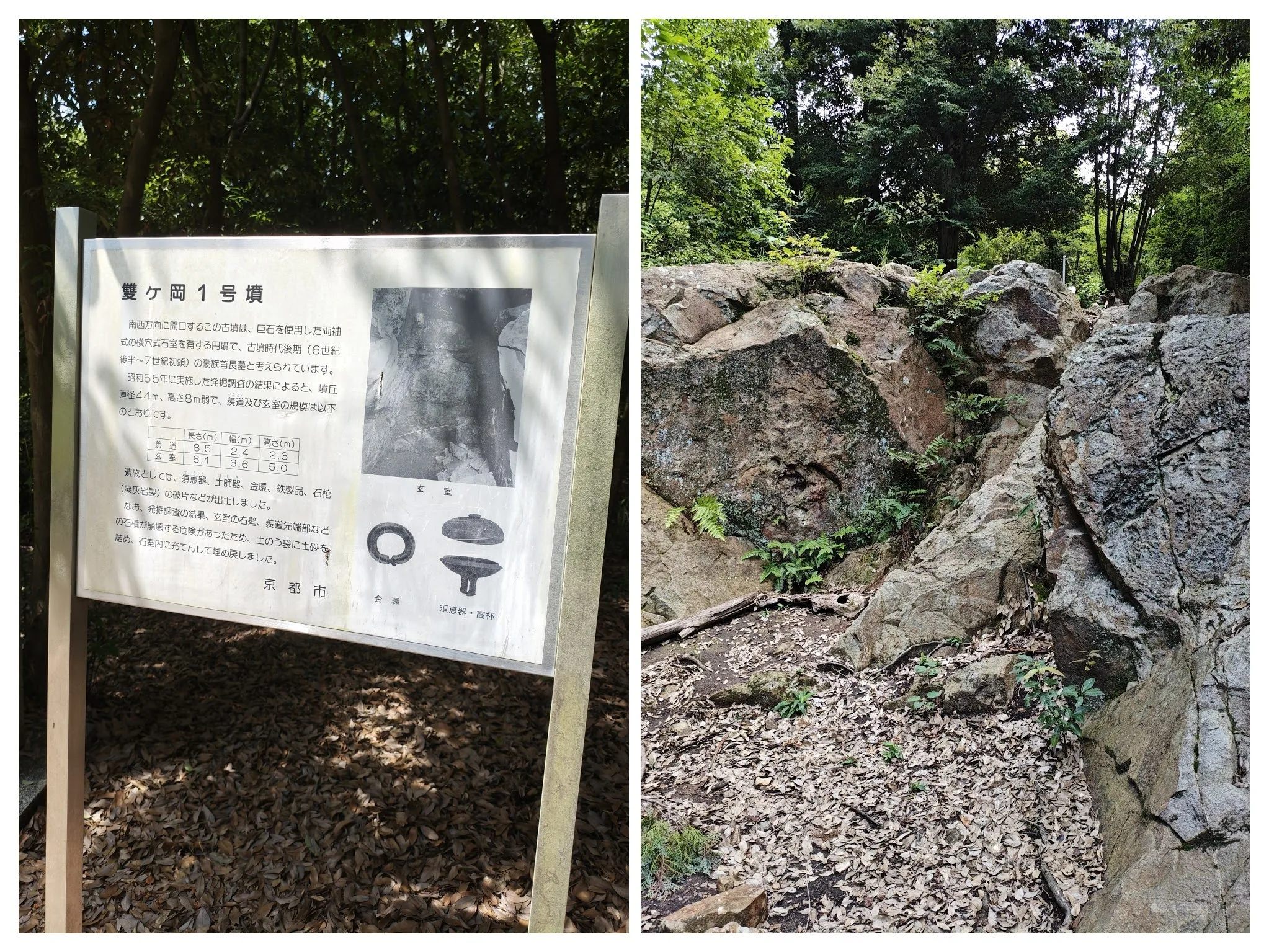
The Narabigaoka hills hike Kyoto route covers three small rounded mounds (Ichino‑oka, Ni‑no‑oka, and San‑no‑oka) in northwestern Kyoto. This forest trail , which passes several ancient burial mounds (kofun), runs right alongside the Kinukake‑no‑michi tourist and cycling route linking Kinkaku‑ji (the Golden Pavilion), Ryōan‑ji, and Ninna‑ji temples.
Pairing this peaceful hill walk with a early-morning visit to nearby major temples is one of the most effective ways to visit Kyoto without the crowds.
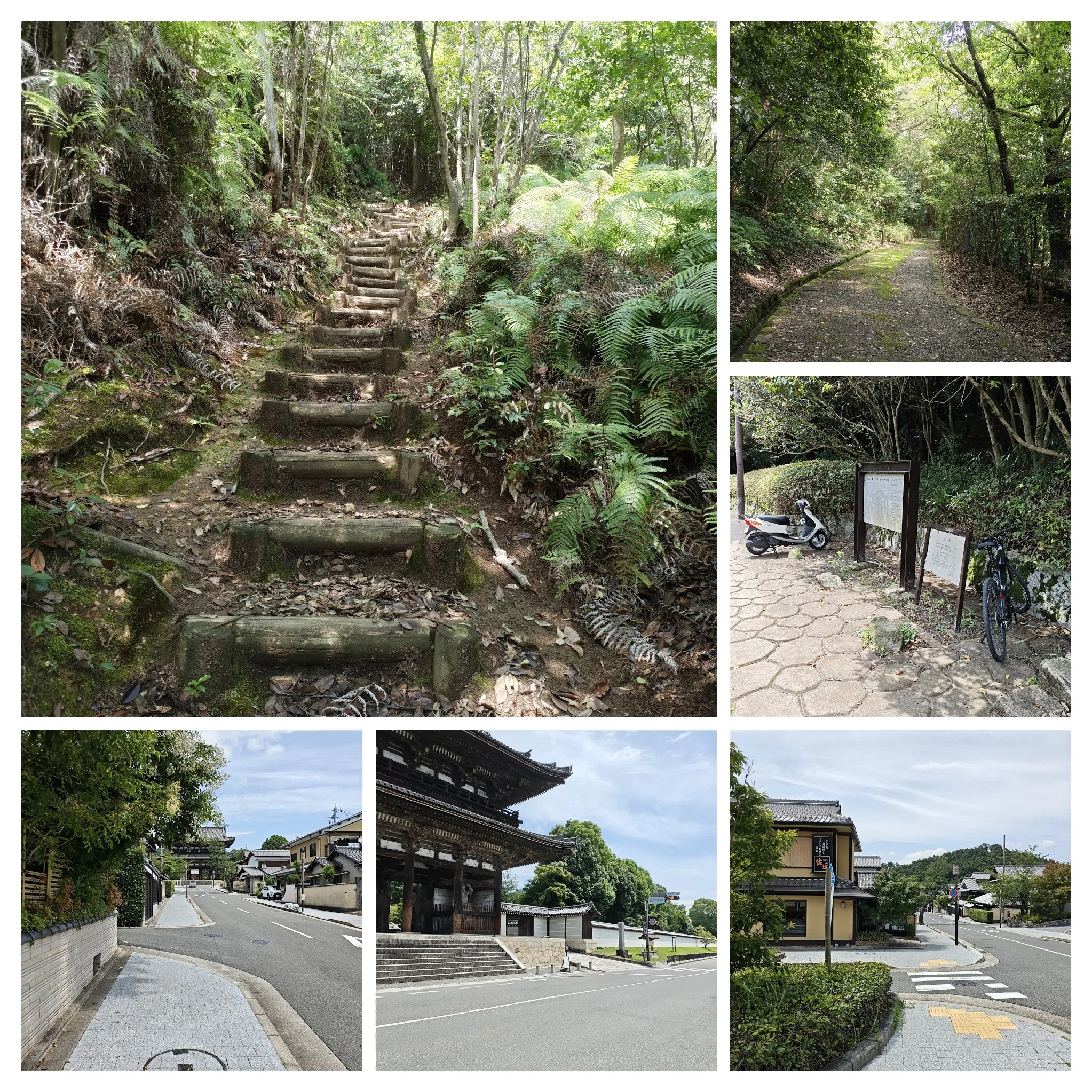
Literary roots and ancient burial mounds
These hills contain 6th century keyhole burial mounds built for local chieftains. In the 14th century, the writer and Buddhist monk Yoshida Kenko lived at the base of these hills while writing Essays in Idleness. The area remains peaceful and is surrounded by quiet residential streets.
Navigating the trail and summit views
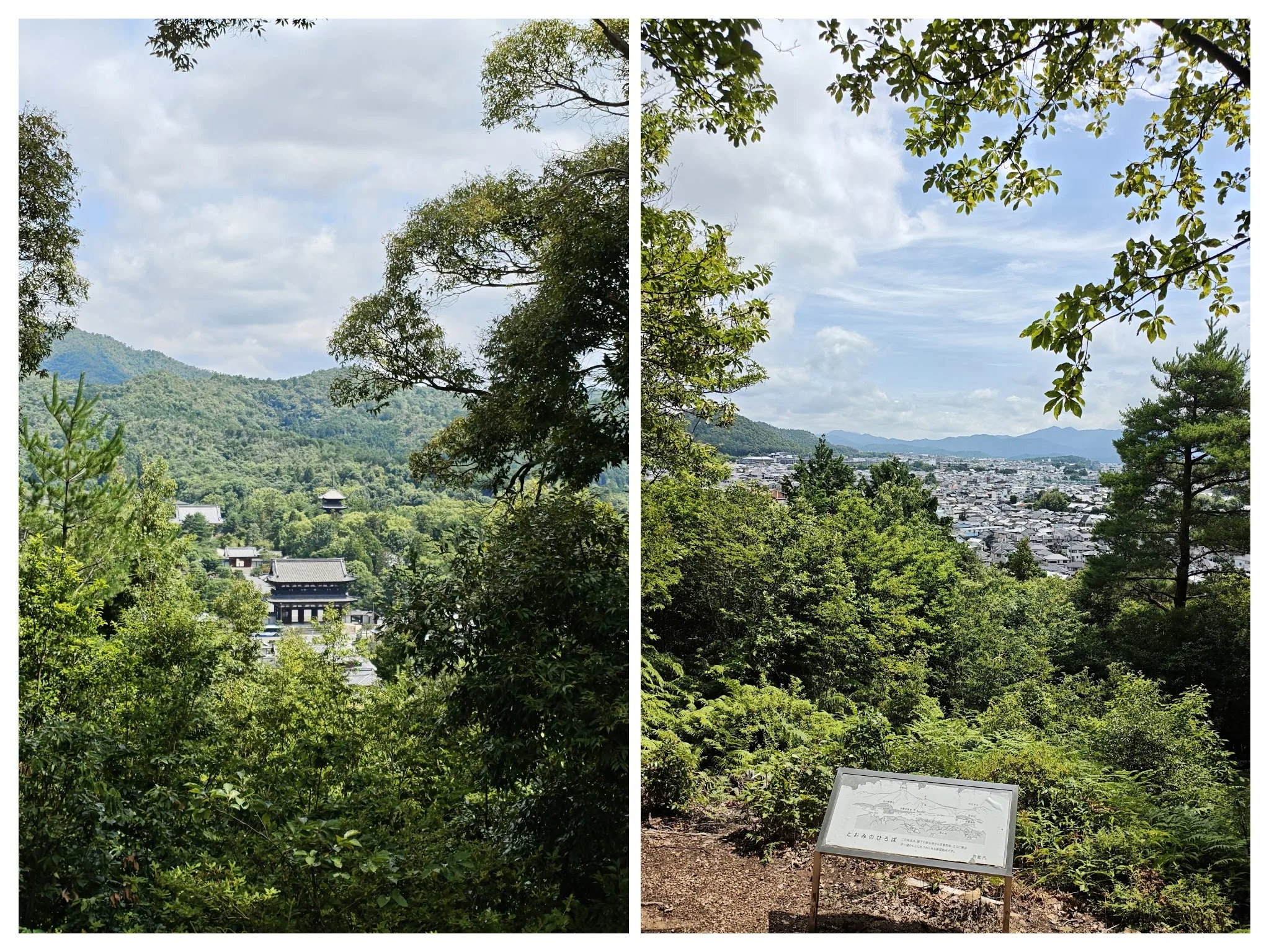
A dirt trail connects the three hills in an easy 60-minute walk. The summit of the northern hill, Ichino-oka, offers a clear, direct view of Ninnaji Temple's five-story pagoda. If you want to get there by bicycle, several options are available:
Near the stations: Coming from the south, park your bike near JR Hanazono Station, or arrive directly via the Randen tramway at Omuro-Ninnaji Station.
At the temple: Take advantage of Ninna-ji Temple's free bicycle parking (convenient if you are arriving from the north).
Closest to the trail: In a small group, you can leave your bikes right at the entrance of the Narabigaoka forest trail.
Conquering the 529 steps to Emperor Saga Mausoleum on Mount Saga
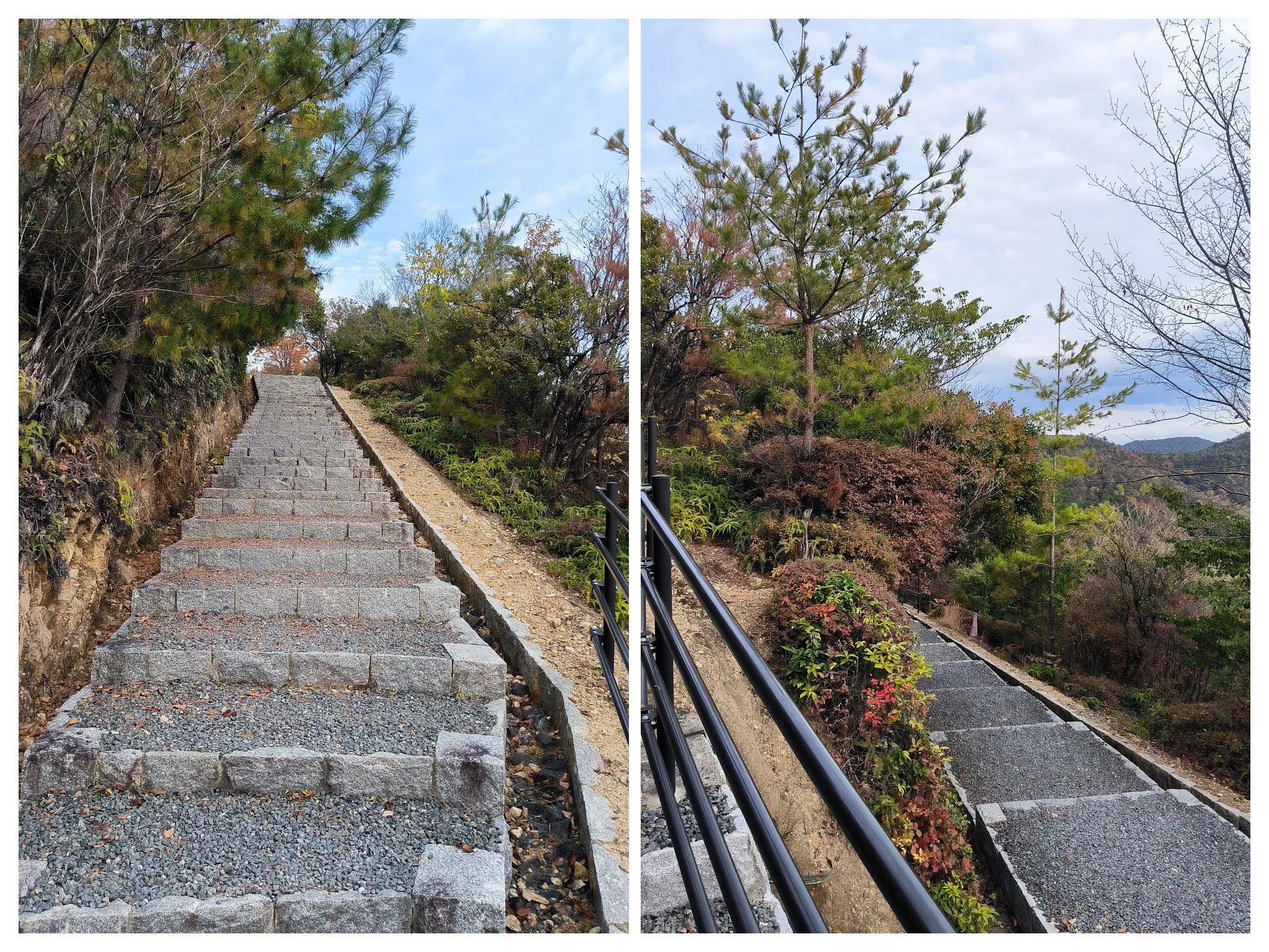
Reaching the Emperor Saga tomb (Sagayama-no-misasagi) involves a steep climb up Mount Saga, right beside the iconic Mount Ogura. This 529 step stone staircase climbs through deep cedar woods, ending at an imperial overlook far above the busy areas of Arashiyama.
Emperor Saga and the Sagano plain
Emperor Saga ruled in the early 9th century during the Heian period and was revered as a master calligrapher. He built his retreat on the Sagano plain, a quiet villa that would eventually become Daikaku-ji Temple. Today, his tomb sits high on the mountain overlooking the lakes and open fields of western Kyoto. Looking down from the mountaintop, the distinctive pagoda of Daikaku-ji comes clearly into view among the greenery. Below at the temple, looking back up toward the forest, the long trail of stone stairs climbing up to his tomb forms a visible path between the sacred sanctuary and its founder, creating a deeply poetic visual connection between his memory and his lasting legacy.
Practical advice for the steep ascent
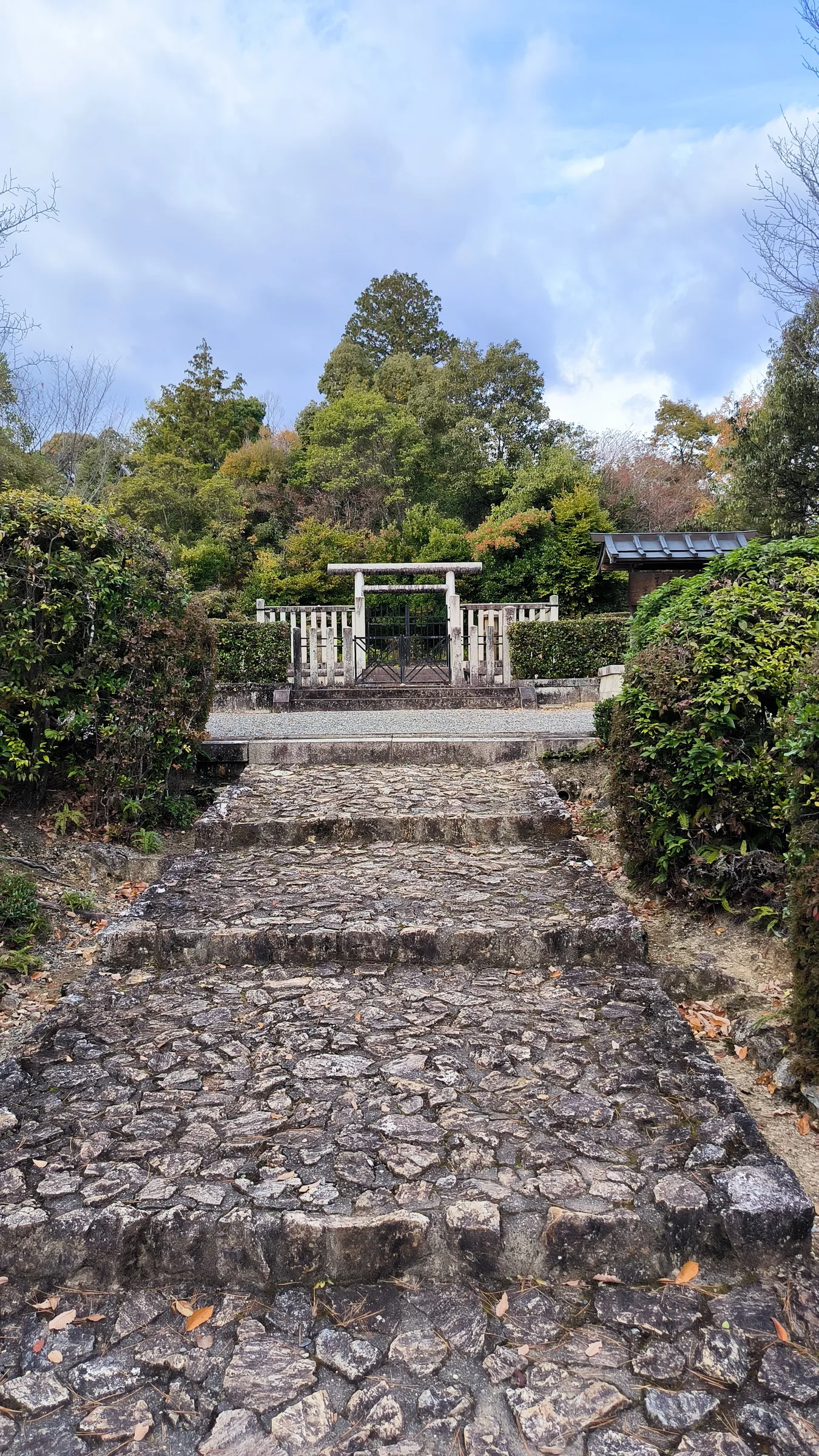
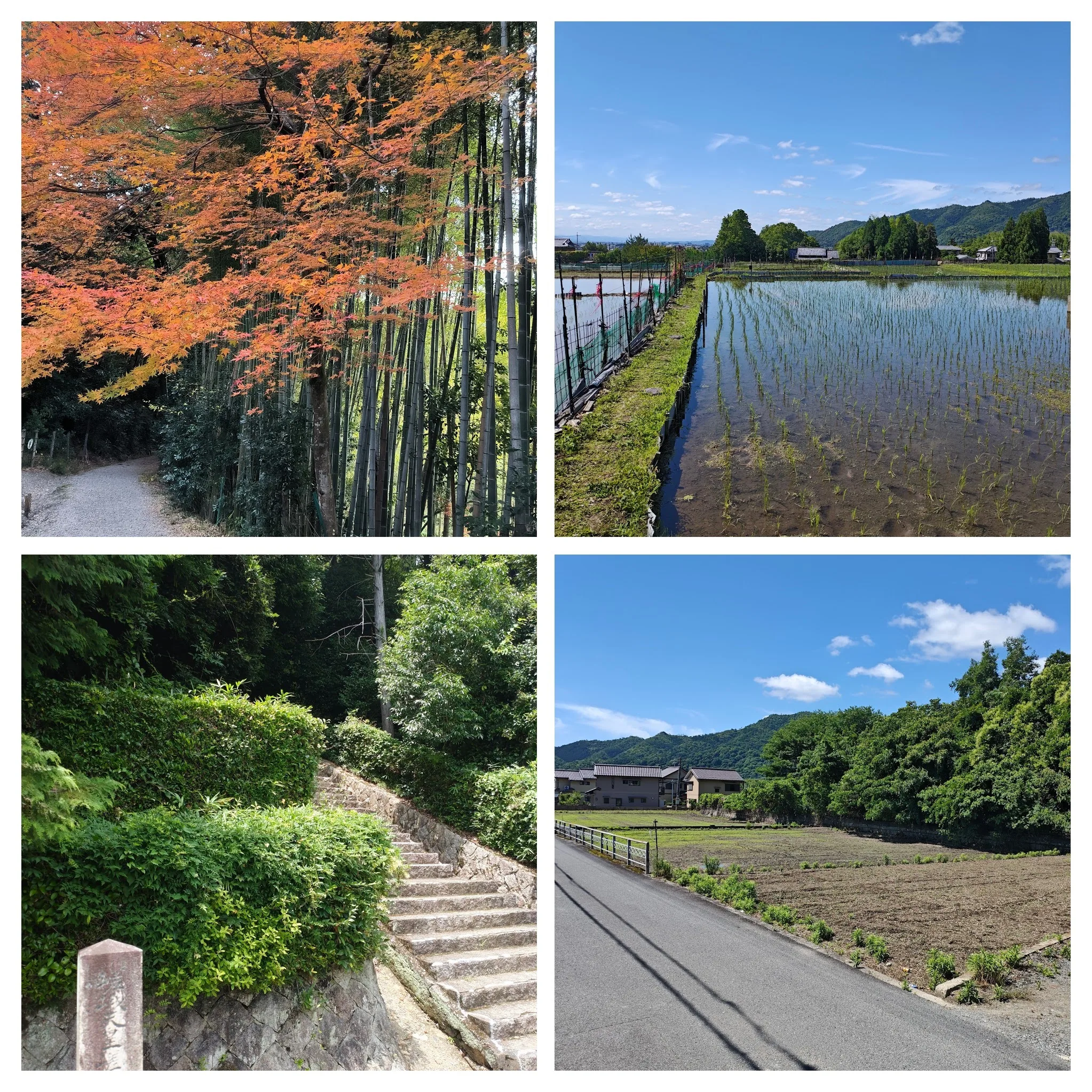
The trail begins behind the quiet back lanes of Okusaga, north of the main bamboo grove. Keep these practical details in mind for the climb:
• Distance and difficulty: The ascent takes 20 minutes up 529 irregular stone steps mostly under heavy tree cover.
• What to bring: Carry your own water, as there are no vending machines on the upper staircase or summit platform.
• Transport access: Walk 25 minutes north from JR Saga-Arashiyama Station or ride a bicycle through the rural lanes of Sagano to reach the trailhead.
How to combine these excursions into custom day routes
Each of these hill climbs can easily be paired with a major landmark to build a balanced, crowd-free day itinerary. For instance, explore Fushimi Inari at dawn before ascending to the Emperor Meiji Mausoleum, or visit Kinkaku-ji right at 9:00 AM before riding straight to Narabigaoka.
In fact, Narabigaoka Hills and Emperor Saga Mausoleum connect seamlessly into a single western Kyoto circuit along the scenic Kinukake-no-michi road. Using an e-bike makes quick work of the gentle inclines as you ride west from Ninna-ji toward Sagano and Hirosawa Pond. To learn more about mastering timing, choosing bicycles over city buses, and using a neighborhood pairing strategy, check out our article on how to visit Kyoto's major spots without the crowds.
Joining a guided bike tour with a local expert takes the guesswork out of navigating neighborhood intersections and finding designated bike parking. Having a guide alongside you lets you link these peaceful hill climbs via quiet backstreets without checking maps at every corner.
For the best experience, plan your ride for late autumn to catch the maple foliage around Mount Ogura, or visit in early spring when cherry blossoms bloom around Hirosawa Pond. Setting out during early morning hours rewards you with empty roads and clear, open perspectives across historical Kyoto.