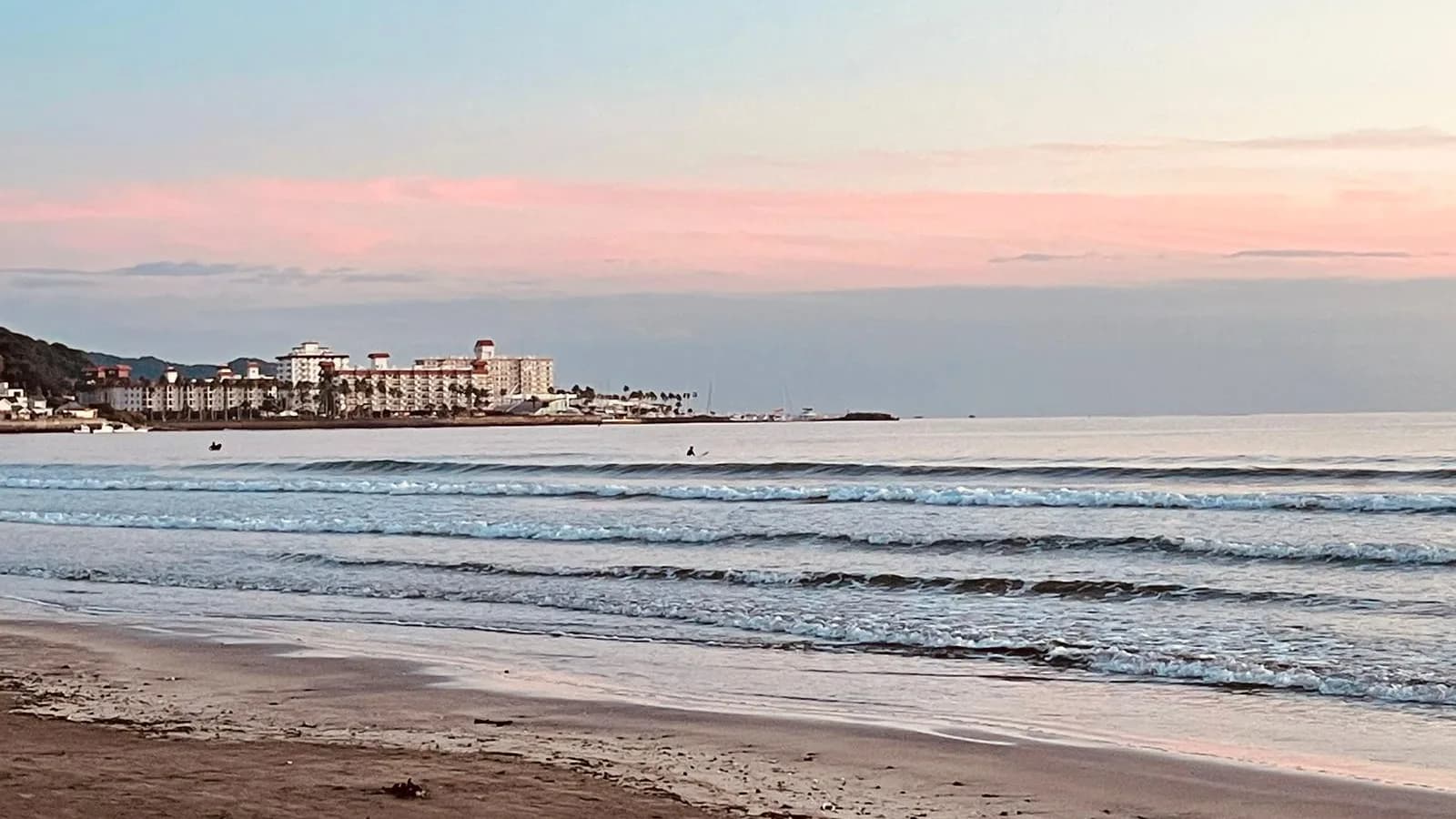
Getting from Tokyo to Kamakura on the JR Shonan-Shinjuku line
If you’re staying on the west side of Tokyo—around Shinjuku, Shibuya, or Ikebukuro—the JR Shonan-Shinjuku Line is your best bet for a day trip to Kamakura. It gets you down to Kamakura Station in about 55 minutes for 950 yen. But there’s one major catch to watch out for before stepping onto the platform: make sure you check the train’s destination board.
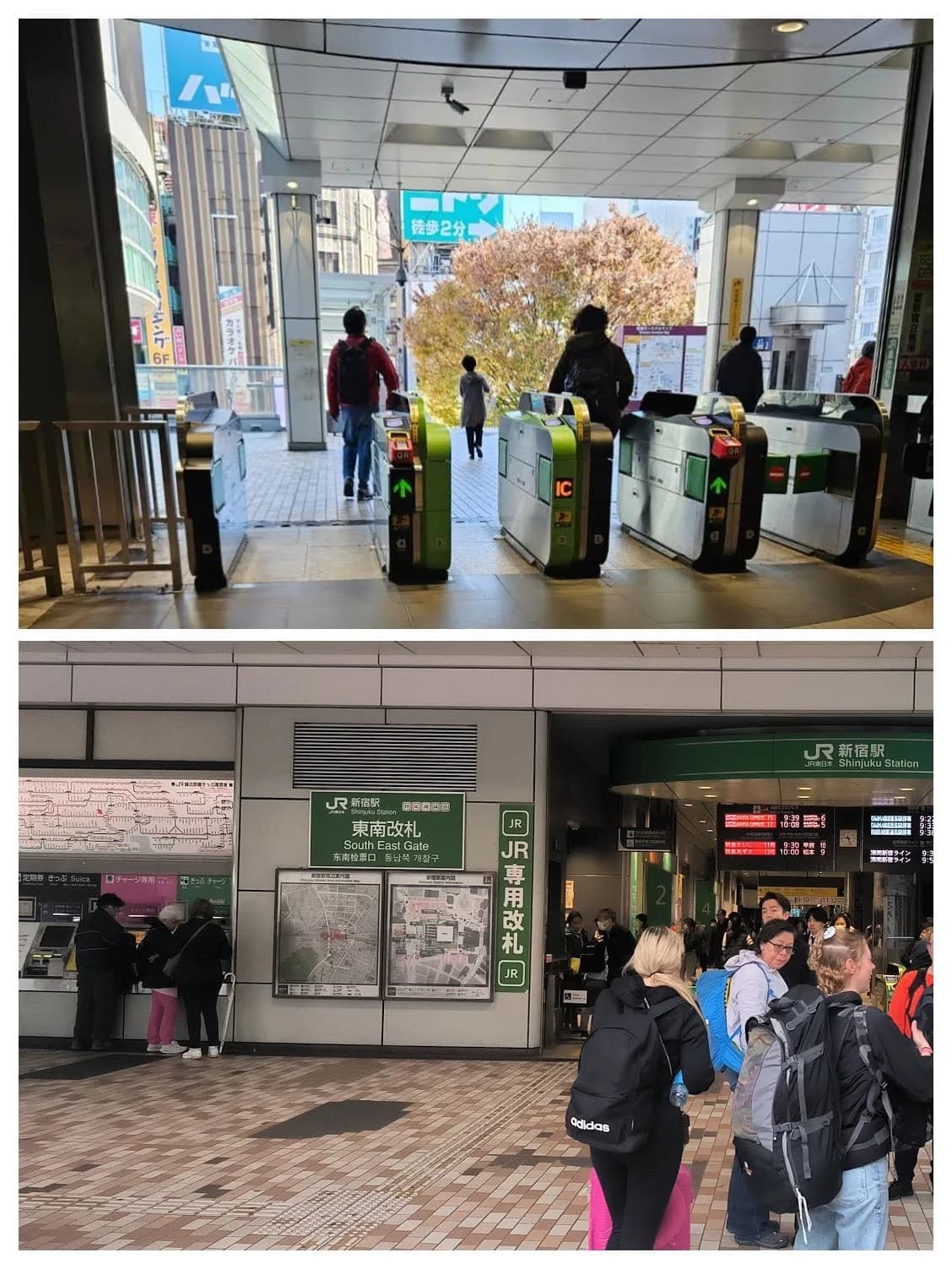
How to Avoid Getting the Wrong Train Out of Shinjuku or Shibuya
You’ll want a train specifically bound for Zushi or Kurihama. These run on the Yokosuka Line tracks south of Yokohama and roll straight into Kamakura with zero transfers.
If you accidentally hop on a train bound for Odawara or Kōzu, don’t panic—it’s simply running on the parallel Tōkaidō Line tracks. Just get off at Totsuka or Ōfuna, step across the same platform, and board the JR Yokosuka Line, which drops you in Kamakura two stops later.
If you’re traveling during peak hours and want a more comfortable ride, look for the double-decker Green Cars in the middle of the train (cars 4 and 5). For about ¥1,000 you get spacious, reclining seats. Before boarding, buy a Green Ticket either directly inside your Mobile Suica app or by inserting your physical IC card into a ticket machine on the platform. Once inside the train, find an empty seat (marked by a red light) and tap your card or phone against the reader on the ceiling above your seat until the light turns green.
Leaving from Tokyo Station or Ginza instead? Skip the Shonan-Shinjuku line completely. Head down to underground platforms 1 or 2 at Tokyo Station (or catch it at Shinagawa) and take the direct JR Yokosuka Line straight to Kamakura. Same 55-minute ride, same 950 yen, no transfers.
Why Kamakura Feels So Different from Kyoto
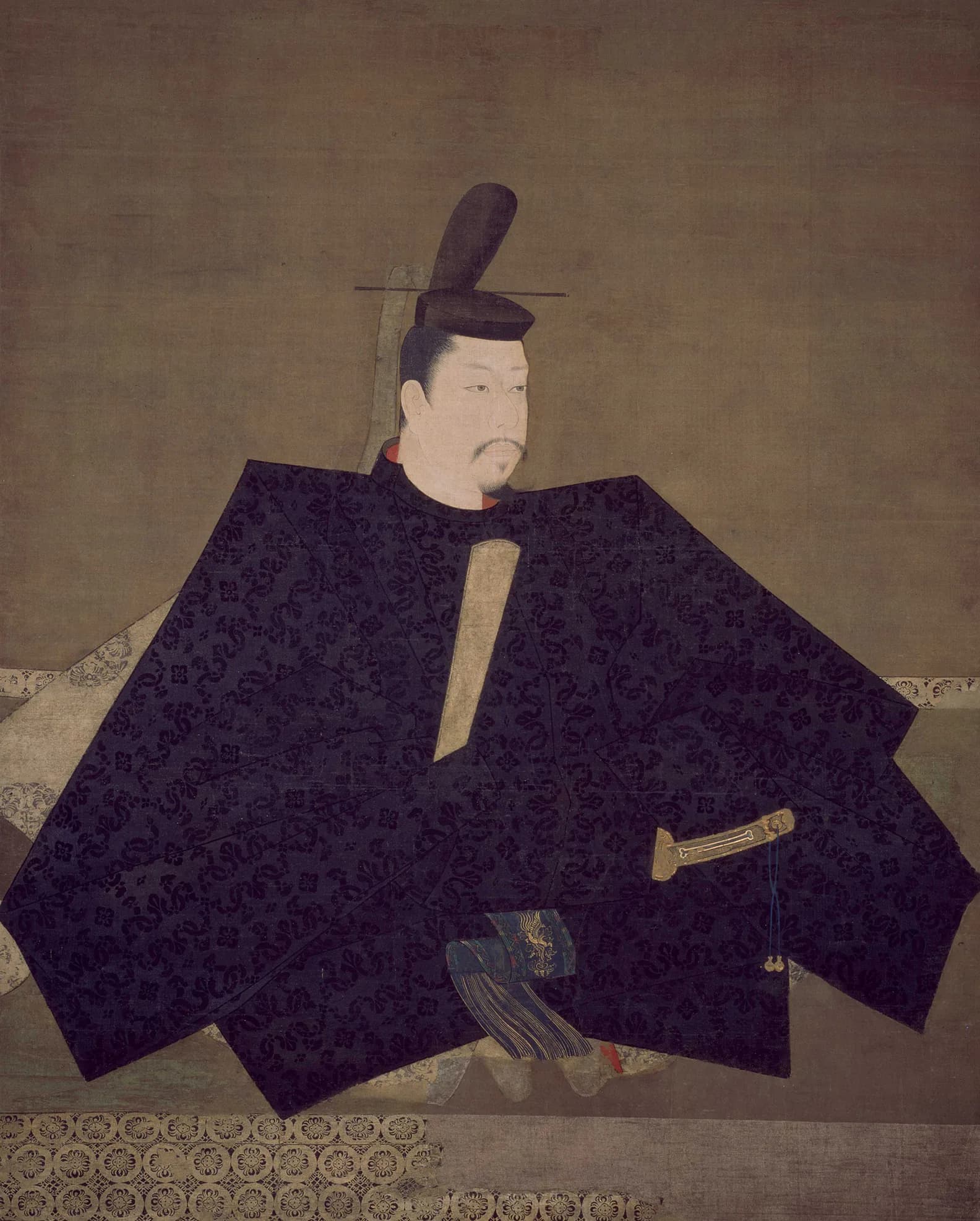
Kamakura has a totally different vibe from Kyoto, mostly because it grew up as a tough, practical warrior capital rather than a polished imperial court. Minamoto no Yoritomo set up Japan's first samurai government here in 1192, pulling military control completely away from Kyoto.
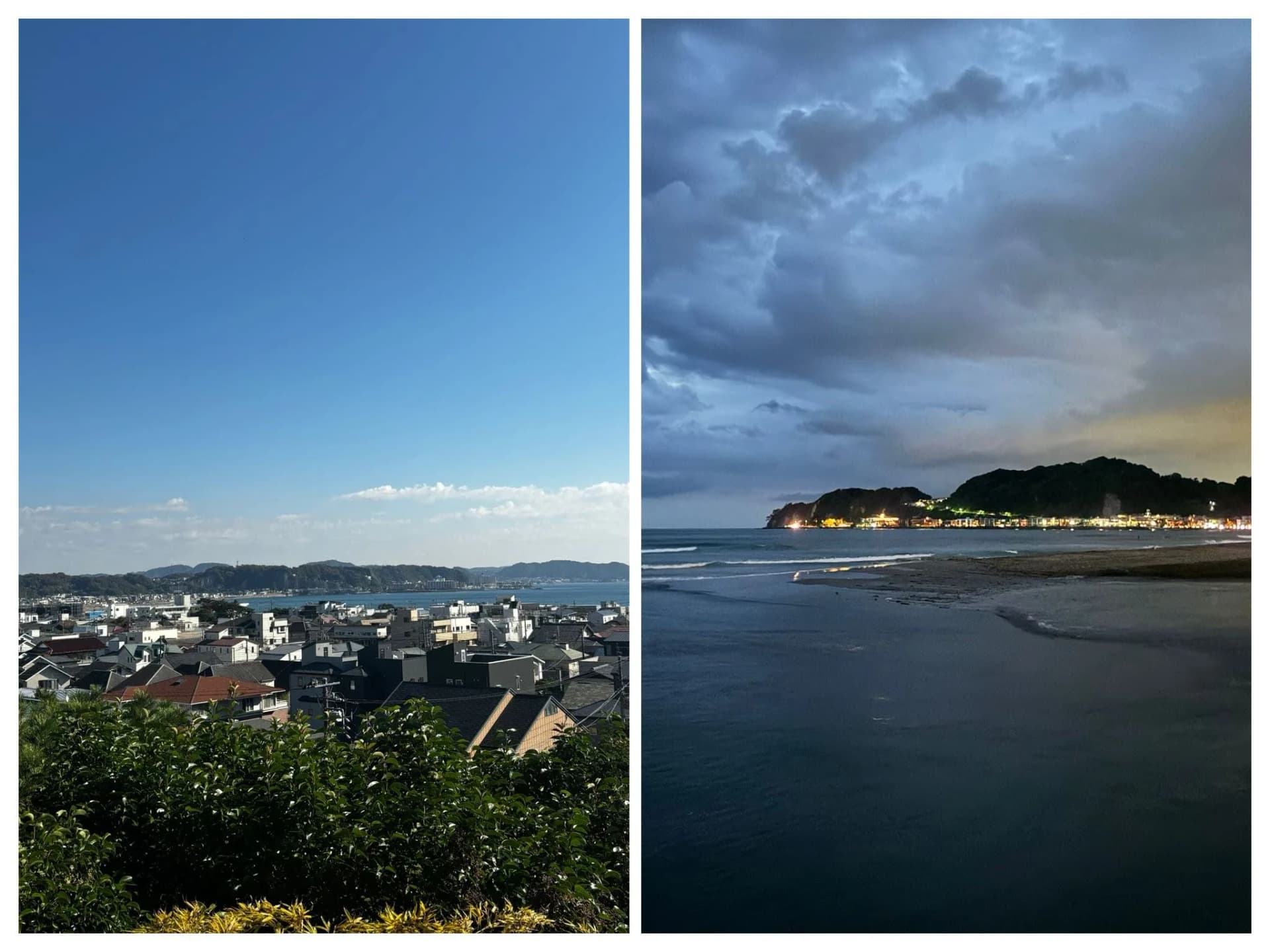
Geography played a huge role in that decision. While Kyoto sits in a broad, flat inland basin, Kamakura is wedged tightly between steep, forested ridges and the open sea. Medieval builders even carved narrow mountain passes called kiridoshi right through the rock walls to limit entry points and defend the settlement. Today, that compact layout works in your favor: you can walk from quiet Zen meditation halls down to the surf in under 20 minutes.

Morning: Fox Statues and Shaded Trails at Sasuke Inari
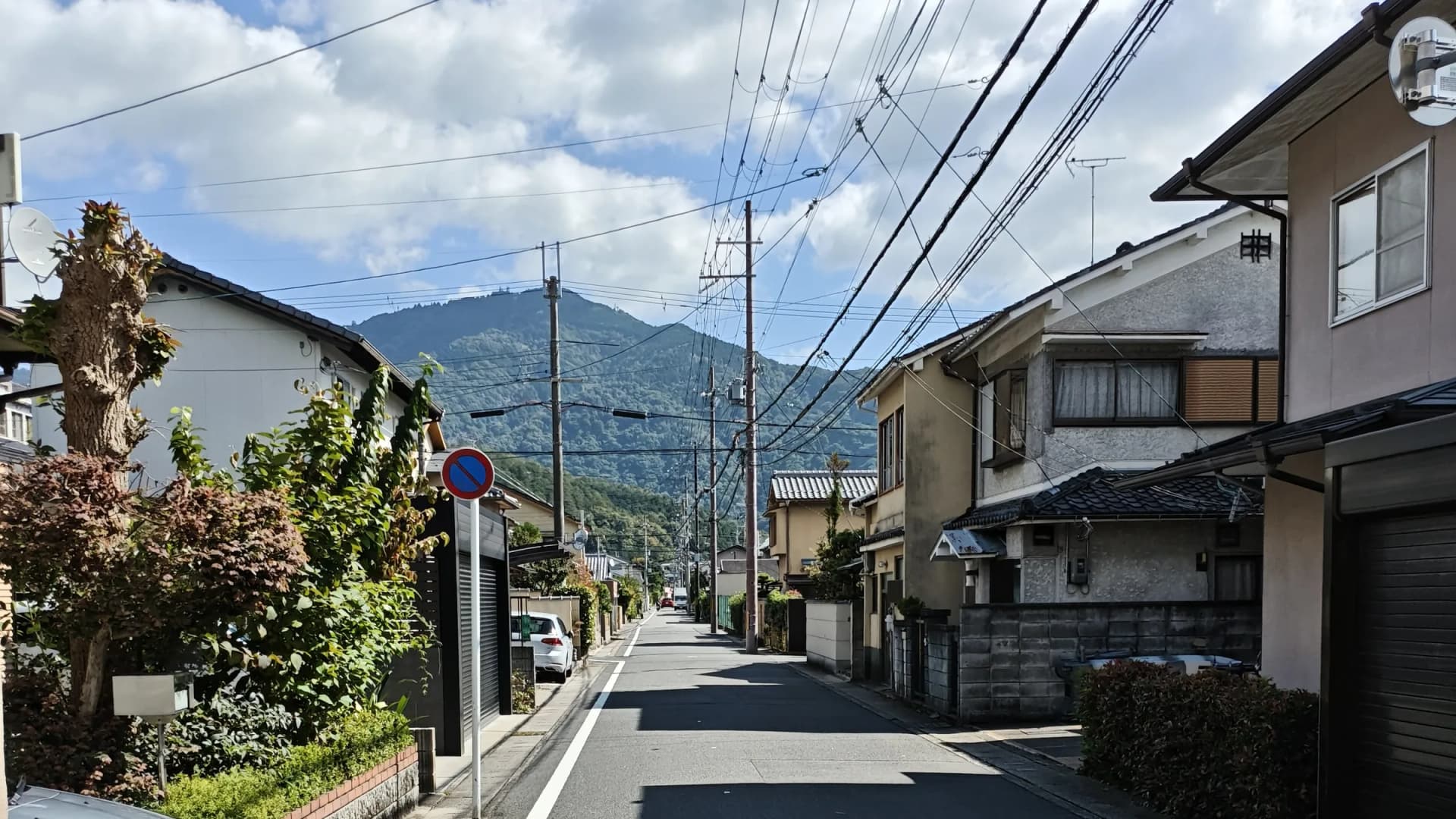
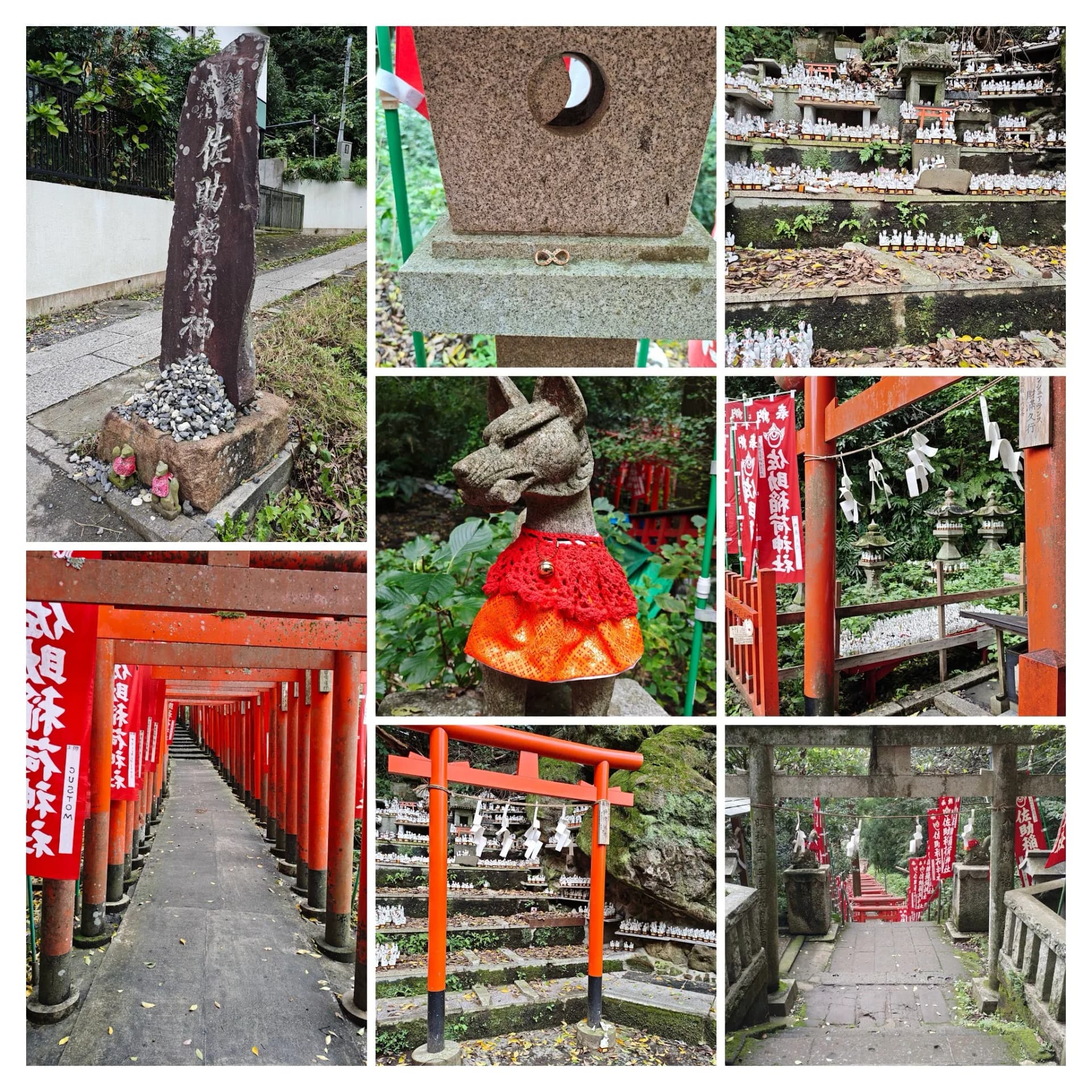
Try to reach Sasuke Inari Shrine right around 9:00 AM before the main crowds hit the center of town. Tucked into a wooded hollow about 20 minutes west of Kamakura Station through quiet back alleys, it's one of the most atmospheric spots in the area.
You enter by climbing stone stairs framed by dozens of vibrant red torii gates. Mossy hillside trails are dotted with small ceramic fox statues nestled among the roots of massive cedar trees. Legend has it a fox spirit visited Yoritomo in a dream here, giving him the exact timing he needed to strike against his rivals. Starting your day at Sasuke Inari gives you a peaceful, shaded woods walk and lets you completely bypass the morning rush on the east side of the station.
Midday: The Great Buddha and High Views at Hasedera
From the base of the shrine trail, head south into the Hase district. This neighborhood holds two of Kamakura's biggest Buddhist landmarks, sitting just five minutes apart on foot. Plan on spending roughly two hours here around midday to take your time.
Kotoku-in and the Bronze Daibutsu
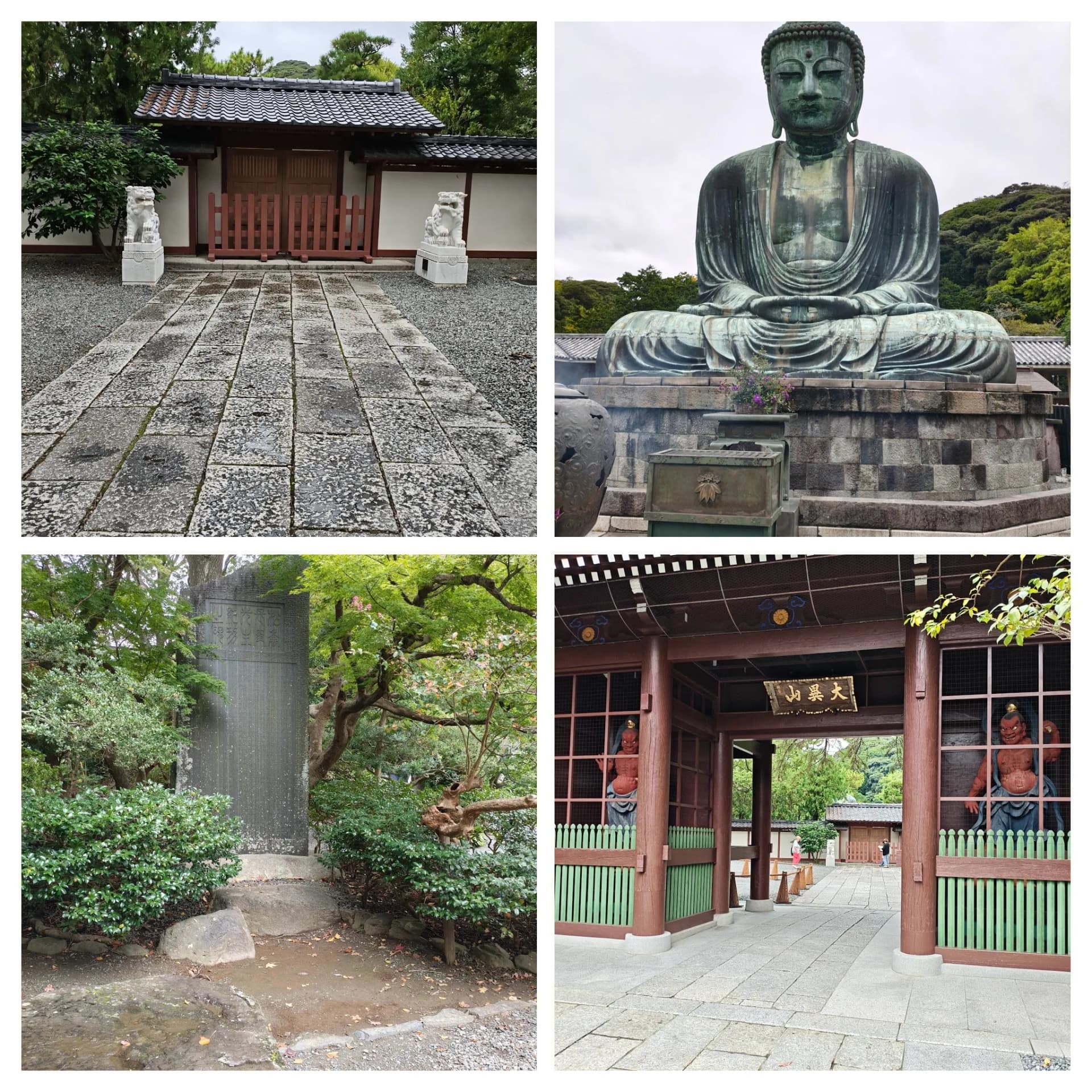
A 15-minute walk south from Sasuke Inari brings you to Kotoku-in (300 yen entry), home to the famous Great Buddha (Daibutsu). It’s an 11.4-meter seated bronze figure cast around 1252. The statue originally sat inside a massive wooden hall, but in 1498, a massive tsunami swept through the coastal inlet and destroyed the building entirely. The bronze Buddha survived unscathed and has sat open to the elements ever since.
Hasedera’s Hillside Terraces
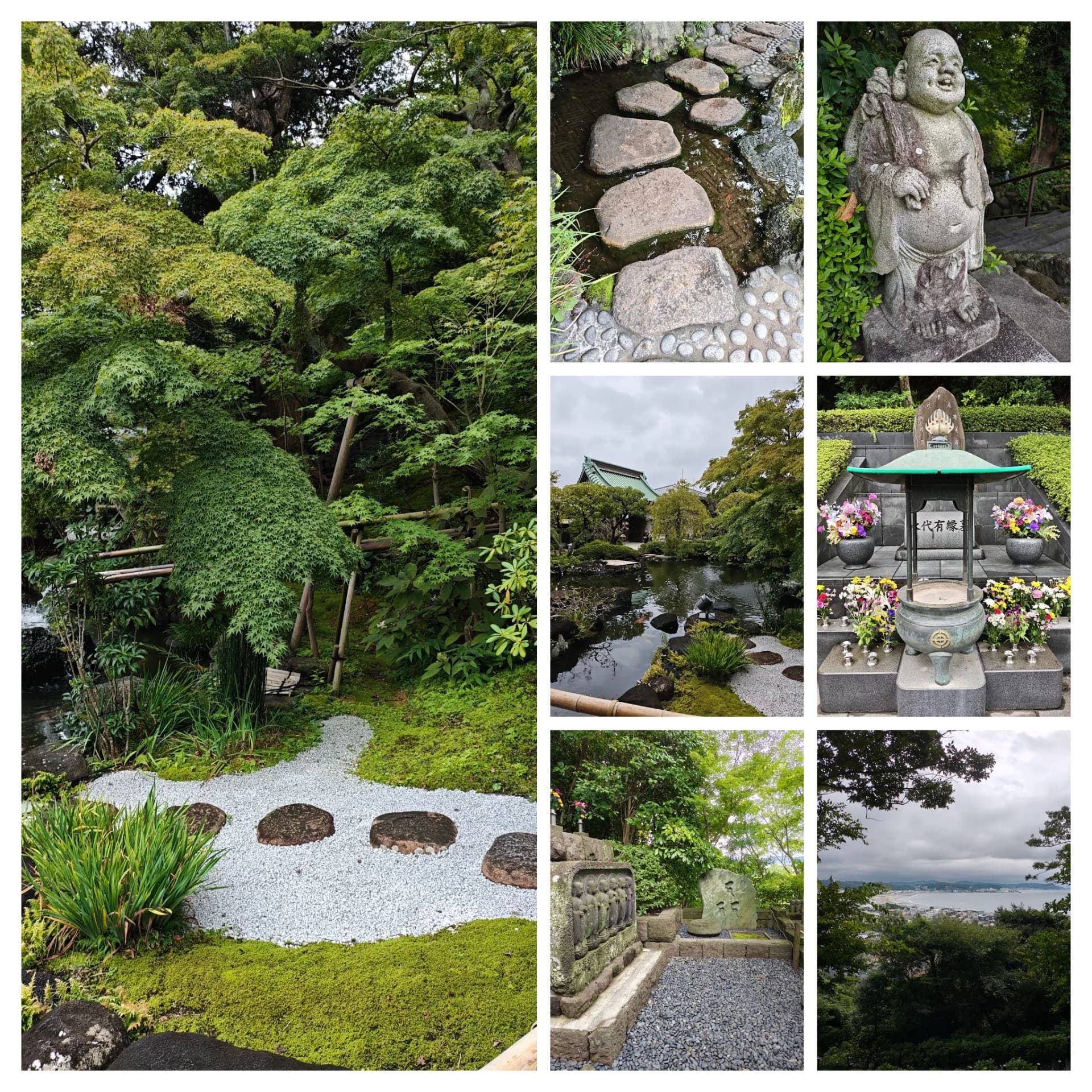
Just 300 meters down the road sits Hasedera (400 yen entry). It's famous for its sprawling garden paths, koi ponds, and the winding Benten-kutsu cave passage packed with tiny stone carvings.
Inside the main hall stands a gilded camphor-wood statue of Kannon, towering over nine meters high with eleven carved faces. After visiting the hall, walk out to the open observation terrace—it gives you an incredible, sweeping view over the rooftops of Hase straight out to Sagami Bay.
Afternoon: Volcanic Sand, Black Kites, and Lunch
After finishing up at Hasedera, head down toward the water. The transition from temple grounds to sea air takes less than five minutes on foot.
Yuigahama Beach and the Hawk Warning
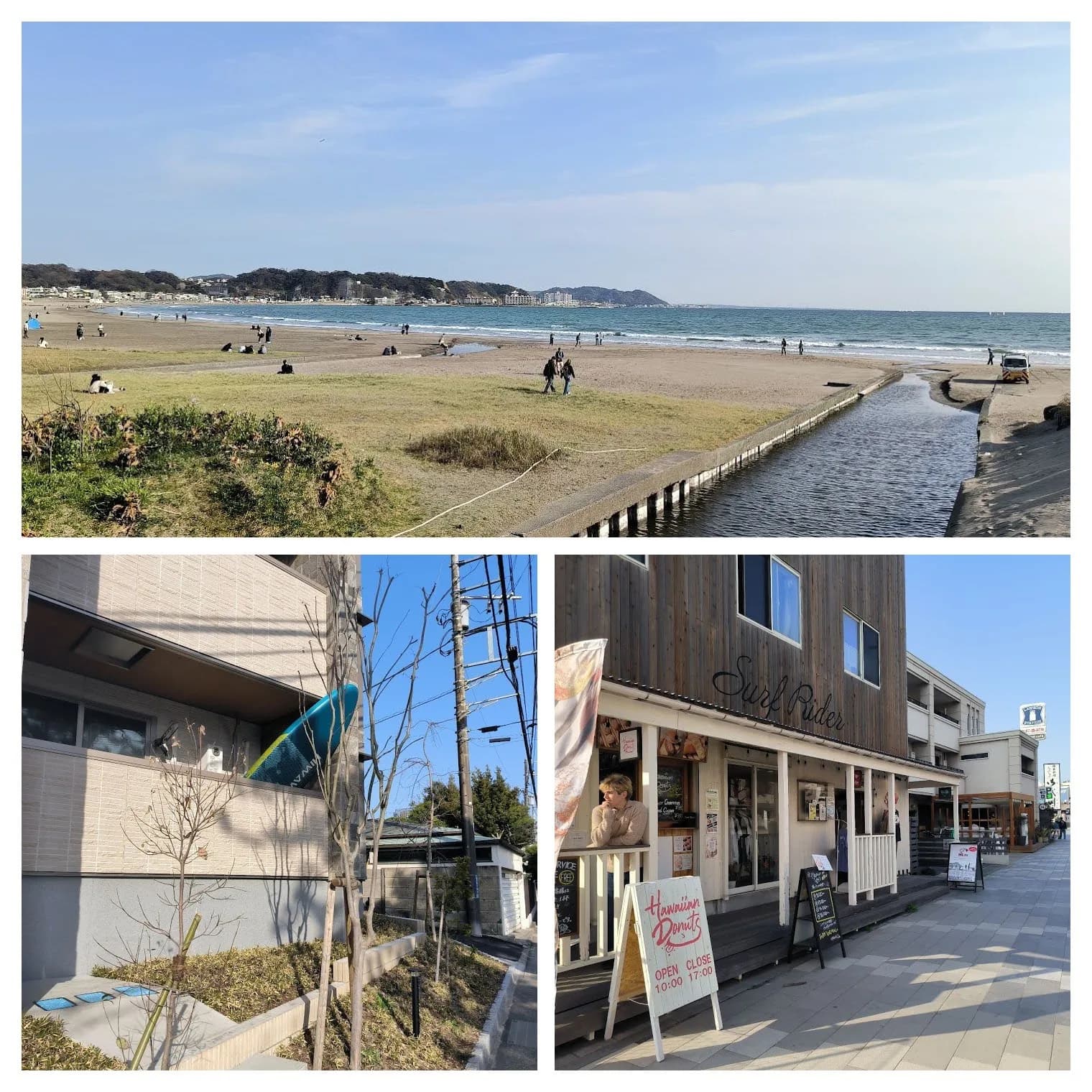
Walk 400 meters south along the main road to hit the dark volcanic sand of Yuigahama Beach. You’ll see surfers out here year-round, and the open shoreline is a great breather from the tight temple pathways.
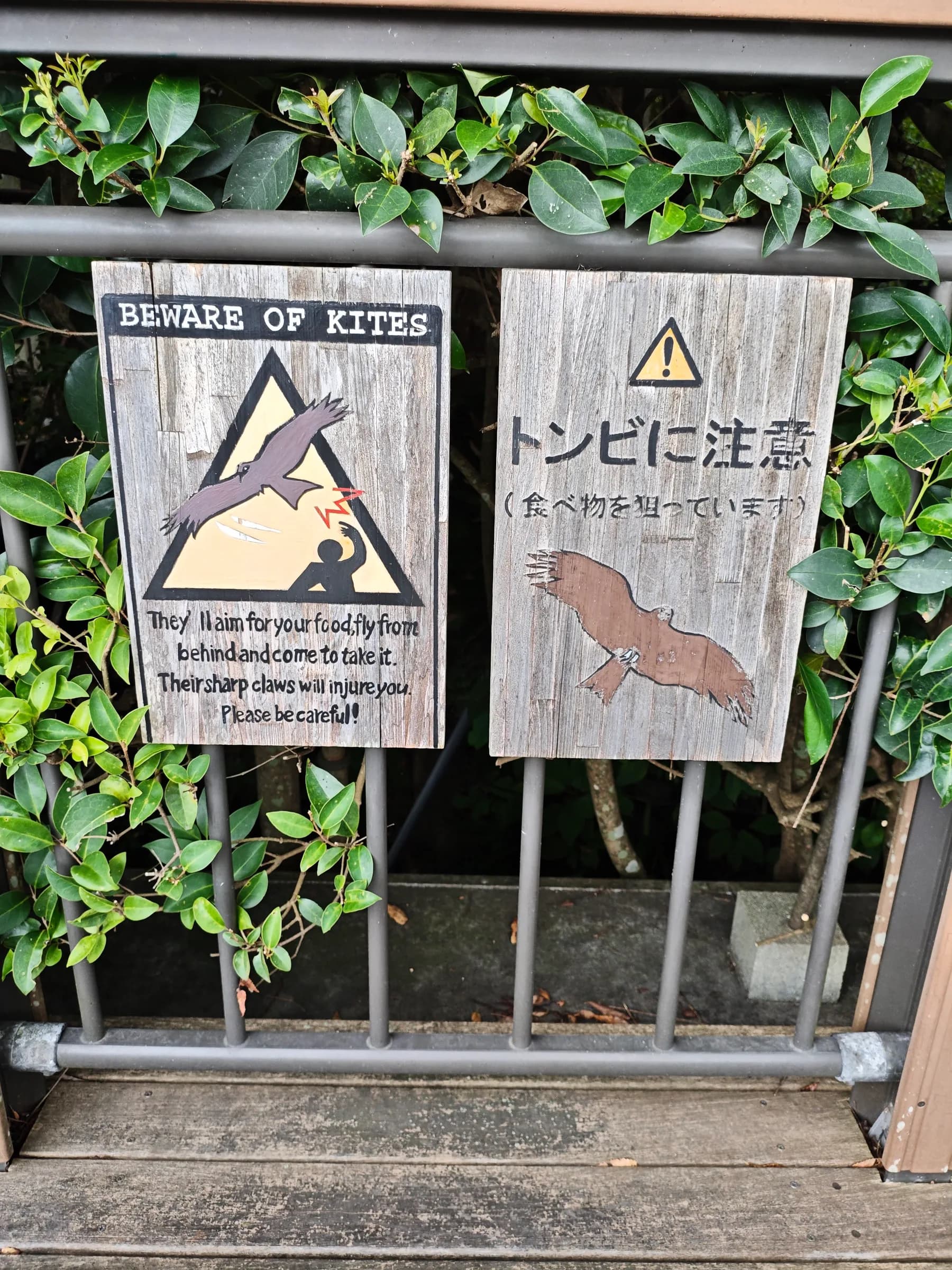
One serious warning: if you carry food out here, keep it covered. Black kites (tobi) glide overhead on the coastal updrafts, and these large birds will dive-bomb silently from behind to scoop a sandwich or pastry straight out of your hand. Eat inside or keep food tucked away in your bag until you're sitting down indoors.
Lunch at The Factory
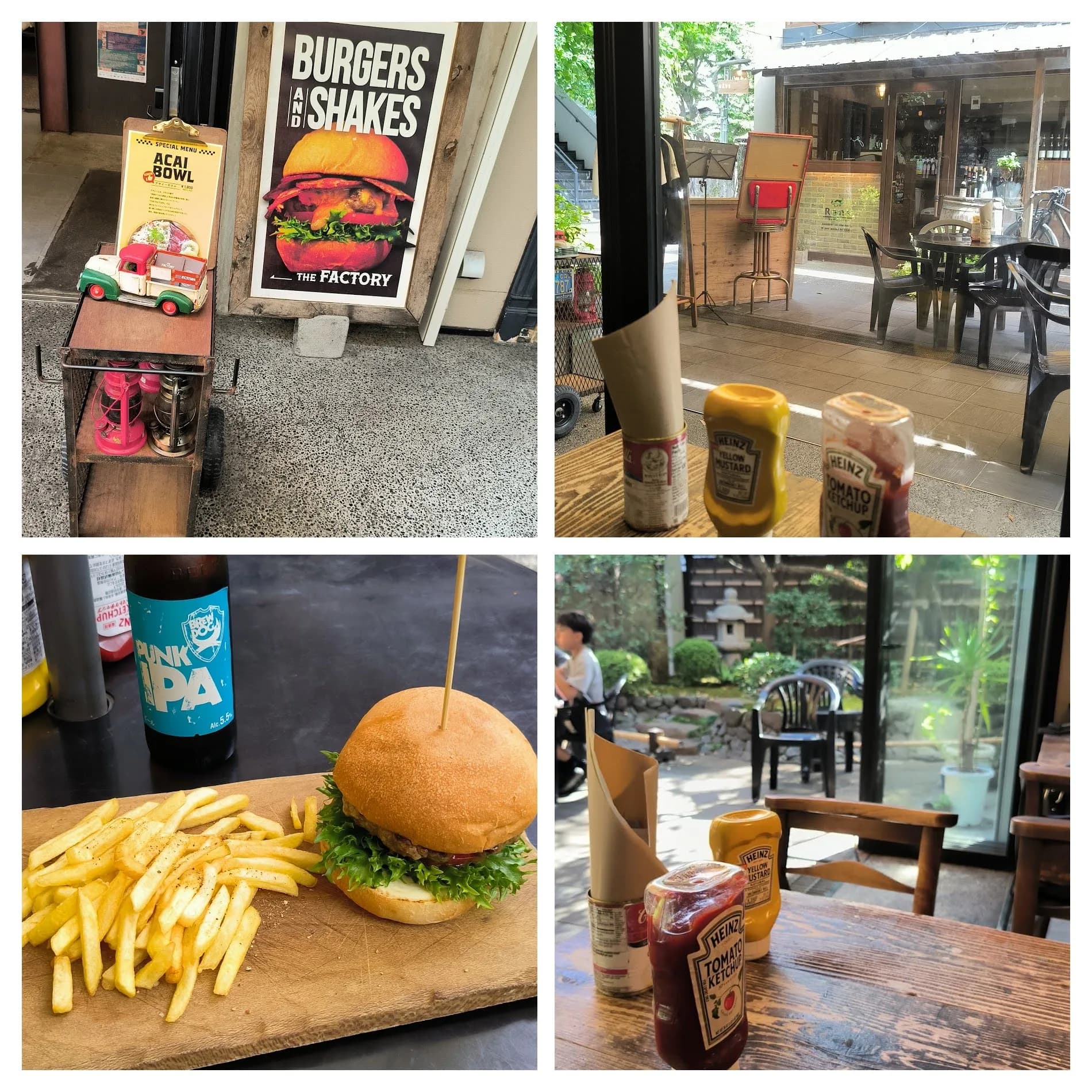
To head back to the station, take the green Enoden tram for a 5-minute ride from Hase Station, or take a 20-minute walk through the quiet residential streets. Head past the west exit of Kamakura Station toward the small courtyard arcade of Komorebi Rokugan and stop by The Factory.
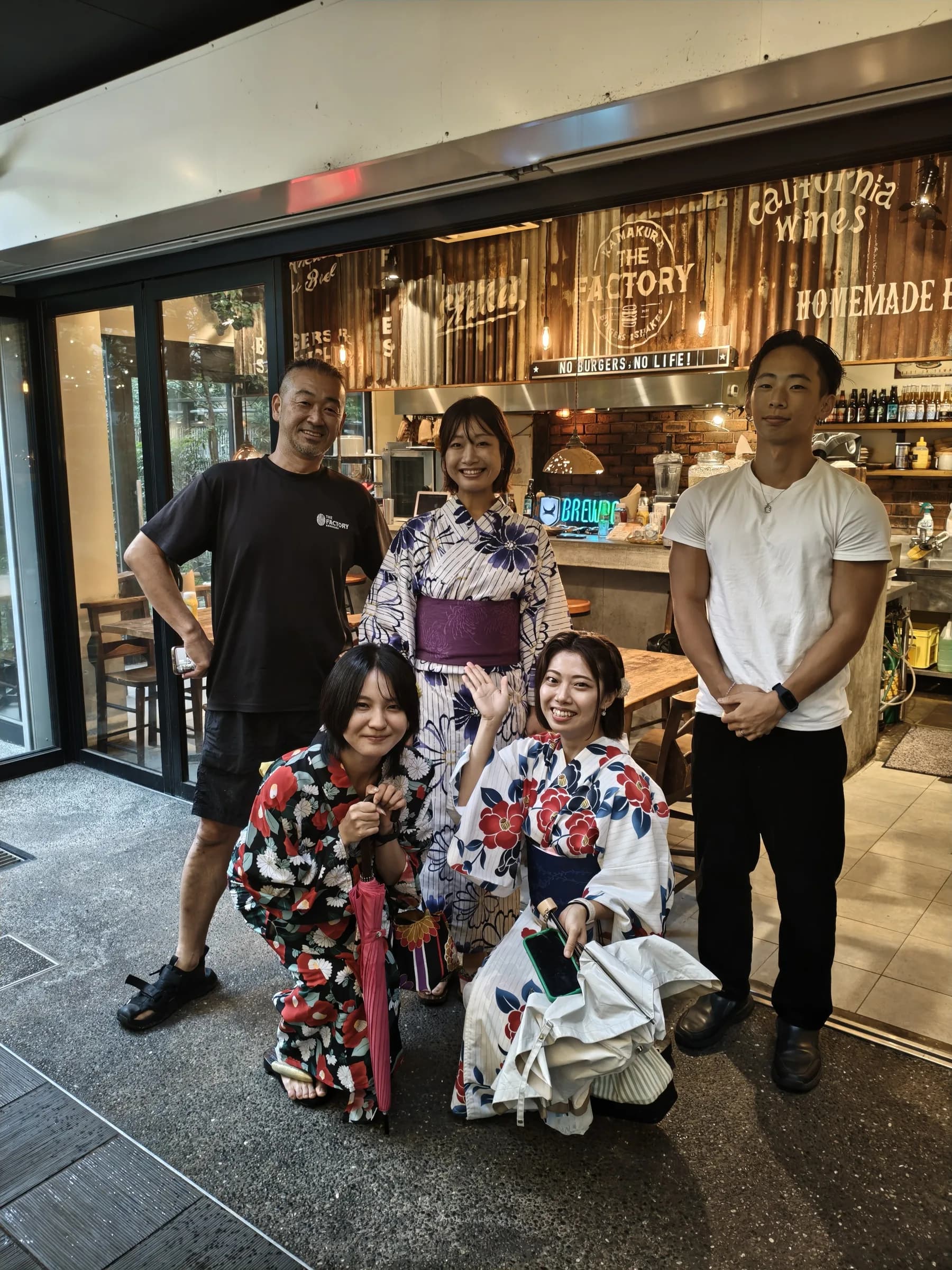
This small independent counter serves exceptional burgers made with house-baked buns, local vegetables, hand-cut fries, and rich, old-school milkshakes. The vibe with owner Toshi is easygoing, the service is quick, and it makes a welcome change from the souvenir shops lining the main street.
Late Afternoon & Evening: Tsurugaoka Hachimangu, Backstreets & Bar Ram
Once you've eaten and rested up, cross under the station tracks to the east side and head north up the grand Dankazura pedestrian avenue to Tsurugaoka Hachimangu.
Founded by Minamoto no Yoritomo in 1180, this is Kamakura’s spiritual and cultural heart. Dedicated to Hachiman, the Shinto god of war and protector of the samurai class, the shrine complex sits at the northern end of town framed by steep green hills.
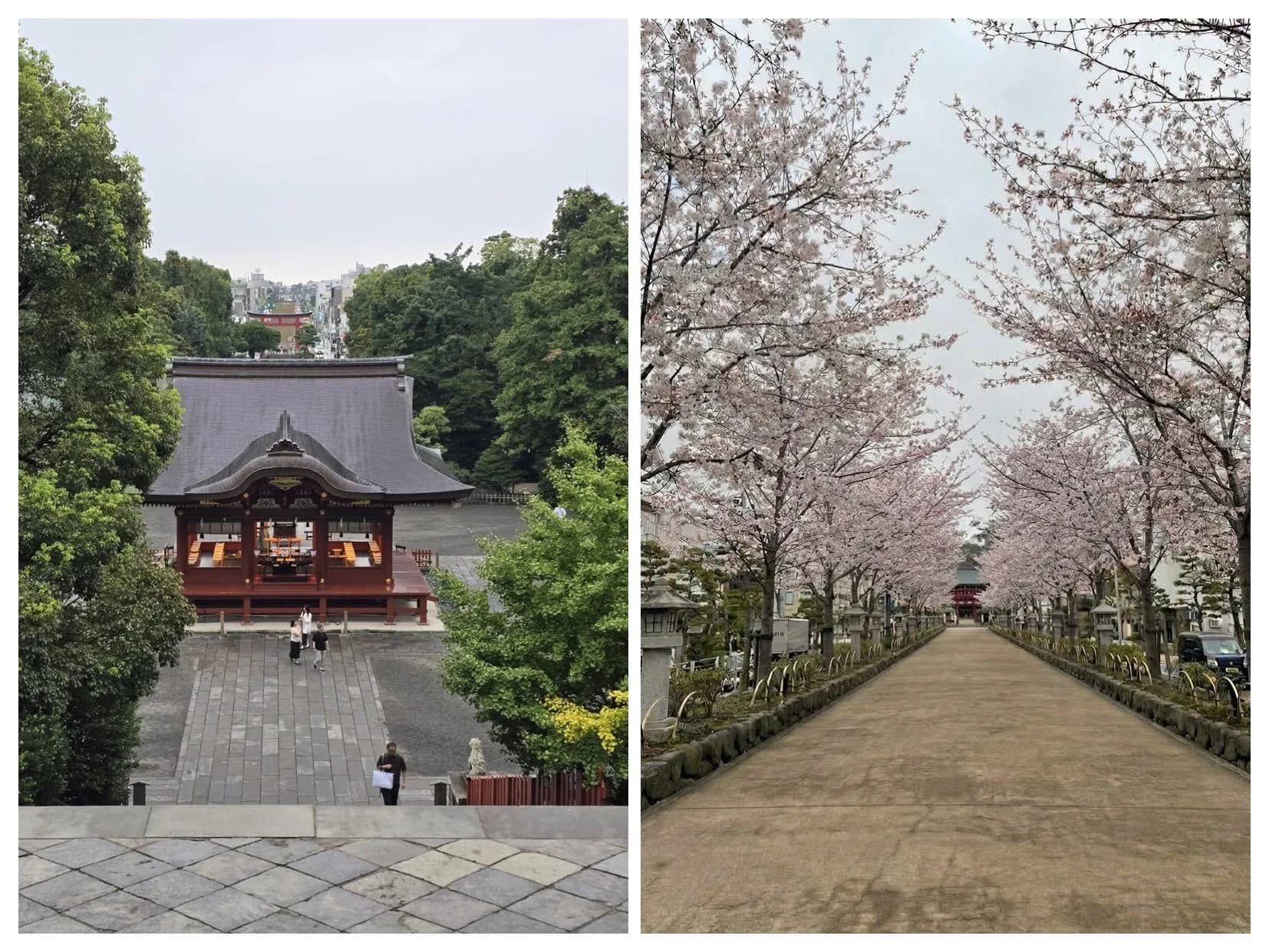
Walk through the main torii gate, pass the wide lotus ponds, and climb the grand stone staircase up to the Senior Shrine (Hongu). From the top platform, look back down the central axis: the approach cuts a straight, perfectly aligned line across Kamakura all the way toward the ocean. The grounds are free to explore, making it an ideal mid-afternoon stop before the sun begins to drop.
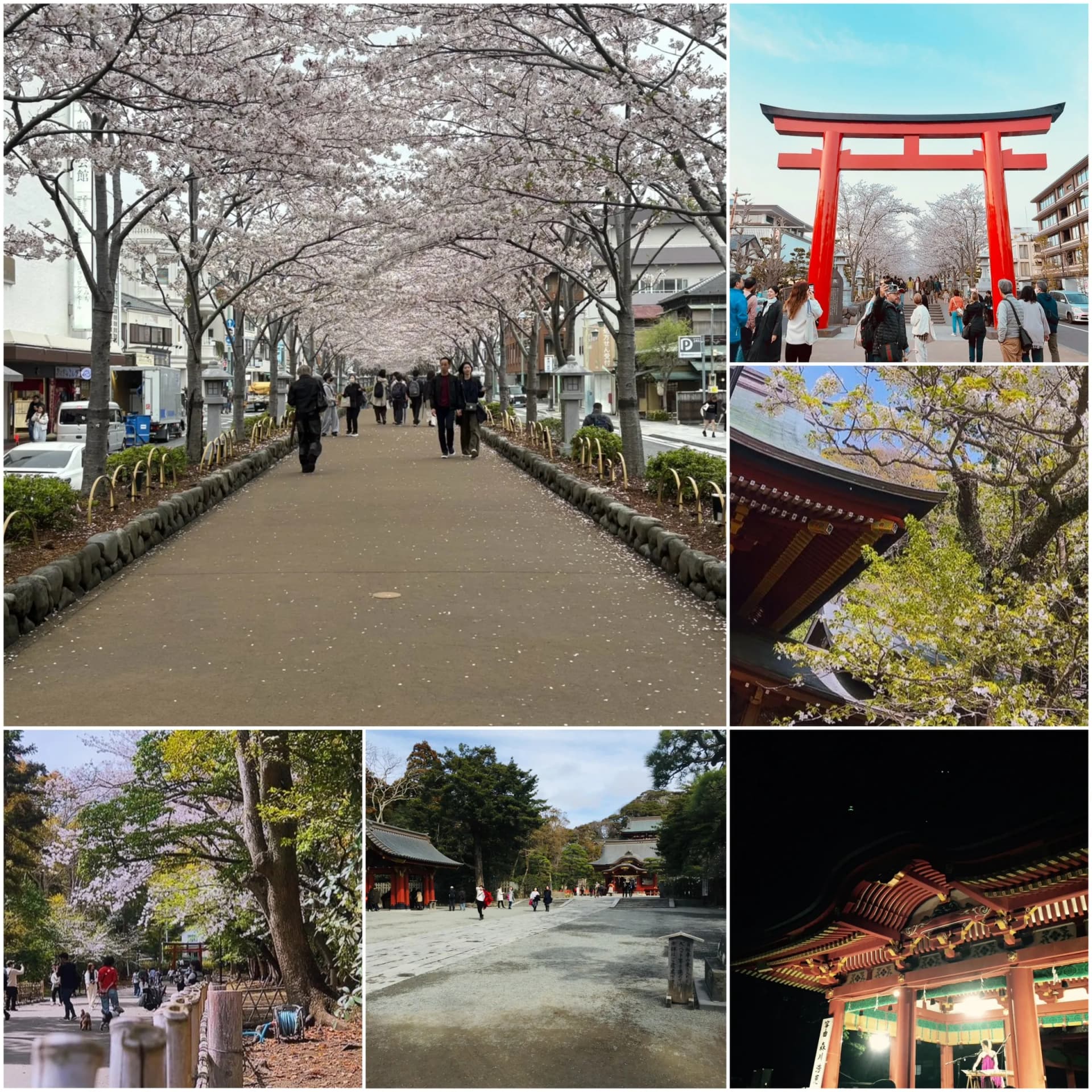
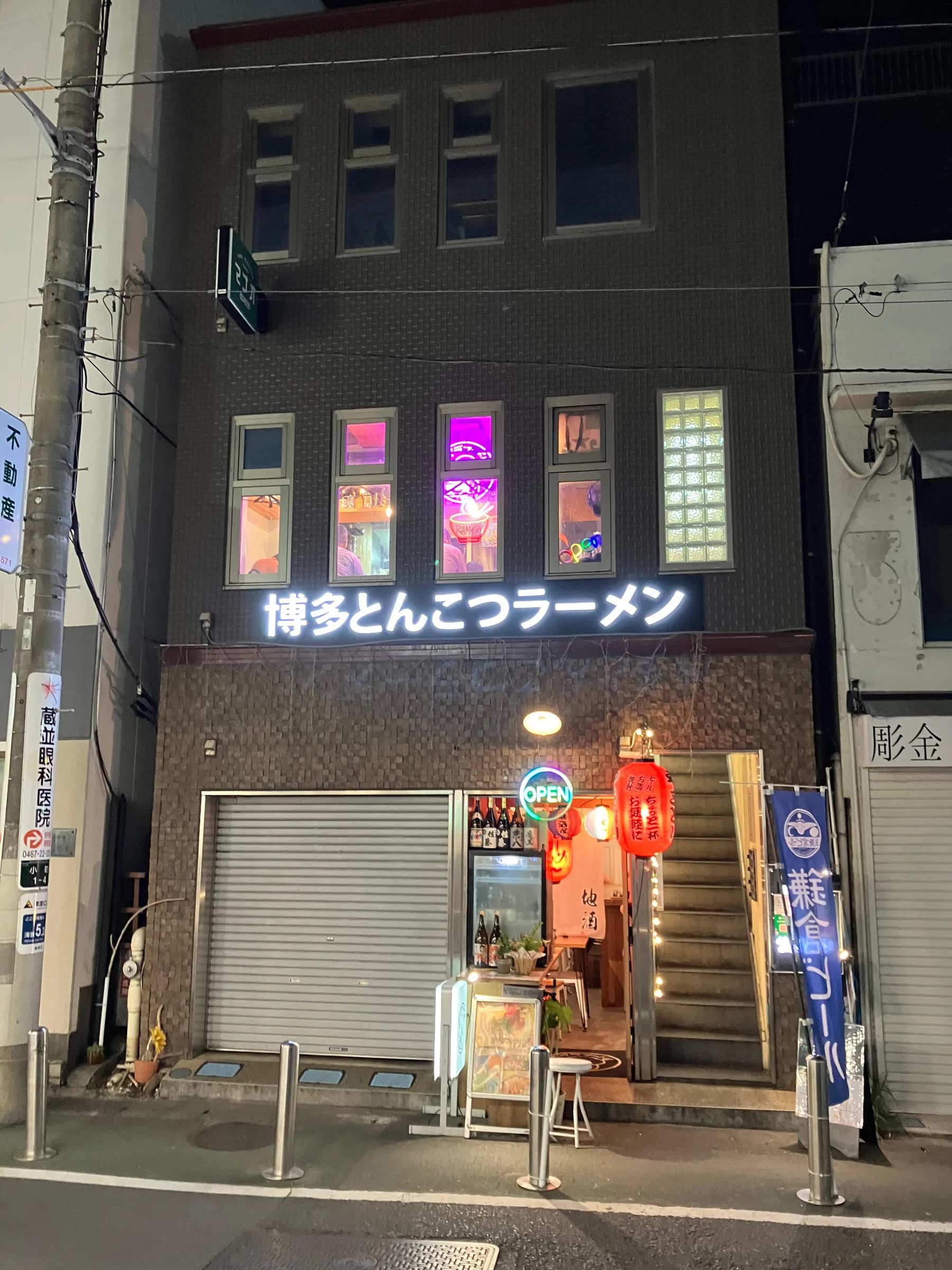
By late afternoon, the pace around Kamakura noticeably slows down. Most temples lock their outer gates between 4:30 PM and 5:00 PM, and many of the main street shops begin closing their doors for the day. This makes it the perfect time to wander the shopping district at a relaxed pace and find a spot for the evening.
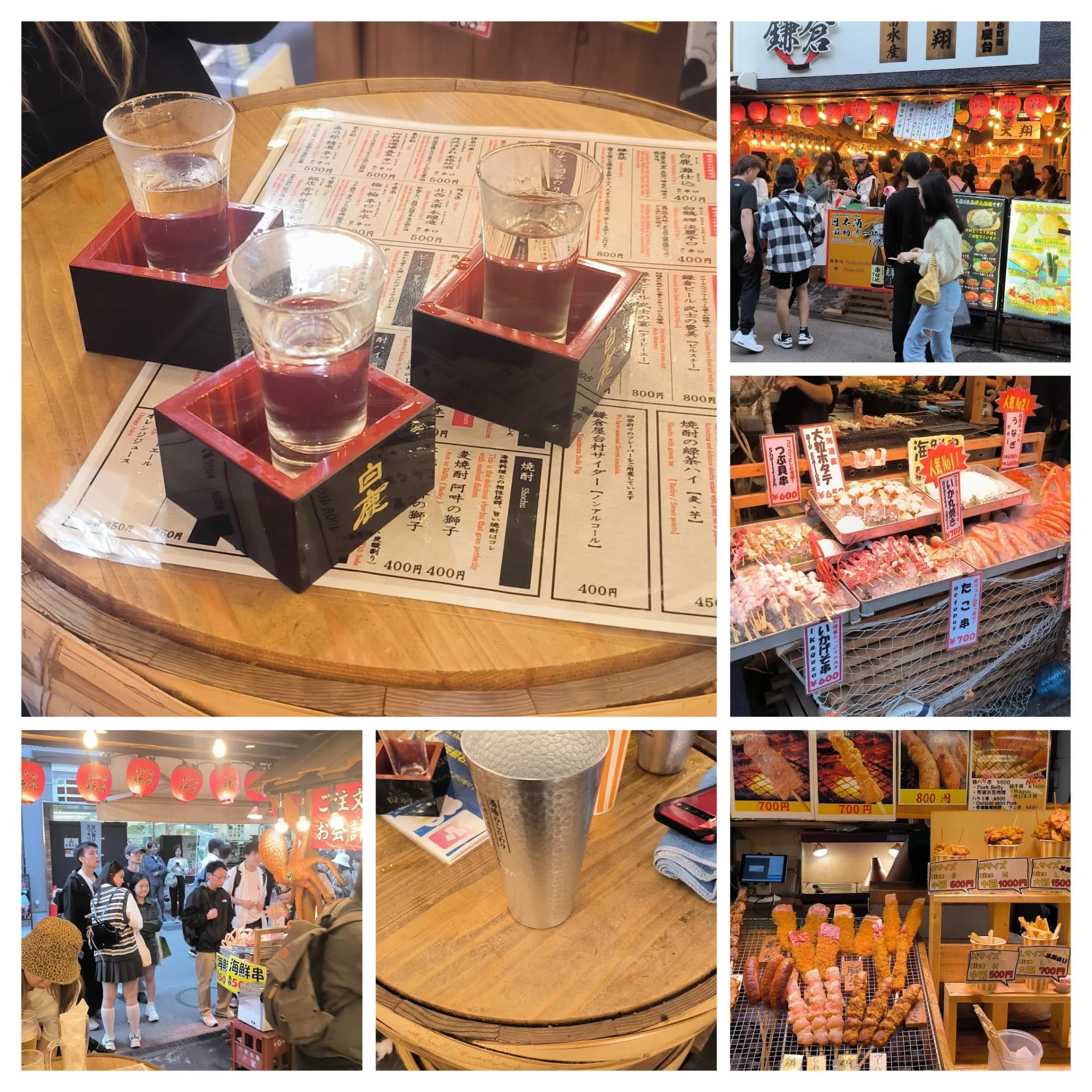
A stop at Yatai Mura
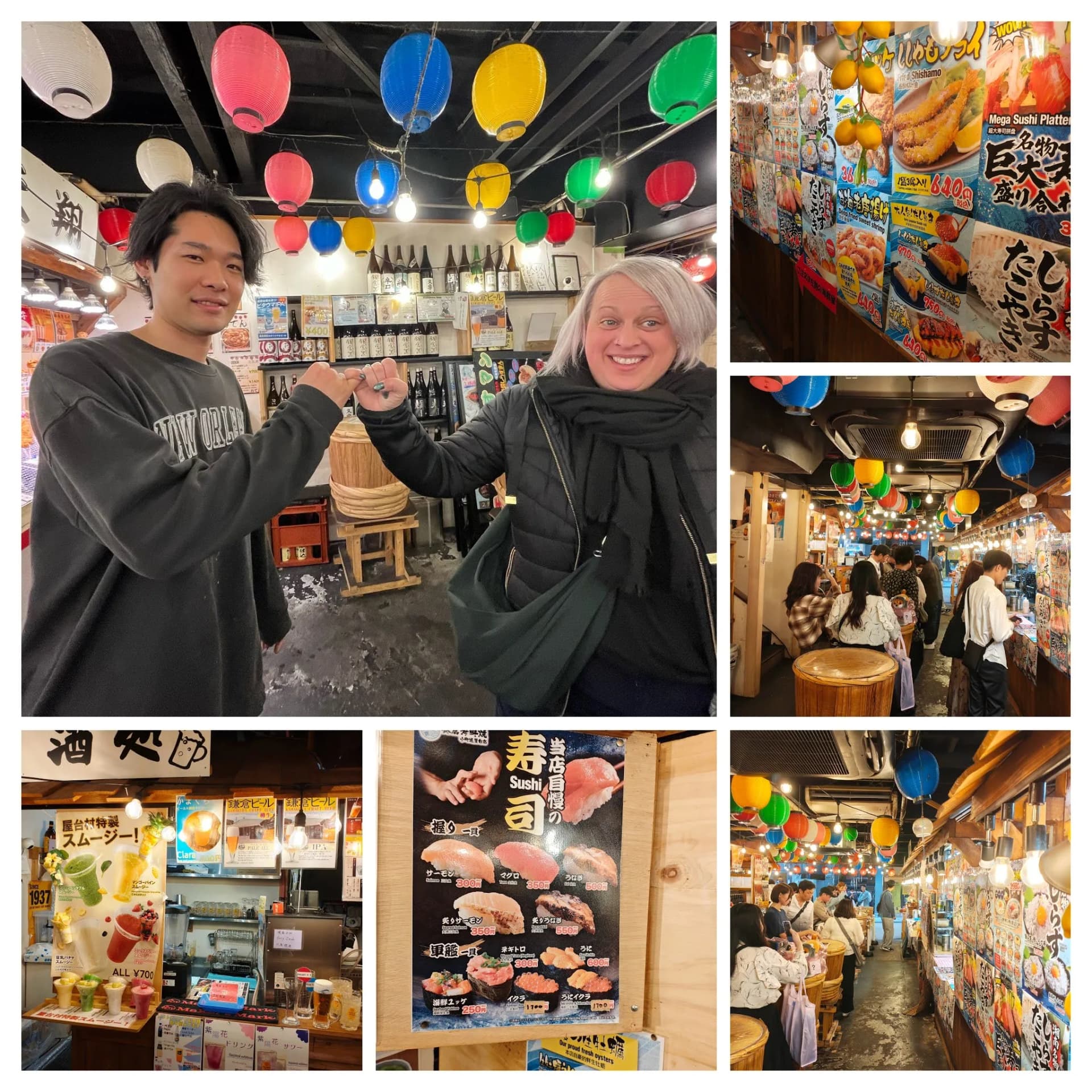
A little further down the Komachi-dori, keep an eye out for Yatai Mura. This small cluster of food stalls is great for grabbing a quick bite—skewers, local specialties, and cold drinks. The staff there is super cool: if you run into Tatsuya, the manager, he'll pour you a crisp Kamakura craft beer or recommend the perfect sake to match your tastes.
A Nightcap at Bar Ram
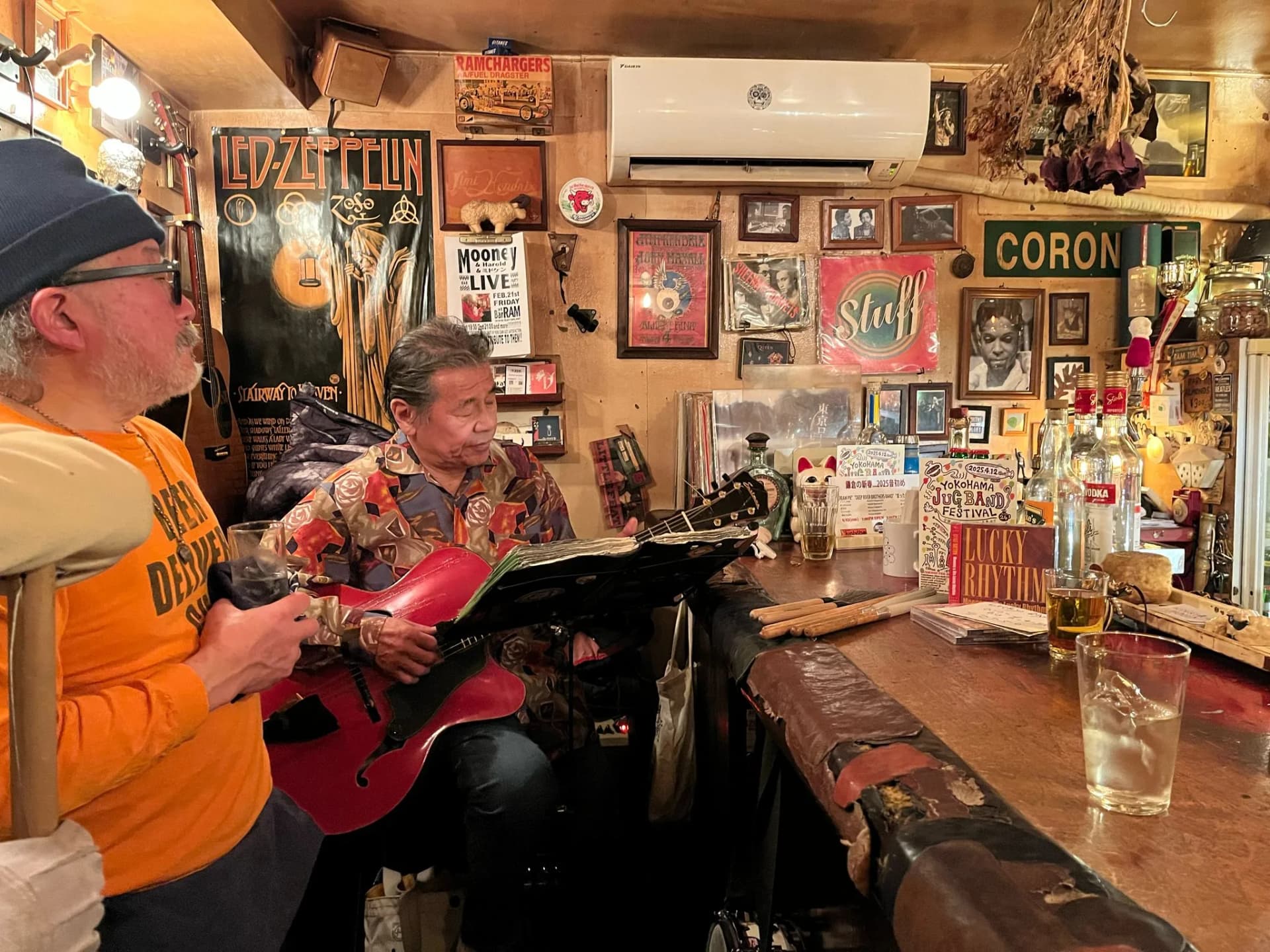
Before hopping on your evening train back to Tokyo, swing by Bar Ram, a cozy standing bar tucked inside the Katsura Koji alleyway just three minutes from the station. The owner, Ken, plays classic rock vinyl while serving up draft beer, highballs, and simple bar snacks—and if you stop by on a Friday or Saturday night, you'll often catch a live music event. It’s an easy, welcoming spot to chat with local residents and wind down your day before walking over to the platform.