Why choose a bicycle to explore Kyoto
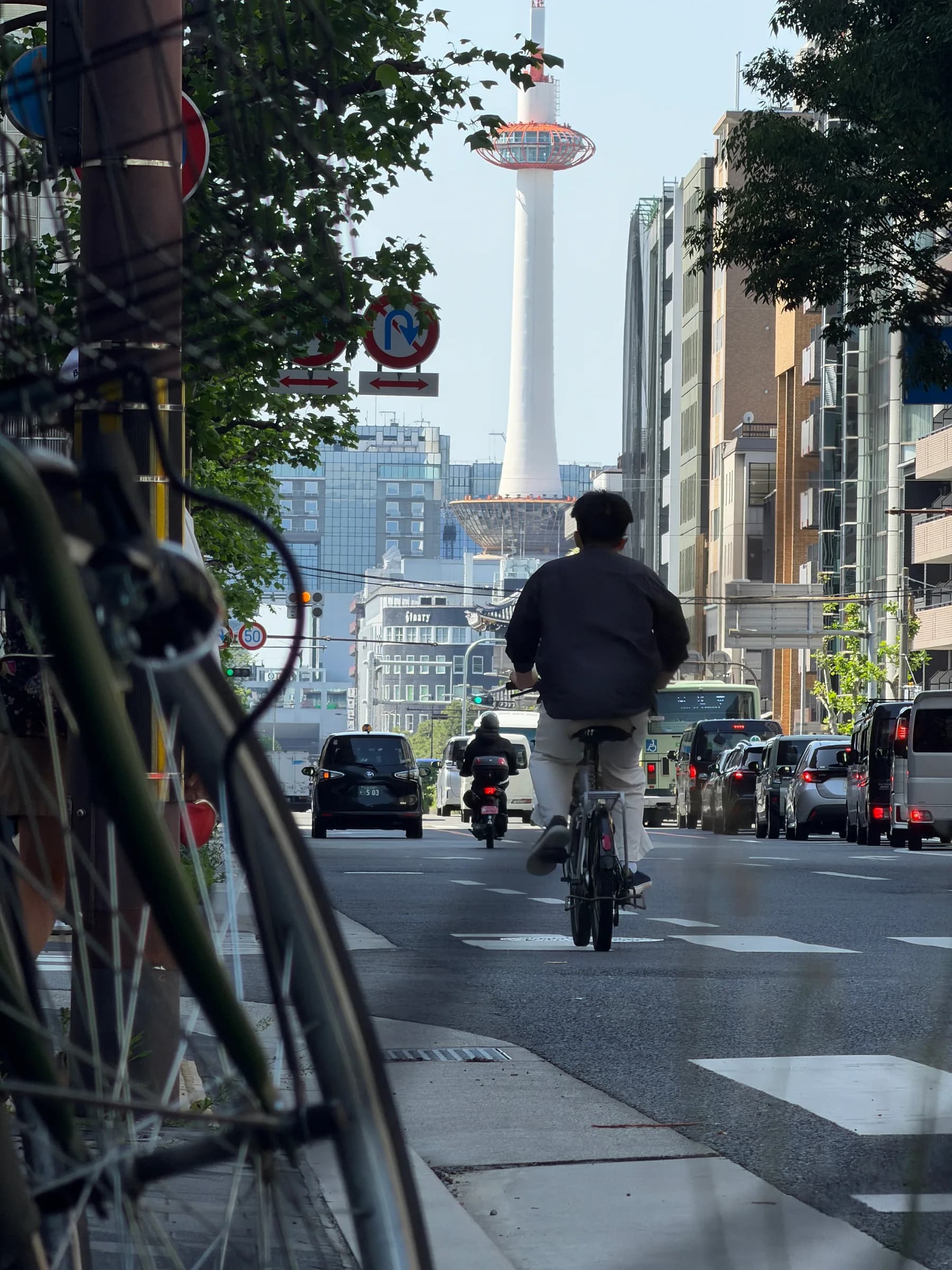
Using public transport in Kyoto can quickly become difficult. The Kyoto bus network is often packed, especially on major routes like the 205 line that lead to the main temples. Renting a bike in Kyoto is an effective option to avoid these issues. The city center is relatively flat and built on a grid layout from the Heian period, making navigation simple for all riders.
However, riding on two wheels requires following local regulations. In Japan, you must ride on the left side of the road. Kyoto bicycle rules forbid leaving your bike on sidewalks outside of authorized areas, or it will be impounded immediately. Additionally, the prefecture requires liability insurance to cover any potential property damage or personal injury.
The banks of the Kamo River, from Kamigamo to Gojo
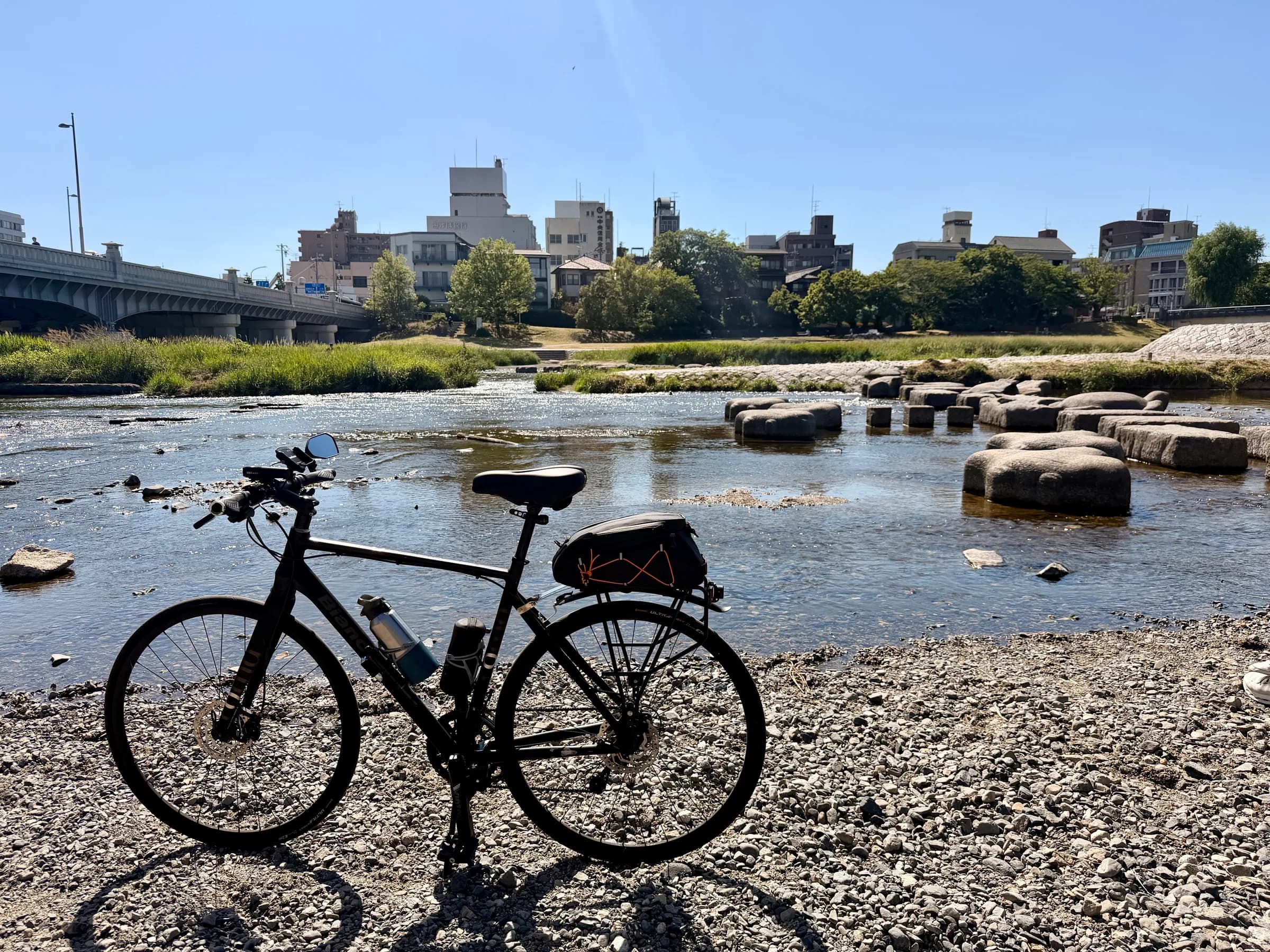
This first 9-kilometer route takes about 50 minutes of pedaling. It is a flat and easy path, great for starting your cycling journey in Kyoto. The trail follows the Kamo River on a bike path that avoids road traffic completely. You can start at Kamigamo-jinja Shrine in the north, then head south.
Along the way, you pass the tree-lined dirt path of Nakaragi-no-michi. Further down, near Demachiyanagi, you can cross the river on the famous turtle-shaped stepping stones. Late afternoon brings soft light over the water. Be careful if you decide to eat on the riverbank because black kites circle above and sometimes dive at your hands to grab food.
Okazaki and the cultural district around Heian-jingu
This cultural route forms a 4-kilometer loop that takes 1 hour and 30 minutes, including stops. The Okazaki neighborhood has wide avenues and sidewalks adapted for cyclists. You start by viewing the large red torii gate of Heian-jingu Shrine, which is visible from afar.
The path then runs along the Okazaki Canal before reaching Nanzen-ji Temple. Inside this temple, you find the red brick aqueduct built in the late nineteenth century to carry water from Lake Biwa. We recommend riding this route in the morning, between 9:00 and 11:00. Pedestrians are few at these hours, and the low morning light is excellent for taking photos.

The Philosopher's Path to Ginkaku-ji
This 3-kilometer ride has a gentle uphill slope toward the east of the city. It takes about 1 hour of relaxed riding to connect the main sites. Your primary stops are the Silver Pavilion at Ginkaku-ji and the moss temple of Honen-in. You will also visit the Eikan-do temple complex.
Be careful with local rules on this stretch. It is forbidden to ride bicycles directly on the dirt path running along the canal. You must yield to pedestrians and use the parallel paved alleys a few meters away. To enjoy the quiet in this area, plan your trip early in the morning, preferably between 8:00 and 9:00, before walkers arrive.
Arashiyama and the rural paths of Saga
Located in the west of the city, this 7-kilometer route takes about 2 hours. Its difficulty level ranges from easy to moderate. The route starts at the Togetsukyo Bridge over the Oi River, then heads toward Tenryu-ji Temple. You then ride north to Hirosawa Pond and the traditional thatched houses of Saga-Toriimoto.
Be aware that the Arashiyama bamboo forest is completely closed to bicycles. You must park your bike in a parking lot near Saga-Arashiyama Station before walking into the bamboo grove. To avoid crowds that block the paths, arrive early, ideally between 6:30 and 8:00.
Northern Higashiyama and the slopes of Rakuhoku
This 5-kilometer route is for cyclists comfortable with hills and takes about 2 hours. The path climbs toward the hills in the east and north of the city, an area known as Rakuhoku. Recommended stops include the former poets' hermitage of Shisendo, alongside Enko-ji Temple with its clear views of the city. You also pass Manshu-in Temple.
Early afternoon is the perfect time for this ride because the sun lights up the maple forest next to the temples. The climb toward Shisendo is steep. To tackle these hills without too much physical effort, we highly recommend using an electric-assist bicycle, which is available at most rental shops in the city.
Fushimi and the historic sake brewery district
This route is in the south of the city. You can ride to the district directly from the center for a 12-kilometer trip, or do a local 4-kilometer loop once you arrive. The terrain is flat and easy to navigate. Major stops include the Gekkeikan Okura Sake Museum and the willow-lined Horikawa Canal. You can also visit the Shiragikusui fresh water spring.
The window between 11:00 and 14:00 is perfect for combining this ride with lunch at a local brewery. Keep in mind that Japanese law has a strict zero-tolerance policy for drinking and riding. If you participate in a sake tasting, you must push your bicycle on foot for the rest of your trip.
The climb to Kurama and Kibune
This 15-kilometer one-way route is for experienced cyclists. Expect 3 to 4 hours to climb from central Kyoto to the northern mountain valley. The route stops at Kibuneguchi Station, climbs to Kifune-jinja Shrine with its red lanterns, and ends at Kurama-dera Temple.
A summer morning is the ideal time to ride this route. The mountain valley has a cool microclimate that offers an escape from the heat of the Kyoto basin. To complete this difficult ride, you must use a high-quality road bike or a powerful electric model.
Why take a guided bicycle tour with Kimasu
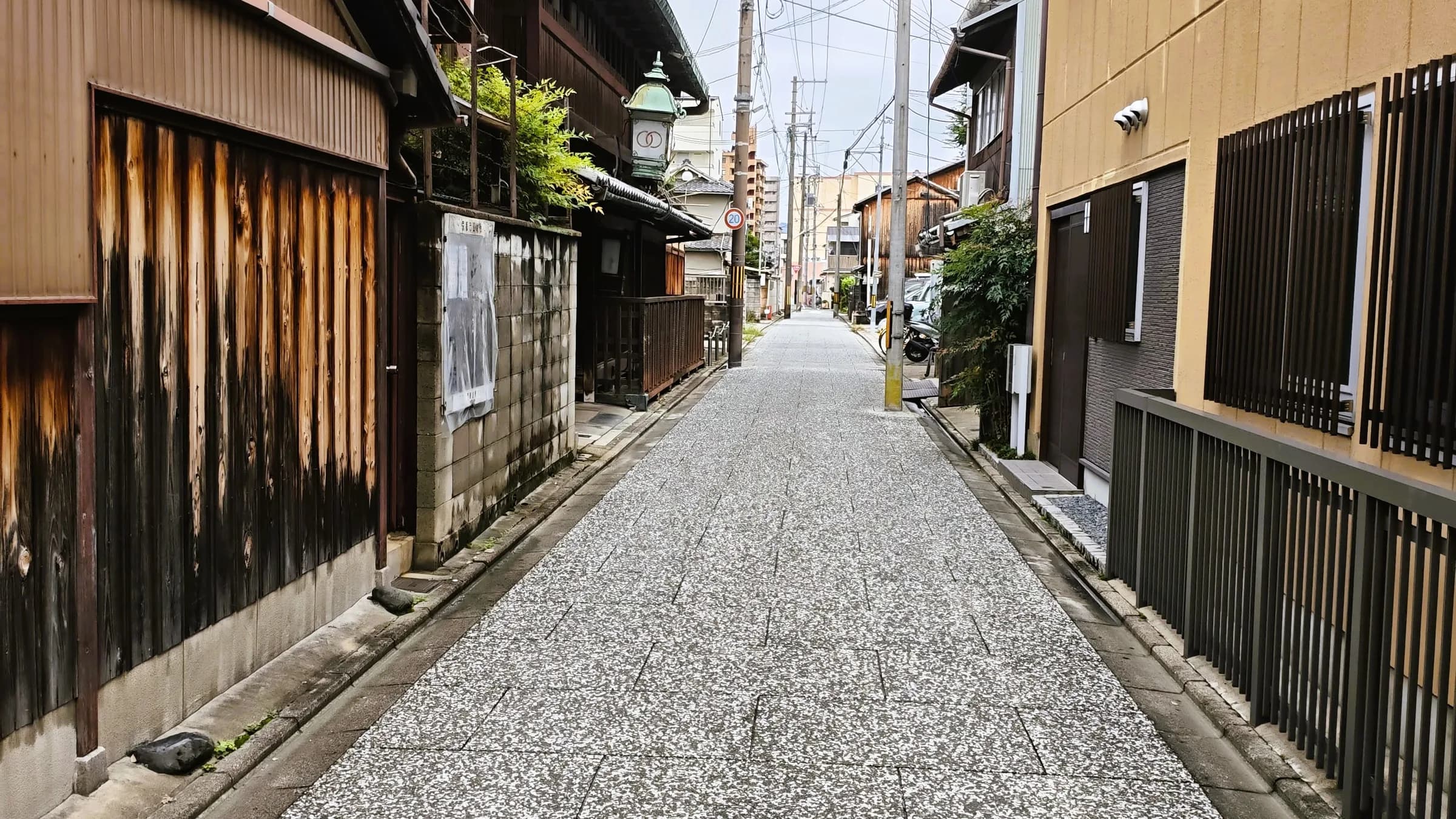
Following cycling routes in Kyoto requires constant logistics related to traffic directions and pedestrian zones. Booking a guide from Kimasu frees you from these technical challenges. You can ride calmly on the left without having to check a screen to find your way at intersections.
Our team also finds authorized bicycle parking lots and pays the parking fees for you, removing any risk of impoundment. We select quiet residential backstreets rather than busy main roads. Kimasu provides well-maintained bicycles suited for the terrain, while our guides share clear historical background at each stop.