Take the subway and bus with your phone: a guide to IC cards
When you arrive in Kyoto, do not waste your time queuing at station ticket windows. The easiest way is to set up a digital transit card (called an IC card here) directly on your phone before you even land in Japan.
ICOCA, the regional card
It’s the Kansai IC card. It works everywhere: Kyoto’s subway, city buses, and the regional trains to Osaka or Nara. Just tap your physical card or your mobile version, if you’ve installed it on your phone, at the gate.
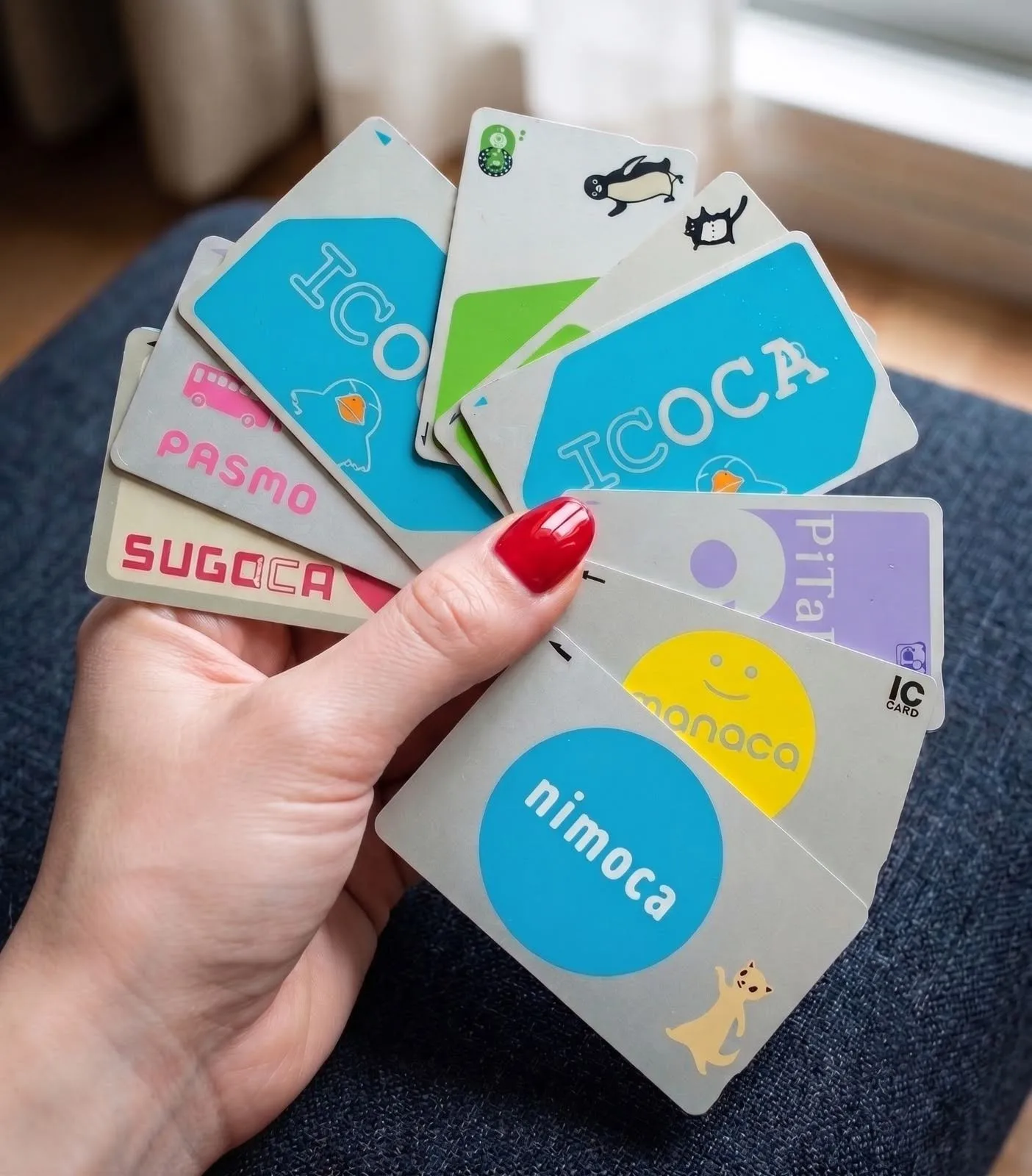
On an iPhone, it takes two minutes. Open the Apple Wallet app, tap the plus sign, choose a transit card, and search for ICOCA or Suica. Activation is free, meaning you skip the ¥500 deposit for a plastic card, and you can top up immediately with Apple Pay. Note that some foreign Visa cards sometimes block direct top-ups in the app; use a Mastercard or Amex if you run into issues.
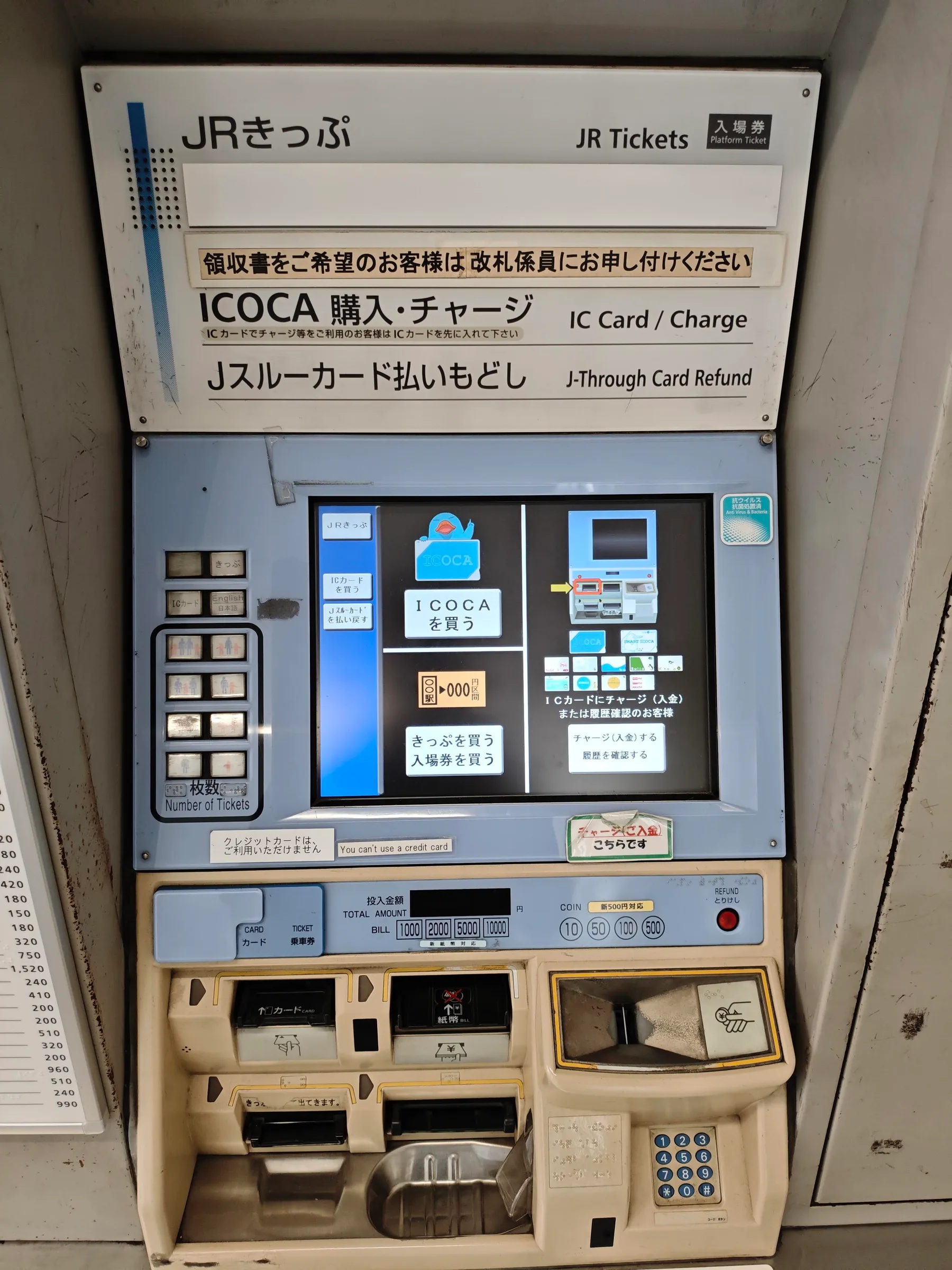
If you use an Android phone bought outside Japan, the NFC chip is not compatible with the Japanese system (Osaifu-Keitai). You will need to buy a physical plastic card at Kyoto Station. It costs ¥2000, which includes a ¥500 deposit and ¥1500 of starting credit. To recharge it, use the station ticket machines or visit a convenience store like Lawson or 7-Eleven. At 7-Eleven, the ATMs are very convenient for adding cash credit quickly without any hassle.
An option for travelers: the Kansai One Pass
This is a standard ICOCA card featuring Astro Boy artwork, designed for foreign tourists. You can buy it by showing your passport at the JR ticket windows at Kansai Airport or Kyoto Station.
It gives you small discounts at some local temples and shops. It never expires, so you can keep it as a souvenir or lend it to friends visiting Japan later.
Kyoto buses: ride light, travel bright
Leave your large bags at the hotel
Buses heading toward Gion or Kiyomizu-dera are packed from morning to night. Boarding these with a large suitcase is stressful for you and frustrates the locals. To reach your hotel on your first day, take the subway or a taxi instead. The service is cheap and highly reliable; your bags arrive directly at your next stop.
How does it actually work?
This is one of the classic mistakes visitors make during their first few days.
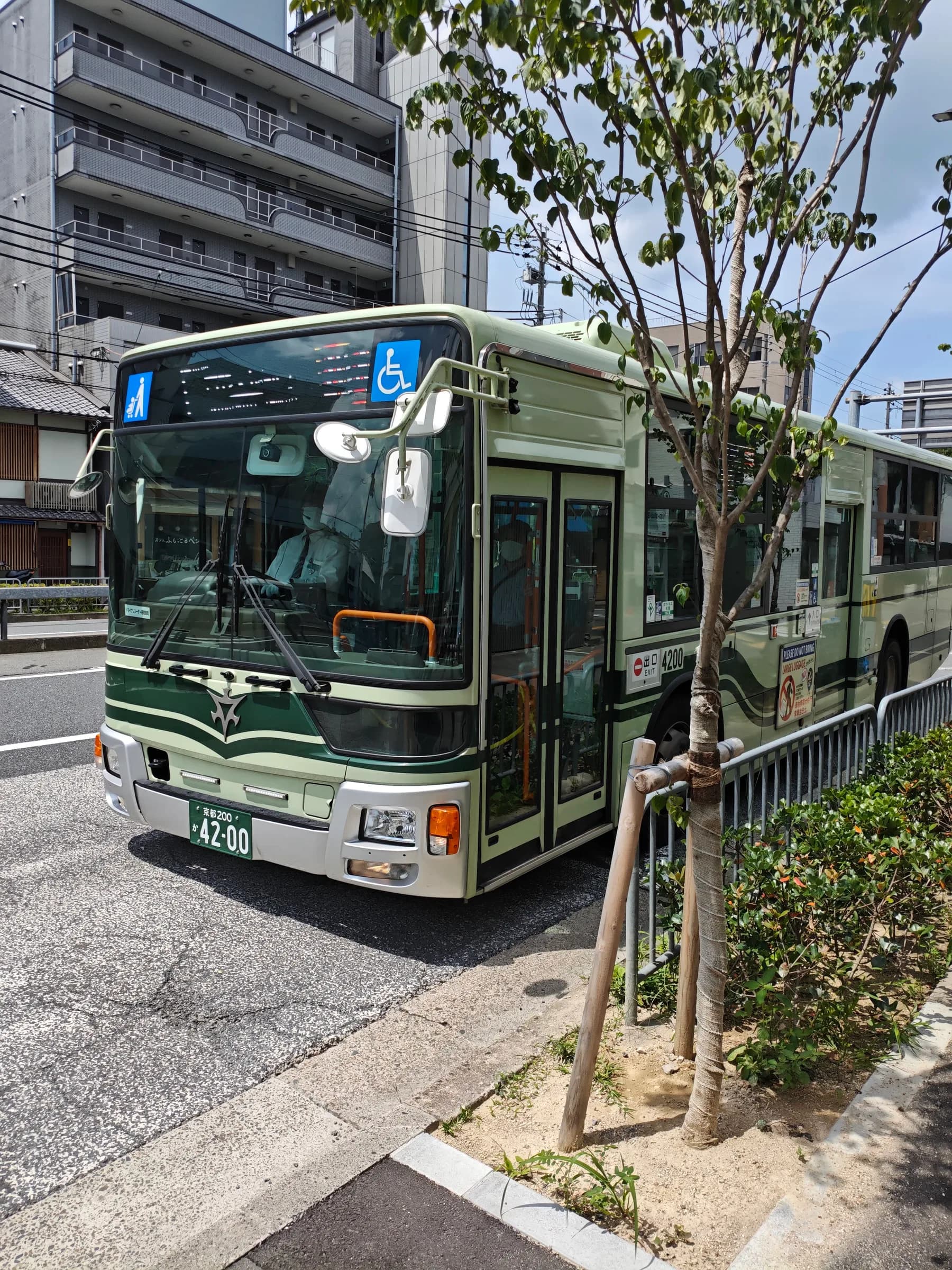
In Kyoto, you board most city buses through the rear door and get off through the front. You only pay when you exit, using the fare machine next to the driver. Simply tap your IC card or insert your coins into the machine.
The fare is a flat ¥230 for trips within central Kyoto. Forget about the one-day bus pass—the city discontinued it to encourage travelers to use the subway instead of overcrowding the buses. The combined subway and bus pass is still available for ¥1,100, but it's rarely worth buying for everyday sightseeing.
Here's how a typical bus ride works.
Board through the rear door. If you're taking a flat-fare city bus (which is the case for most routes in central Kyoto), you don't need to do anything when you get on. If you're taking a distance-based bus (such as Keihan or JR) tap your IC card as you board to register where your journey starts.
Keep an eye on the display above the driver. Upcoming stops are shown in English, and they're also announced over the speakers. Press one of the blue or red stop buttons as soon as you hear your stop announced.
When the bus comes to a complete stop (it's considered proper etiquette—and a safety rule—to stay seated until then), walk calmly to the front. Tap your IC card on the yellow reader and step off. If you're paying with cash and don't have the exact fare, use the change machine built into the fare box before paying.

Hop the local rail, and never fail
Trains in Japan are incredibly punctual, but the network can feel intimidating at first with all the different private companies and massive hubs like Kyoto Station. Once you understand how it works, it is very straightforward.
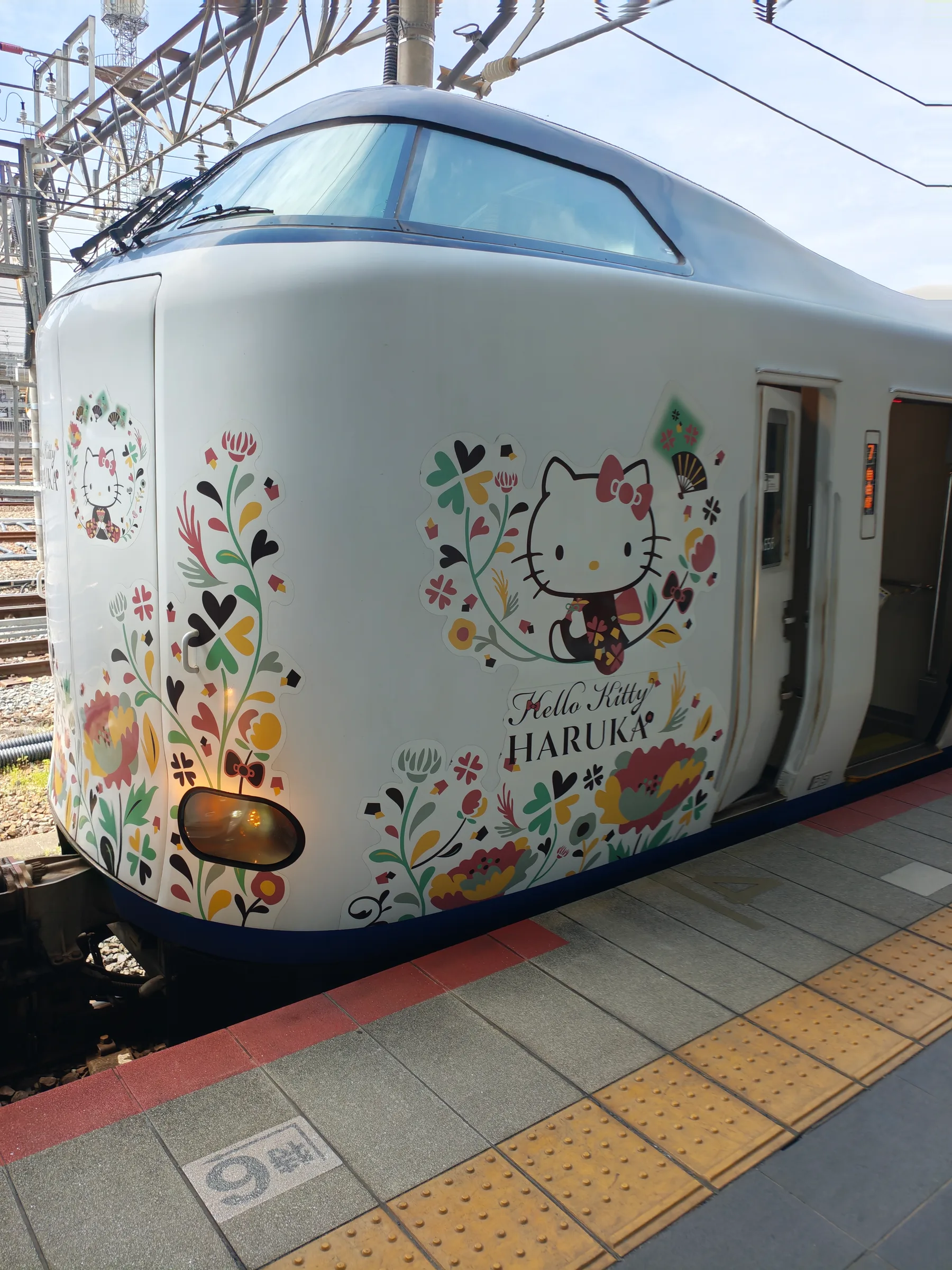
There is the national network (JR), alongside highly useful private lines like Hankyu (for Osaka or Arashiyama) and Kintetsu (perfect for Nara). The good news is that your IC card works across all of these networks.
Here are a few simple tips to keep you on the right platform.
1. Find the right rail company
At Kyoto Station, the signs are clear but massive. Follow the color-coded logos: green for JR, blue for Kintetsu, or go downstairs for the municipal subway. If you are headed to Osaka, compare the JR and Hankyu lines because they depart from different areas and arrive in different neighborhoods.
2. Choose the right train type
Several trains with different speeds can pull up to the exact same platform.
Local trains stop at every station and are slow. Rapid or Express trains skip stations to save time, with no extra fee. Limited Express trains are the fastest but require an extra special-express ticket. If you travel to Nara, the Rapid on the JR line is your best choice.
With your phone IC card, you can board Local, Rapid, and Express trains. Skip the paper ticket and just tap through the gate.
3. Pass through the ticket gates
Tap your IC card on the blue glowing reader at the gate, your balance displays, and
the barrier opens. If you must buy a paper ticket, the machines have an English option; check the fare to your destination on the large map above the machines before paying.
4. Locate your platform
Platform numbers are clearly marked. On the ground, you will see painted markings showing where the doors stop. Locals queue neatly behind these lines. Do the same while waiting for your train.
Trains leave exactly on the second. If the schedule says 10:14, the doors close at 10:14, not a second later.
5. During the ride
Onboard announcements and digital screens are translated into English. Remember to switch your phone to silent mode, which is the golden rule here to avoid disturbing other passengers.
6. Exiting the station
Tap your IC card again at the exit to pay the exact fare. If you used a paper ticket, insert it into the slot; the machine keeps it, which is normal.
Avoid peak rush hour
Between 7:30 and 9:00 in the morning, commuter trains between Kyoto and Osaka are packed with office workers and students. If you carry large bags, avoid this window entirely. Travel after 9:30AM instead to secure a seat and a quiet ride.
When a taxi is the way to go in Kyoto
If you travel with three or four people, a taxi is often a great deal. For a short city trip, it does not cost much more than multiple individual bus fares, and it saves you from walking in hot weather or rain.
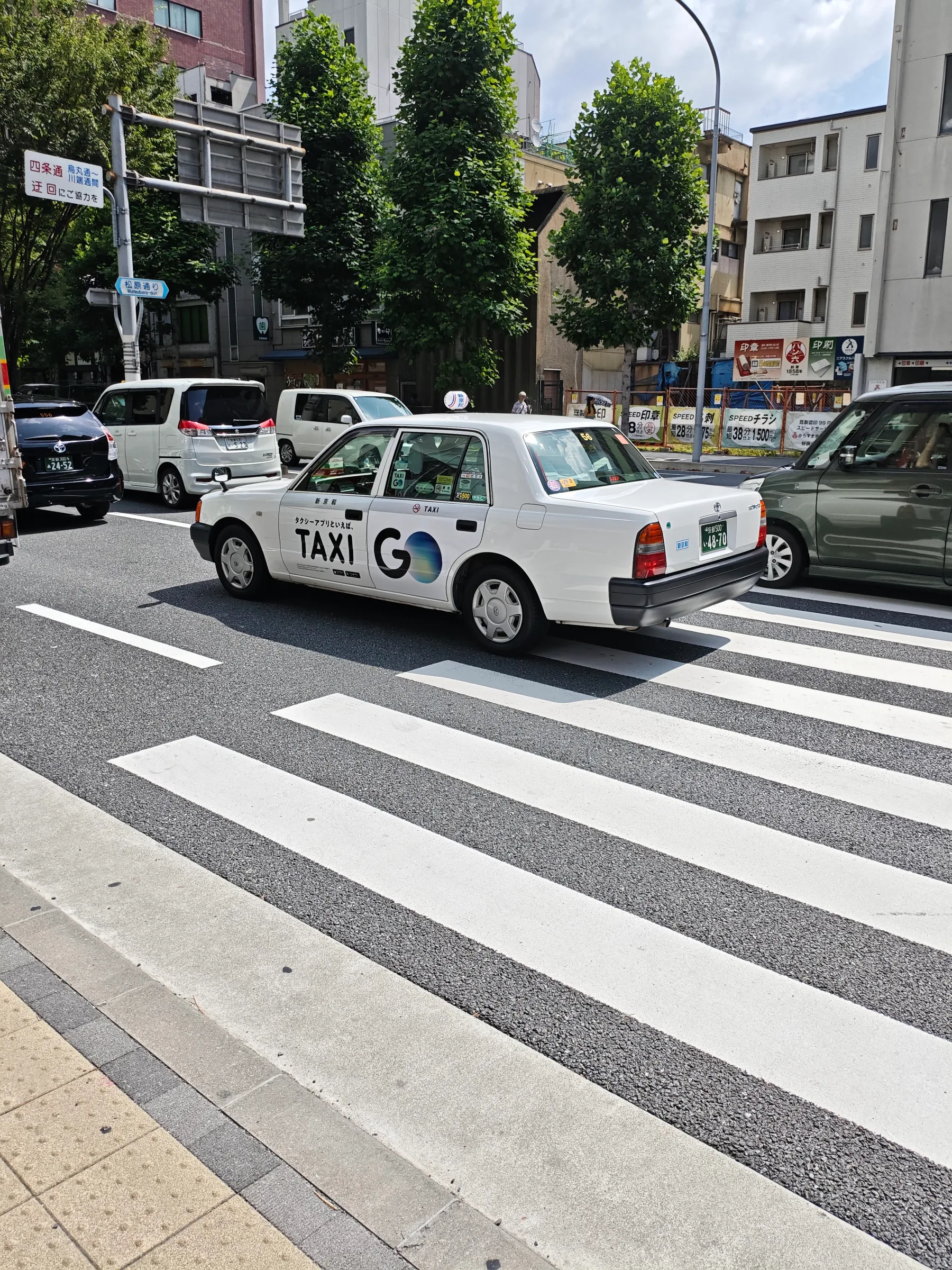
The starting fare is usually around ¥500 for the first 1.2 kilometers.
There are two important things to remember. First, never try to open the rear passenger door yourself: the driver operates it automatically from the driver's seat. Second, always keep your destination's address written in Japanese on your phone. Kyoto's taxi drivers are often wonderfully friendly retirees, but most don't speak English and may have difficulty reading the Roman alphabet on a phone screen.
Taxis are a great option for reaching temples that are a little farther out, such as Kinkaku-ji (the Golden Pavilion), or for climbing the steep streets of Higashiyama without wearing yourself out first thing in the morning.
Is the nationwide JR Pass still worth it?
Let us be clear: since the massive price hike in October 2023, this pass is almost never worth the money. For nearly all the travelers we guide here, buying individual Shinkansen tickets is the smarter move.
A 7-day pass now costs ¥50,000. In comparison, a round-trip from Tokyo to Kyoto on the Shinkansen costs about ¥28,340. If you only make that round-trip during your trip, you waste over ¥21,000 by buying the pass. The math is simple.
Also, buying individual tickets lets you ride the Nozomi, the fastest Shinkansen that makes the trip in 2 hours and 15 minutes. With the basic JR Pass, you must take slower trains or pay a hefty surcharge to board a Nozomi.
Our guiding tip for avoiding traffic jams
Kamo River by bike, just the way we like
At Kimasu, we run several cycling tours, so we know Kyoto traffic well. Our trick to cross the city from north to south without hitting a single red light is to drop down to the path along the Kamo River. It is flat, has no cars, and lets you ride quietly by the water.
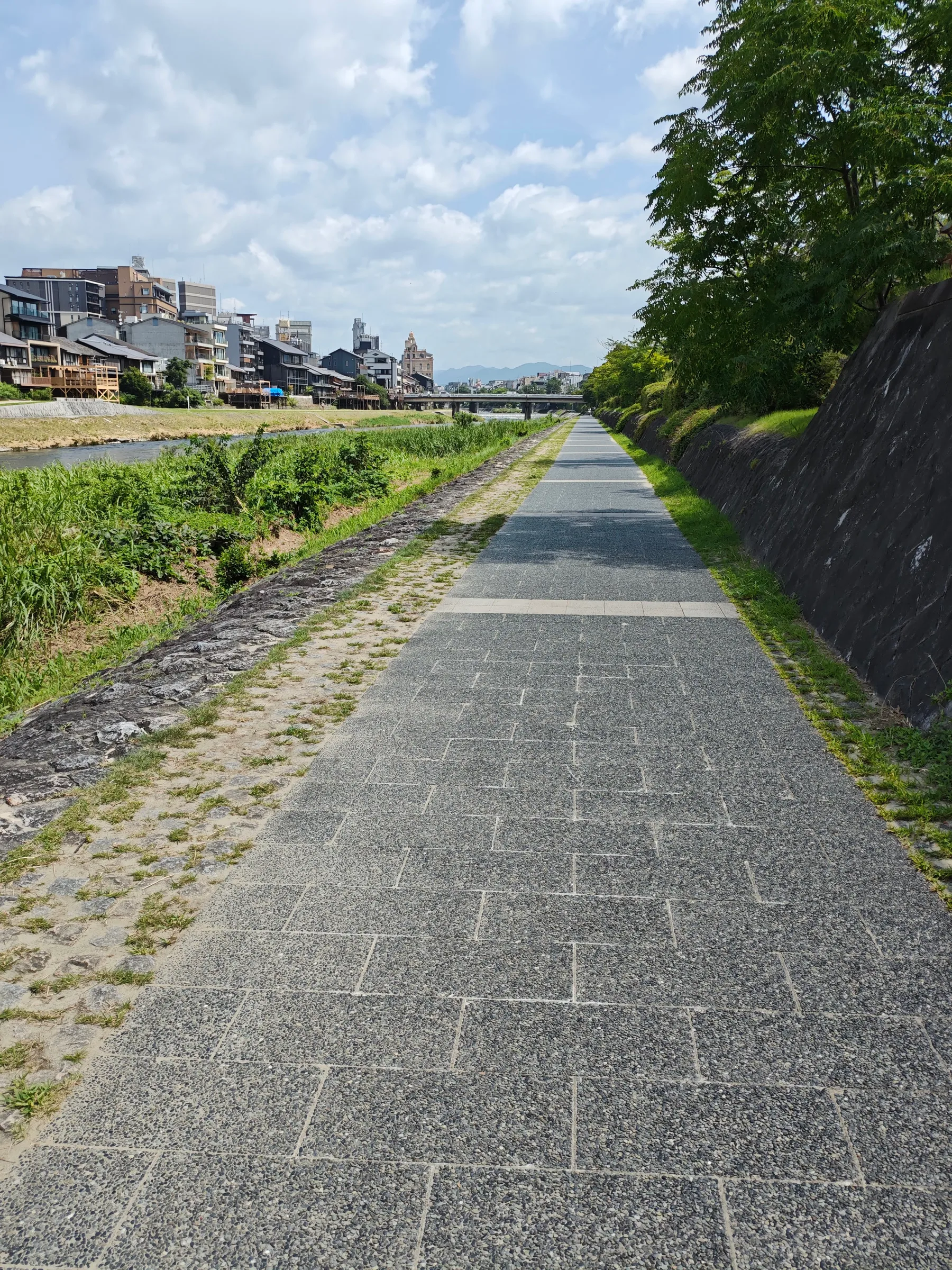
During rush hour, the number 17 or 205 city buses get stuck in traffic and can take an hour to go from Kyoto Station to Ginkaku-ji (the Silver Pavilion). On a bike along the Kamo River banks, you can cover that distance in 25 minutes flat, with zero stress.
Watch where you park, though. Kyoto police are strict and confiscate any bicycles left on the sidewalks. Look for official bicycle parking lots (churinjo), which usually cost ¥150 to ¥200 for the day. If your bike gets impounded, you must travel to a suburban lot and pay a ¥3500 fine to retrieve it.