How many days do you need in Osaka?
Often referred to as "Japan's Kitchen," Osaka has spent centuries carving out a identity distinct from its aristocratic neighbor, Kyoto. From its origins as a bustling Edo-period merchant hub trading rice across the nation to its modern status as Japan’s dynamic street-food capital, the city thrives on commercial grit, rich culinary traditions, and an infectious, outgoing warmth. Today, as its economic weight and regional influence continue to expand, Osaka is even at the forefront of national discussions regarding a "dual capital" system (Futo-Koso) positioning it to serve as a designated secondary capital and administrative backup to Tokyo. Whether you are coming to soak in its deep historical roots or experience its neon-lit metropolis, here is how to frame your trip:
Two days give you enough time to see the main spots and feel the city energy. Adding a third day lets you explore the south at an easier pace, taking in the retro district of Shinsekai or the ancient temple of Shitennoji without rushing. Osaka connects to Kyoto in 30 minutes on the JR Special Rapid for 570 yen, so you can easily visit on day trips without changing hotels.

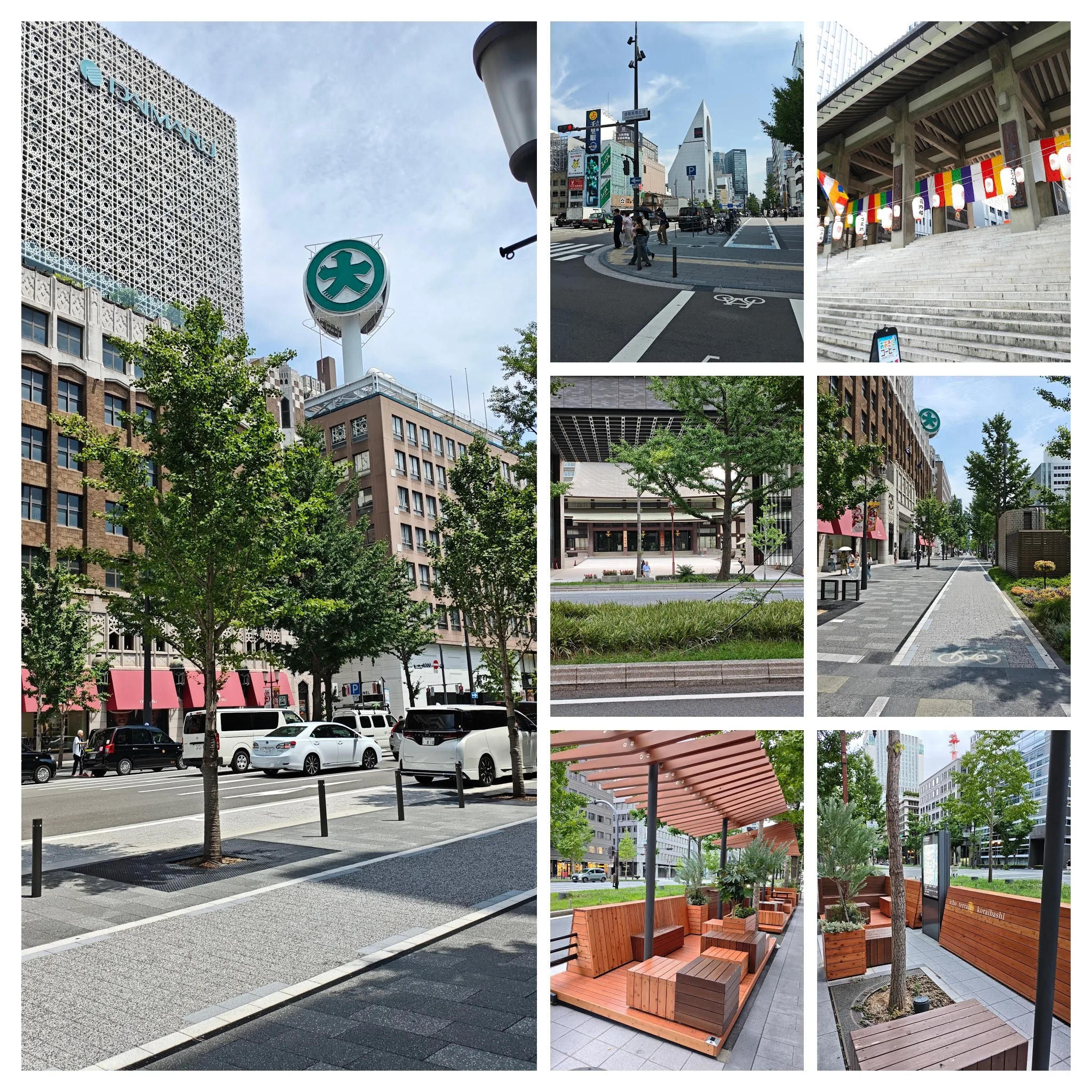
Midosuji Avenue, the architectural spine of Osaka
Midosuji Avenue stretches 4 kilometers between Umeda Station and Namba. As the main artery of the city, this avenue has over 800 ginkgo trees and connects the northern skyscrapers directly to the southern shopping districts. Architecturally, Midosuji shows the city growth over time. You can see classic historic facades, like the Daimaru Shinsaibashi department store designed by William Merrell Vories in 1933. You also pass the large Kita Mido and Minami Mido temples of the Honganji tradition, which gave the avenue its name, since Midosuji means Avenue of the Mido Temples. Their heavy gates stand right among modern high-rises.
We love riding at Kimasu so in order to enjoy the avenue without the usual crowds, we recommend renting a bike early in the morning using the Docomo Osaka Bike Share app or a LUUP dock. Riding down Midosuji at dawn gives you a quiet moment in a city known for its constant activity.
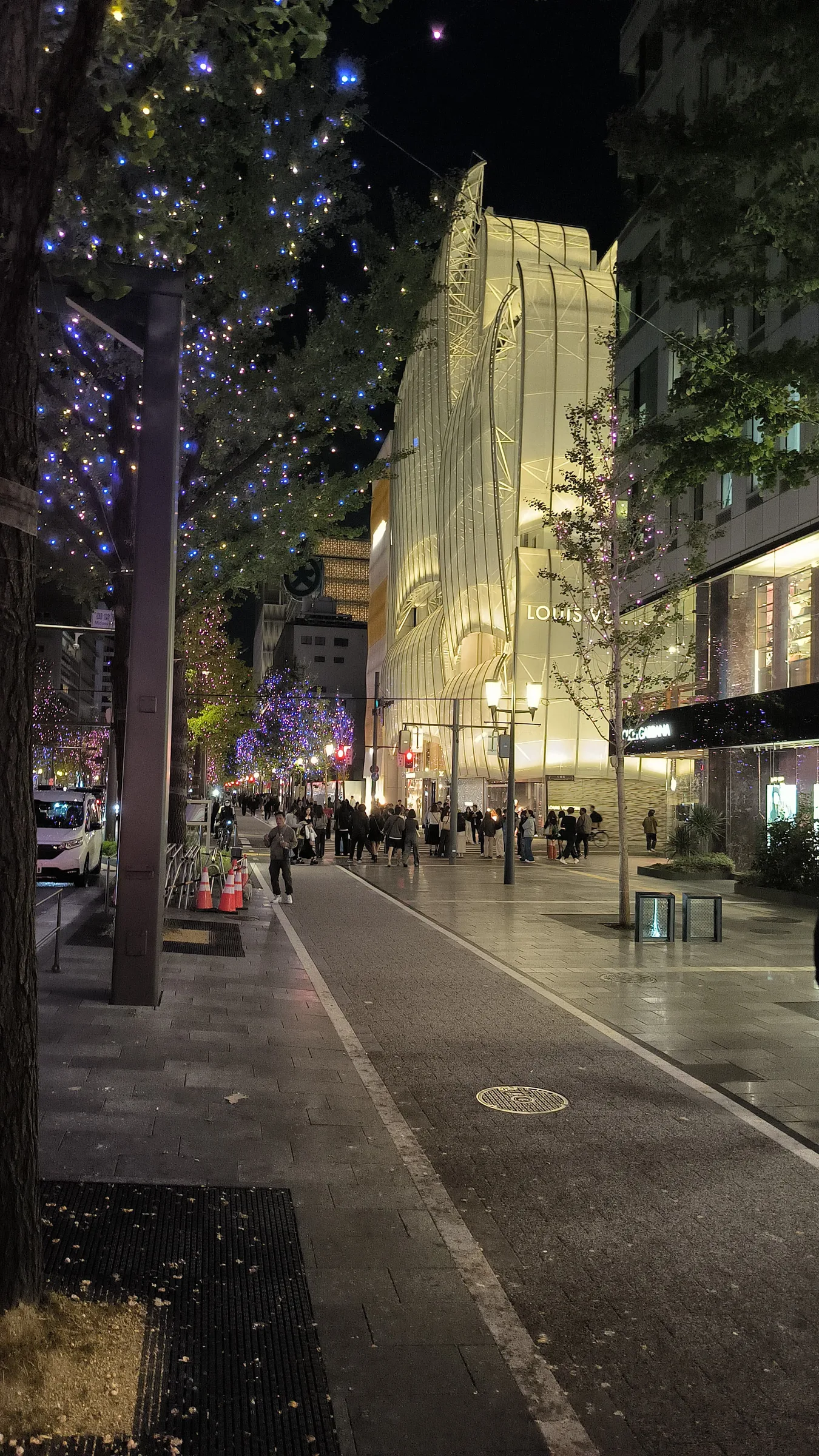
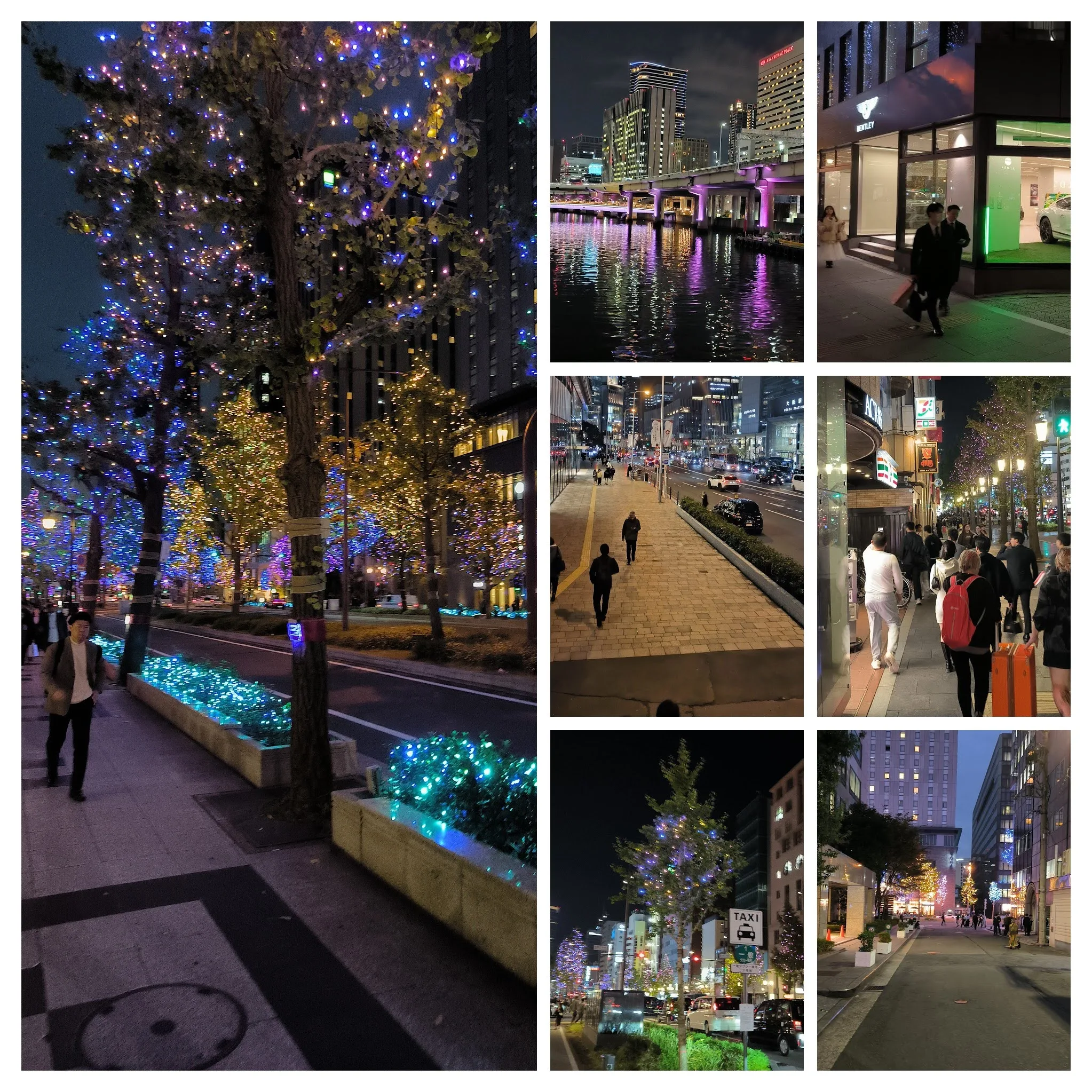
Midosuji Avenue comes alive throughout the seasons, but it reaches a spectacular dimension from mid-November through late December when its 800 ginkgo trees illuminate over more than four kilometers. This magical light display earned it a spot in the Guinness World Records as the longest illuminated boulevard in the world, transforming the walk between Kita and Minami into a majestic evening stroll framed by high-end storefronts and modern architecture.
Day 1: exploring the north from skyscrapers to backstreets
The Kita area centers on Umeda Station. For your first day, a natural loop starts with a morning walk through Nakazakicho and finishes at the top of the Umeda Sky Building.
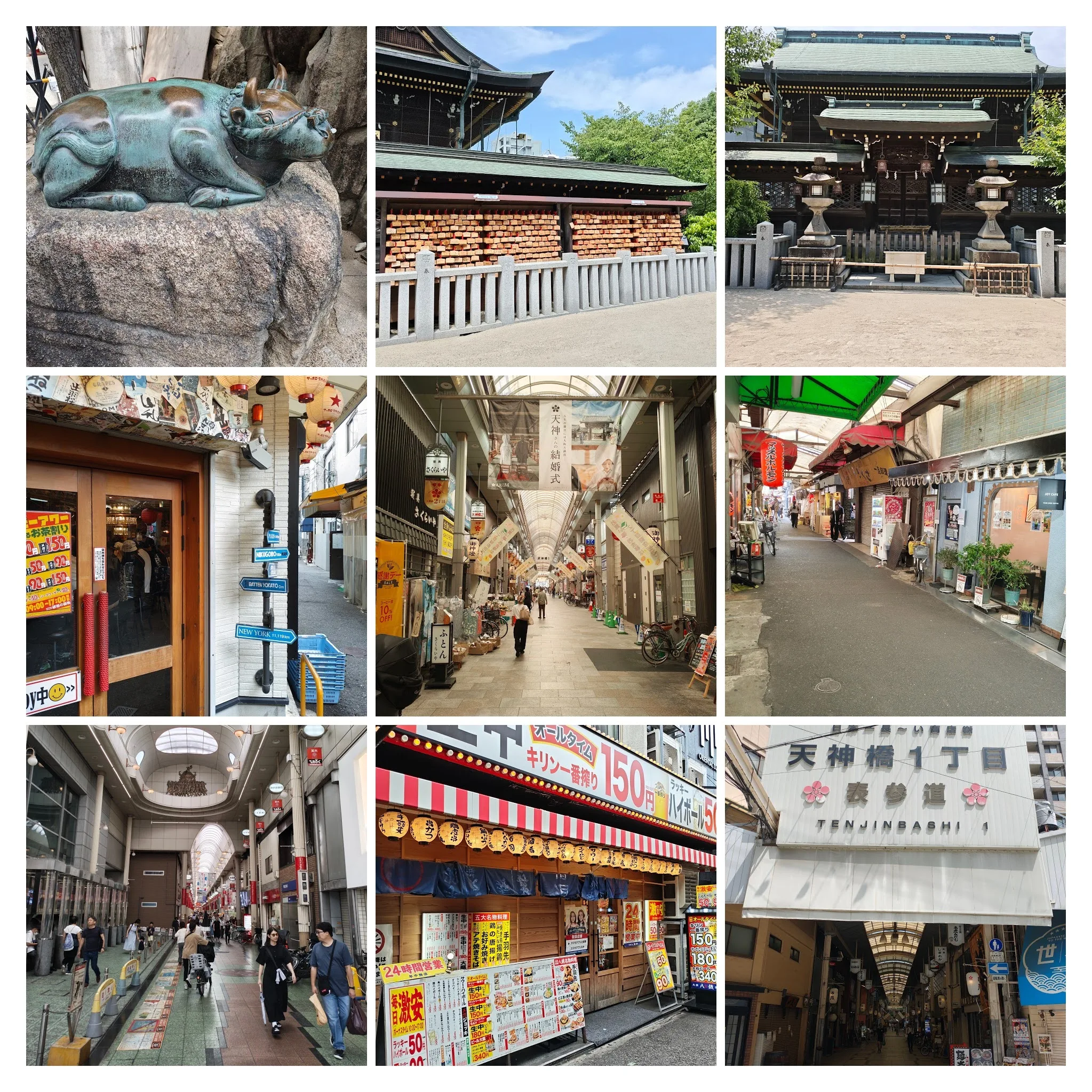
Nakazakicho, Tenjinbashisuji, and Tenmangu Shrine
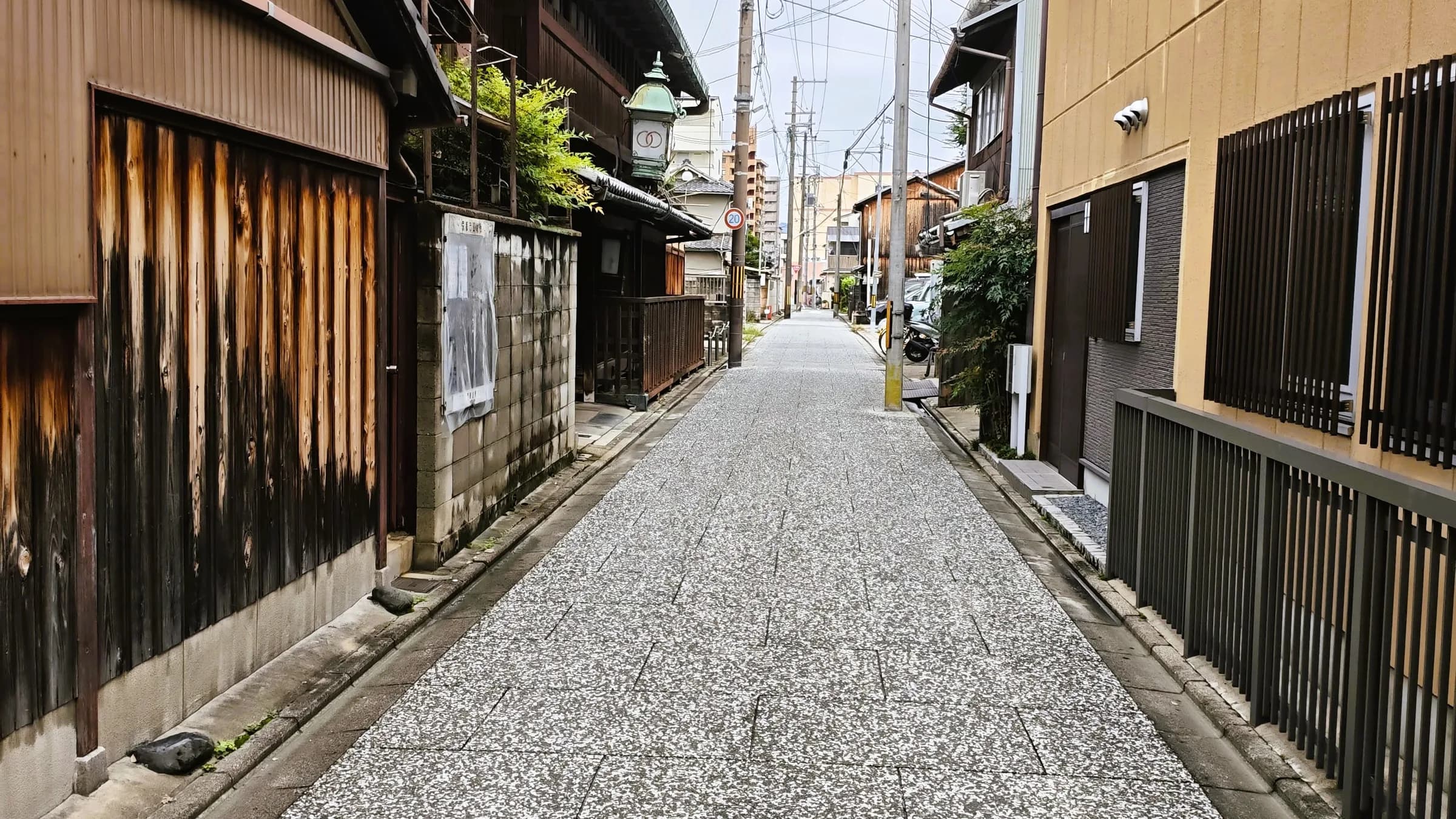
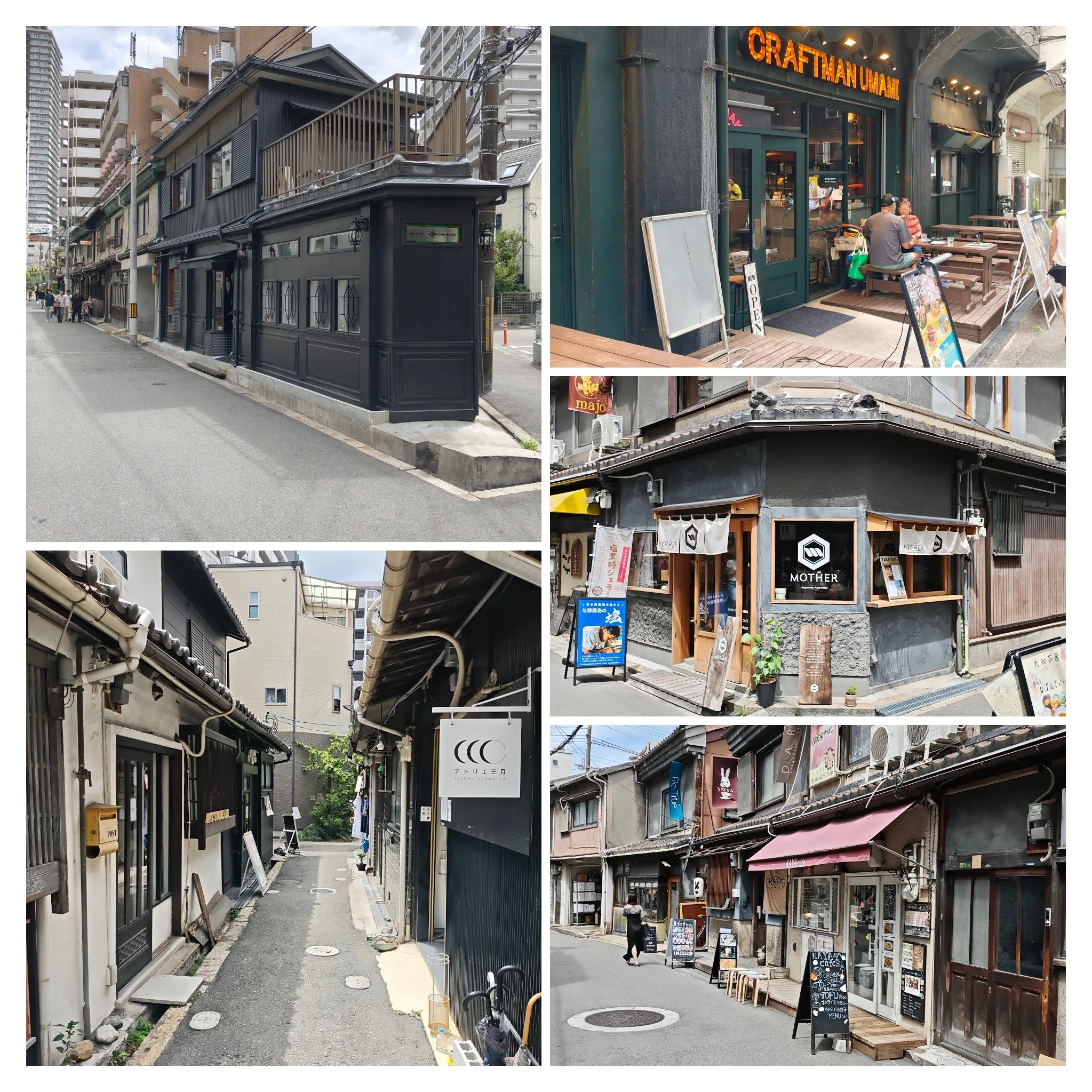
Nakazakicho keeps its old wooden machiya houses that survived the bombing of World War II. Despite the old buildings, the neighborhood attracts a young crowd drawn to vintage clothing shops, small boutiques, and craft workshops. The alleys hold plenty of quiet cafes, perfect for a cold drink during summer. For a break, I like Craftman Umami. This craft beer pub serves local taps and umami-flavored dishes in a relaxed spot where you can watch neighborhood life go by.
A short walk away, the route continues down Tenjinbashisuji. Running 2.6 kilometers, it is the longest covered shopping arcade in Japan, with nearly 600 shops selling everything from paper goods to kitchen knives.
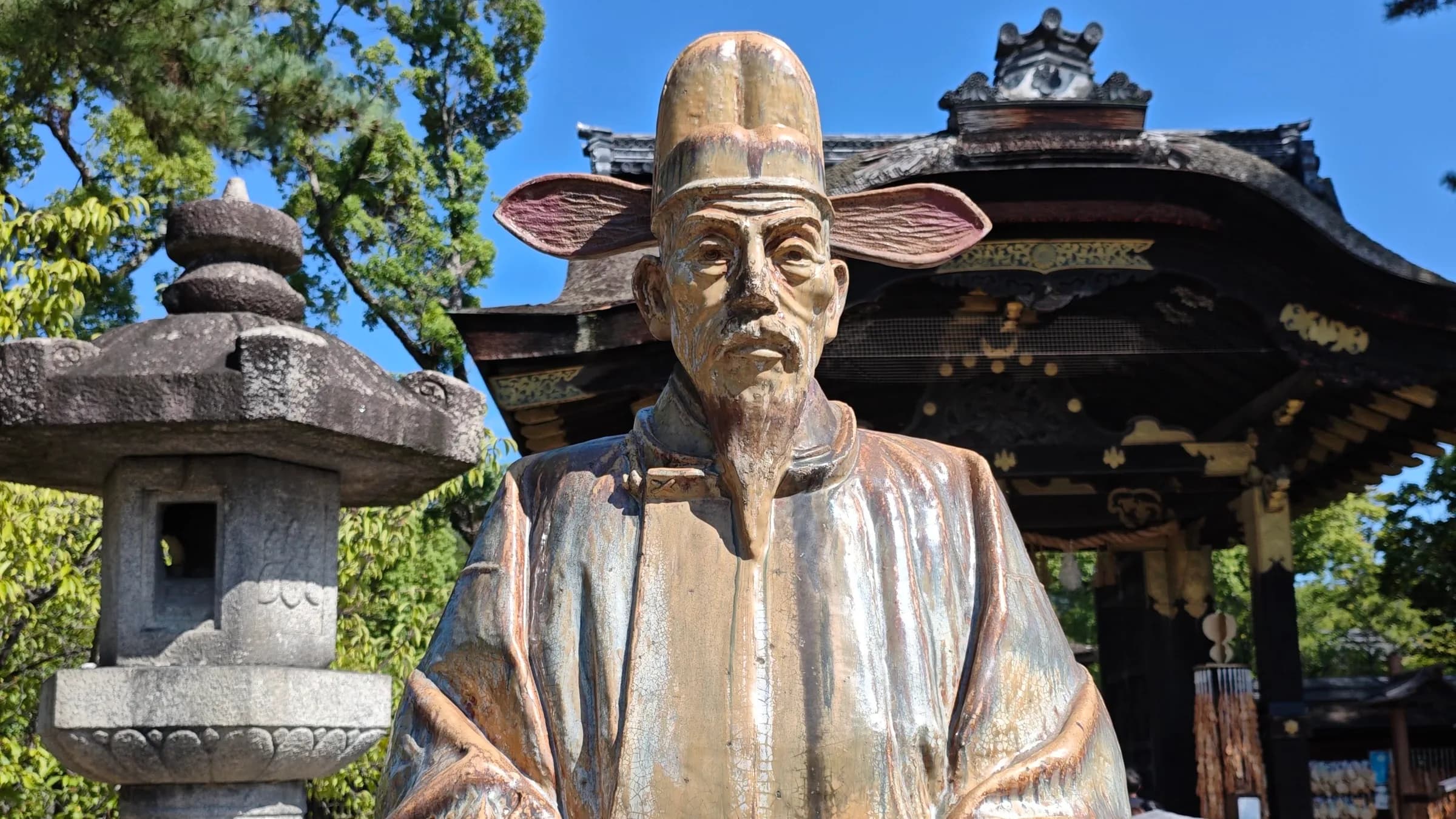
Walking down this arcade brings you to Tenma Market and its fresh sushi counters. The side streets around JR Tenma Station are full of izakaya popular with locals. They serve affordable food in a lively setting. The walk ends nearby at Osaka Tenmangu, a shrine founded in the tenth century where students come to pray for exam success.
Osaka Castle and Nakanoshima Island
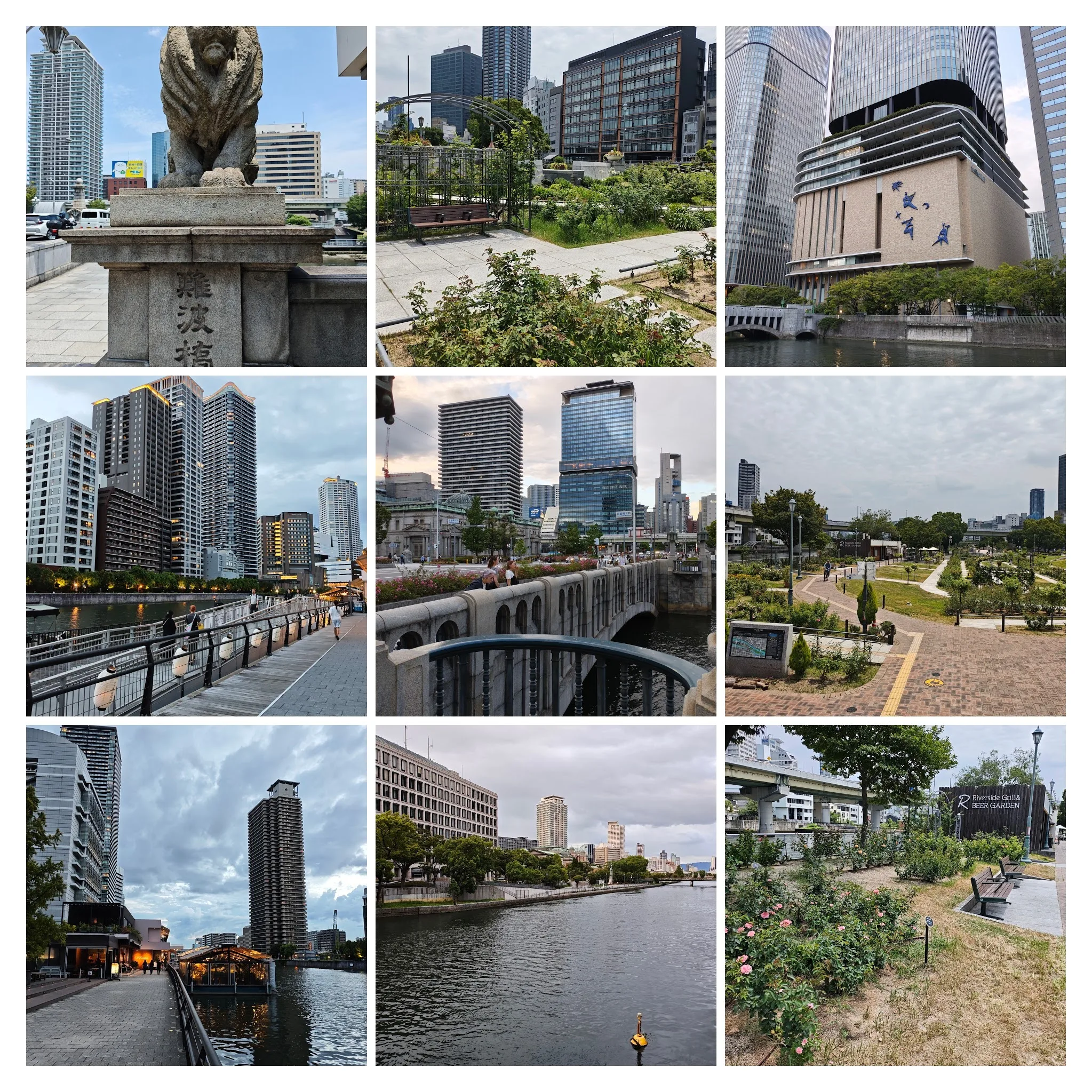
Nakanoshima Island sits between two rivers, set with a rose garden and red-brick buildings from the late nineteenth and early twentieth centuries. This waterfront area offers an open, quiet break from the surrounding streets.
To understand local history, visit Osaka Castle. Built in 1583 by Toyotomi Hideyoshi to unify Japan, the grounds sit on the ruins of Ishiyama Honganji, a fortified Buddhist temple destroyed by Oda Nobunaga after a ten-year siege. Looking at the massive stone walls gives you a clear sense of how formidable this fortress was.
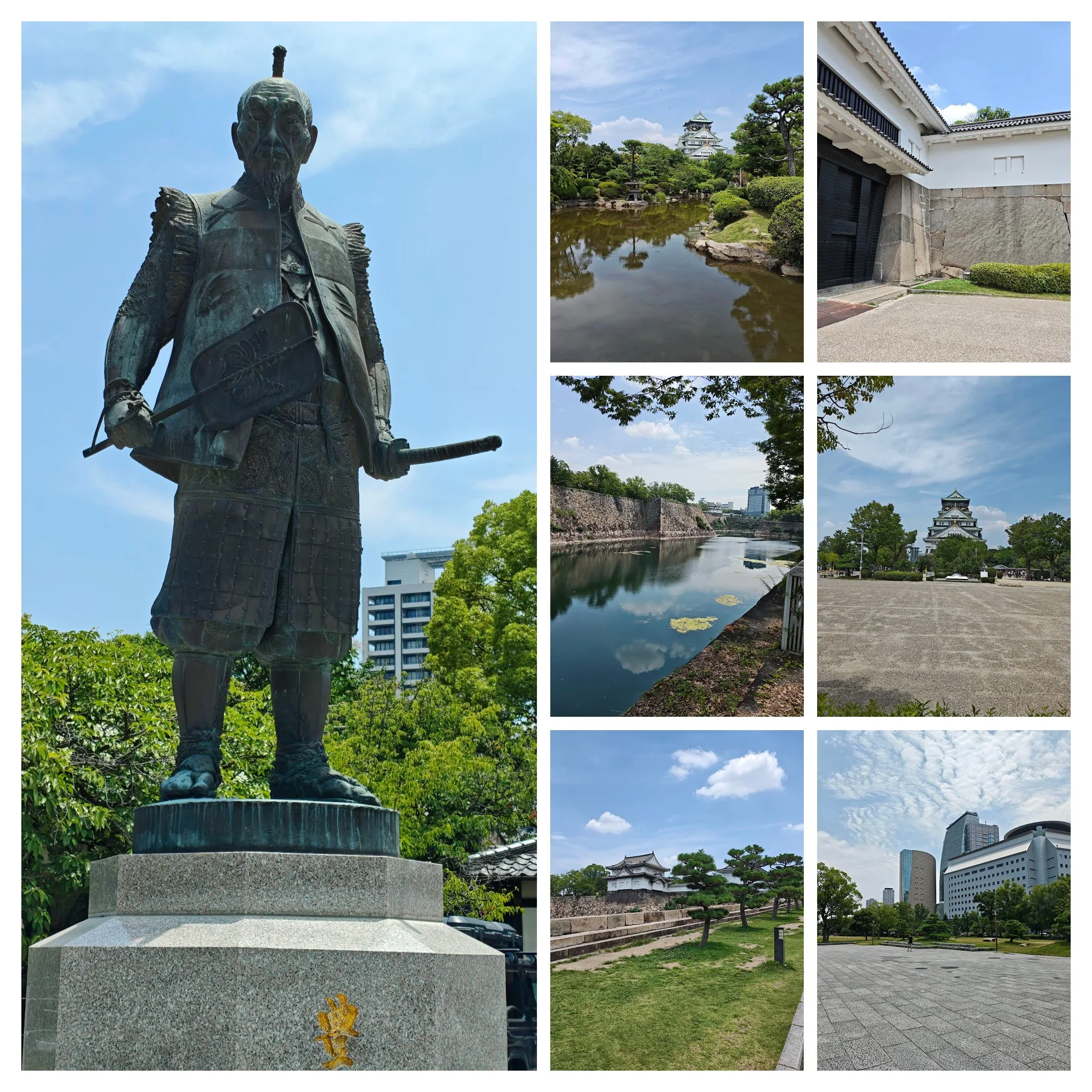
From the castle, walk along the Ogawa River to the paths on Nakanoshima. The park is a good place to rest by the water. In season, an outdoor beer garden opens in the rose garden, serving cold drinks and grilled food.
Umeda, Umekita Park, and the Umeda Sky Building
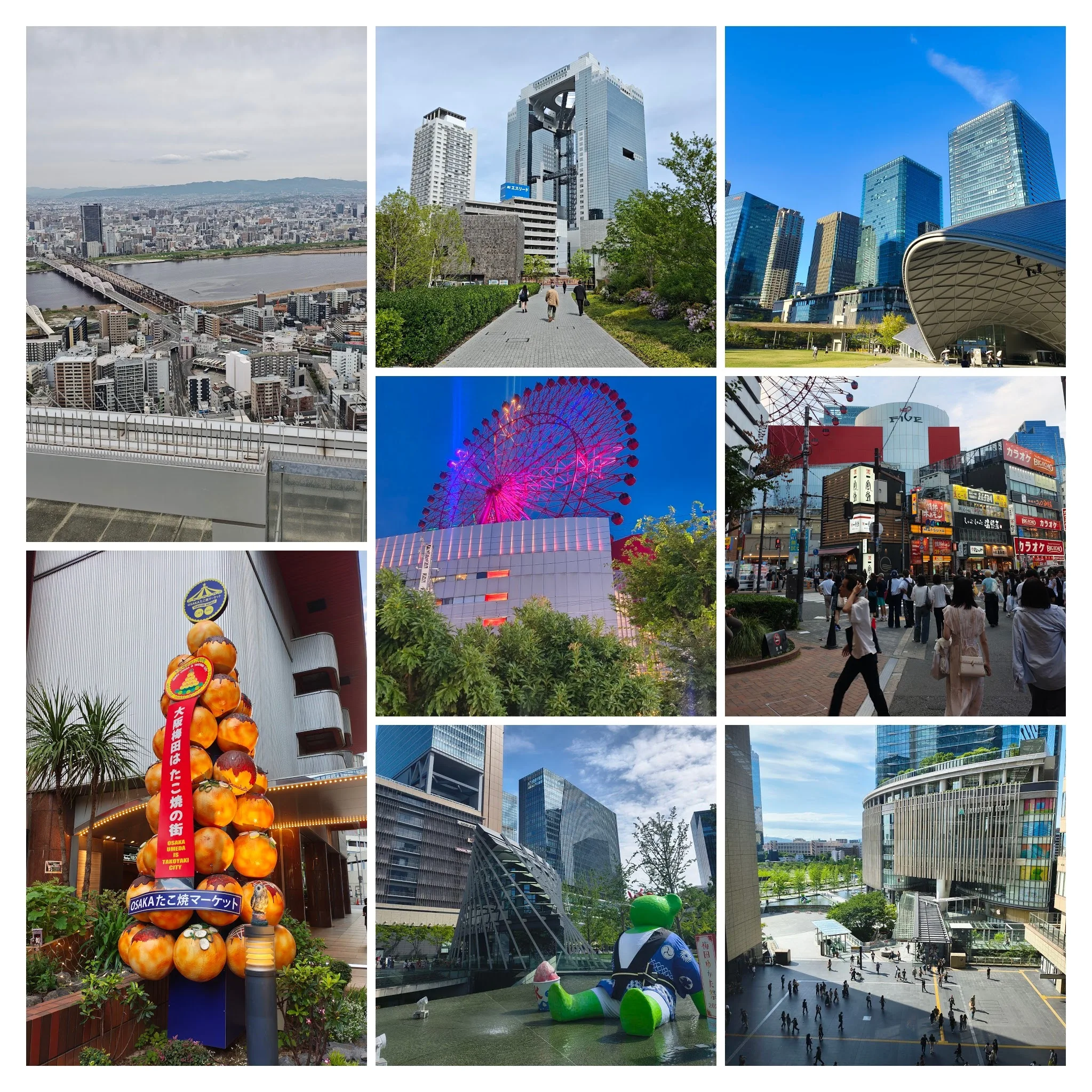
The commercial district of Umeda represents the modern side of the city. Everything centers around the massive train station complex, from the Lucua shopping center to the giant Yodobashi Camera electronics store. You will find thousands of shops and sprawling basement food halls with options for every budget.
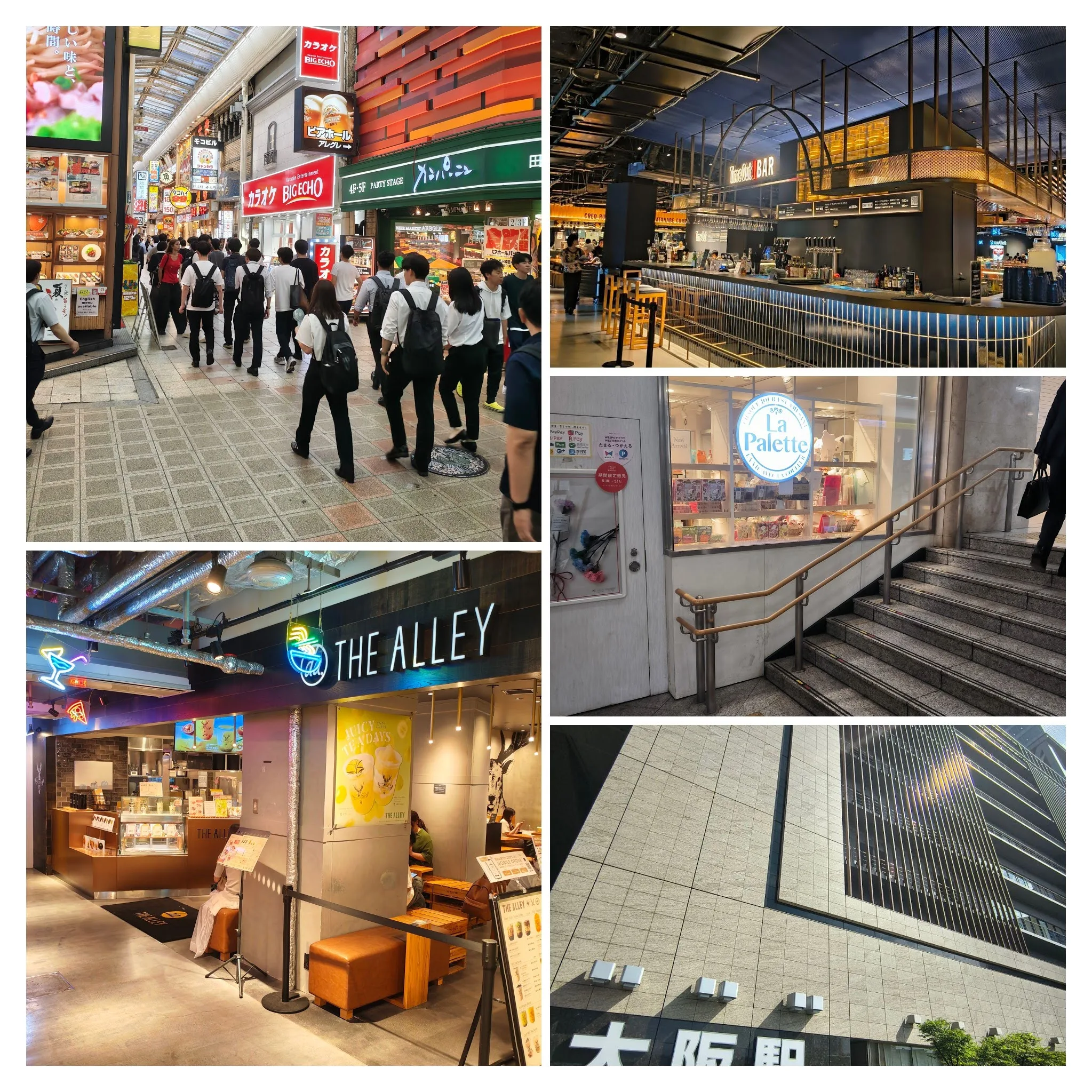
The red Ferris wheel atop the HEP Five building stands out against the sky, while the new Grand Green Osaka Umekita Park offers green space right by the train tracks. Its shaded lawns give you a place to rest outdoors. To wrap up the area, head to the Kuchu Teien Observatory at the top of the Umeda Sky Building. Standing 173 meters high, its open-air deck has a 360-degree view across Osaka and out to the bay.
Day 2: exploring the south through Dotonbori, markets, and quiet alleys
The Minami district forms the energetic center of southern Osaka around Namba Station. Beyond the crowded shopping arcades, the area offers sharp contrasts. Turn into a side street and you step out of the commercial rush straight into quiet shrines that feel far away from the main streets.
Shopping and street culture in Shinsaibashi, Amemura, and Orange Street
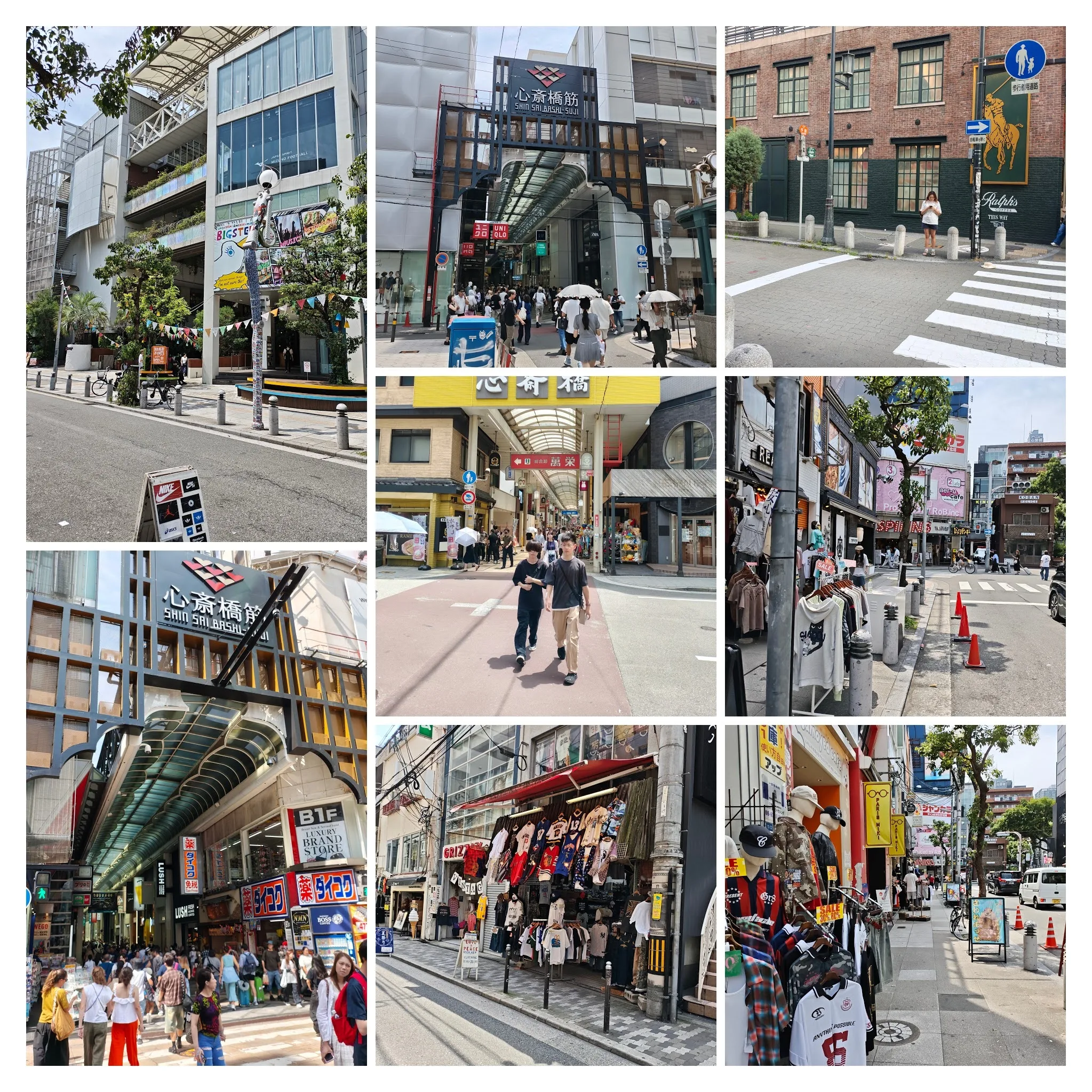
Shinsaibashisuji arcade runs almost 600 meters, linking northern Minami to the Dotonbori canal. To the west, Amerikamura acts as a hub for local youth culture, while Orange Street holds design shops and cafes.
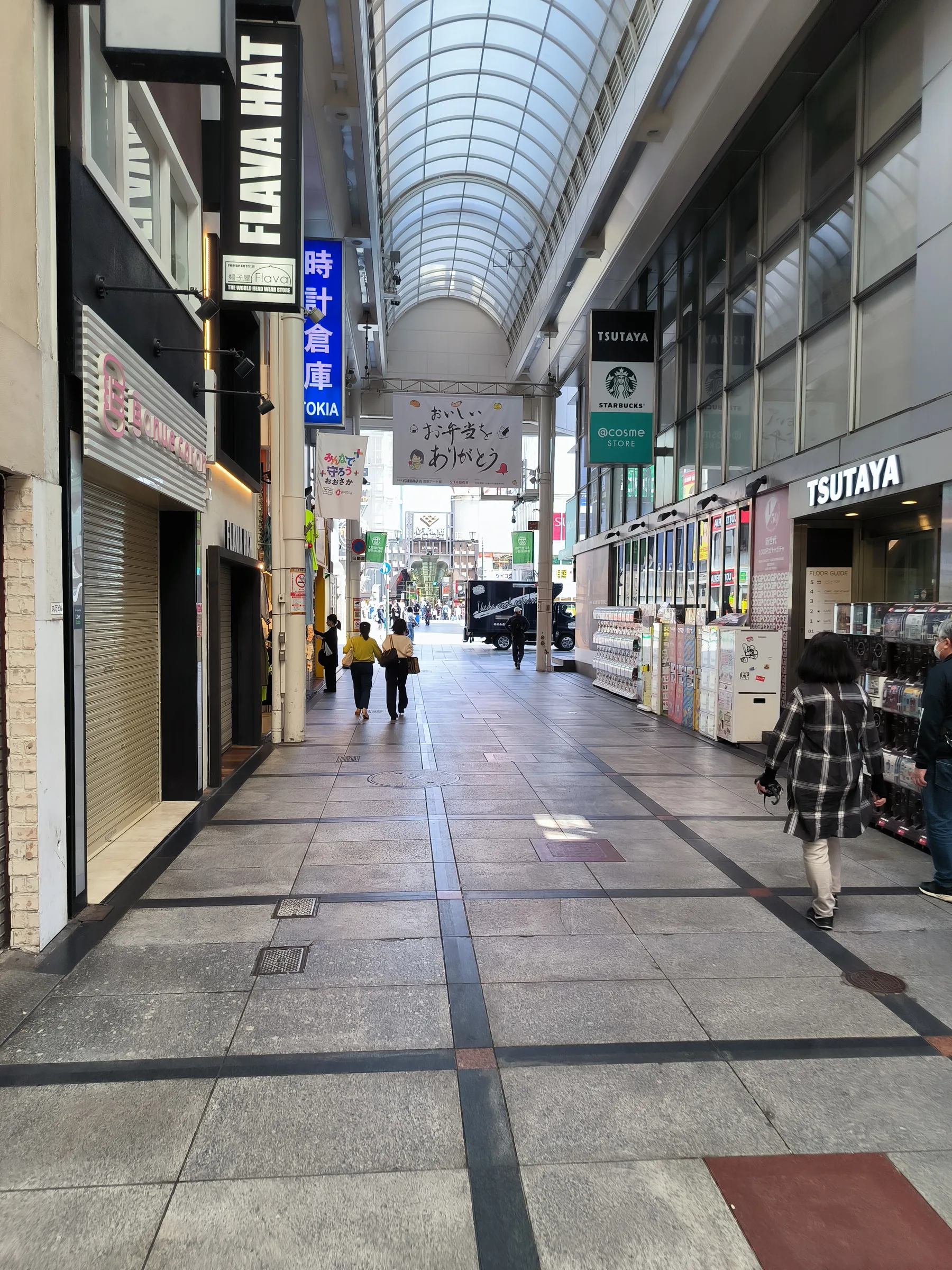
Walk down the arcade before turning into Amerikamura to check out vintage clothing shops and grab a crepe. In neighboring Horie, Orange Street has furniture stores and artisan workshops. It is a good place to browse away from department store crowds.
Dotonbori Canal and the quiet alleys of Hozenji
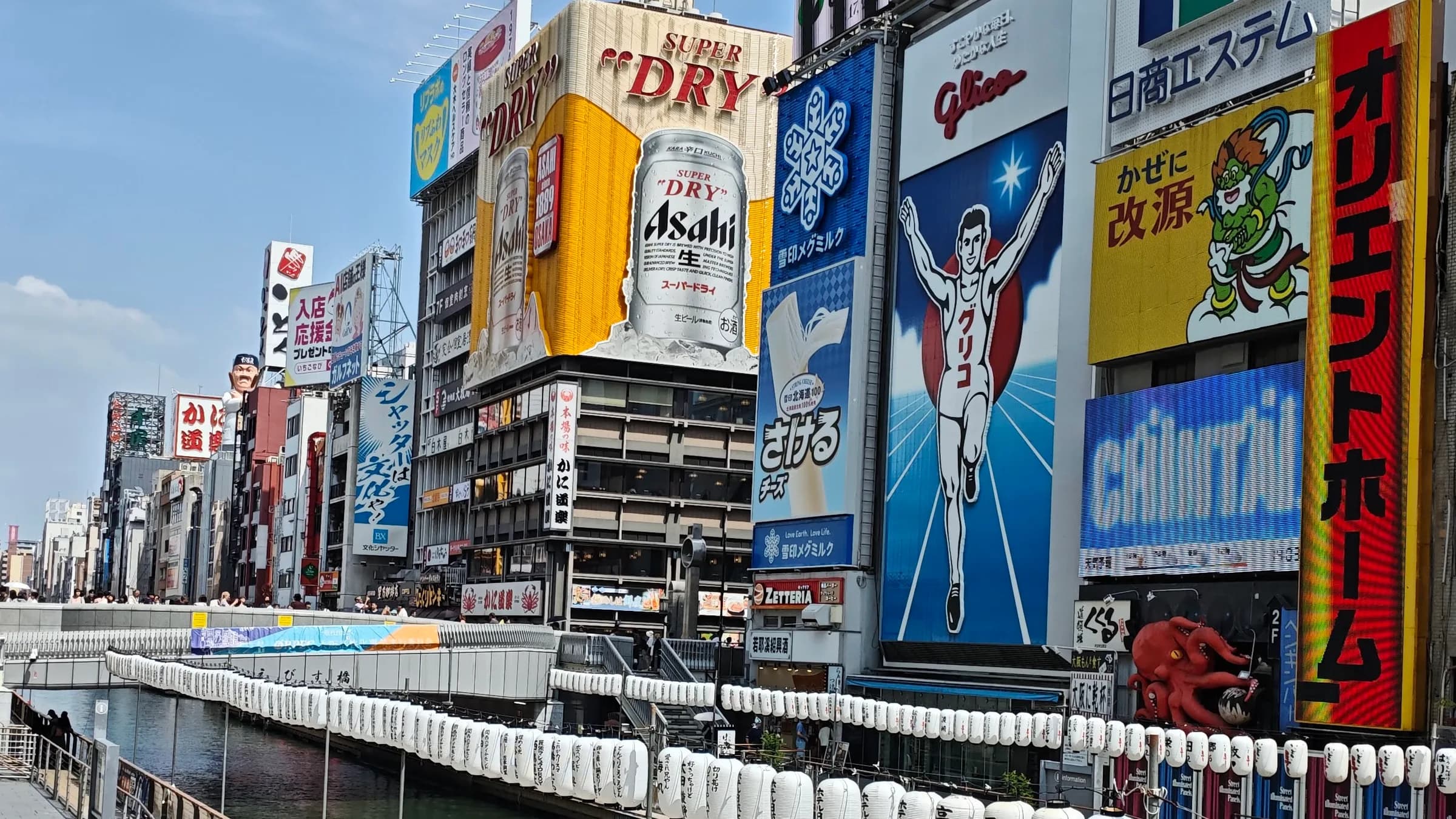
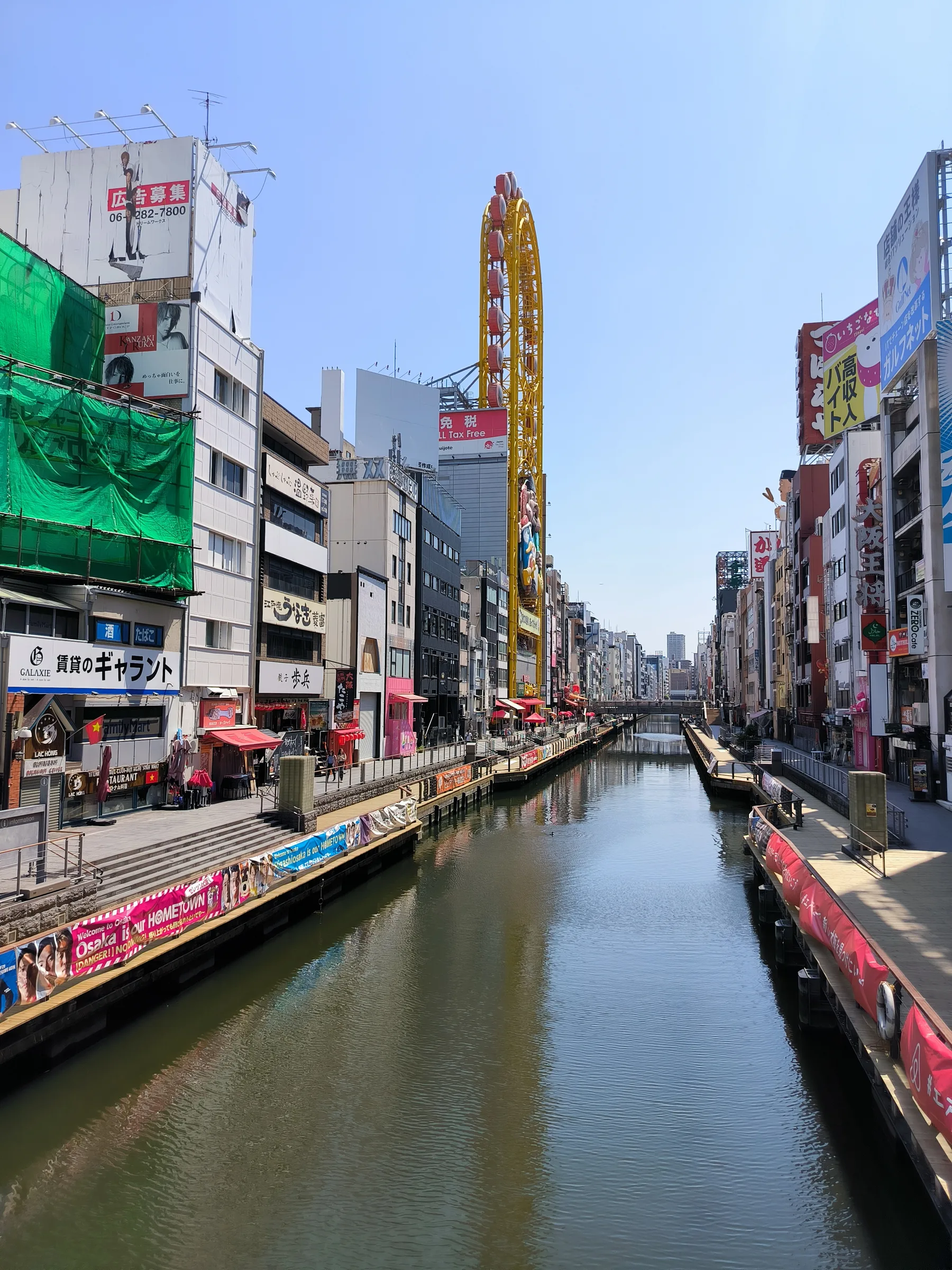
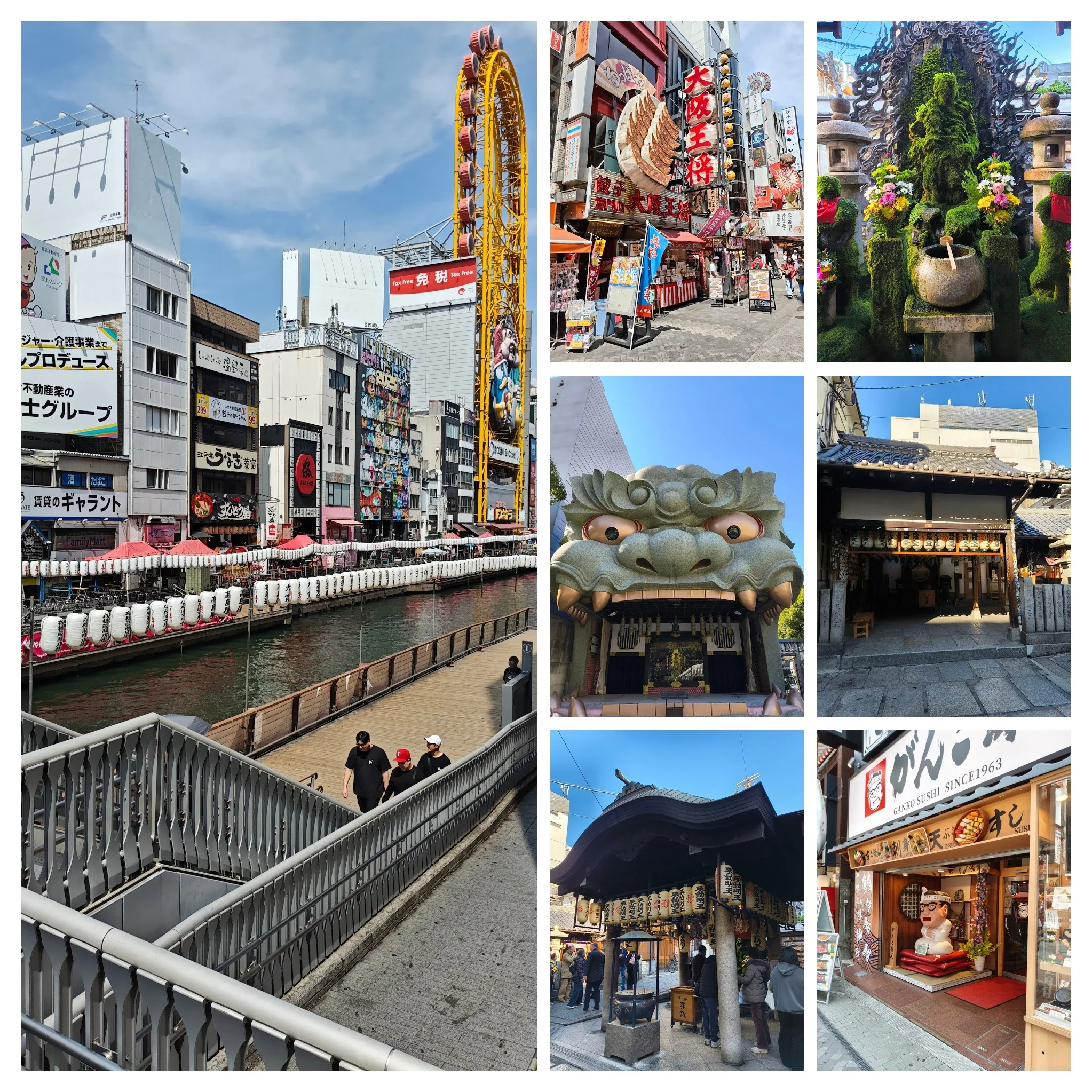
Along the Dotonbori canal, giant neon signs depicting crabs and octopuses light up the water. This is the place to try local street food. Pick up a paper tray of piping hot takoyaki, crispy on the outside and soft inside, to eat while standing by the riverbank.
Just a short turn away, the atmosphere changes completely as you enter the stone-paved alley of Hozenji Yokocho. Lanterns light up the wooden shopfronts at dusk. At the end of the alley stands Hozenji Temple, a quiet spot known for its moss-covered statue.
Further south, stop by Namba Yasaka Shrine. It features a 12-meter-tall building shaped like a giant lion head with its mouth wide open, built to swallow bad luck.
Day 3: ancient temples, street food, and high views in the south
The third day combines fresh food markets with temples dating back to the sixth century, ending at one of the highest observation decks in the country.
Kuromon Market, Nipponbashi, and retro Shinsekai
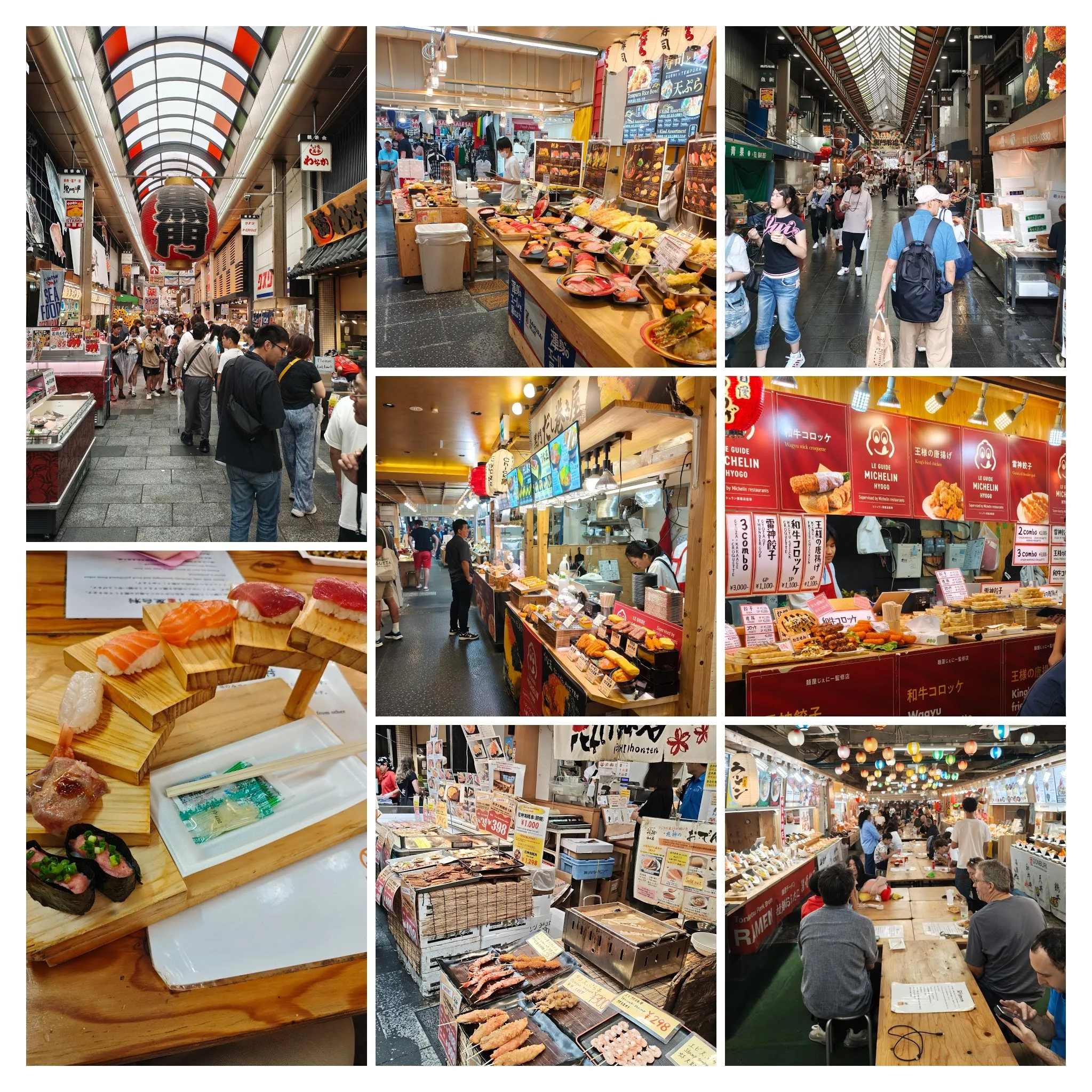
To beat the tour groups, aim to arrive at Kuromon Market around 9:30 or 10:00 AM. It is the best time to snack through the stalls, sampling grilled A5 beef skewers, large prawns cooked on the flattop, or Osaka-style okonomiyaki. Savory food this early might feel unusual, but the experience is worth it.
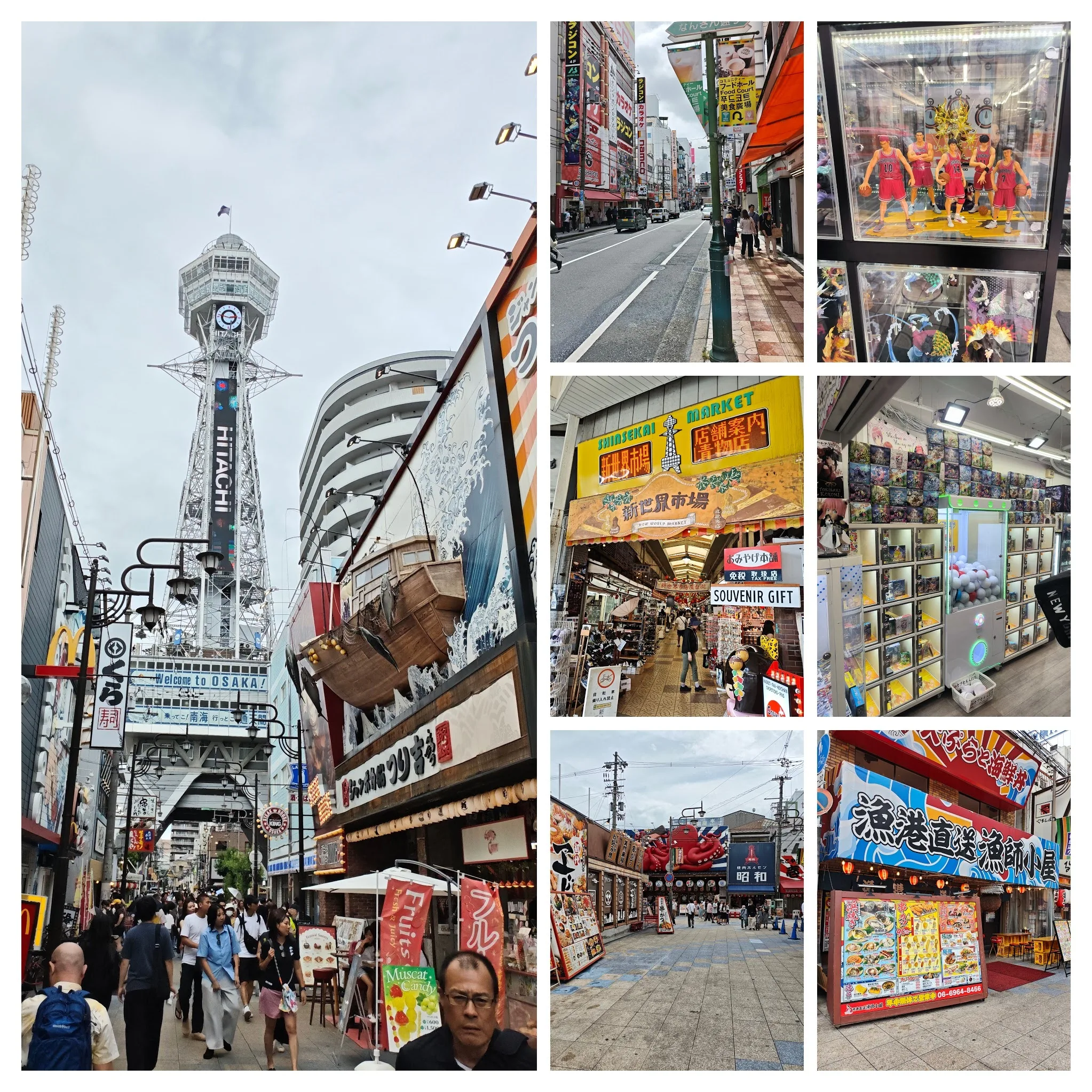
From there, walk through Nipponbashi Den Den Town, an area known for electronics, retro gaming, and pop culture shops. Continuing south, the atmosphere shifts in Shinsekai. Built around Tsutenkaku Tower, this neighborhood keeps its post-war, working-class character. Sit at a counter to try kushikatsu, deep-fried meat and vegetable skewers cooked until golden. Just remember the main local rule: no double-dipping in the shared sauce pot after taking a bite.
Shitennoji Temple and views from Abeno Harukas
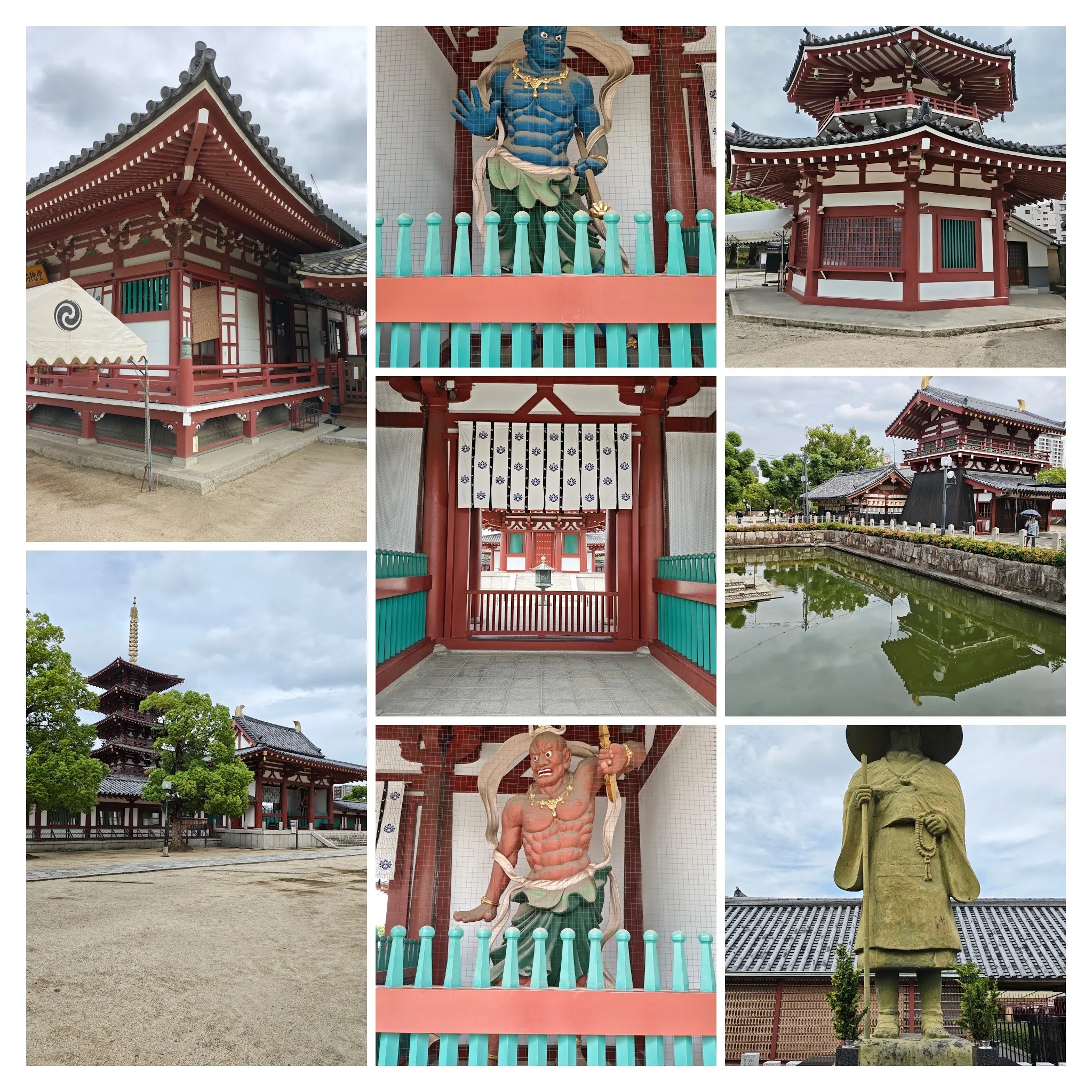
Shitennoji Temple, founded in 593 by Prince Shotoku, is one of the oldest Buddhist sites in Japan. Its symmetrical layout served as the architectural baseline for many Japanese temples that followed, while its iconic five-story pagoda and quiet grounds offer an authentic look into the early religious history of the city.
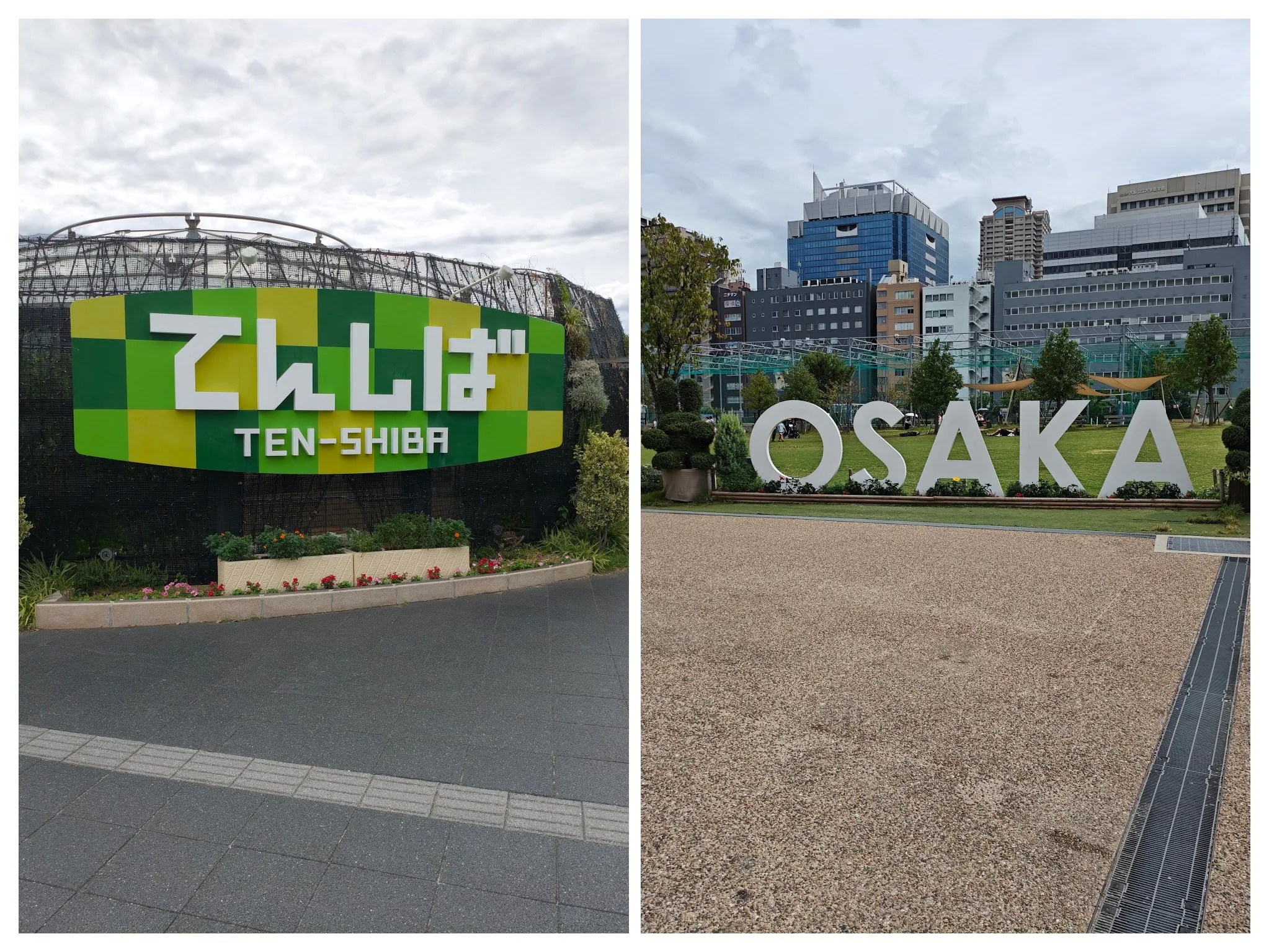
Just a short walk away, Ten-shiba Park unfolds its expansive lawns at the foot of Tennoji Station, serving as a beloved green oasis for families. It is an ideal outdoor spot for leisure and recreation before entering the surrounding shopping district. Towering above the area, Abeno Harukas stands 300 meters high. This tall complex houses the Kintetsu Department Store and the MIO mall, offering floors of restaurants and food stalls where you can grab dinner.
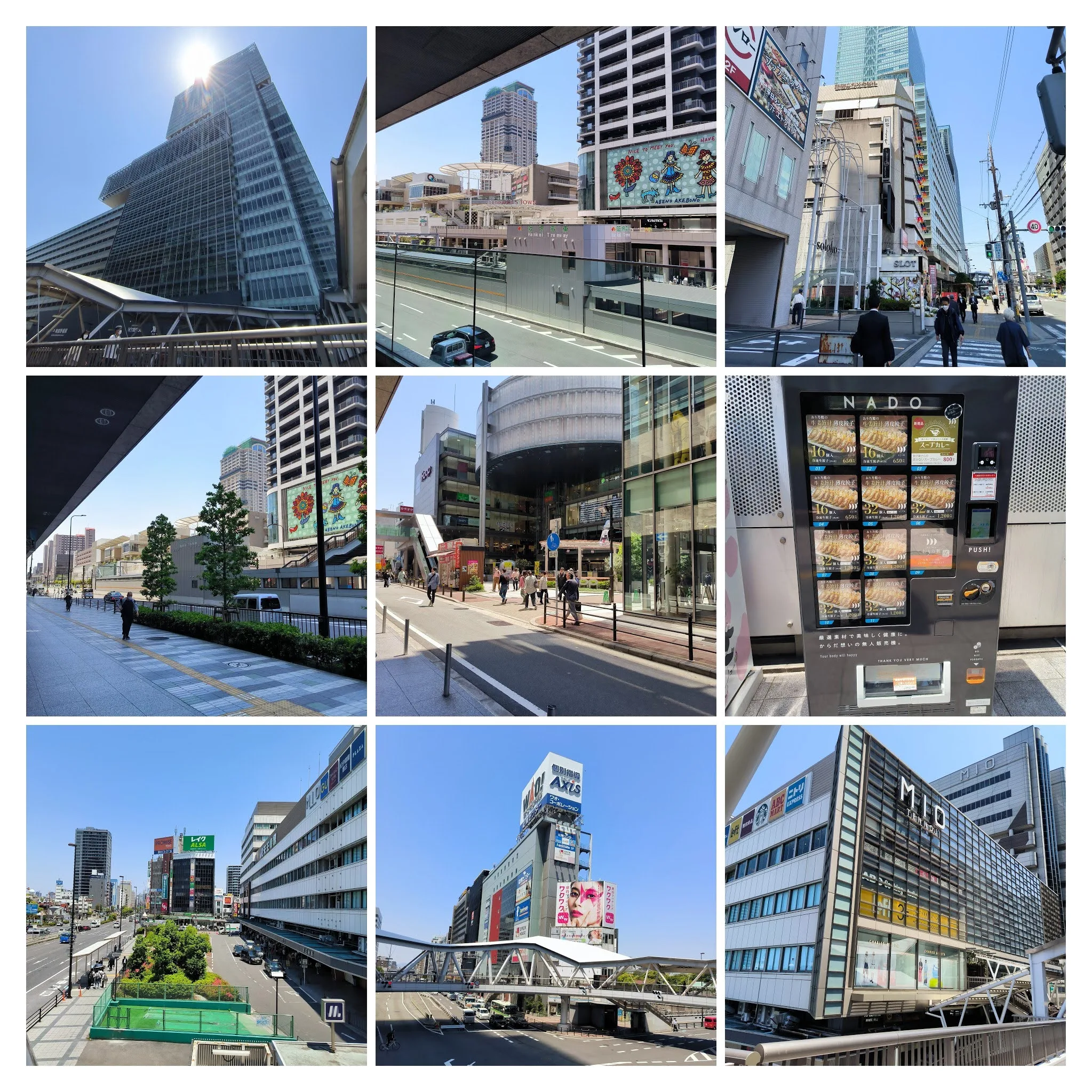
End the day at the Harukas 300 observation deck at sunset, watching the city lights come on across Osaka and out toward the bay.