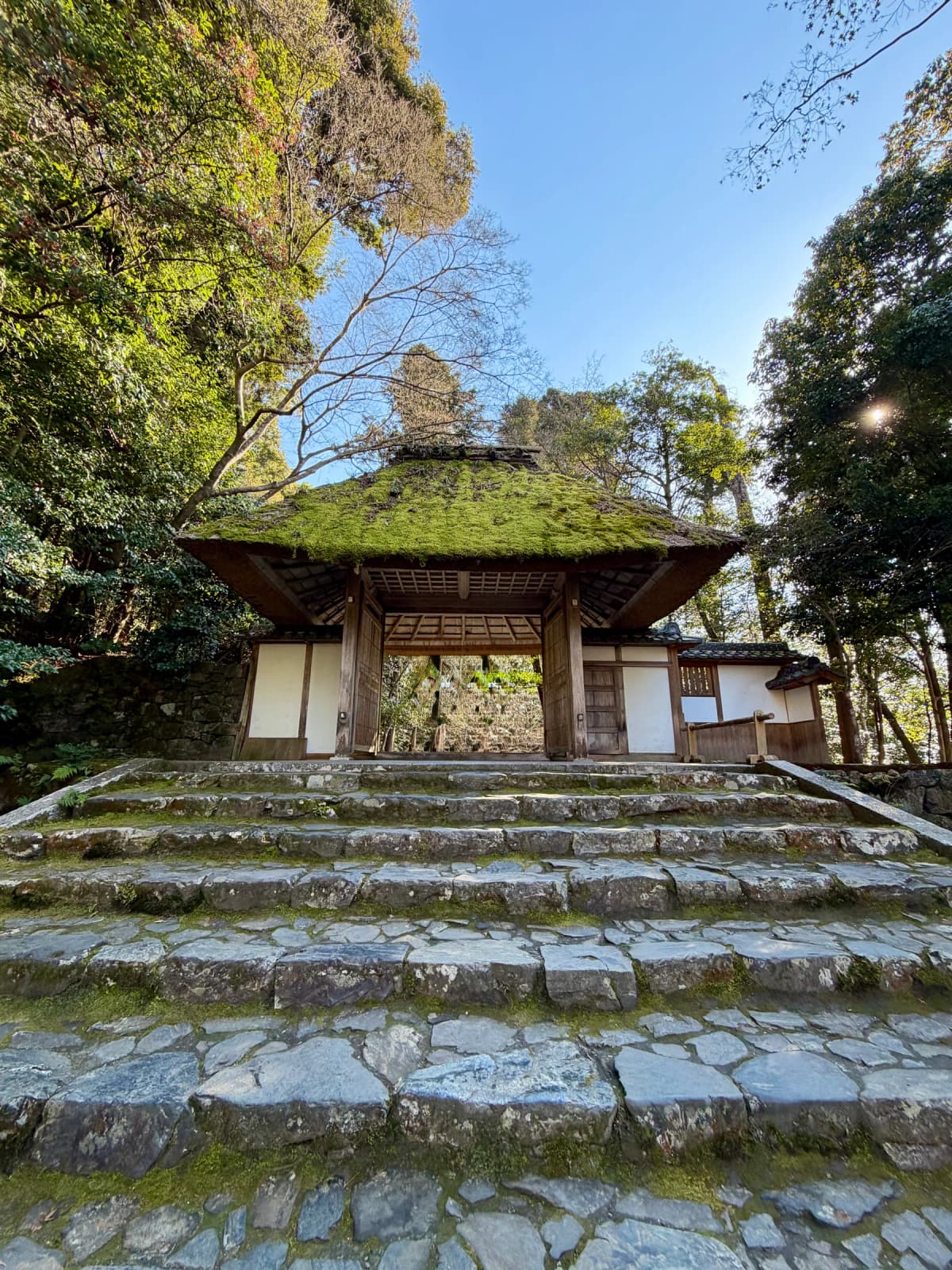
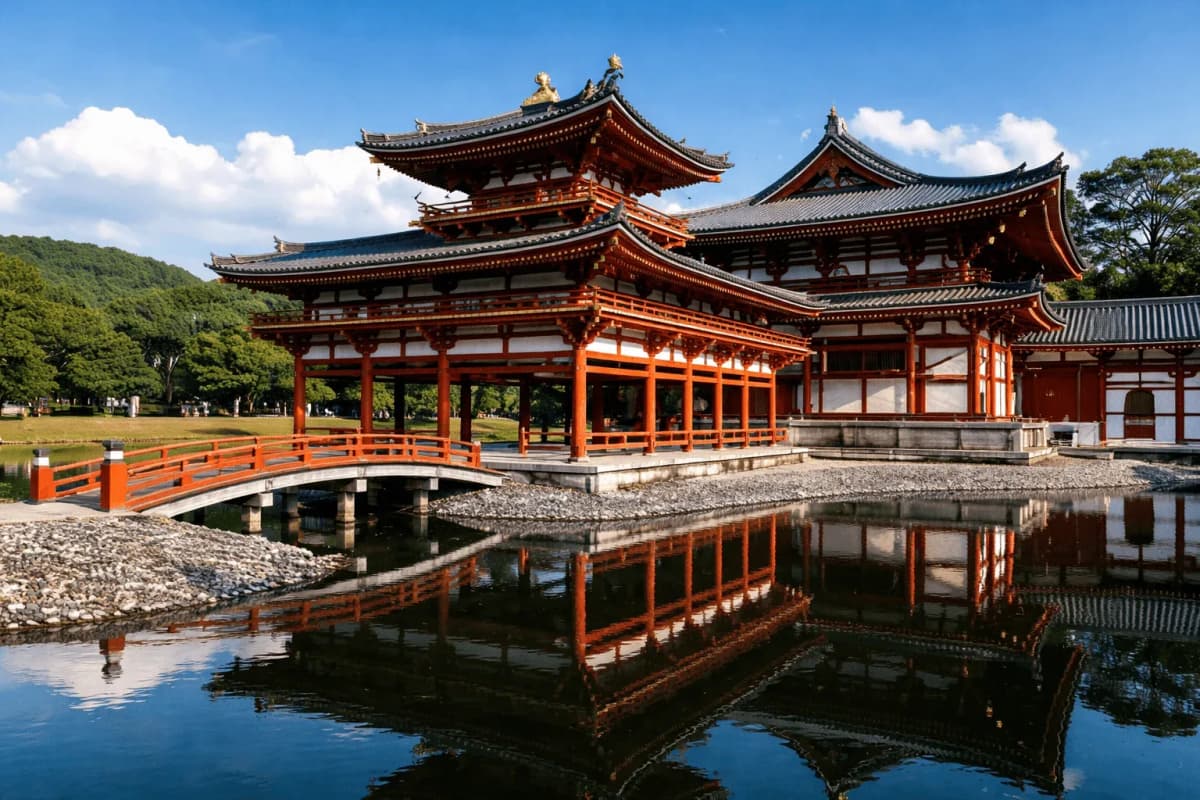
Nara on foot — deer park & ancient temples
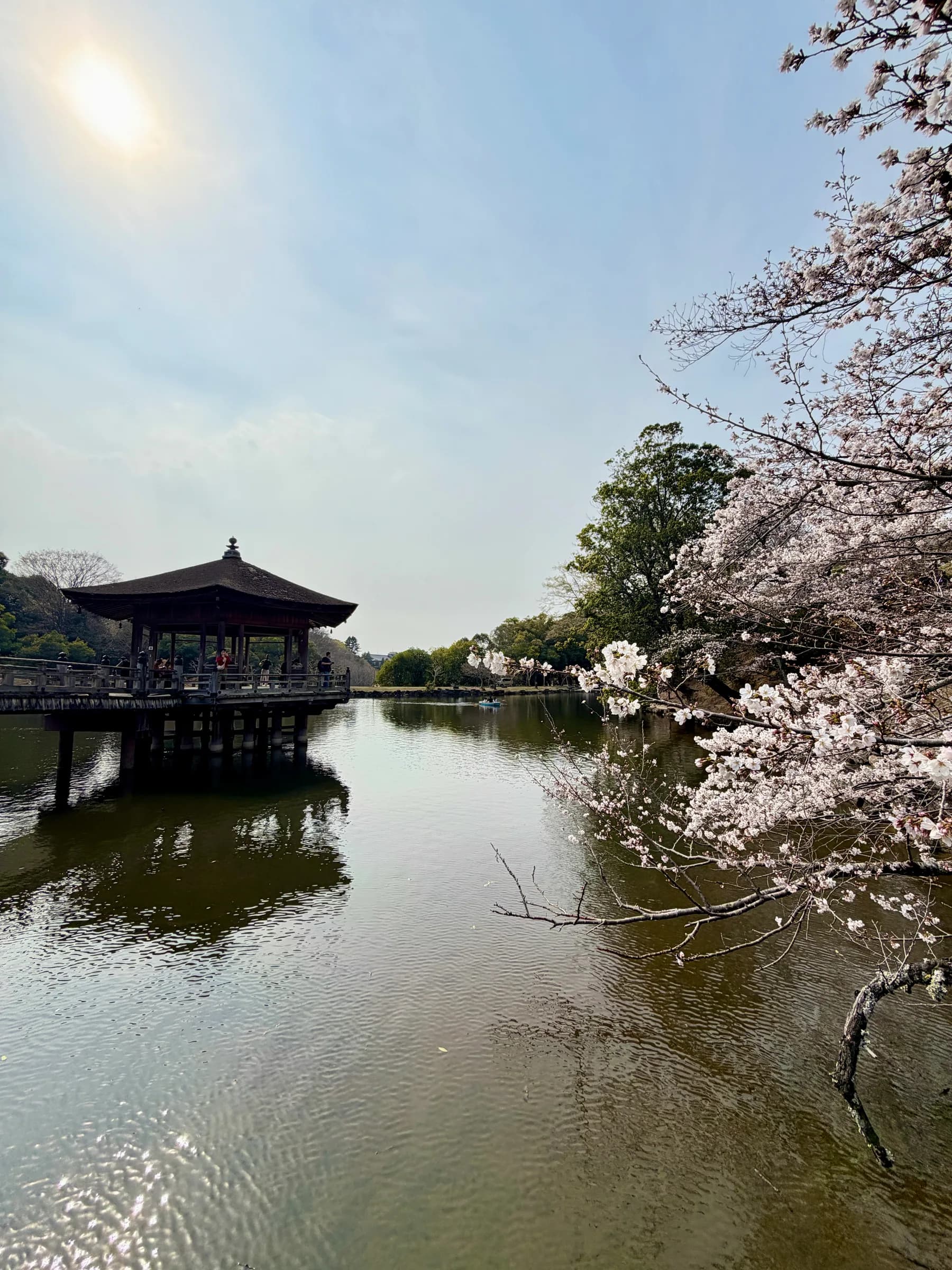
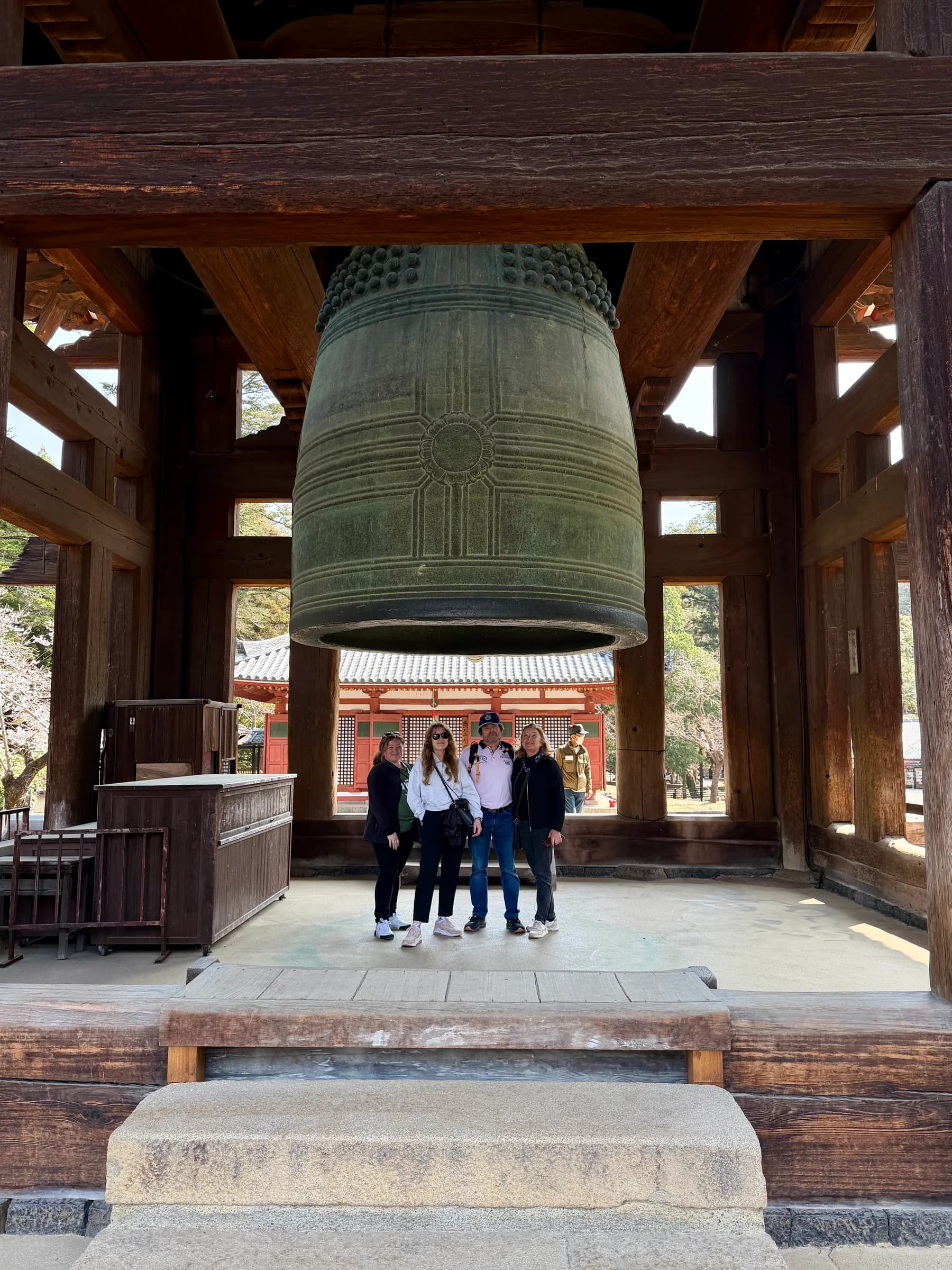
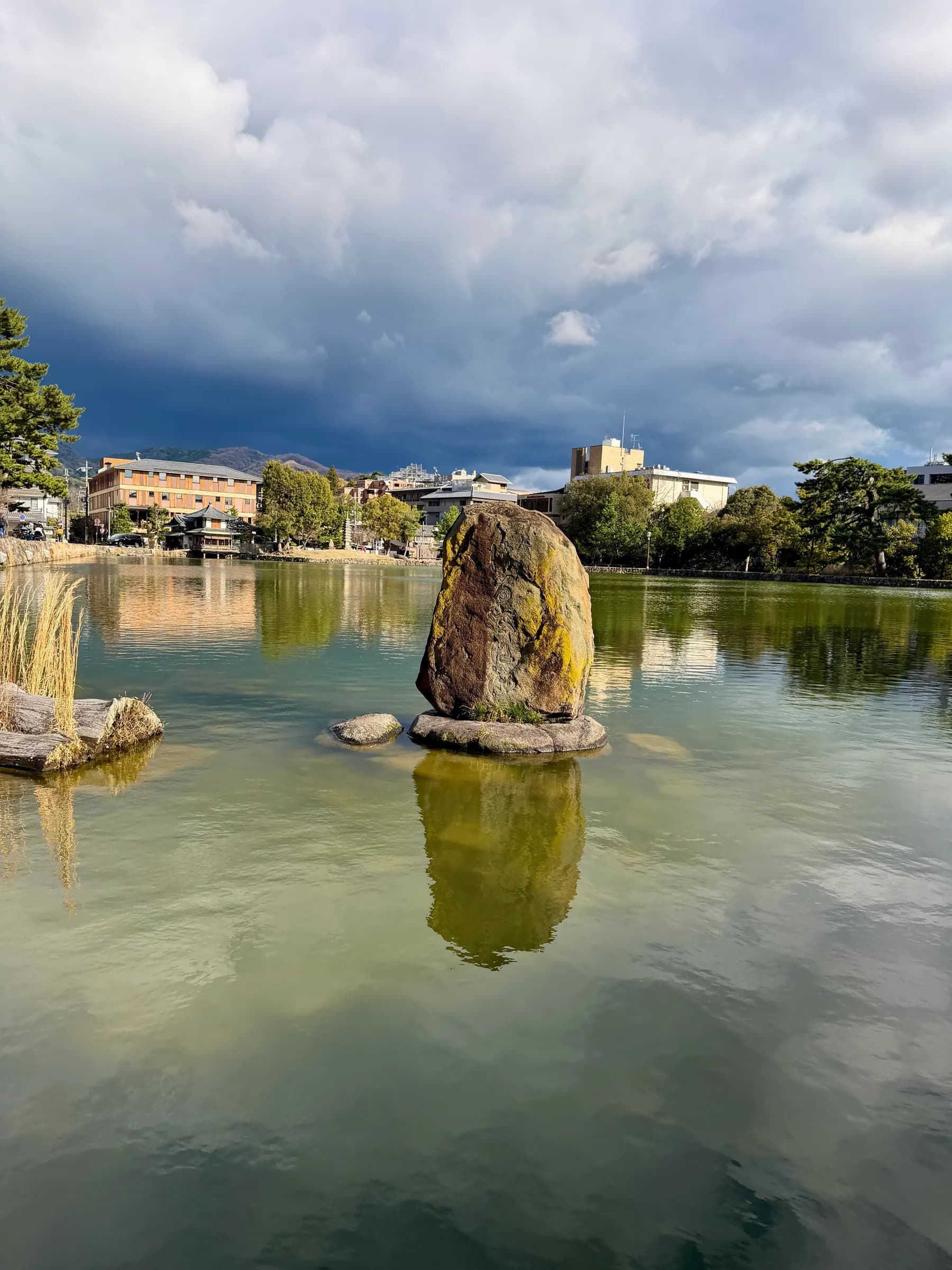
A full day exploring Nara: Tōdai-ji, Kasuga Taisha, and the deer park.
Highlights
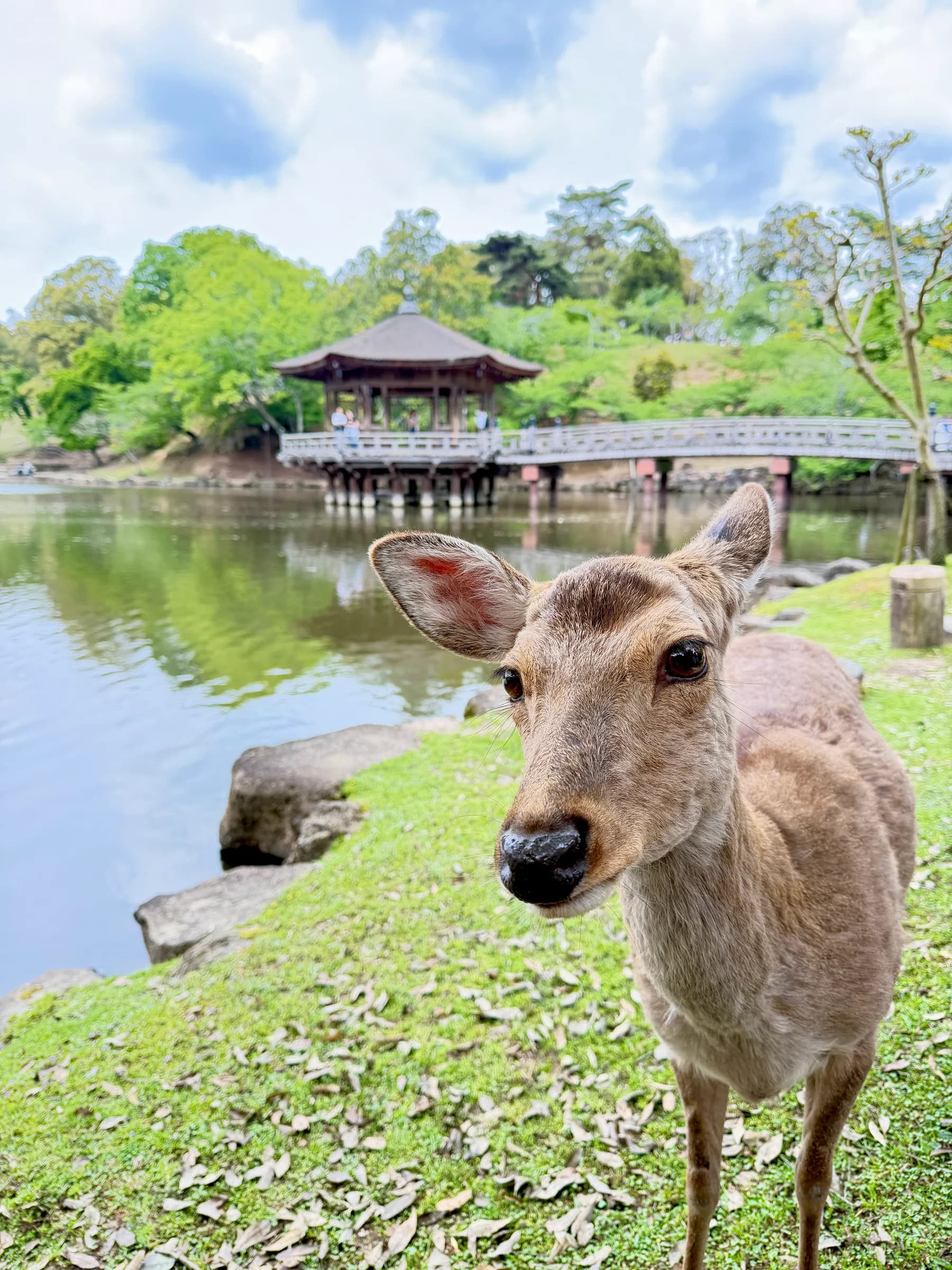
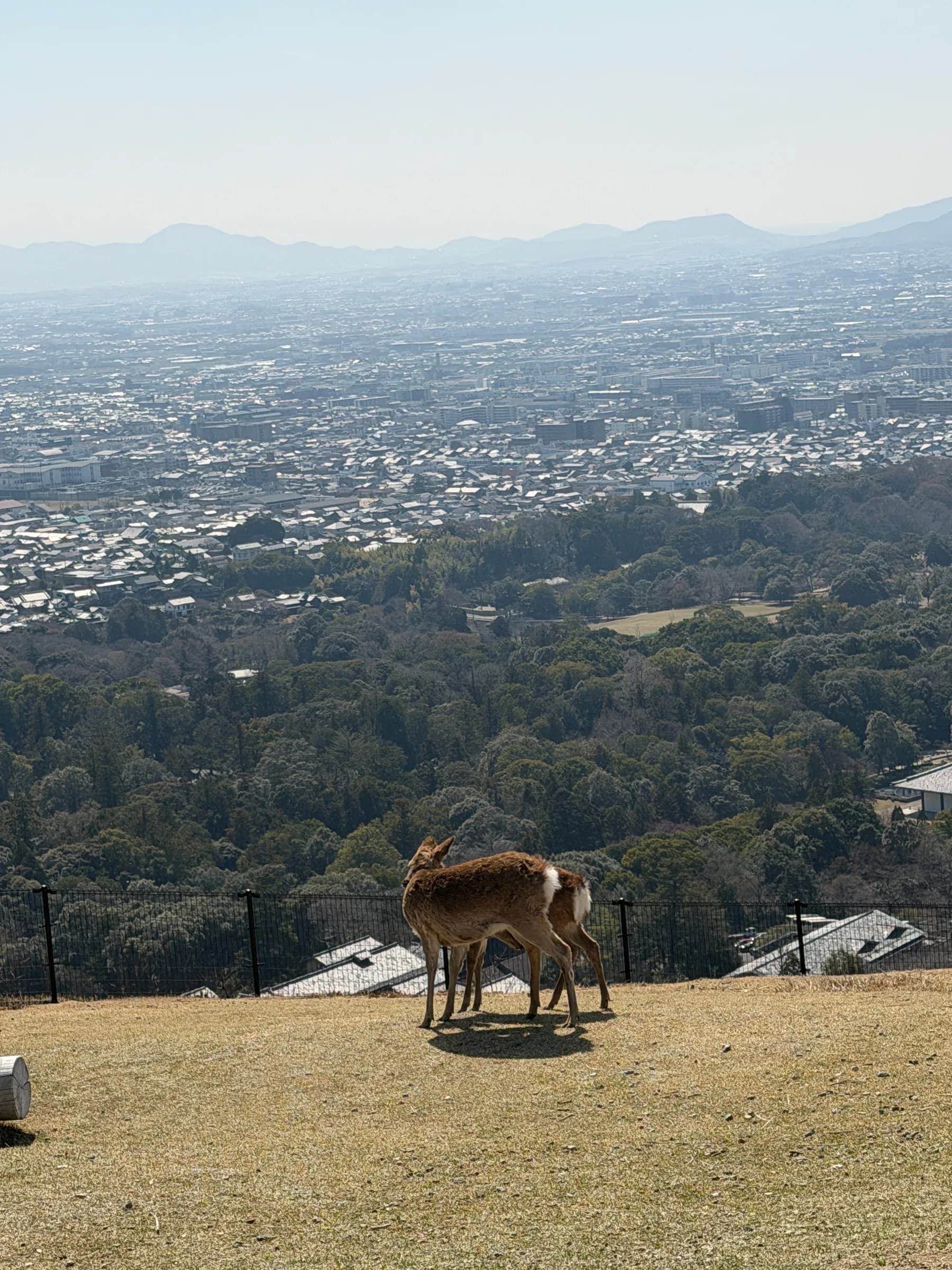
- Deer roaming freely through the park
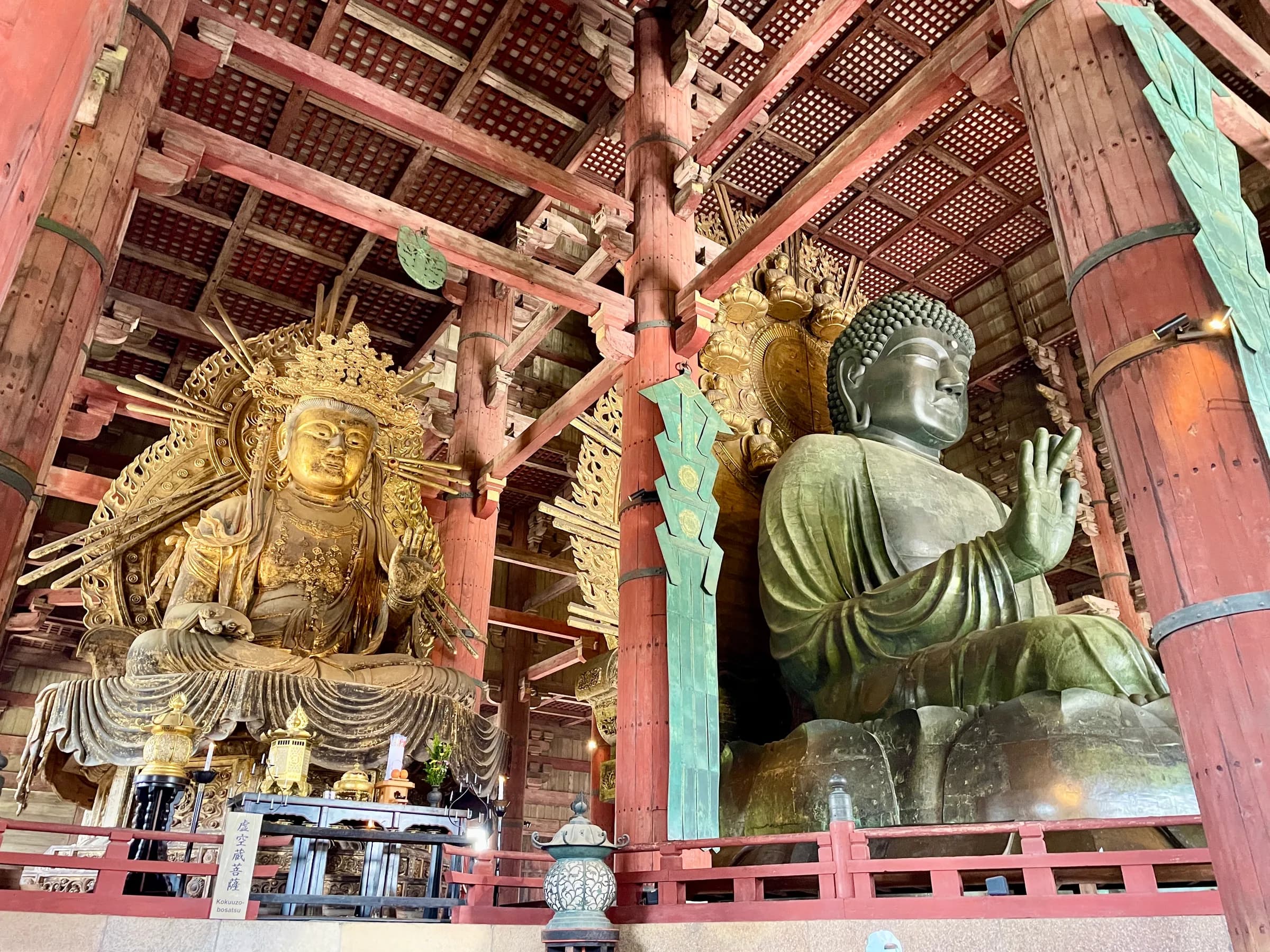
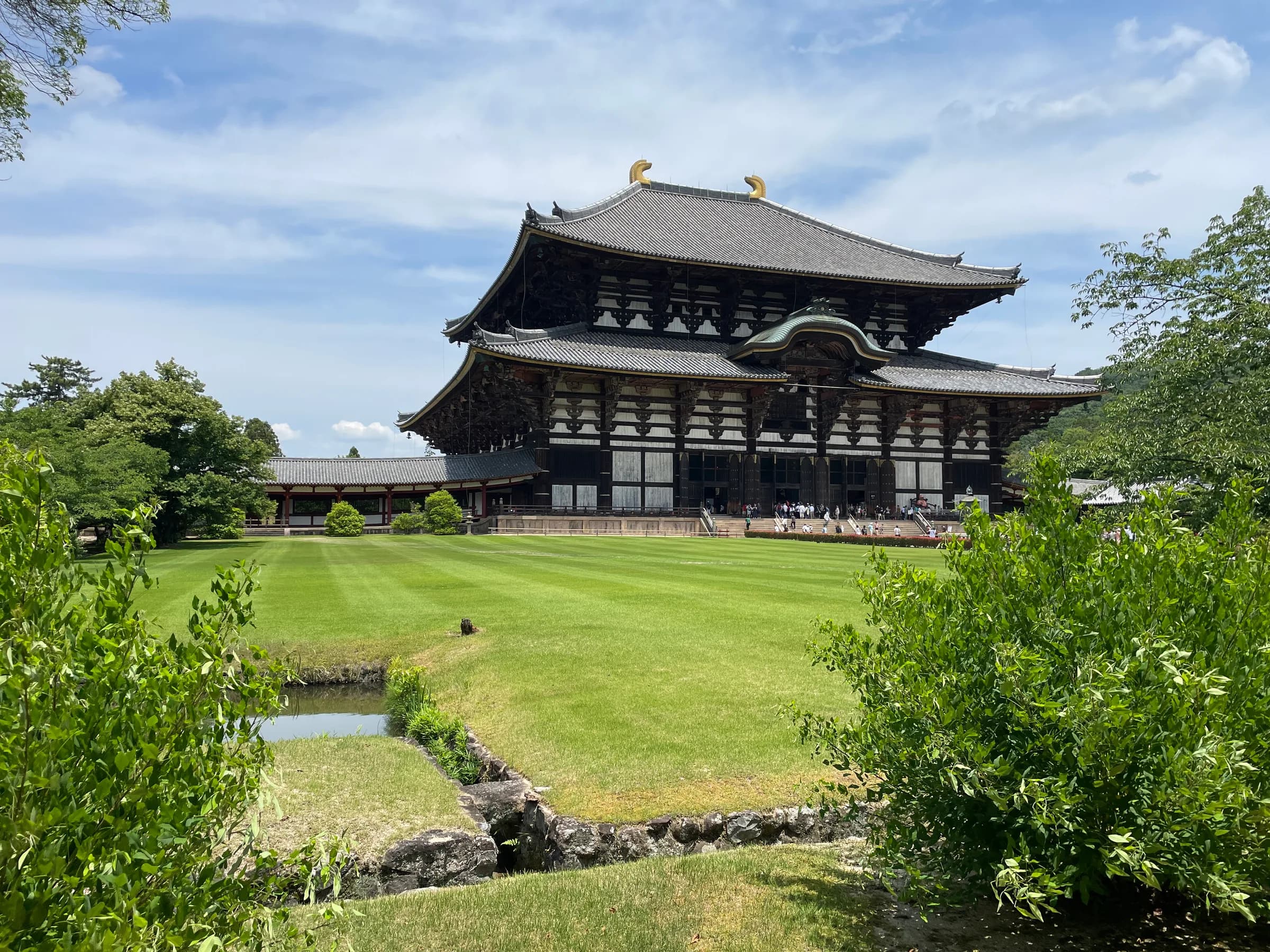
- The vast interior of Tōdai-ji
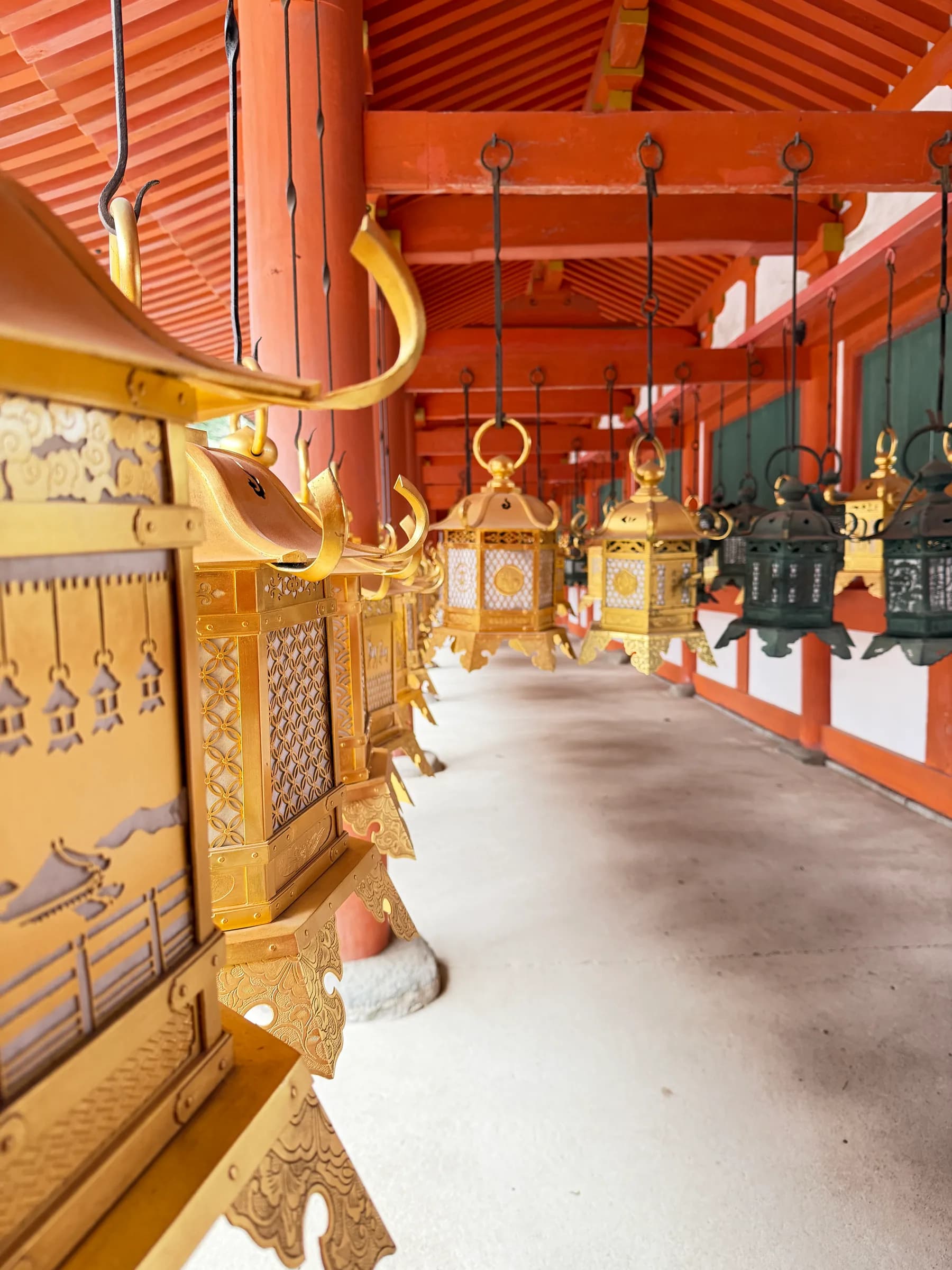
- Kasuga Taisha's stone lantern path
Itinerary
- 108:30Tōdai-ji
Meeting point at the temple
- 2Kasuga Taisha
Joli Shrine a ne pas rater
- 311:00Gango temple
Final shrine, it's a good one
Included
- ✓ English-speaking guide
- ✓ Tōdai-ji entrance fee
Not included
- ✕ Lunch
- ✕ Personal expenses
FAQ
About this experience
Nara rewards those who explore it slowly. Japan's first permanent capital is compact enough to cross on foot in a single day, yet dense with thirteen centuries of temples, shrines, and the famous deer that wander its streets as if they own them. This walk takes you through the heart of the old city, from the train station out to the great temples of Nara Park and back, covering roughly 7–8 kilometers at an unhurried pace.
Starting Out: From the Station to the Park
Begin at Kintetsu Nara Station, the more convenient of the city's two stations for sightseeing. Head east along Sanjo-dori, the main approach road, and within ten minutes the urban bustle gives way to the green expanse of Nara Park. Here you'll meet your first deer almost immediately. Considered sacred messengers of the gods in the Shinto tradition, around 1,200 of them roam freely. Vendors sell shika senbei (deer crackers) along the paths, and the deer have learned to bow their heads in exchange for a treat, though they can get pushy once they know you're holding food.
Kofuku-ji and Its Pagoda
Your first major stop is Kofuku-ji, whose five-story pagoda is one of the defining silhouettes of Nara. At just over 50 meters, it's the second-tallest wooden pagoda in Japan. The temple was once the family temple of the powerful Fujiwara clan and at its height housed dozens of buildings. Take time inside the National Treasure Hall, where the celebrated three-faced, six-armed statue of Ashura draws visitors from across the country.
Todai-ji and the Great Buddha
Continue east and north through the park toward Nara's crowning sight: Todai-ji. You'll pass through the Nandaimon, a vast wooden gate guarded by two fierce Nio statues carved in the 13th century. Beyond it stands the Daibutsuden, the Great Buddha Hall, historically one of the largest wooden buildings in the world. Inside sits the Great Buddha, a bronze figure some 15 meters tall, cast in the 8th century. Look for the pillar near the back with a hole carved through its base, said to be the size of the Buddha's nostril. Squeezing through it is supposed to grant enlightenment, and the line of children (and brave adults) attempting it is half the fun.
Up the Hill to Nigatsu-do
From Todai-ji, follow the stone path uphill to Nigatsu-do, a hall perched on the hillside with a wooden veranda. The climb is gentle and the reward is the best free view in Nara: the city rooftops spread out below, the Daibutsuden's great roof in the foreground, and hills beyond. It's an especially good spot in late afternoon as the light softens. This hall is the site of the dramatic Omizutori fire festival each March.
Through the Forest to Kasuga Taisha
A wooded path leads south toward Kasuga Taisha, Nara's most important shrine and another UNESCO World Heritage site. The approach is lined with hundreds of moss-covered stone lanterns, and the shrine itself is famous for its bronze hanging lanterns, all donated by worshippers over the centuries. The vermilion buildings glow against the surrounding forest, which is protected as a primeval woodland and has gone largely untouched for over a thousand years.
Winding Back Through Naramachi
Loop back westward and finish in Naramachi, the former merchant district. Here the pace shifts entirely: narrow lanes lined with traditional machiya townhouses, now home to cafés, craft shops, sake breweries, and small museums. It's the perfect place to rest tired feet, sample some kudzu sweets or matcha, and watch local life unfold before heading back to the station.
Practical Notes
The full loop takes most of a day if you linger at each site, or about half a day at a brisker pace. Wear comfortable shoes, as the park paths and temple grounds involve plenty of walking and some gentle hills. Spring brings cherry blossoms and autumn brings vivid foliage, but both also bring crowds; early morning is the calmest and the light is loveliest. Most temples charge a modest entry fee, while the park and shrine grounds are free to wander.